Khur Castle — Iran castle

Khur Castle

Khur castle in South Khorasan, Iran

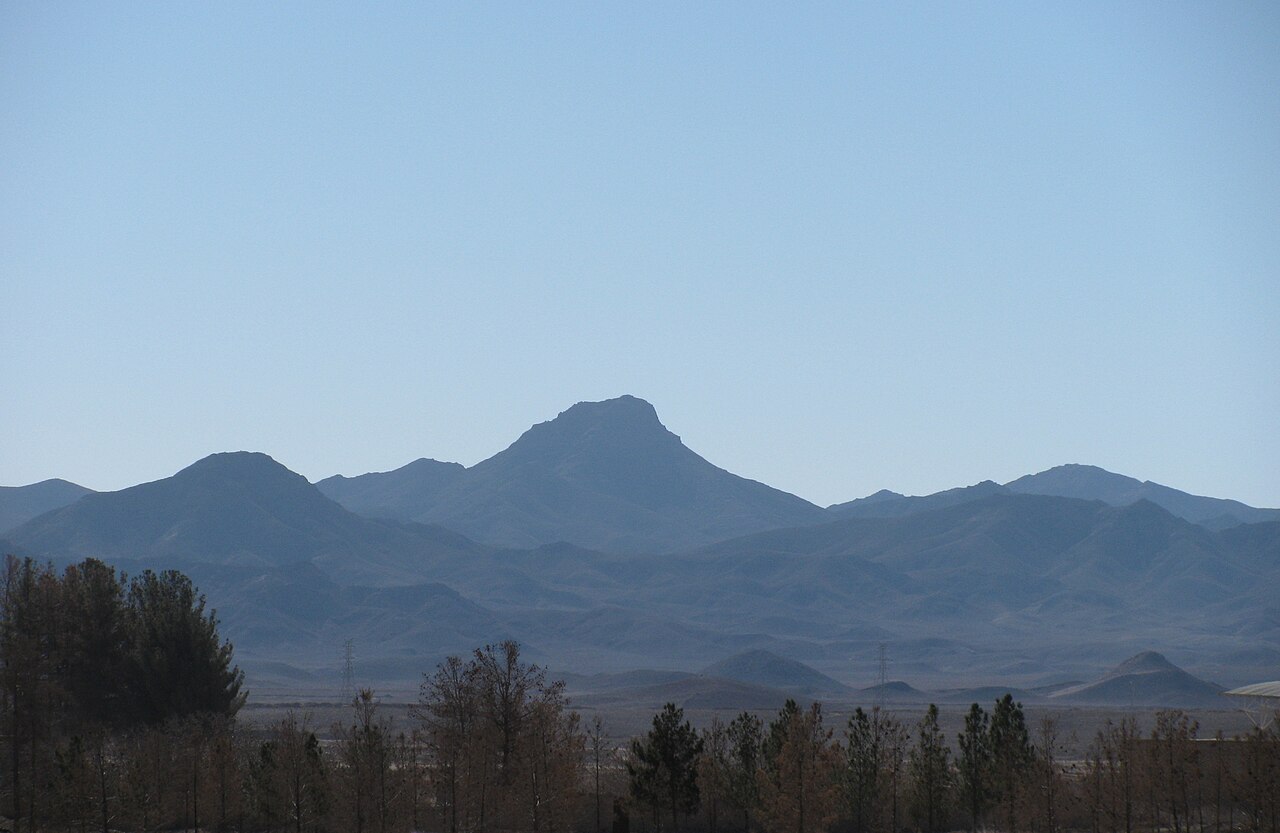
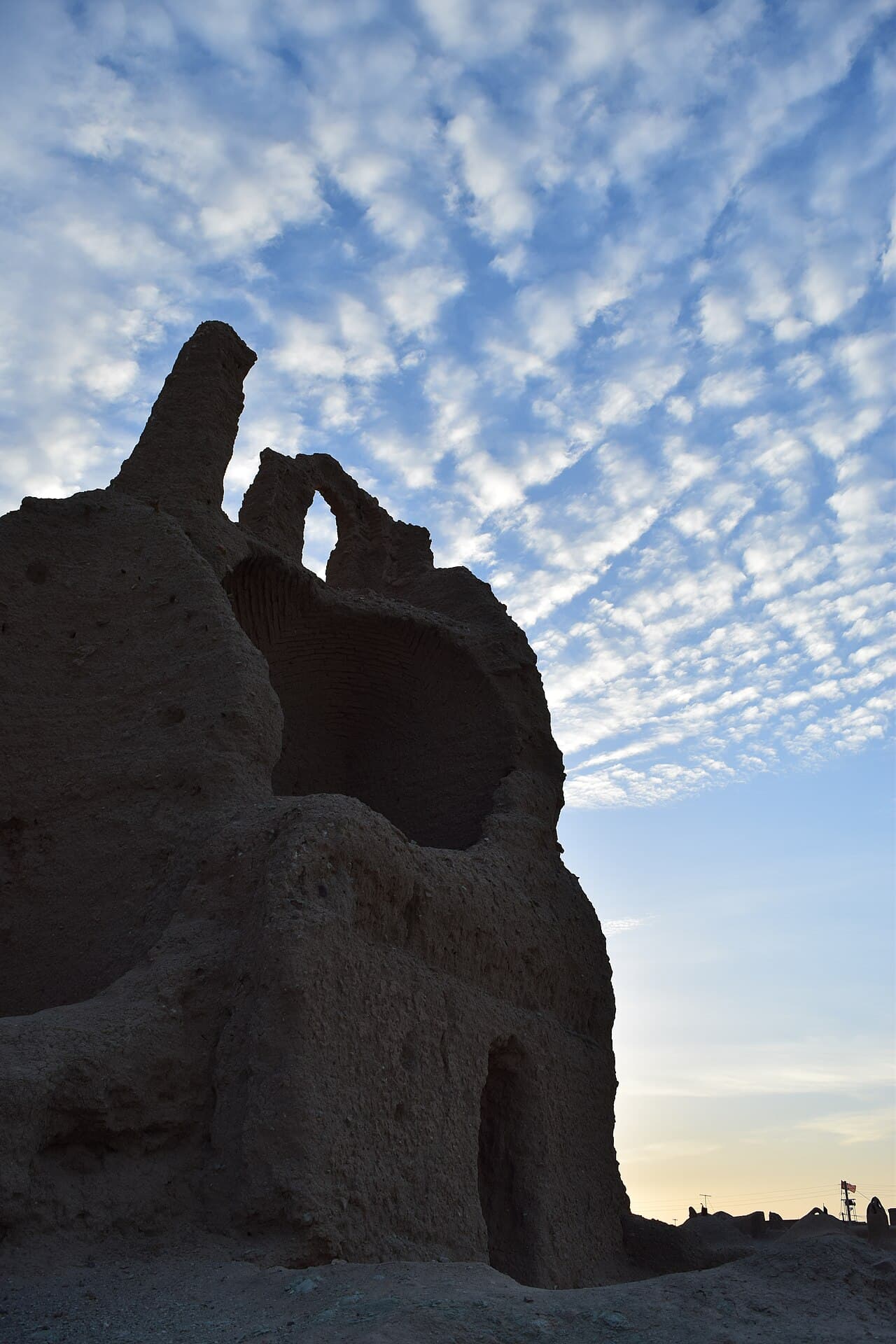
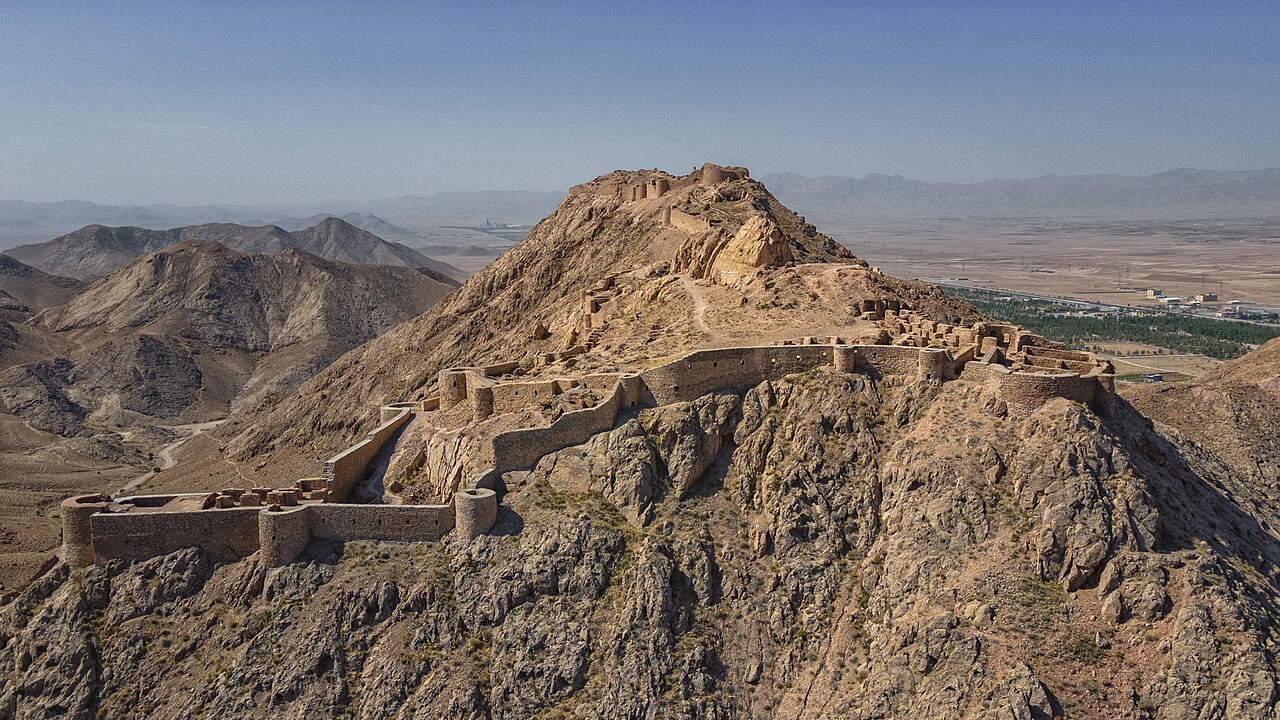
Khur castle (Persian: قلعه خور) is a notable hill castle situated in Khusf County within South Khorasan Province of Iran. This fortress is a significant example of Safavid dynasty military architecture, reflecting the defensive needs and construction techniques of the period. The castle's strategic location on elevated terrain allowed for effective surveillance and protection against invaders.

Historical background and significance

The origins of Khur castle trace back to the Safavid era, which lasted from the early 16th century to the mid-18th century. This period was marked by the consolidation of power in Iran under the Safavid dynasty, which fostered the development of fortifications to secure the empire's borders and internal regions. Khur castle served as a military stronghold and administrative center in the region, playing a role in regional defense and control.

The castle's longevity and preservation offer insight into the Safavid military architecture and the historical context of eastern Iran during this era. The fortress also illustrates the adaptation of traditional Persian castle-building techniques to the specific geographic and climatic conditions of South Khorasan.

Architectural features and layout

Khur castle is characterized by its placement on a hilltop, which is typical for hill castles designed to maximize defensive advantages. The natural elevation provided a commanding view of the surrounding landscape, enabling early detection of approaching threats.

The castle's construction materials primarily include locally sourced stone and brick, common in Persian fortifications of the time. The walls are thick and robust, designed to withstand sieges and attacks. Defensive features likely included battlements, watchtowers, and fortified gates, though specific details require further archaeological study.

The internal layout would have comprised residential quarters, storage rooms, and possibly a central courtyard, consistent with Safavid fortress designs. Water storage systems and provisions for sustaining occupants during sieges were essential components of such castles.

Geographical and cultural context

Located in the arid region of South Khorasan, the castle's design reflects adaptations to the local environment, including considerations for temperature extremes and limited water resources. The fortress's position in Khusf County highlights its role in controlling trade routes and local settlements.

South Khorasan Province is rich in historical sites, with Khur castle contributing to the understanding of the region's strategic importance during the Safavid period. The castle is part of Iran's broader cultural heritage, representing the martial and architectural traditions of the Safavid dynasty.

Current condition and preservation efforts

While exact details about the castle's current state are limited, it is generally considered to be in a partially preserved condition. Preservation efforts are crucial for maintaining the structural integrity and historical value of the site. Such efforts may involve archaeological research, restoration of damaged walls, and protection from environmental degradation.

As with many historical castles in Iran, Khur castle faces challenges from natural erosion and human activity. Continued attention from cultural heritage organizations is essential to safeguard this monument for future generations.

Visiting Khur castle

Information on public access and visitor facilities at Khur castle is not widely documented. Visitors interested in exploring the site should seek local guidance and verify accessibility. The castle's remote location and terrain may require preparation for hiking and outdoor conditions.

Exploring Khur castle offers a unique opportunity to connect with Iran's Safavid past and appreciate the architectural ingenuity of hilltop fortresses in a challenging environment.

Frequently asked questions (FAQ)

What is the historical significance of Khur Castle?
Khur Castle, located in Iran, is a remarkable example of Persian architecture and a testament to the region's rich history. Built during the Safavid era, it served as a strategic fortress and royal residence, playing a crucial role in the defense against invasions.
When was Khur Castle constructed?
Khur Castle was constructed in the 16th century, around the time of the Safavid dynasty's rise to power. Its design and structure reflect the architectural trends of that period, showcasing intricate details and robust defensive features.
How do I get to Khur Castle?
Khur Castle can be reached by car or public transport from nearby cities such as Yazd or Isfahan. The journey offers scenic views of the surrounding landscape, making it a pleasant trip for visitors.
What are the opening hours for Khur Castle?
Khur Castle is typically open to visitors from 9 AM to 5 PM daily. However, it is advisable to check local listings or contact the site directly for any seasonal changes in hours.
Can I take photographs inside Khur Castle?
Yes, photography is allowed inside Khur Castle, allowing visitors to capture its stunning architecture and scenic views. However, be respectful of the site and other visitors while taking photos.
Is it possible to access Khur Castle with limited mobility?
Khur Castle's terrain may pose challenges for visitors with limited mobility due to its elevation and uneven paths. It is recommended to contact local authorities for assistance or alternative visiting options.
What is the best time to visit Khur Castle?
The best time to visit Khur Castle is during the spring and autumn months when the weather is mild and pleasant. These seasons provide an ideal climate for exploring the castle and enjoying the surrounding natural beauty.
Are there any nearby attractions to visit after Khur Castle?
Yes, after visiting Khur Castle, you can explore nearby attractions such as the ancient city of Yazd and the stunning desert landscapes of Iran. These sites offer rich cultural experiences and breathtaking views.
What are the ticket prices for visiting Khur Castle?
Ticket prices for Khur Castle are generally affordable, making it accessible for most visitors. It is advisable to check current rates before your visit, as prices may vary for locals and foreigners.

Photo gallery

Khur Castle
Click to view

Photo by Saeed Fuladi•CC BY-SA 4.0

1 photo • Click any image to view in full screen

Information

Hill Castle

Loading map...

Visitor reviews

No reviews yet. Been here? Write the first review and help other travelers!

Write the first review

Visited this castle? Share your experience

Your review helps other travelers and adds first-hand knowledge to our encyclopedia.
Write a review

(5/5)

0/2000 characters

Your review will be visible after admin approval

Nearby castles

110.8 km
Kuh-e Qaen Castle — Iran castle

Kuh-e Qaen Castle

Qaen, Iran

Kuh-e Qaen castle, also known as Ghal'eh-Kuh of Qa'en and Husayn Qa'ini Castle, is a significant historical fortress situated in Qaen County within South Khorasan Province, Iran. This hill castle is notable for its association with the Ismaili sect during the Alamut period, marking it as one of the most important strongholds in the region historically known as Quhistan. Historical background and significance The castle's origins trace back to the medieval Islamic era, specifically during the time when the Nizari Ismailis established a network of fortresses across Persia to protect their communities and assert control over strategic locations. Kuh-e Qaen castle was integral to their defensive system in eastern Iran, serving both military and administrative purposes. Its role was crucial in safeguarding the Ismaili presence in the region against rival factions and invasions. This fortress reflects the broader geopolitical struggles of the 11th to 13th centuries, when the Ismailis faced continuous threats from the Seljuks, Mongols, and other regional powers. Kuh-e Qaen castle's endurance through these turbulent centuries highlights its strategic construction and the importance of Quhistan as a frontier zone. Architectural features and construction Perched atop a steep hill, Kuh-e Qaen castle exemplifies the typical hill castle design favored for defensive advantages. The elevated position provided extensive visibility over the surrounding landscape, allowing early detection of approaching enemies. The castle's walls and fortifications were constructed using local stone and mortar, adapted to the rugged terrain. The fortress likely included multiple defensive layers, such as curtain walls, battlements, and towers positioned to cover vulnerable approaches. Within its enclosure, there would have been residential quarters, storage facilities, and possibly a water cistern to support prolonged sieges. The design reflects practical military architecture of the Ismaili fortresses, emphasizing durability and defensibility rather than ornamental features. Strategic location The castle's placement in Quhistan was strategic for controlling trade routes and local settlements. This region was a frontier zone between various competing powers, making Kuh-e Qaen a critical point for monitoring movements and securing the Ismaili territories. Preservation and current condition Today, Kuh-e Qaen castle remains a partially preserved ruin. The passage of centuries and natural erosion have affected much of the original structure. However, significant portions of the walls and foundations are still visible, offering valuable insights into medieval fortress construction in eastern Iran. Archaeological interest in the site has grown due to its connection with the Ismaili heritage and the Alamut period's historical narrative. Preservation efforts focus on stabilizing the remaining structures to prevent further decay while allowing visitors to explore the site safely. Visiting Kuh-e Qaen castle While the castle is located in a relatively remote area, it attracts historians, archaeologists, and tourists interested in Islamic medieval history and architecture. Visitors should prepare for a hike to reach the hilltop fortress, as access involves navigating rugged terrain. The site offers panoramic views of the surrounding landscape, enhancing the experience of exploring a fortress that once played a pivotal role in regional history. Due to its condition, visitors are advised to exercise caution while touring the ruins.

High Medieval (11th–13th c.)
Details
111.8 km
Kuh-e-Ghal'eh, Ferdows — Iran castle

Kuh-e-Ghal'eh, Ferdows

Ferdows, Iran

Kuh-e-Ghal'eh of Ferdows is a significant ruined fortress perched atop the mountain known as Kuh-e Ghal'eh south of Ferdows (historically Tun) in South Khorasan Province, Iran. This fortress served as the largest Nizari Ismaili stronghold in the Quhistan region during the Alamut period, a time when the Nizari Ismailis established a network of mountain fortresses across Persia. The fortress's prominence is documented in the Tarikh-i Jahangushay, a historical chronicle that highlights its strategic and military importance.Historical significance and Nizari Ismaili controlThe fortress was a key bastion for the Nizari Ismailis, a sect known for their fortified mountain castles that served as centers of resistance and administration. Kuh-e-Ghal'eh's location provided natural defenses and a commanding view of the surrounding landscape, making it a formidable stronghold against invading forces. Its control was crucial for the Nizaris in maintaining their autonomy in the region during the 12th and 13th centuries.The Alamut period and Quhistan regionDuring the Alamut period, the Nizari Ismailis expanded their influence beyond the Alamut Castle in northern Iran to other regions, including Quhistan in the east. Kuh-e-Ghal'eh was the largest fortress in Quhistan, serving as a regional center for military operations and governance. The fortress's strategic position allowed it to oversee important trade routes and local settlements, reinforcing the Nizaris' control.Architectural features and subterranean connectionsAlthough now in ruins, Kuh-e-Ghal'eh once featured typical elements of Nizari fortifications, including thick defensive walls, towers, and secure gates adapted to the mountainous terrain. Excavations and studies have revealed that the fortress was connected by secret subterranean passages to nearby fortresses such as Ghal'eh Kuh of Hasanabad (also known as Ghal'eh Dokhtar) and to the city of Tun itself. These underground tunnels provided safe and concealed routes for communication, movement of troops, and escape during sieges.Discovery of subterranean passagesThe existence of these secret tunnels came to light following the 1968 Dasht-e Bayaz and Ferdows earthquakes, which disturbed the ground and exposed previously hidden entrances. These passages exemplify the sophisticated defensive planning of the Nizari Ismailis, emphasizing their emphasis on secrecy and protection.Destruction by the MongolsKuh-e-Ghal'eh's prominence came to an abrupt end in May 1256 when the fortress was captured and destroyed by the invading Mongol forces led by commanders Kitbuqa and Köke Ilgei. The Mongol invasion, which swept through Persia during the mid-13th century, targeted Nizari strongholds to dismantle their power. The fortress was burned and left in ruins, marking the decline of Nizari influence in the region.Impact of the Mongol conquestThe fall of Kuh-e-Ghal'eh was part of a broader campaign by the Mongols to subdue the region and eliminate fortified centers of resistance. The destruction significantly weakened the Nizari Ismaili presence in Quhistan and contributed to the eventual dissolution of their territorial holdings in Persia.Current condition and archaeological importanceToday, Kuh-e-Ghal'eh stands as an archaeological ruin reflecting its turbulent history and the architectural ingenuity of the Nizari Ismailis. The site offers valuable insights into medieval fortress construction, defensive strategies, and the socio-political landscape of 12th and 13th century Persia. Archaeological studies continue to uncover details about the fortress's layout, construction techniques, and its role within the network of Nizari castles.The ruins attract historians, archaeologists, and visitors interested in the legacy of the Nizari Ismailis and the Mongol invasions. Preservation efforts focus on safeguarding the remaining structures and subterranean passages to facilitate study and public education.

Details
124.5 km
Bidesgan Castle — Iran castle

Bidesgan Castle

Ferdows County, Iran

Bidesgan castle (قلعه بیدسکان) is a significant historical fortress situated in Ferdows County within the South Khorasan Province of Iran. This hill castle stands as a testament to the architectural and military traditions of the Qajar dynasty, which ruled Persia from the late 18th to the early 20th century. The castle's strategic location on elevated terrain allowed for effective defense and surveillance over the surrounding region, a common feature of hill castles designed to maximize natural fortifications. Historical context and significance Constructed during the Qajar period, Bidesgan castle reflects the military and administrative needs of the era. The Qajar dynasty faced numerous internal and external challenges, including tribal conflicts and foreign interventions, which necessitated robust defensive structures. Castles like Bidesgan were integral in maintaining local control and safeguarding trade routes in the eastern parts of Iran. The fortress likely served as a local stronghold for regional governors or tribal leaders allied with the Qajar monarchy. Its endurance through time highlights its importance in regional defense and governance. Architectural features and construction Bidesgan castle exemplifies typical features of hill castles from the Qajar era, combining natural topography with man-made fortifications. The castle's walls are constructed from locally sourced materials, predominantly stone and brick, designed to withstand both siege and the harsh climatic conditions of the region. The fortress includes thick defensive walls with battlements and watchtowers positioned to provide panoramic views of the surrounding landscape. These towers enabled early detection of approaching enemies and facilitated communication signals. The castle's layout likely includes a central courtyard, surrounded by various chambers used for storage, living quarters, and administrative purposes. Entrances to the castle are fortified with heavy gates and possibly a gatehouse, common in Persian fortifications to control access and provide additional layers of defense. Defensive elements The castle's elevated position on a hill enhances its natural defense, making direct assaults difficult. The walls may feature arrow slits or embrasures allowing defenders to repel attackers while remaining protected. The use of moats or ditches around the base, although not confirmed, is a common defensive feature in Persian hill castles and might have been present. Cultural and regional importance Located in South Khorasan Province, an area rich in history and cultural exchange, Bidesgan castle is part of the broader heritage of Persian fortifications. The region's position along historical trade routes, including branches of the Silk Road, underscores the castle's likely role in protecting commerce and local settlements. Today, the castle is recognized as a valuable cultural monument, offering insights into the military architecture and regional history of the Qajar dynasty. It contributes to the understanding of Persian defensive strategies and the socio-political landscape of eastern Iran during the 18th and 19th centuries. Current condition and preservation Bidesgan castle remains a prominent ruin, with portions of its walls and towers still standing, though it is not fully preserved. The structure's condition reflects centuries of exposure to natural elements and limited restoration efforts. Preservation initiatives are important to maintain the site's integrity and promote its historical significance. Visitors to the site can observe the castle's layout and architectural details, providing a tangible connection to Iran's Qajar-era fortifications. Visiting information and accessibility The castle is accessible from Ferdows County and serves as a destination for those interested in Persian history and architecture. Due to its status as a historical ruin, visitors should prepare for uneven terrain and limited facilities. Exploring the castle offers a unique opportunity to engage with Iran's rich cultural heritage in a scenic hilltop setting. While specific visiting hours and ticketing information are not widely published, local tourism offices in South Khorasan Province can provide guidance for planning visits.

Post-Renaissance (17th–18th c.)
Details