Nassouri’s Castle
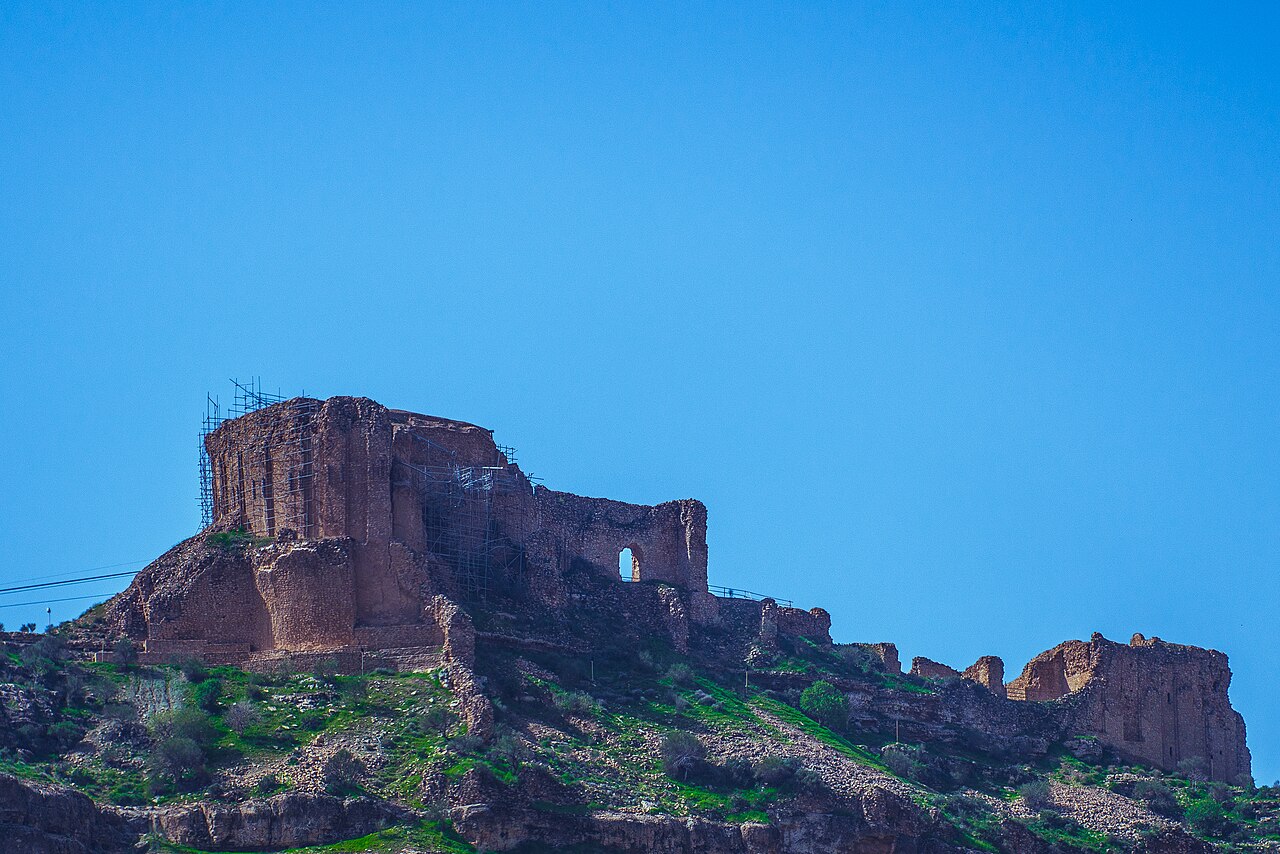
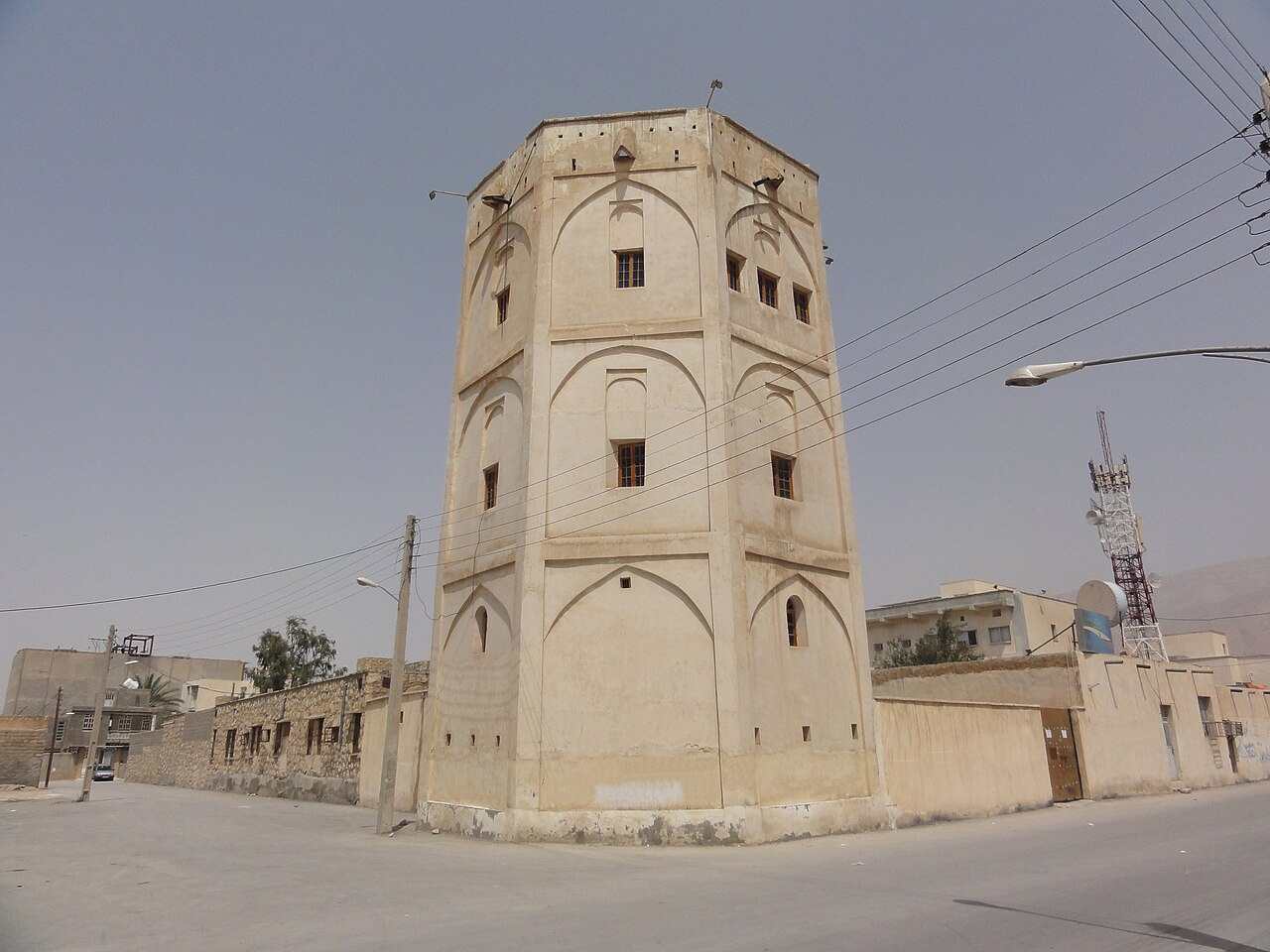
Nassouri's Castle is a notable hill castle located in the Gilan region of Iran, reflecting the architectural and cultural heritage of the Qajar dynasty in the early 19th century. Built approximately 180 years ago under the direction of Sheikh Jabbar Nasori, this fortress served multiple functions including residence and local administration, strategically positioned near the Persian Gulf to oversee the surrounding area.
Historical background and significance
Constructed during the early Qajar period, Nassouri's Castle embodies the fusion of regional architectural styles and functional design elements suited to its coastal environment. The castle was commissioned by Sheikh Jabbar Nasori, a prominent figure of his time, and designed by the architect Ali Az’ar Shirazi. Its strategic location near the Persian Gulf highlights its role in regional governance and defense during a period marked by political consolidation and cultural development in southern Iran.
The castle's historical importance was officially recognized when it was registered as a national heritage monument by Iranian authorities on March 15, 2001. This designation underscores the site's value as a preserved example of Qajar-era architecture and its contribution to understanding the social and cultural dynamics of the period.
Architectural features and layout
Construction materials and techniques
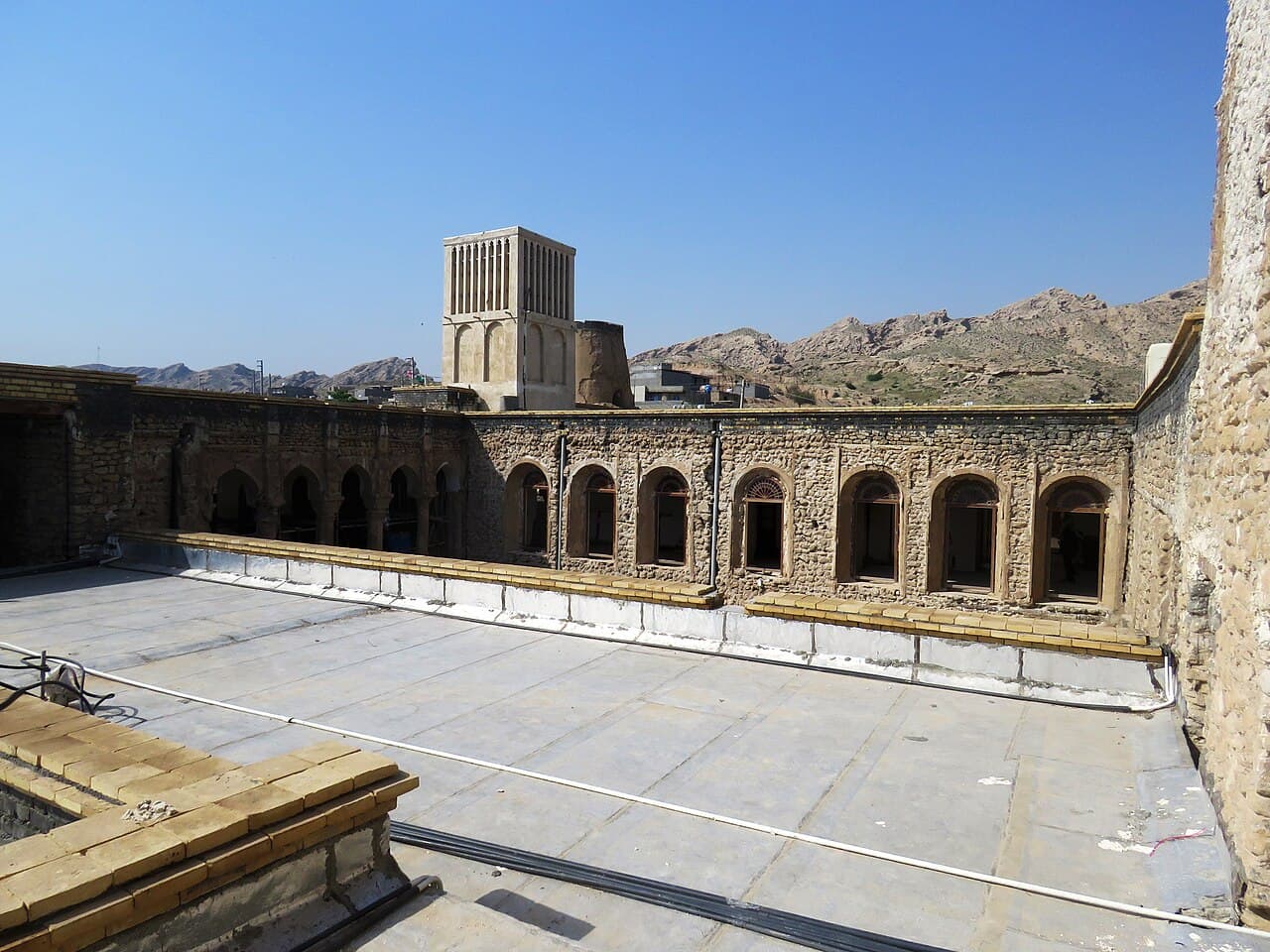
Nassouri's Castle is primarily constructed from stone bonded with clay and lime mortar, traditional materials that provided durability and insulation against the coastal climate. The use of these materials reflects the building practices of the Qajar era in southern Iran, emphasizing both strength and adaptability.
Entrance and vestibule
The castle's main entrance faces south towards the Persian Gulf and features a substantial wooden door adorned with decorative iron nails and intricate carvings. This entrance leads directly into a spacious octagonal vestibule, locally known as a hashti. The hashti serves as a transitional space and is characterized by eight simple niches embedded within its walls, a common architectural element in Persian design that facilitates movement and ventilation.
Internal circulation and upper floor
Access to the upper floor is provided by two staircases: one located on the northern side, connecting the outer courtyard to the inner quarters through a plain wooden door, and another on the western side leading to the second level. The upper floor features a prominent veranda supported by robust stone columns decorated with gypsum plaster motifs reminiscent of those found in the Vakil Bazaar of Shiraz. This veranda opens through a series of five wooden doors into a finely finished room on the western side.
This room is distinguished by its marble flooring and plaster-covered walls embellished with floral and plant motifs. The decoration here is noted for its simplicity and elegance, reflecting the refined aesthetic sensibilities of the Qajar period.
Climatic adaptations and decorative elements
One of the castle's most distinctive features is its windcatchers or badgirs on the rooftops, designed to harness the coastal breezes of the Persian Gulf for natural ventilation. This architectural adaptation is characteristic of the region and demonstrates a sophisticated understanding of the local climate.
Decorative gypsum reliefs adorn various parts of the castle, presenting motifs such as flowers, leaves, angels, and birds. These artistic elements enhance the castle's visual appeal and connect it to broader Persian artistic traditions, adding layers of cultural meaning to the structure.
Preservation and current status
Today, Nassouri's Castle stands as a well-preserved example of Qajar-period hill castle architecture, retaining many of its original structural and decorative features. Its status as a national heritage monument ensures ongoing efforts to maintain and protect the site for future generations, allowing visitors to explore an important piece of Iran's architectural and historical legacy.
The castle's combination of functional design, climatic adaptation, and ornamental craftsmanship makes it a significant cultural landmark within the Gilan region and a valuable resource for scholars and tourists interested in Persian architecture and history.
Frequently asked questions (FAQ)
- How do I get to Nassouri’s Castle?
- Nassouri’s Castle is located in Iran's scenic region, making it accessible by car or public transport from nearby cities. Visitors can take a bus or hire a taxi from the nearest urban centers, which will lead you through beautiful landscapes to the castle.
- What is the historical significance of Nassouri’s Castle?
- Nassouri’s Castle dates back to the 12th century and served as a strategic military stronghold throughout its history. It is an important symbol of Iranian heritage, reflecting the architectural styles and defensive structures of the era.
- When was Nassouri’s Castle built?
- Construction of Nassouri’s Castle began in the early 12th century and was completed later in that century. The castle has undergone several renovations over the centuries, preserving its historical value and significance.
- Can I take guided tours of Nassouri’s Castle?
- Yes, guided tours are available for visitors who want to learn more about the castle's history and architecture. These tours often provide in-depth insights and stories that enhance your experience while exploring the site.
- Why is Nassouri’s Castle an architectural marvel?
- The architecture of Nassouri’s Castle showcases a blend of Islamic and Persian styles, characterized by intricate stonework and robust fortifications. Its design was not only functional for defense but also aesthetically pleasing, making it a remarkable example of historical architecture.
- Is it possible to visit Nassouri’s Castle year-round?
- Yes, Nassouri’s Castle is open to visitors throughout the year, although accessibility may vary during extreme weather conditions. It’s advisable to check local weather forecasts before planning your visit for the best experience.
- What are the opening hours for Nassouri’s Castle?
- Nassouri’s Castle typically opens at 9 AM and closes at 6 PM, but these hours may vary based on the season or special events. It is recommended to check the castle's official website or contact local tourism offices for the most accurate information.
- What are the ticket prices for visiting Nassouri’s Castle?
- Ticket prices for Nassouri’s Castle are generally affordable, making it accessible to a wide range of visitors. Discounts may be available for students and children, and it's best to check on-site for the most current pricing information.
- What are some nearby attractions to Nassouri’s Castle?
- Visitors to Nassouri’s Castle can explore several nearby attractions, including historical sites, natural parks, and local markets. These attractions provide a rich cultural experience and give insight into the region's heritage and natural beauty.
Photo gallery

Information
Loading map...
Visitor reviews
No reviews yet. Been here? Write the first review and help other travelers!
Write the first reviewVisited this castle? Share your experience
Your review helps other travelers and adds first-hand knowledge to our encyclopedia.