Narva Lenin
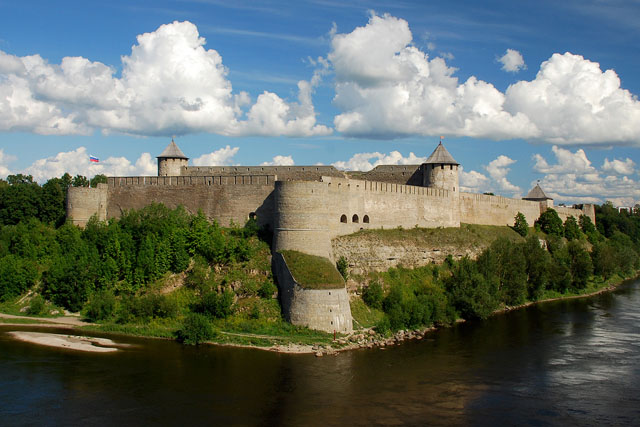
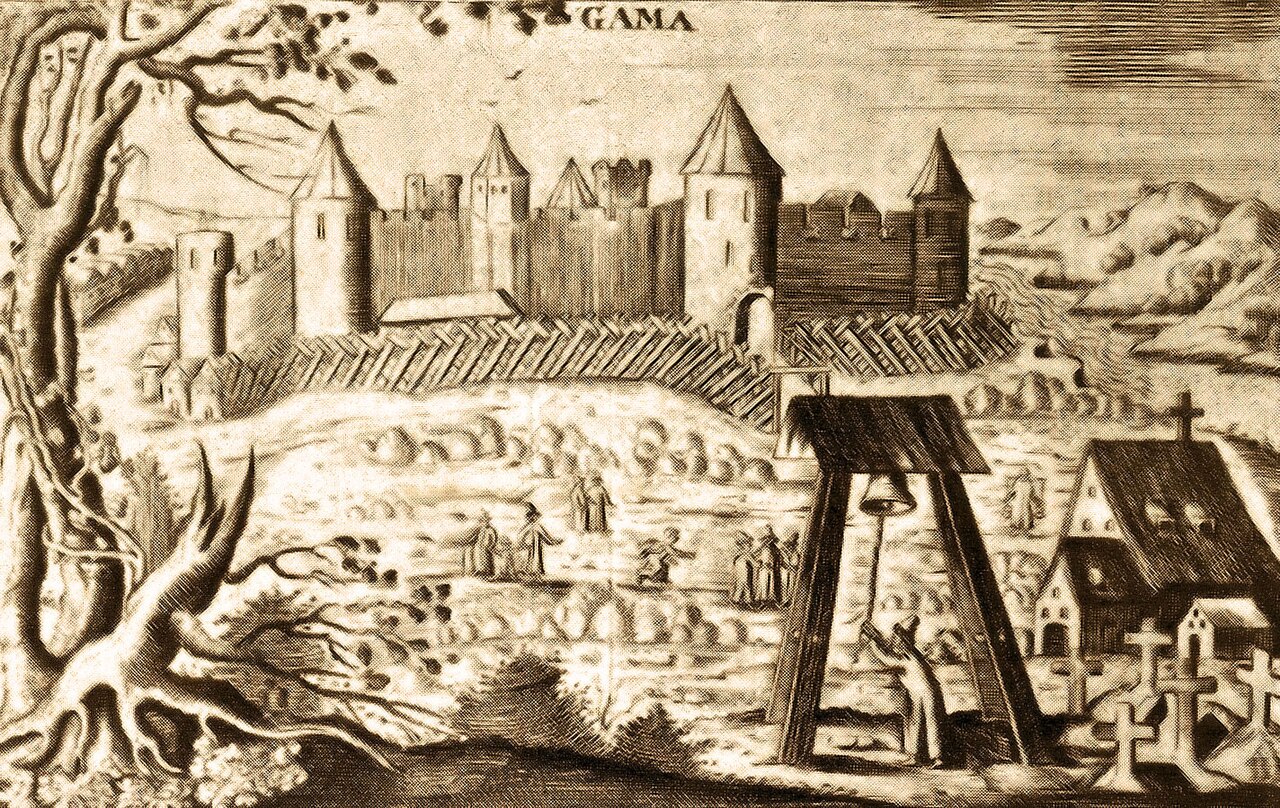
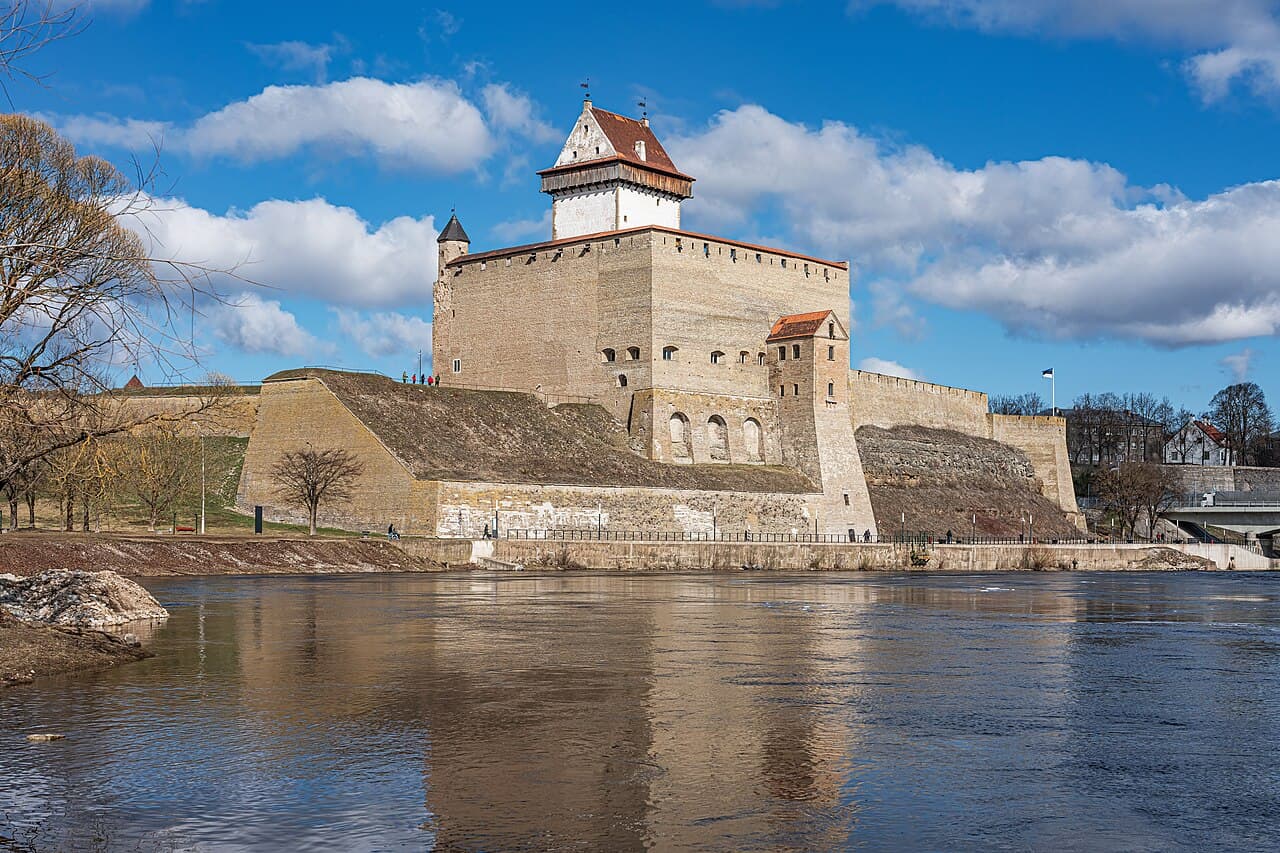
Narva Castle, also known as Hermann Castle, is a prominent medieval fortress located in the city of Narva, Estonia, right on the eastern border with Russia. Founded in 1256 by the Danes, this castle has played a vital role in the region's turbulent history, serving as a strategic military stronghold and a symbol of power through the centuries. Its location on the banks of the Narva River places it directly opposite the Russian fortress of Ivangorod Castle, highlighting its importance as a border defense point between Western Europe and Russia.
Historical background and strategic significance
The origins of Narva Castle trace back to the high medieval period when the Danes established a wooden stronghold at the river crossing to control trade routes and defend their northern Estonian territories. This early fortification gradually evolved into a stone castle beginning in the early 14th century, reflecting the increasing military and political importance of the site. The castle’s foundation coincided with the growth of the town of Narva, which was granted Lübeck town rights in the first half of the 14th century, marking its rise as a significant trading center.
In 1346, the Danish king sold Northern Estonia, including Narva, to the Livonian Order, a branch of the German Teutonic Knights. Under their control, Narva Castle was expanded and transformed into a convent-style fortress, which served both as a military base and administrative center. The Livonian Order fortified the castle extensively to counter threats from the east, especially after the Russians built the nearby Ivangorod Castle in 1492, just across the river. This proximity intensified the strategic rivalry between the two fortresses.
Architectural development and features
Castle layout and fortifications
The castle’s original design was a compact, castellum-like structure with sides measuring approximately 40 meters, featuring a prominent tower at the northwest corner—the precursor to today's Hermann Tower. Over the 14th century, the castle was expanded with additional forecourts on the north and west sides. These forecourts provided refuge for townspeople during attacks, as the town itself was initially unfortified under Danish rule.
The Livonian Order’s modifications included the construction of massive wings around a central courtyard, creating a convent building layout typical of their castles. The Hermann Tower, now the tallest point at 51 meters, was completed during this period to enhance surveillance and defense capabilities. The castle was once encircled by a defensive wall protecting the town, although this wall was dismantled by order in 1777 and no longer survives.
Defensive structures and features
Narva Castle’s fortifications include thick stone walls, battlements, and defensive towers designed to withstand sieges and artillery attacks. The castle’s position on the riverbank allowed control over river traffic and served as a natural moat on one side. The proximity to the Russian border made it a key military outpost throughout the medieval and early modern periods.
Narva city and cultural context
Narva’s location at the easternmost tip of Estonia, separated from Russia only by the Narva River, has shaped its unique cultural identity. The city’s population is predominantly ethnic Russian, a demographic legacy of the Soviet era when borders within the USSR were fluid, and many Russians settled in Narva. Today, the city reflects a blend of Estonian and Russian cultural influences, visible in its architecture, language, and public monuments.
One notable Soviet-era monument was the bronze statue of Vladimir Ilyich Lenin by Estonian sculptor Olav Männi, erected in 1957. Unlike many other Estonian cities where Lenin statues were removed after independence in 1991, Narva retained this statue until 1993, reflecting the city's unique political and cultural landscape during the post-Soviet transition.
Modern-day significance and visitor experience
Today, Narva Castle stands as one of Estonia’s best-preserved medieval fortifications and a major tourist attraction. The castle covers an area of approximately 3.2 hectares, with the Tall Hermann Tower offering panoramic views of the Narva River and the Russian town of Ivangorod. Visitors can explore the castle’s museum, which presents the history of Narva and the fortress through extensive exhibits.
The castle’s northern courtyard hosts handicraft workshops where visitors can engage with traditional crafts, enhancing the cultural experience. The castle's preservation and presentation provide valuable insights into the medieval military architecture and the complex history of the Estonian-Russian border region.
Architectural style and preservation status
Narva Castle exemplifies high medieval fortress architecture with elements typical of Teutonic Order convent castles. Its robust stone construction, massive walls, and defensive towers reflect the military needs of the period. Despite the loss of the town’s defensive walls, the castle itself remains well preserved, retaining much of its original ground plan and structural integrity.
Ongoing conservation efforts ensure that Narva Castle continues to be a significant cultural heritage site, attracting historians, architects, and tourists interested in medieval fortifications and Baltic history.
Frequently asked questions (FAQ)
- How do I get to Narva Castle?
- Narva Castle is located in the city of Narva, Estonia, easily accessible by car or public transport. The castle is situated near the Narva River, close to the border with Russia.
- What is the historical significance of Narva Castle?
- Narva Castle was founded in 1256 and served as a strategic military stronghold on the border between Western Europe and Russia. It played a key role in regional conflicts and trade control during the medieval period.
- Can I visit the Hermann Tower?
- Yes, visitors can climb the Hermann Tower, which stands 51 meters tall, to enjoy panoramic views of Narva, the Narva River, and the Russian town of Ivangorod across the border.
- Is Narva Castle suitable for family visits?
- Absolutely. Narva Castle offers engaging museum exhibits and handicraft workshops in the northern courtyard, making it an educational and enjoyable destination for families.
- When is the best time to visit Narva Castle?
- The castle is open daily from 10:00 to 18:00, with spring through early autumn being the best time to visit due to favorable weather and outdoor activities available in the castle grounds.

Information
Opening hours
10:00-18:00, daily
Ticket prices
€5 adult, €3 child
Current owner
State museum
Website
Visit websiteSources & official resources
Verify the information above using these authoritative references.
Loading map...
Visitor reviews
No reviews yet. Been here? Write the first review and help other travelers!
Write the first reviewVisited this castle? Share your experience
Your review helps other travelers and adds first-hand knowledge to our encyclopedia.