Narin Castle
Narin Castle stands as one of the oldest and most remarkable mud-adobe fortresses in Iran, located in the city of Meybod in the Gilan region. Its strategic position atop a raised hill overlooking the surrounding landscape highlights its importance as a defensive and administrative center throughout ancient and medieval Iranian history. The castle's complex construction history spans multiple eras, illustrating the evolution of Iranian fortress architecture from the third millennium BCE through the Sassanid period and into the Islamic era.
Historical significance and origins
The origins of Narin Castle trace back to approximately 4000 BCE, making it one of the oldest known fortifications in central Iran. Archaeological findings, including pottery fragments with motifs reminiscent of the Elamite civilization, suggest early occupation during the third millennium BCE. While the exact original builders remain unknown, the fortress was constructed and expanded in phases by successive civilizations, including the Median, Achaemenid, and Sassanid empires.
Evidence such as bricks of varying sizes and styles, alongside inscribed seals in the Pahlavi script, firmly anchors the fortress within the late pre-Islamic Iranian cultural and political context. The castle served as a seat of government and military stronghold, reflecting the organized societies that controlled the region.
Local folklore associates the castle with the prophet Solomon (Suleiman Nabi), attributing its construction to his legendary era. However, historians regard this as mythological rather than factual. Instead, the castle's enduring role was as a governmental citadel and military bastion, vital for regional control before and after the advent of Islam.
Architectural features and construction
Structure and materials
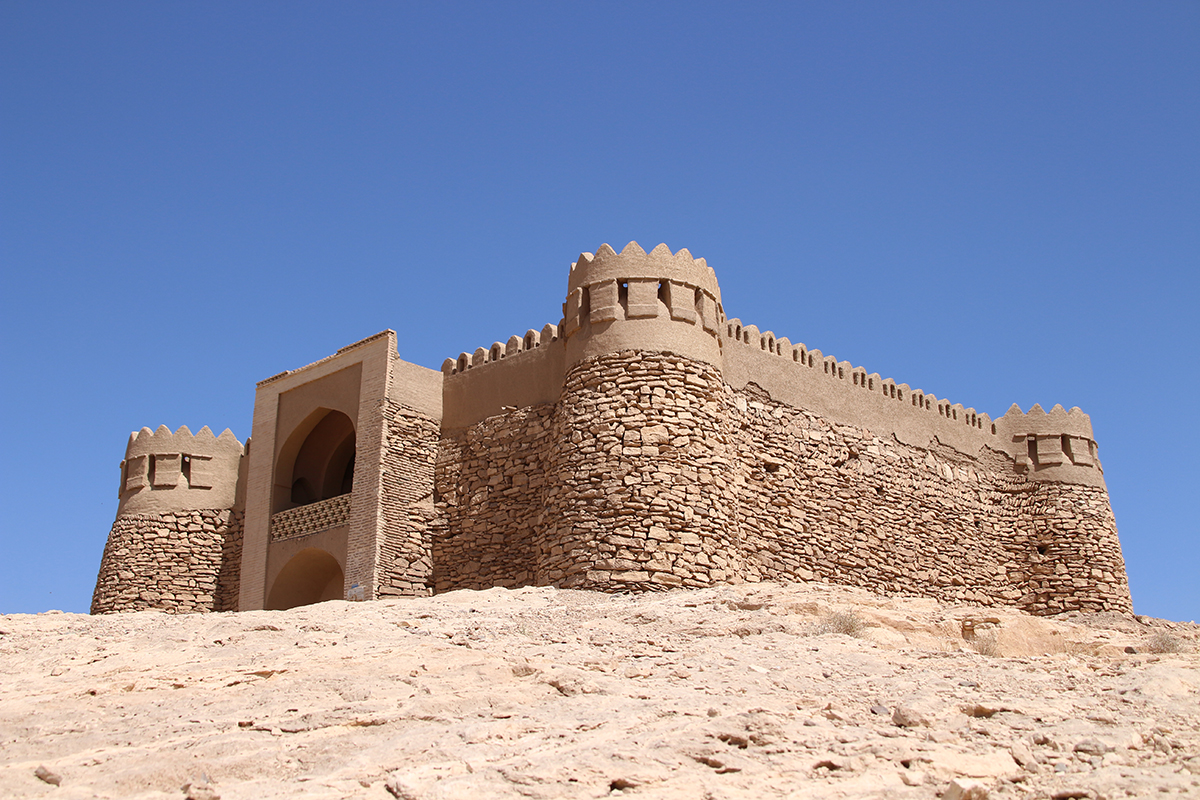
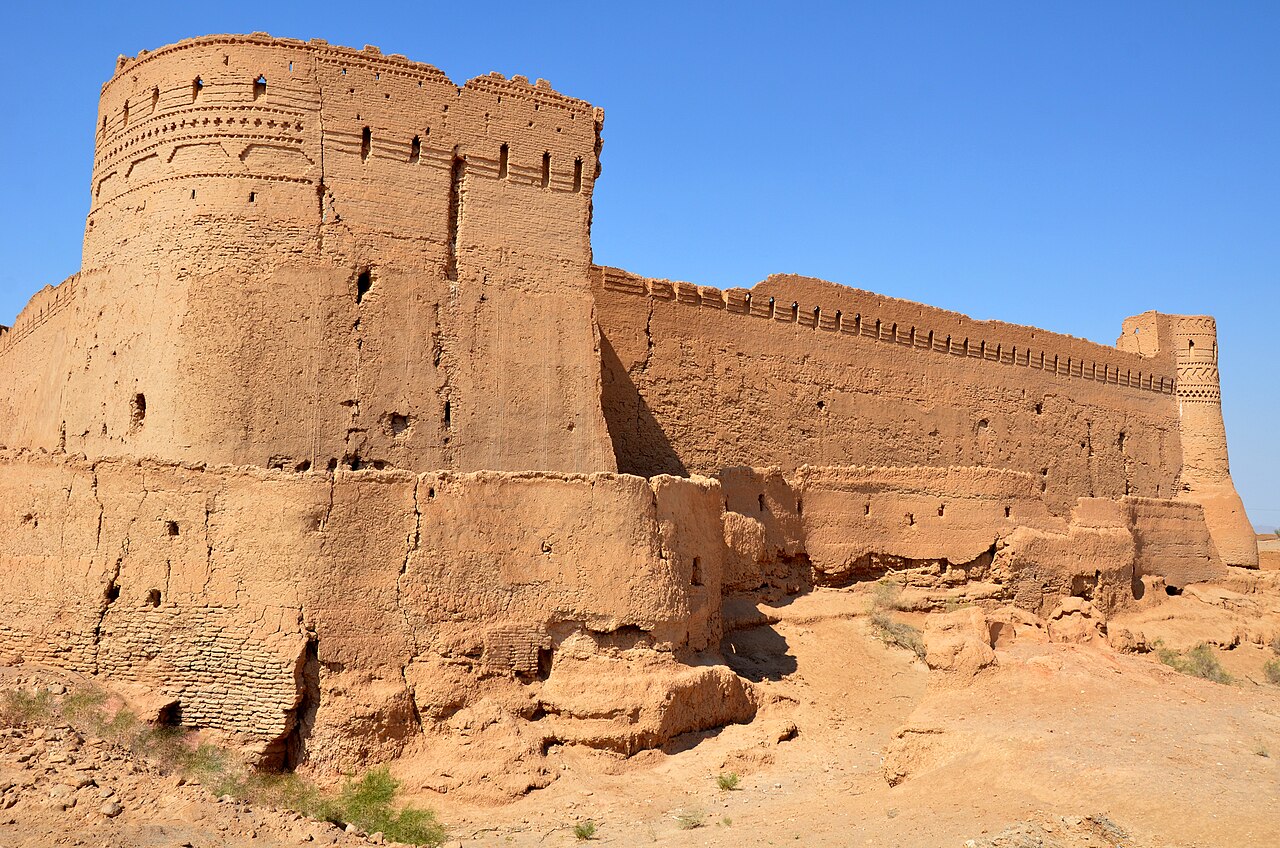
Narin Castle covers approximately three hectares and rises to about 40 meters in height, making it an imposing presence in Meybod. The fortress comprises seven stories, primarily constructed from sun-dried mud bricks and adobe. Its defensive design includes four large circular towers strategically placed around the perimeter to enhance protection.
The outer walls feature multiple layers of fortification, with the lowest defensive wall reaching an extraordinary thickness of up to 20 meters in some sections. This massive base provided stability and formidable defense against invaders.
Interior layout
The castle's main entrance opens into a broad courtyard, serving as the central hub from which various parts of the complex were accessed. At the summit lies a terrace once reached by two now-collapsed helical staircases, which would have provided access to the uppermost levels.
Inside, a network of small interconnected rooms and spiral corridors creates a complex internal circulation system leading to the upper royal quarters. Ventilation was ingeniously managed through small openings near the upper walls, facilitating air circulation despite the thick mud construction.
Social and functional divisions
The fortress was divided into three main floors reflecting social hierarchy and functional use. The lowest floor, known as the shahrstan, contained essential communal facilities such as a mosque and a bathhouse, along with narrow passageways, though much of this area is now in ruins.
Above this was the citadel or hakim-nishin, traditionally comprising three floors used for royal, administrative, and military purposes. This hierarchical spatial organization highlights the castle's role as a center of governance and defense.
Engineering and defensive innovations
Narin Castle demonstrates advanced engineering for its time, including a primitive yet effective plumbing system embedded within its walls. This system utilized sarooj, a traditional water-resistant mortar, to supply water and manage moisture within the fortress.
Below ground, a sizeable chamber believed to have functioned as a prison has been identified, though it is currently filled with debris. Additionally, an extensive network of underground tunnels connected different parts of the fortress. These tunnels were designed to sustain the inhabitants with food and water during sieges and are reputed to have remained unconquered by invaders, underscoring the castle's formidable defense capabilities.
Historical transformations and preservation
Following the Islamic conquest, Narin Castle continued to hold military and residential significance. It underwent several repairs and expansions, notably during the rule of the Muzaffarid dynasty in the medieval period. However, some restoration efforts were executed hastily and without strict adherence to the original construction techniques, affecting the structural integrity in places.
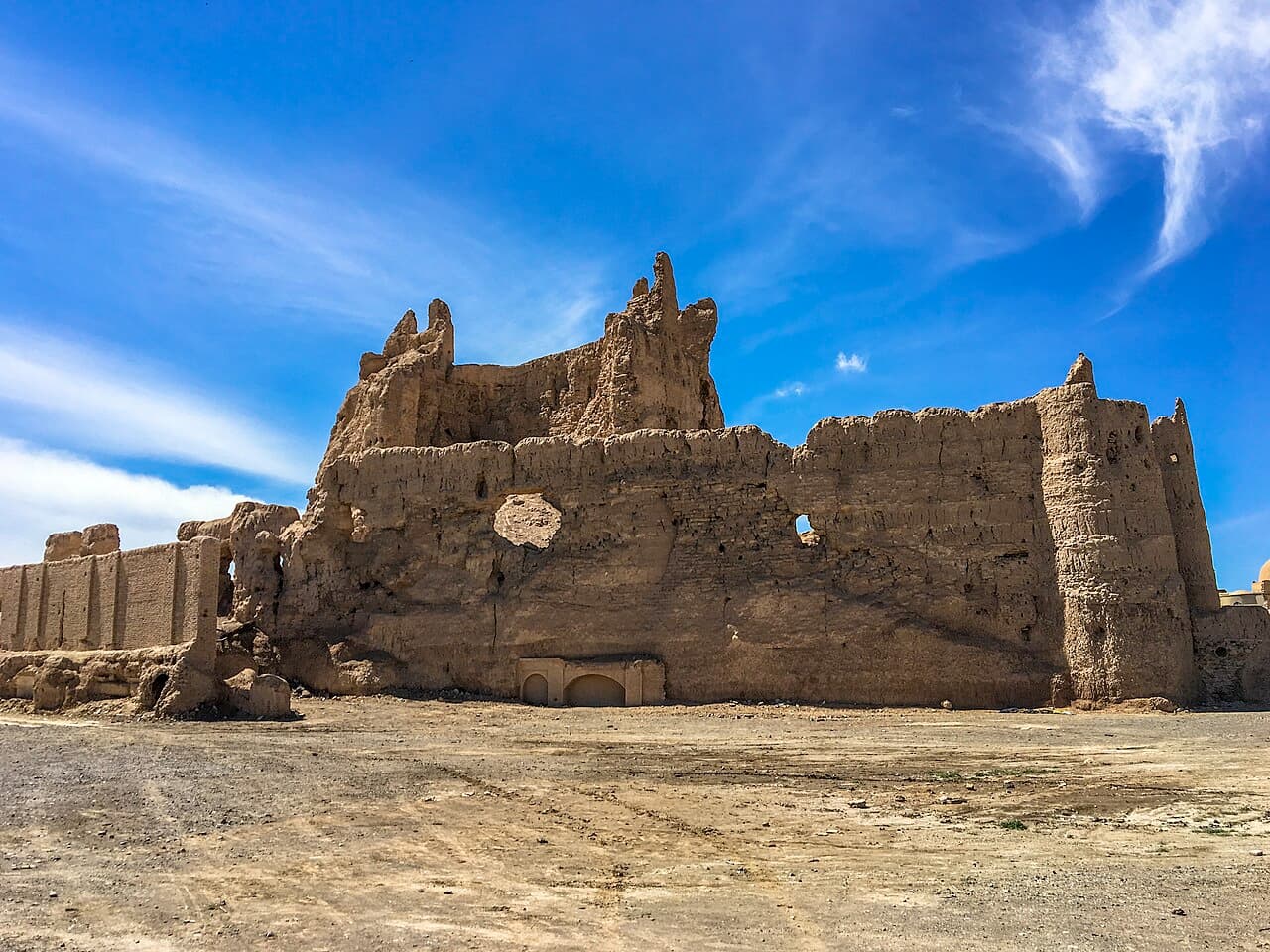
The fortress has also suffered damage from natural disasters such as earthquakes. Subsequent repairs often employed mud and clay bricks without the original craftsmanship, which has led to some deterioration. Despite this, significant portions of the central fort, including key exterior walls and towers, remain intact.
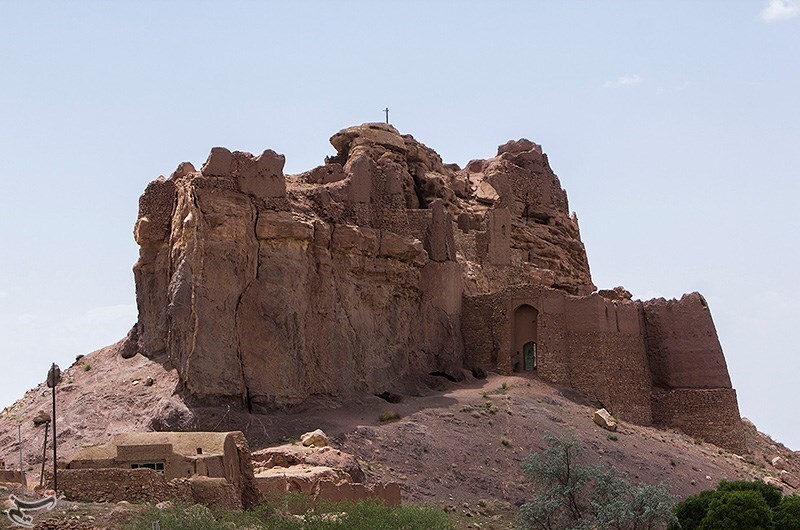
Locally, the castle is also known as “Narenj Qal’eh” or Orange Castle, a folk name that connects it to a broader tradition of similarly named castles across Iran. Some of these are believed to have historical ties to Zoroastrian fire temples. Architecturally, Narin Castle bears resemblance to the famous Arg-e Bam fortress, reflecting common design principles for grand defensive structures in the region.
Legacy and cultural importance
Narin Castle was officially recognized as a national heritage site of Iran on August 8, 1975, cementing its importance in the country's cultural and historical landscape. Its long history, architectural complexity, and strategic significance make it a key monument for understanding ancient Iranian civilization and military architecture.
Today, the castle attracts historians, archaeologists, and visitors interested in Iran's rich past. Its enduring presence offers valuable insight into ancient construction techniques, social organization, and defensive strategies that shaped the region's history over millennia.
Frequently asked questions (FAQ)
- What is the historical significance of Narin Castle?
- Narin Castle is one of the oldest adobe castles in Iran, dating back over 2,000 years. It served as a defensive fortress for the ancient city of Meybod and has played a crucial role in the region's history, reflecting the architectural style and military strategies of its time.
- When was Narin Castle built?
- Narin Castle is believed to have been constructed during the pre-Islamic period, with estimates suggesting it was built around 400 BC. Its enduring structure showcases the advanced engineering techniques of ancient Persian civilizations.
- Can I visit Narin Castle year-round?
- Yes, Narin Castle is open to visitors throughout the year. However, the best time to visit is during the spring (March to May) and autumn (September to November) when the weather is mild and pleasant for exploration.
- What are the opening hours for Narin Castle?
- Narin Castle is typically open from 8 AM to 6 PM daily. It is advisable to check for any seasonal changes in opening hours before planning your visit.
- Is Narin Castle accessible for visitors with mobility issues?
- While Narin Castle has some areas that are accessible, the uneven terrain and stairs may pose challenges for visitors with mobility issues. It is recommended to prepare accordingly and seek assistance if needed.
- What are the ticket prices for visiting Narin Castle?
- The entrance fee for Narin Castle is quite affordable, generally ranging from 50,000 to 100,000 IRR. Prices may vary for foreign tourists, so it is advisable to check the latest rates at the entrance.
- Are there any nearby attractions to visit along with Narin Castle?
- Yes, nearby attractions include the historic city of Meybod, the Narin Qal’eh (Narin Castle), and the traditional pottery workshops. These sites provide a deeper insight into the rich cultural heritage of the region.
- How do I get to Narin Castle from the nearest city?
- Narin Castle is located in Meybod, which is approximately 60 kilometers from Yazd. You can reach Meybod by bus, taxi, or personal vehicle, making it a convenient day trip from Yazd.
Photo gallery

Information
Loading map...
Visitor reviews
No reviews yet. Been here? Write the first review and help other travelers!
Write the first reviewVisited this castle? Share your experience
Your review helps other travelers and adds first-hand knowledge to our encyclopedia.