Khavidak Castle
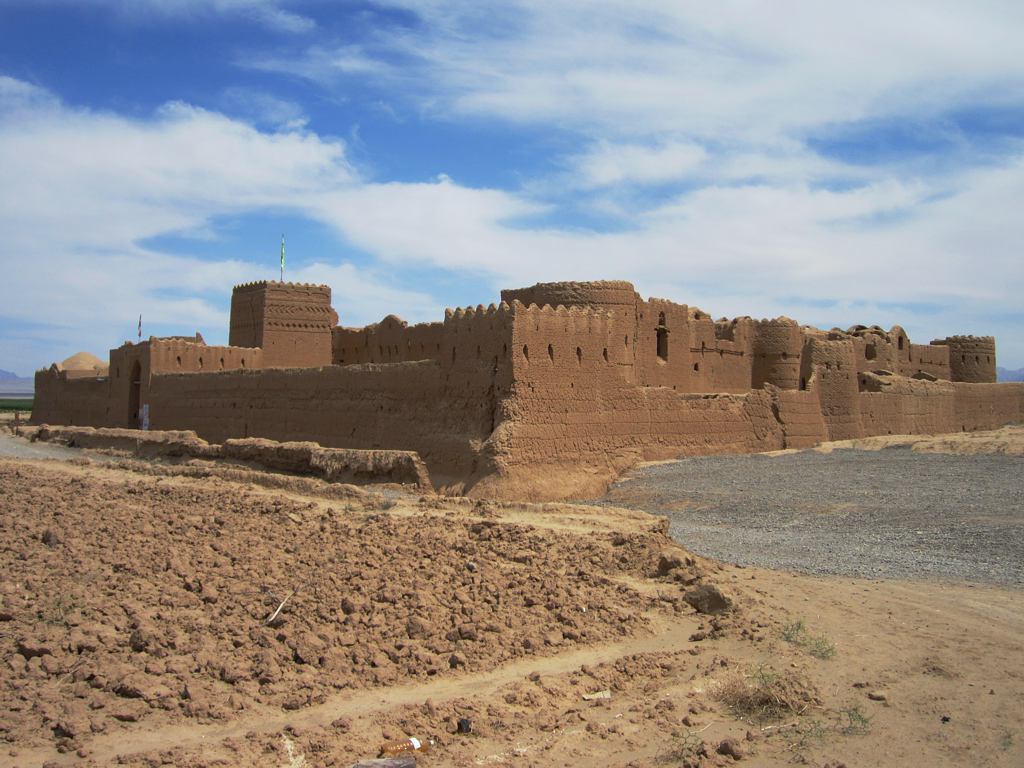
Khavidak castle (Persian: قلعه خویدک) is a significant historical fortress situated in Yazd County within Yazd Province, Iran. This hill castle is notable for its origins dating back to the Sasanian Empire, which ruled from 224 to 651 CE, marking it as an important relic of early medieval Persian military architecture. The castle's strategic position on elevated terrain exemplifies the defensive priorities of its era, offering commanding views over the surrounding landscape to detect and repel invaders.
Historical context and significance
The Sasanian Empire was known for its extensive fortification projects, reflecting the need to protect vital trade routes and settlements from external threats such as Roman, Byzantine, and later Arab forces. Khavidak castle served as part of this defensive network in the central Iranian plateau, an area characterized by harsh desert climates and important caravan pathways. The castle's enduring presence provides insight into the military and administrative strategies employed by the Sasanians to maintain control over their territories.
Architectural features and construction
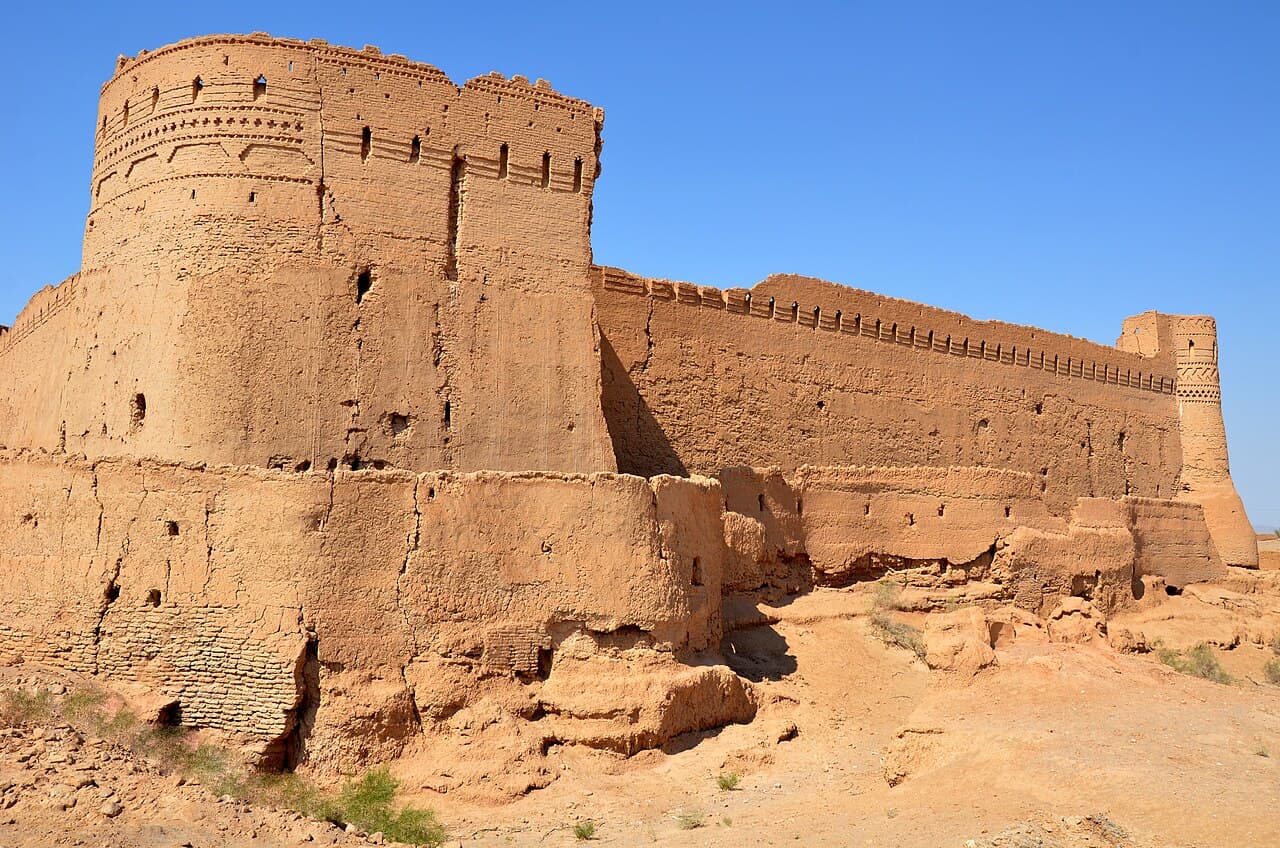
Constructed primarily from local stone and adobe, Khavidak castle showcases typical Sasanian construction techniques adapted to the arid environment of Yazd Province. The fortress was built on a natural hill, enhancing its defensive capabilities by utilizing the elevation to create strong vantage points. Thick walls, likely reinforced with mud-brick and stone, formed the perimeter, designed to withstand sieges and the region's climatic challenges.
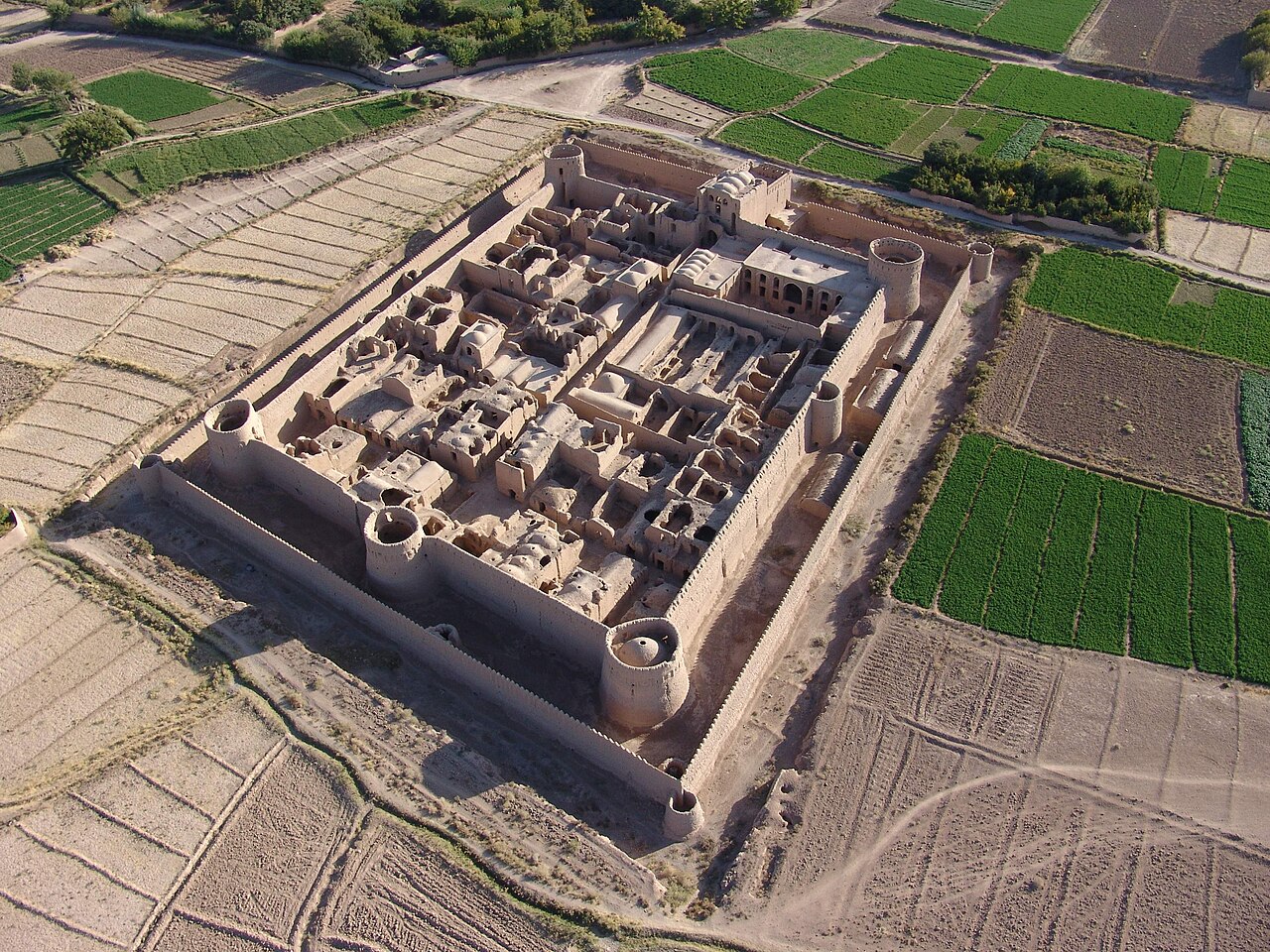
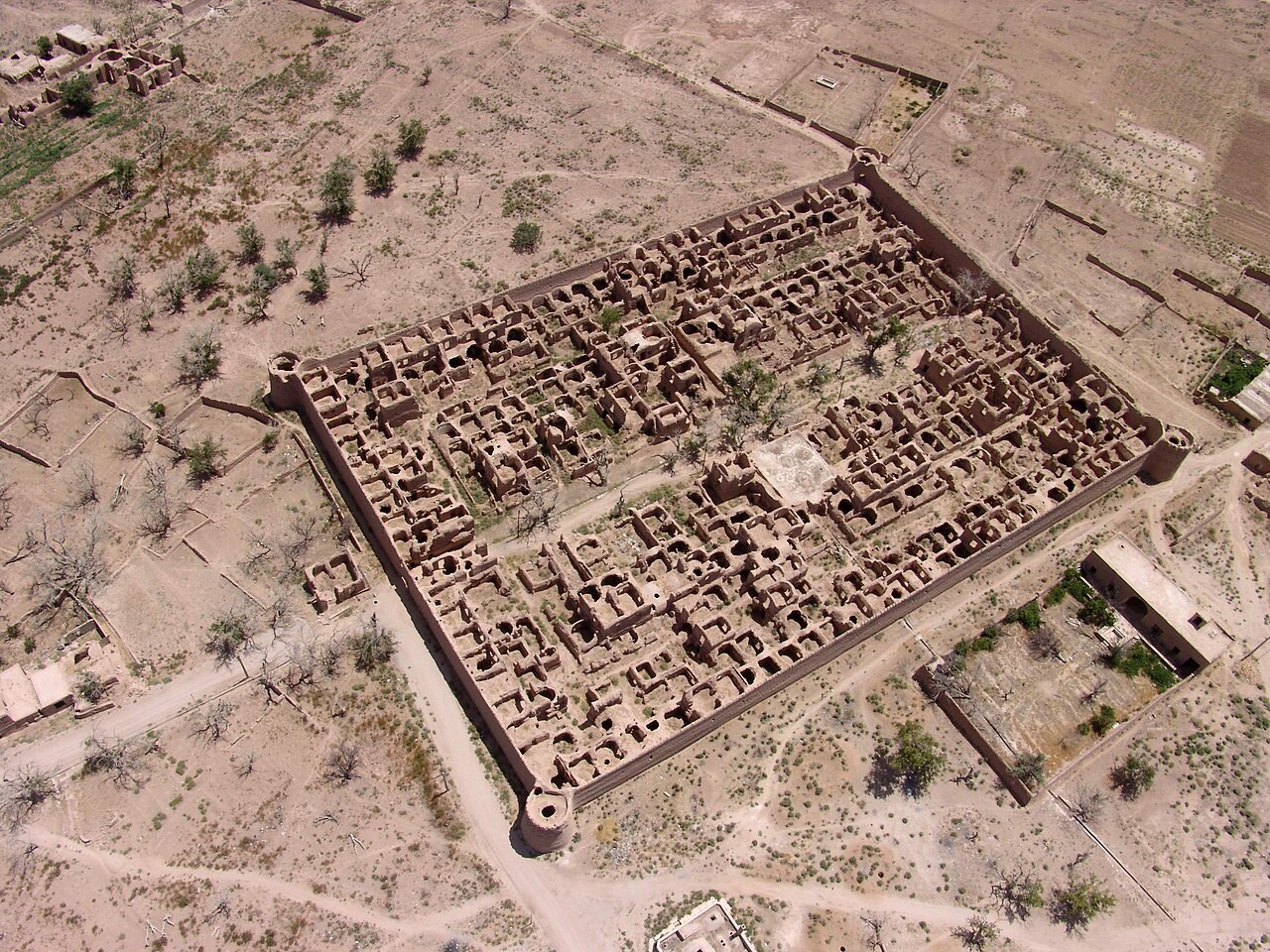
The castle's layout would have included defensive towers positioned to cover all approaches, as well as gates fortified to control access. While detailed plans of the castle's internal structures are limited, it is probable that it contained residential quarters, storage rooms for provisions and weapons, and possibly a central courtyard for troop assembly and daily activities.
Adaptations to environment
Given the desert setting, the castle's builders likely incorporated water management systems such as cisterns or qanats to ensure a reliable water supply during sieges. The thick walls would have also provided insulation against the extreme temperatures experienced in the region.
Preservation and current condition
Today, Khavidak castle remains a partially preserved ruin, with some sections of its walls and towers still standing, offering valuable archaeological insights. The site has attracted interest for its cultural heritage, reflecting the architectural ingenuity of the Sasanian period. Conservation efforts aim to protect the remaining structures from further deterioration caused by natural erosion and human activity.
Visiting Khavidak castle
While not as widely known as other Iranian castles, Khavidak offers visitors a glimpse into ancient Persian fortification methods and the historical landscape of Yazd Province. The castle's remote location and rugged terrain provide a compelling experience for those interested in history, archaeology, and traditional military architecture.
Access and tourism
Visitors should plan for limited facilities at the site, as it is primarily an archaeological ruin. The best time to visit is during the cooler months of spring and autumn to avoid the intense desert heat. Local guides may be available to provide historical context and assist with navigation around the site.
Khavidak castle in the context of Iranian fortresses
Khavidak castle is part of a broader network of ancient fortifications across Iran, many of which date back to the Sasanian and earlier periods. These castles collectively illustrate the evolution of military architecture in response to geopolitical pressures and environmental conditions. Khavidak's hilltop position exemplifies the strategic use of terrain common to hill castles throughout Iranian history.
Overall, Khavidak castle stands as an important archaeological and historical site that enriches our understanding of early medieval Persian defensive architecture and the legacy of the Sasanian Empire in central Iran.
Frequently asked questions (FAQ)
- When was Khavidak castle built?
- Khavidak castle dates back to the Sasanian Empire period, which lasted from 224 to 651 CE, making it an early medieval fortress.
- What type of castle is Khavidak?
- Khavidak castle is classified as a hill castle, built on elevated terrain to maximize defensive advantages.
- Is Khavidak castle open to visitors?
- Khavidak castle is accessible to visitors, though it is primarily an archaeological ruin with limited facilities on site.
- What architectural features does Khavidak castle have?
- The castle features thick stone and adobe walls, defensive towers, fortified gates, and likely included water management systems such as cisterns or qanats.
- What is the best time to visit Khavidak castle?
- The best time to visit is during the cooler months of spring and autumn to avoid the harsh desert heat of Yazd Province.
Photo gallery

Information
Loading map...
Visitor reviews
No reviews yet. Been here? Write the first review and help other travelers!
Write the first reviewVisited this castle? Share your experience
Your review helps other travelers and adds first-hand knowledge to our encyclopedia.