Nakło n/Notecią
Nakło n/Notecią Castle stands as a significant historical site in Poland, embodying the strategic military architecture of the late medieval period. Situated on a hill overlooking the Noteć River, this castle was integral in controlling one of the few river fords that served as natural defensive lines protecting the boundaries of the Greater Poland region. The importance of the Noteć River as a defensive barrier dates back to the early medieval era, with fortified settlements guarding the limited crossing points.
The original fortification at Nakło was a robust wooden and earthwork stronghold, reflecting typical defensive strategies of the time. However, this early fortress met its demise during the Teutonic Knights' invasion of 1331, which devastated many Polish border defenses. Following this destruction, King Casimir III the Great initiated a significant reconstruction effort in the mid-14th century. He founded a new town on the site and surrounded it with defensive walls, incorporating a newly built Gothic castle into the urban fortifications.
Architectural features and layout
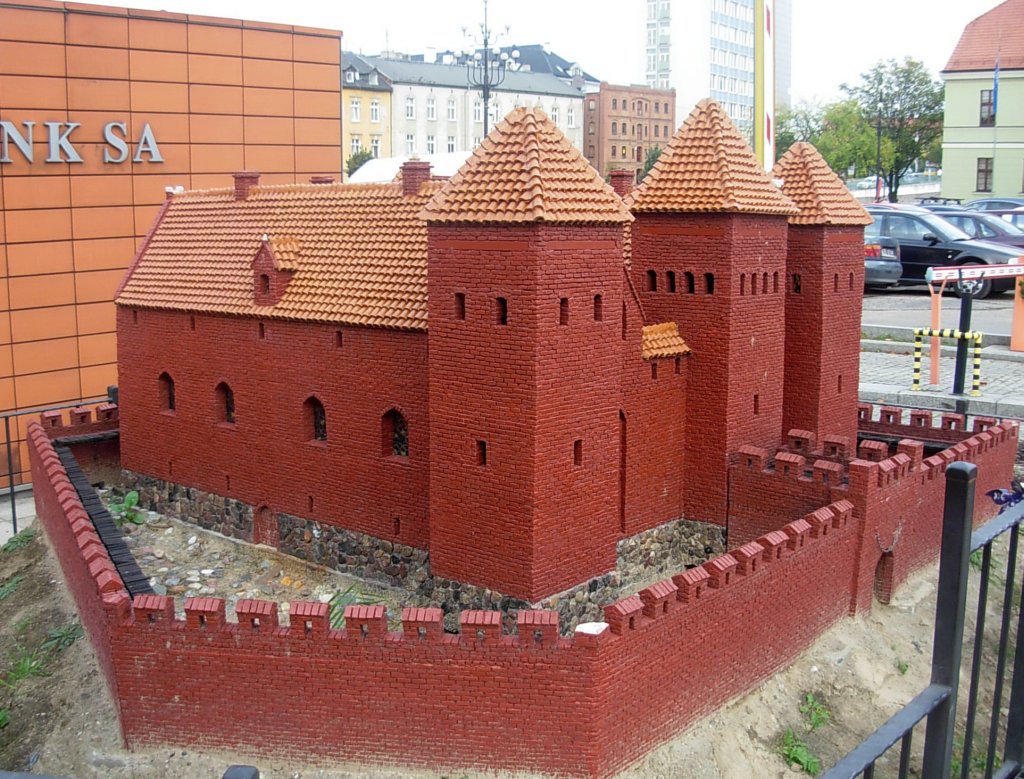
The castle at Nakło was designed as a hill castle with a clear separation from the town defenses. It was surrounded by a moat, which underscored its distinct role as a last line of defense even if the town itself fell to an enemy. Although no detailed plans or visual records of the castle have survived, historical accounts suggest it was a typical lowland castle of regular layout, primarily constructed of brick, a common material in Gothic architecture of the region.
The main structure was a masonry residential building, likely serving as the lord's house or keep, complemented by wooden outbuildings. Later inspections mention the presence of a tower, which would have been a key defensive and lookout point. The castle's architecture reflected the Gothic style prevalent in 14th-century Poland, characterized by brick construction and fortification elements adapted for flat terrain.
Historical significance and military role
The primary function of Nakło Castle was to protect the strategic ford over the Noteć River. This crossing was vital during the frequent conflicts between Poland and the Teutonic Order, especially during the Polish-Teutonic War of 1409-1411. The castle served as a military stronghold ensuring control over river traffic and regional security.
Over subsequent centuries, the castle's military importance diminished. By the 17th century, during the Polish-Swedish wars, it was still used to defend the river crossing, but by then it was largely in ruins. The repeated invasions and military campaigns in the early 18th century further contributed to its decline. By the late 18th century, the castle was completely dismantled, as evidenced by a 1784 town plan showing the castle hill without any remaining structures.
Present condition and legacy
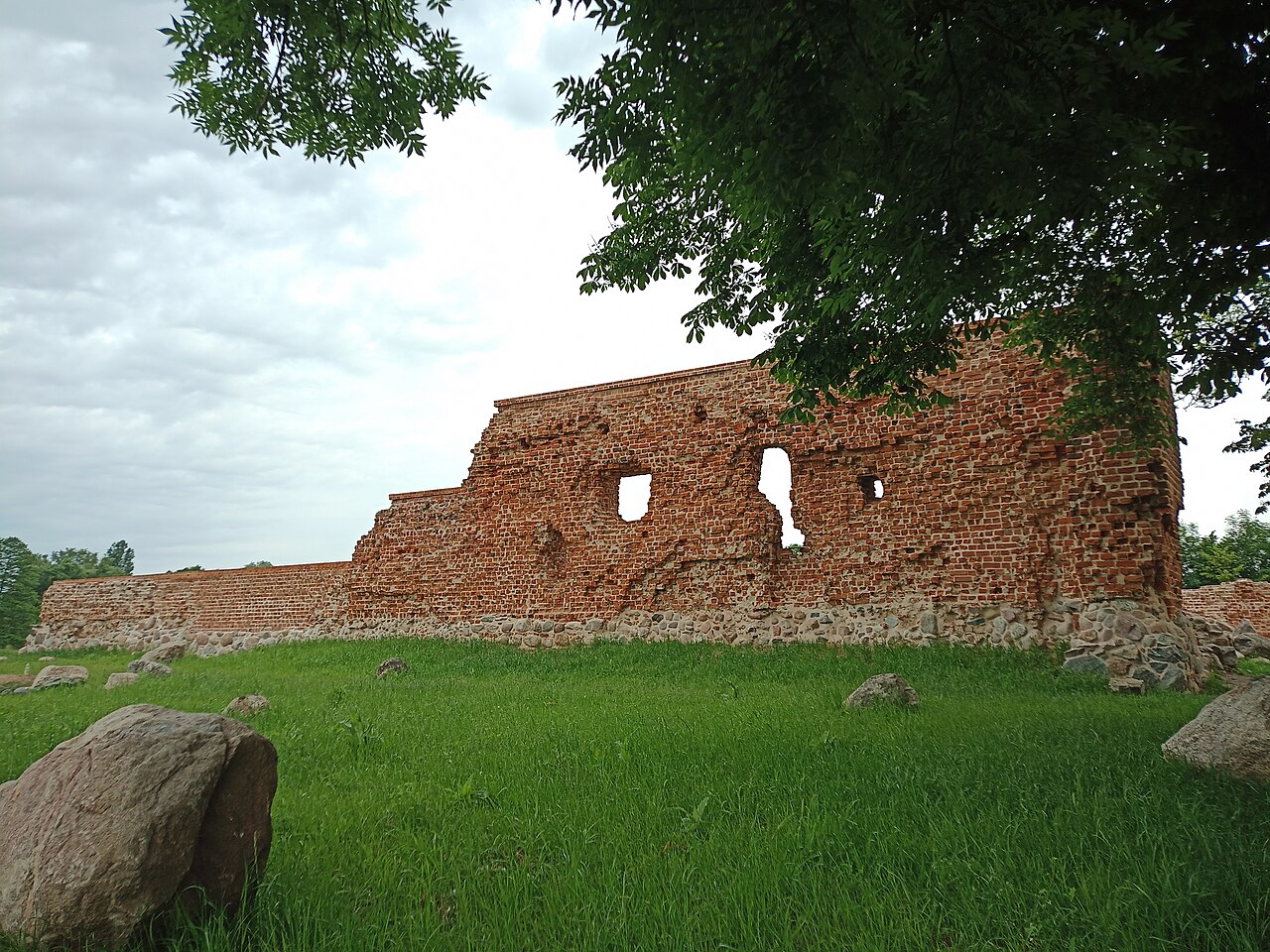
Today, Nakło n/Notecią Castle exists only as ruins, with no visible remnants of the original 14th-century Gothic fortress. The site is marked by a public square named Zamkowy Square, which commemorates the castle's historical presence. Despite the lack of physical structures, the castle's legacy endures through its role in regional defense and urban development initiated by King Casimir III.
Archaeological and cultural importance
Although no extensive archaeological excavations have revealed detailed information about the castle's layout, the site remains a valuable cultural landmark. It illustrates the evolution of medieval fortifications in Poland and the strategic use of natural features like rivers in defense planning. The castle's history is intertwined with the broader narrative of Polish-Teutonic conflicts and the development of fortified towns in Greater Poland.
Visiting nakło n/notecią castle site
Visitors to Nakło can explore the castle hill area and Zamkowy Square, gaining insight into the medieval history of the region. While the castle itself is no longer standing, the site offers a tangible connection to Poland's medieval past and the military architecture that once dominated the landscape. Nearby attractions include the historic town center of Nakło and the scenic Noteć River, providing a comprehensive cultural experience.
Frequently asked questions (FAQ)
- What is the historical significance of Nakło n/Notecią Castle?
- Nakło n/Notecią Castle, dating back to the 13th century, played a crucial role in the region's defense and governance. The castle has witnessed various historical events, including conflicts and political changes, making it a significant landmark in Polish history.
- When was Nakło n/Notecią Castle built?
- The construction of Nakło n/Notecią Castle began in the 13th century, with various modifications and expansions made over the centuries. Its architecture reflects the styles and defensive needs of the periods in which it was renovated.
- Can I visit Nakło n/Notecią Castle?
- Yes, Nakło n/Notecią Castle is open to visitors who wish to explore its rich history and architecture. Guided tours are available, providing insights into the castle's past and its role in the region.
- What are the opening hours for Nakło n/Notecią Castle?
- The castle is generally open from 9 AM to 5 PM during the weekdays and has extended hours on weekends. It's advisable to check the official website or contact the castle administration for any seasonal changes to the schedule.
- Is it possible to access Nakło n/Notecią Castle with public transportation?
- Yes, Nakło n/Notecią Castle is accessible by public transportation, with local buses and trains connecting to the town. Once in Nakło nad Notecią, the castle is within walking distance from the main transport hubs.
- What is the best time to visit Nakło n/Notecią Castle?
- The best time to visit is during the late spring and early autumn months when the weather is pleasant, and the surrounding gardens are in bloom. This period also offers a variety of local events and festivals, enhancing the overall experience.
- Are there any nearby attractions to visit when at Nakło n/Notecią Castle?
- Yes, nearby attractions include the picturesque Notec River, local parks, and historic churches that complement the castle visit. Exploring the town of Nakło nad Notecią itself also offers charming shops and cafes to enjoy.
- What are the ticket prices for visiting Nakło n/Notecią Castle?
- Ticket prices for Nakło n/Notecią Castle are generally affordable, with discounts available for students, seniors, and families. It's best to check the official website for the most current pricing and any special events that may offer free entry.
Information
Current owner
Municipality
Loading map...
Visitor reviews
No reviews yet. Been here? Write the first review and help other travelers!
Write the first reviewVisited this castle? Share your experience
Your review helps other travelers and adds first-hand knowledge to our encyclopedia.