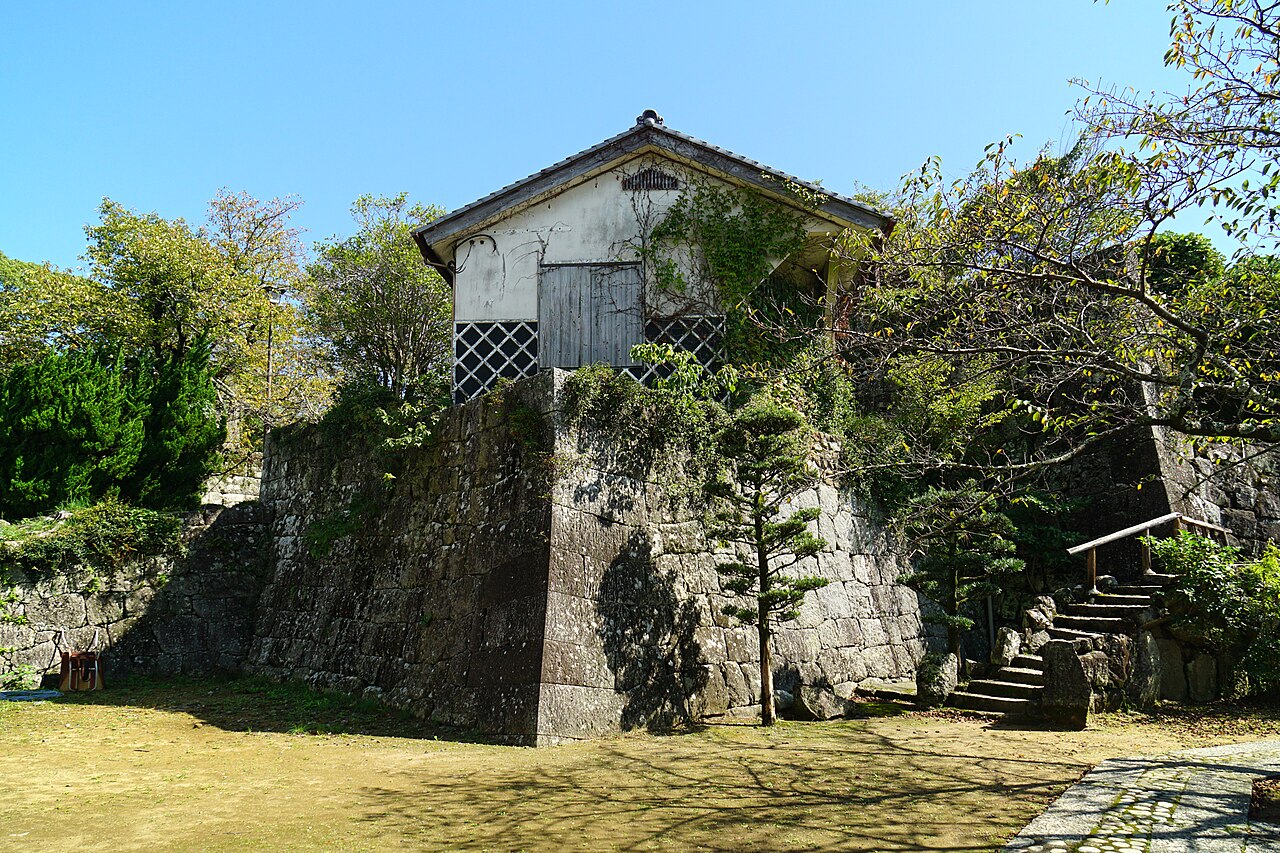
Nakamurayama Castle — Japan castle

Nakamurayama Castle

Nakamurayama Castle in Owase, Mie Prefecture, Japan
Owase, Japan
Archaeological Site

Nakamurayama Castle (中村山城, Nakamurayama-jō) is a historic hirayamashiro, a type of Japanese castle constructed on a hill, located in Owase, Mie Prefecture, Japan. This castle was originally built by Naka Sinhachirō, a feudal lord whose influence in the region was significant during the castle's active period.

Historical context and significance

The castle's establishment dates back to a period when regional lords fortified strategic points to control surrounding territories and protect their domains. Nakamurayama Castle was part of a network of hill castles that served both military and administrative functions in feudal Japan. Its location on elevated terrain provided a tactical advantage for surveillance and defense against invaders.

Architectural features and layout

As a hirayamashiro, Nakamurayama Castle was designed to integrate with the natural topography of the hill it occupied. The castle likely featured multiple baileys (courtyards), surrounded by defensive walls and earthworks adapted to the hillside contours. Typical of such castles, it would have included stone foundations supporting wooden structures, watchtowers for lookout, and fortified gates to control access.

The use of natural slopes for defense reduced the need for extensive artificial fortifications, making the castle both strategically efficient and harmonious with its environment. Defensive moats or dry ditches may have been present to enhance security further.

Construction and builder

Naka Sinhachirō, credited with building Nakamurayama Castle, was a local lord whose tenure and influence shaped the castle's development. While specific details about his life and the exact construction date remain limited, his role as the castle's founder indicates his importance in regional power dynamics during the castle's era.

Current condition and preservation

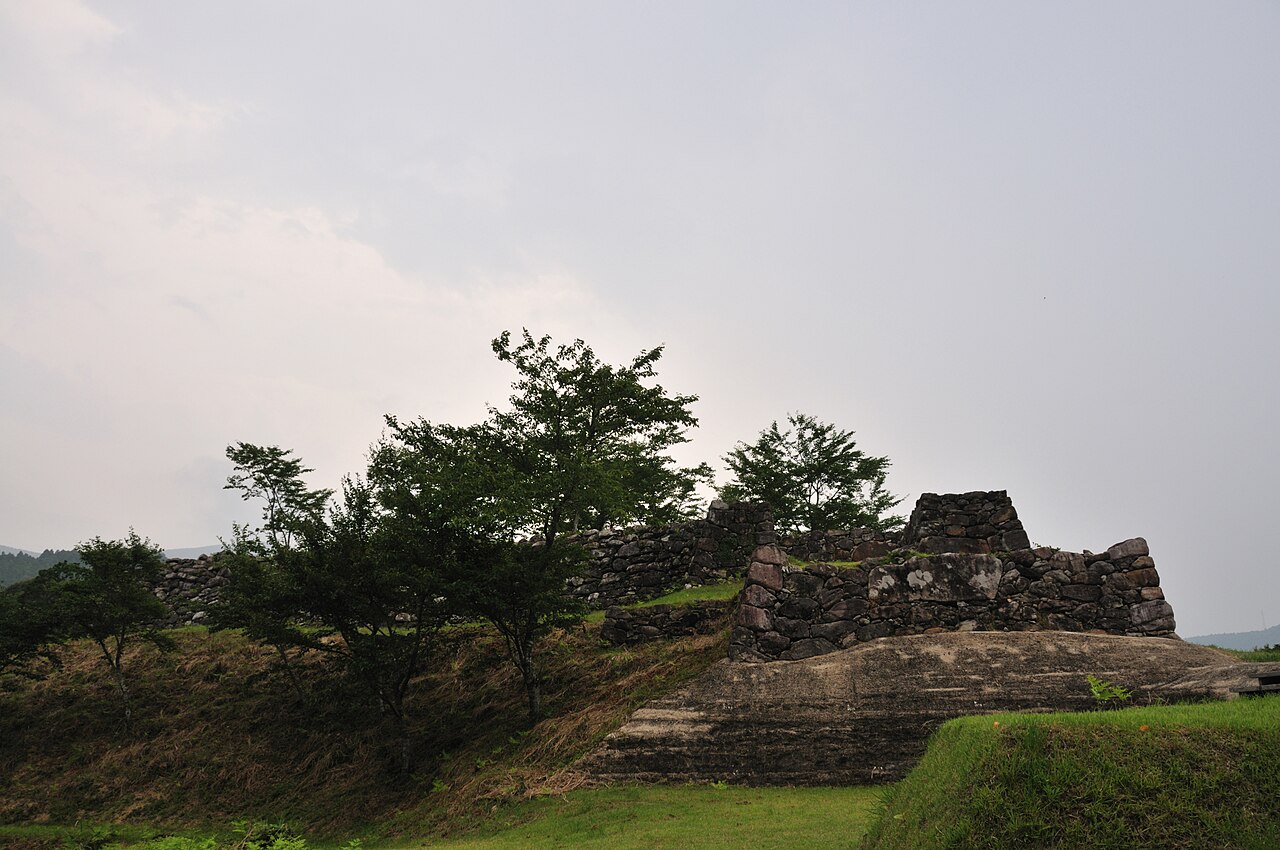
Today, Nakamurayama Castle stands as an archaeological site with remnants that provide insight into its original structure and layout. The castle is not fully preserved, and visitors can observe earthworks, foundation stones, and other traces that mark its historical footprint. Efforts to maintain the site help preserve its cultural heritage and offer educational opportunities about feudal Japanese fortifications.

Visiting Nakamurayama Castle

Visitors to the site can explore the remains of the castle grounds, enjoy panoramic views from the hilltop, and learn about the castle's historical role in the region. The location in Owase makes it accessible for those interested in Japanese history and castle architecture. While facilities may be limited due to the site's archaeological nature, the natural setting and historical significance make it a worthwhile destination.

Nearby attractions

The surrounding area of Mie Prefecture offers additional cultural and natural attractions, including traditional temples, scenic coastal views, and other historic sites that complement a visit to Nakamurayama Castle.

Frequently asked questions (FAQ)

How do I get to Nakamurayama Castle in Owase?
Nakamurayama Castle is located in Owase, Mie Prefecture. Visitors can reach Owase by train or car, then proceed to the castle site, which is accessible by local roads and hiking paths.
What remains can I see at Nakamurayama Castle?
The castle is an archaeological site where visitors can observe earthworks, foundation stones, and remnants of defensive structures that reveal its original layout.
Is Nakamurayama Castle suitable for families and casual visitors?
Yes, the site offers an educational experience suitable for families interested in Japanese history, though visitors should be prepared for walking on uneven terrain around the archaeological remains.
When is the best time to visit Nakamurayama Castle?
Spring and autumn are ideal times to visit Nakamurayama Castle, as the weather is mild and the surrounding landscape is particularly scenic during these seasons.
Are there guided tours available at Nakamurayama Castle?
Guided tours may not be regularly available due to the site's archaeological nature, but local tourist information centers in Owase can provide historical context and guidance for visitors.

Photo gallery

Nakamurayama Castle
Click to view

Photo by 上条ジョー•CC BY-SA 3.0

1 photo • Click any image to view in full screen

Information

Hill Castle

Architect

Naka Sinhachirō

Loading map...

Visitor reviews

No reviews yet. Been here? Write the first review and help other travelers!

Write the first review

Visited this castle? Share your experience

Your review helps other travelers and adds first-hand knowledge to our encyclopedia.
Write a review

(5/5)

0/2000 characters

Your review will be visible after admin approval

Nearby castles

29.6 km
Akagi Castle — Japan castle

Akagi Castle

Kumano, Japan

Akagi Castle (赤木城, Akagi-jō) is a notable example of a Sengoku period hirayama-style castle located in the Kiwa neighborhood of Kumano city, within Japan's Mie Prefecture. Constructed in the 16th century, this castle played a strategic role during a turbulent era marked by constant military conflicts and territorial disputes among feudal lords. Today, its remains stand as archaeological ruins protected under Japan's National Historic Site designation since 1989, offering valuable insights into castle construction and defense mechanisms of the period.Historical context of Akagi CastleThe Sengoku period (c. 1467–1600) was characterized by social upheaval, political intrigue, and near-constant military conflict. During this time, many castles were built across Japan to serve as military strongholds and administrative centers. Akagi Castle was constructed as a hirayama-style castle, which means it was built on a hill (yama) rising from a plain (hira), combining natural elevation with accessibility.Located in the Kiwa area of Kumano, the castle helped control important regional routes and served as a defensive position against rival clans. The castle's strategic position allowed its occupants to monitor and defend the surrounding territory effectively.Architectural features and layoutAs a hirayama-style castle, Akagi Castle utilized the natural topography of a hill to enhance its defenses. The castle likely featured multiple baileys (kuruwa) arranged along the slope, connected by gates and walls designed to impede enemy advances. Stone walls and earthen ramparts would have been integral to its fortifications, along with wooden structures such as watchtowers and living quarters.The castle's design balanced defensive needs with residential functions, including spaces for the lord's residence, administrative buildings, and storage facilities. Although much of the original structures have not survived, archaeological excavations have revealed foundation stones and remnants of defensive works that illuminate its layout.Preservation and archaeological significanceSince being designated a National Historic Site in 1989, Akagi Castle's ruins have been the focus of archaeological study and preservation efforts. The site provides valuable information about 16th-century Japanese castle construction techniques and the military architecture of the Sengoku period.Visitors to the site can explore the remains of stone walls, earthworks, and moats that once formed the castle's defenses. Interpretive signage and guided tours help contextualize the castle's historical importance and architectural features for the public.Akagi Castle in the cultural landscapeThough in ruins, Akagi Castle remains an important cultural landmark within Mie Prefecture. It reflects the region's feudal history and the broader narrative of Japan's warring states era. The castle's preservation as an archaeological site underscores Japan's commitment to maintaining its historical heritage.The surrounding landscape, including the natural hill and nearby forests, contributes to the site's atmosphere and helps visitors imagine the castle's original setting and strategic advantages.Visiting Akagi Castle ruinsWhile the castle structures no longer stand, the ruins offer a serene and educational experience for visitors interested in Japanese history and castle architecture. The site is accessible from Kumano city and provides walking paths through the remains, with opportunities to view the natural environment that once influenced the castle's design.Visitors should prepare for uneven terrain and bring appropriate footwear. The site is especially appealing during seasons when the surrounding nature enhances the historical ambiance, such as spring and autumn.

Renaissance (15th–17th c.)
Details
42.3 km
Shingū Castle — Japan castle

Shingū Castle

Shingū, Japan

Shingū Castle (新宮城, Shingū-jō) stands as a significant example of a Japanese hill castle located in the city of Shingū, within southern Wakayama Prefecture, Japan. Constructed in the 17th century during the early Edo period, this fortress was strategically positioned to oversee the surrounding landscape and protect the region. The castle is also historically known by the names Tankaku-jō (丹鶴城) and Okimi-jō (沖見城), reflecting its cultural heritage and local significance. Historical background and ownership At the close of the Edo period, Shingū Castle was the residence of a cadet branch of the Mizuno clan, who served as hereditary karō (senior retainers) of the Kishū Domain. The Mizuno clan played a crucial role in the administration and defense of the domain, which was one of the three major Tokugawa family domains. The castle's role extended beyond military functions to include governance and regional control. Architectural features and design As a hill castle, Shingū Castle was built atop elevated terrain, utilizing natural topography for defense. This type of castle typically features terraced baileys, stone walls, and wooden structures adapted to the hillside. Although much of the original castle has not survived intact, the remaining ruins reveal typical Edo-period defensive elements such as stone ramparts, remnants of moats, and foundations of main enclosures. The castle's layout was designed to maximize visibility and control over the surrounding area, especially important for monitoring approaches from land and sea. The elevated position also allowed for communication signals with nearby fortifications. Main structures and fortifications While the tenshu or main keep of Shingū Castle no longer stands, historical records indicate it was a modest multi-storied wooden structure typical of smaller regional castles of the Edo period. The castle complex included several gates, watchtowers, and earthen walls that complemented the stone foundations, providing layered defense. Preservation and cultural significance Today, Shingū Castle exists primarily as ruins, with some stone walls and earthworks visible to visitors. The site, along with the adjacent Mizuno clan cemetery, was designated a National Historic Site in 2003, recognizing its importance in Japanese feudal history and cultural heritage. The castle ruins serve as a cultural landmark within Wakayama Prefecture, attracting visitors interested in Japanese history, castle architecture, and the legacy of the Tokugawa shogunate's regional governance. Visiting Shingū Castle The castle grounds offer a scenic experience with walking paths that traverse the hillside ruins, providing views of the surrounding city and coastline. Interpretive signage helps visitors understand the castle's historical context and architectural features. The site is accessible year-round, with particular appeal during the cherry blossom season when the area is adorned with blooming sakura trees. Nearby attractions Visitors to Shingū Castle can also explore the nearby Shingū City Museum, which houses artifacts related to the castle and the Mizuno clan. The region is known for its natural beauty, including coastal landscapes and hiking opportunities, making it a destination for both cultural and outdoor activities.

Early Medieval (5th–10th c.)
Details
50.6 km
Kitabatake Clan Residence — Japan castle

Kitabatake Clan Residence

Tsu, Japan

Kitabatake clan residence, located in the Misugi neighborhood of Tsu city in Mie Prefecture, Japan, is a historic site closely associated with the Kitabatake family, prominent during Japan's turbulent medieval and early modern periods. The site is notable not only as a former hill castle but also for its connection to the Kitabatake Shrine (北畠神社, Kitabatake Jinja), a Shinto shrine dedicated to the deified spirits of the Kitabatake clan, including the imperial loyalist Kitabatake Akiyoshi. The castle itself was strategically situated on elevated terrain, characteristic of hill castles (yamajiro), which utilized natural topography for defense. While detailed architectural records of the castle's original structure are scarce, it is understood that the residence served as a fortified home and administrative center for the clan. The site reflects the military and political significance of the Kitabatake family during the Muromachi period and into the early Edo period. Historical context and clan significance The Kitabatake clan played a crucial role in the Nanboku-chō period (1336–1392), a time marked by conflict between the Northern and Southern Courts of Japan. The clan was staunchly loyal to the Southern Court and the imperial cause, with Kitabatake Akiyoshi being a prominent military leader and court noble who defended imperial interests. Their residence and later the shrine commemorate this loyalty and the clan's influence in the region. Following the unification of Japan under the Tokugawa shogunate, the castle's military role diminished, and the site transitioned towards religious and cultural significance, culminating in the establishment of the Kitabatake Shrine. The shrine is one of the Fifteen Shrines of the Kenmu Restoration, a group of shrines honoring figures connected to the Kenmu Restoration, an effort to restore imperial rule in the 14th century. Architectural features and site layout As a hill castle, the Kitabatake residence would have featured typical defensive elements such as earthen ramparts, wooden palisades, and possibly stone foundations adapted to the mountainous terrain. The castle's design likely emphasized natural barriers, with steep slopes and wooded areas serving as protection against invaders. The current shrine complex occupies part of the original castle grounds, incorporating traditional Shinto architectural elements such as torii gates, main halls (honden), and auxiliary buildings. The shrine's annual festival on October 13 draws visitors who come to honor the clan's legacy and the spirit of Kitabatake Akiyoshi. Cultural and religious importance The Kitabatake Shrine serves as a religious center preserving the memory of the clan's dedication to the imperial cause. It is a place of worship and cultural heritage, reflecting the syncretism of Japanese history, religion, and politics. The shrine's status as one of the Fifteen Shrines of the Kenmu Restoration highlights its importance in commemorating a pivotal era in Japan's imperial history. The site is also a destination for those interested in Japanese medieval history, Shinto practices, and the legacy of samurai clans. Its location in Tsu city makes it accessible for visitors exploring the cultural landscape of Mie Prefecture. Visiting information and preservation Today, the Kitabatake clan residence site and shrine are well preserved as a cultural landmark. While the original castle structures no longer stand intact, the shrine maintains the historical spirit of the location. Visitors can explore the shrine grounds and learn about the clan's history through informational displays and local guides. The site is open year-round, with the main festival in October providing a particularly vibrant experience. Accessibility is facilitated by its position within Tsu city, and visitors are encouraged to respect the sacred nature of the shrine during their visit.

Renaissance (15th–17th c.)
Details