Akagi Castle
Akagi Castle (赤木城, Akagi-jō) is a notable example of a Sengoku period hirayama-style castle located in the Kiwa neighborhood of Kumano city, within Japan's Mie Prefecture. Constructed in the 16th century, this castle played a strategic role during a turbulent era marked by constant military conflicts and territorial disputes among feudal lords. Today, its remains stand as archaeological ruins protected under Japan's National Historic Site designation since 1989, offering valuable insights into castle construction and defense mechanisms of the period.
Historical context of Akagi Castle
The Sengoku period (c. 1467–1600) was characterized by social upheaval, political intrigue, and near-constant military conflict. During this time, many castles were built across Japan to serve as military strongholds and administrative centers. Akagi Castle was constructed as a hirayama-style castle, which means it was built on a hill (yama) rising from a plain (hira), combining natural elevation with accessibility.
Located in the Kiwa area of Kumano, the castle helped control important regional routes and served as a defensive position against rival clans. The castle's strategic position allowed its occupants to monitor and defend the surrounding territory effectively.
Architectural features and layout
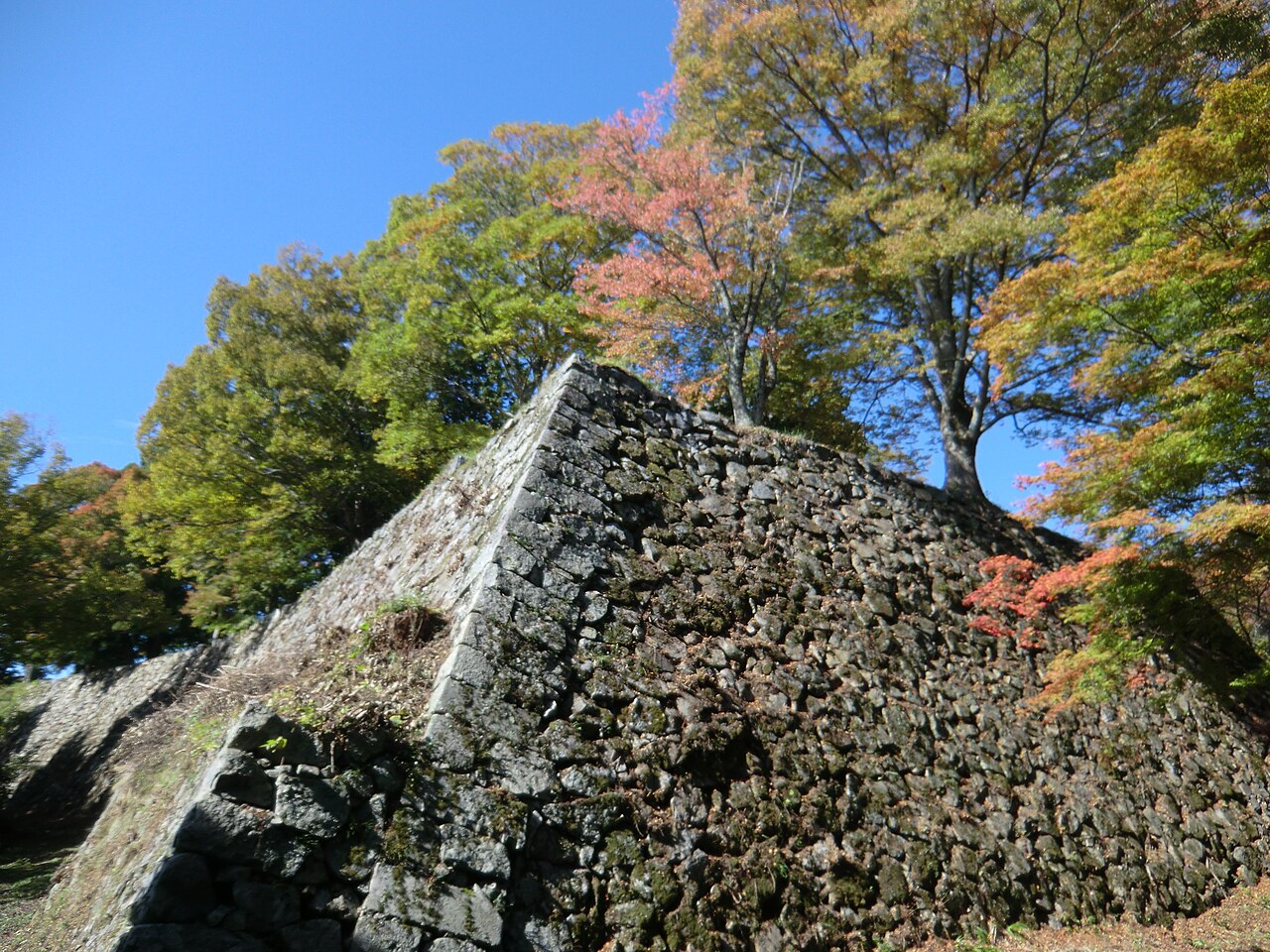
As a hirayama-style castle, Akagi Castle utilized the natural topography of a hill to enhance its defenses. The castle likely featured multiple baileys (kuruwa) arranged along the slope, connected by gates and walls designed to impede enemy advances. Stone walls and earthen ramparts would have been integral to its fortifications, along with wooden structures such as watchtowers and living quarters.
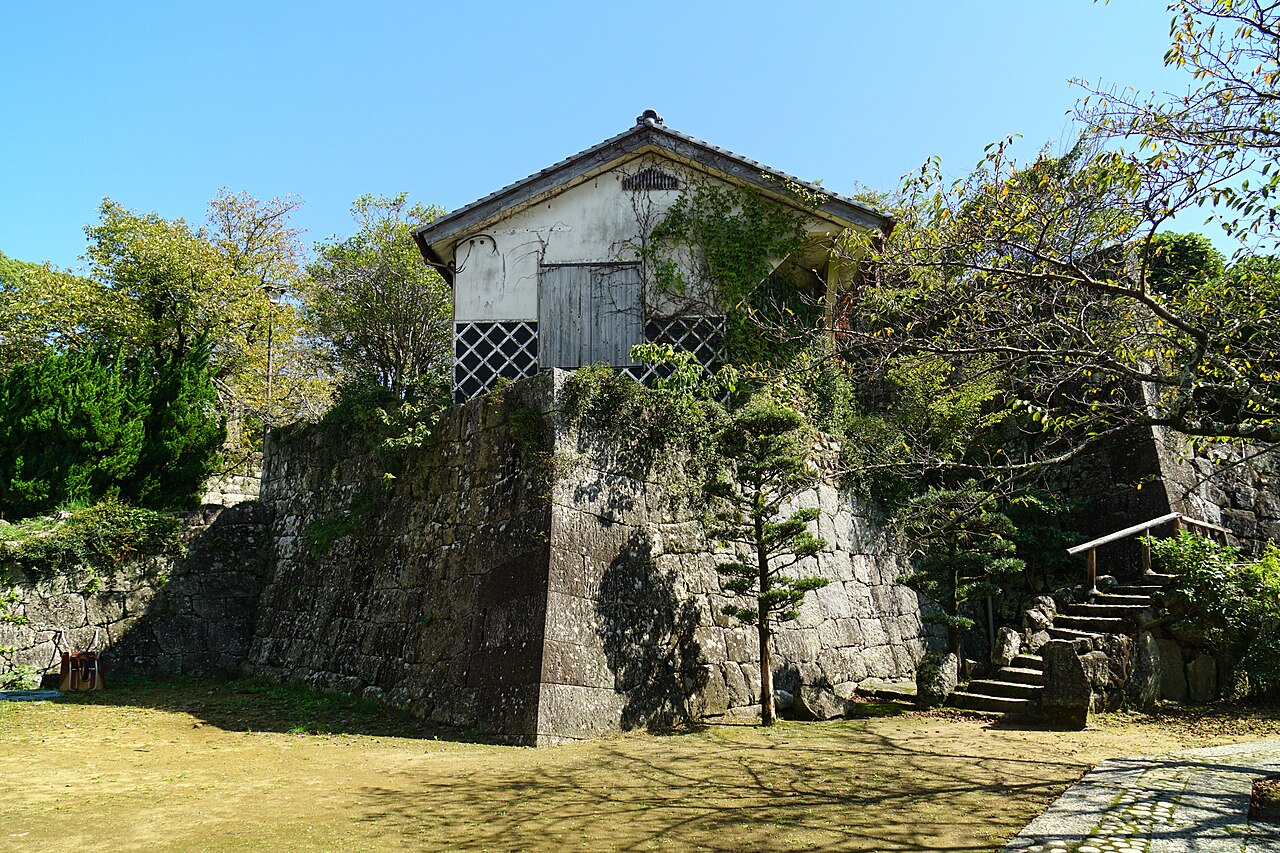
The castle's design balanced defensive needs with residential functions, including spaces for the lord's residence, administrative buildings, and storage facilities. Although much of the original structures have not survived, archaeological excavations have revealed foundation stones and remnants of defensive works that illuminate its layout.
Preservation and archaeological significance
Since being designated a National Historic Site in 1989, Akagi Castle's ruins have been the focus of archaeological study and preservation efforts. The site provides valuable information about 16th-century Japanese castle construction techniques and the military architecture of the Sengoku period.
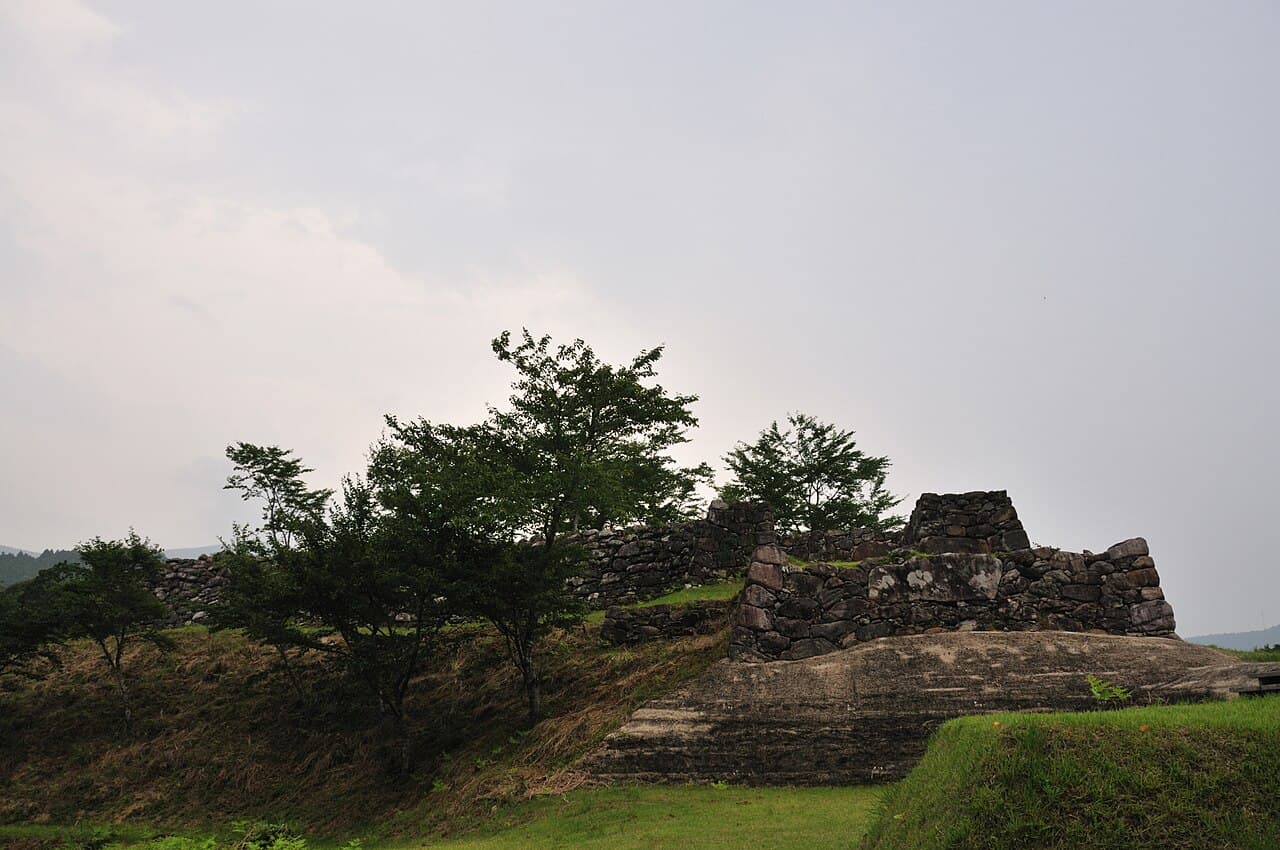
Visitors to the site can explore the remains of stone walls, earthworks, and moats that once formed the castle's defenses. Interpretive signage and guided tours help contextualize the castle's historical importance and architectural features for the public.
Akagi Castle in the cultural landscape
Though in ruins, Akagi Castle remains an important cultural landmark within Mie Prefecture. It reflects the region's feudal history and the broader narrative of Japan's warring states era. The castle's preservation as an archaeological site underscores Japan's commitment to maintaining its historical heritage.
The surrounding landscape, including the natural hill and nearby forests, contributes to the site's atmosphere and helps visitors imagine the castle's original setting and strategic advantages.
Visiting Akagi Castle ruins
While the castle structures no longer stand, the ruins offer a serene and educational experience for visitors interested in Japanese history and castle architecture. The site is accessible from Kumano city and provides walking paths through the remains, with opportunities to view the natural environment that once influenced the castle's design.
Visitors should prepare for uneven terrain and bring appropriate footwear. The site is especially appealing during seasons when the surrounding nature enhances the historical ambiance, such as spring and autumn.
Frequently asked questions (FAQ)
- When was Akagi Castle built and what style is it?
- Akagi Castle was built in the 16th century during the Sengoku period and is a hirayama-style castle, meaning it was constructed on a hill rising from a plain.
- What can visitors see at the Akagi Castle ruins?
- Visitors can explore the remains of stone walls, earthworks, and moats, which reveal the castle's defensive layout and construction techniques from the 16th century.
- Is Akagi Castle accessible to the public?
- Yes, the ruins of Akagi Castle are open to the public as a National Historic Site, with walking paths and interpretive signage to guide visitors through the site.
- Why is Akagi Castle historically significant?
- Akagi Castle represents the military architecture of the Sengoku period and provides insights into the strategic use of terrain in Japanese castle construction during the 16th century.
- What should visitors know before visiting Akagi Castle?
- Visitors should wear suitable footwear due to uneven terrain and be prepared for outdoor conditions. The site is best visited during spring and autumn when the natural surroundings enhance the experience.
Photo gallery

Information
Current owner
National Historic Site
Loading map...
Visitor reviews
No reviews yet. Been here? Write the first review and help other travelers!
Write the first reviewVisited this castle? Share your experience
Your review helps other travelers and adds first-hand knowledge to our encyclopedia.