Shingū Castle
Shingū Castle (新宮城, Shingū-jō) stands as a significant example of a Japanese hill castle located in the city of Shingū, within southern Wakayama Prefecture, Japan. Constructed in the 17th century during the early Edo period, this fortress was strategically positioned to oversee the surrounding landscape and protect the region. The castle is also historically known by the names Tankaku-jō (丹鶴城) and Okimi-jō (沖見城), reflecting its cultural heritage and local significance.
Historical background and ownership
At the close of the Edo period, Shingū Castle was the residence of a cadet branch of the Mizuno clan, who served as hereditary karō (senior retainers) of the Kishū Domain. The Mizuno clan played a crucial role in the administration and defense of the domain, which was one of the three major Tokugawa family domains. The castle's role extended beyond military functions to include governance and regional control.
Architectural features and design
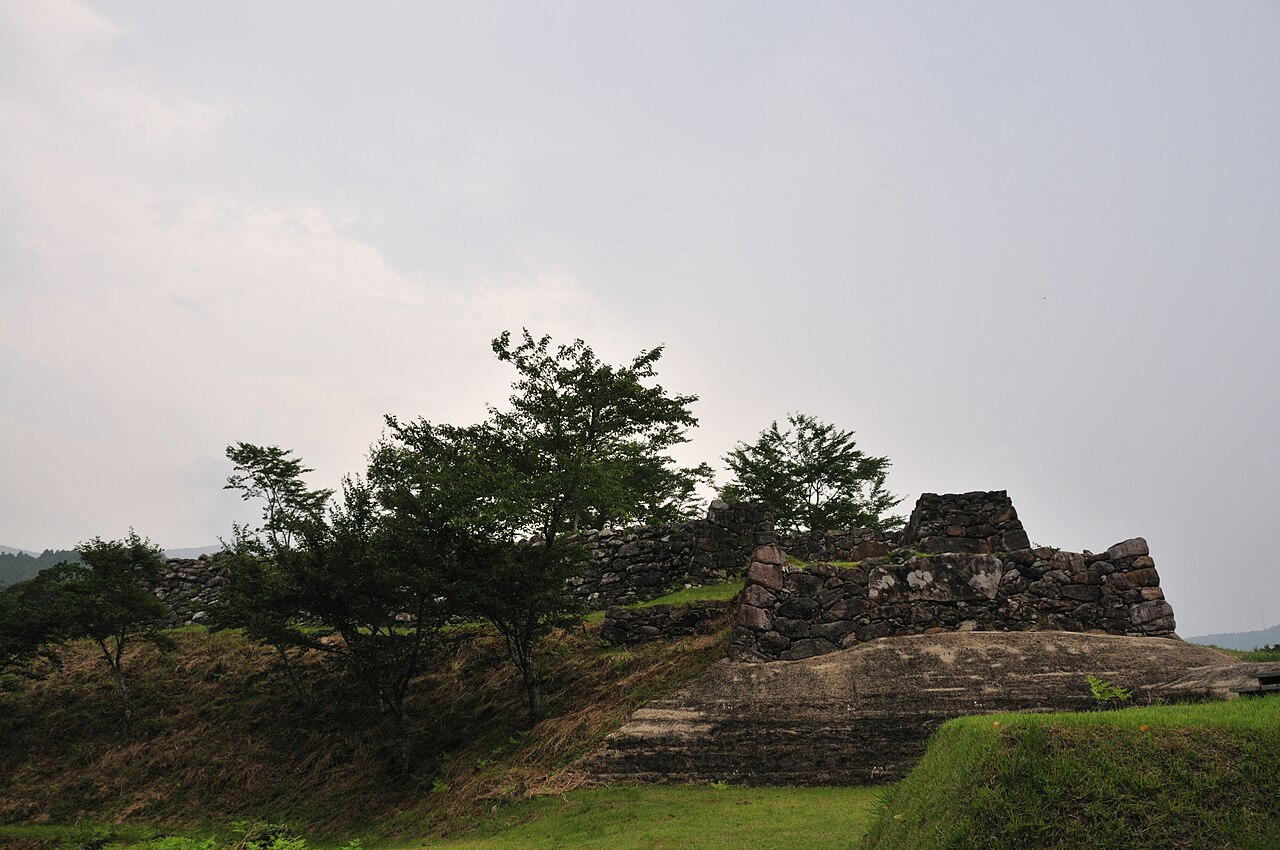
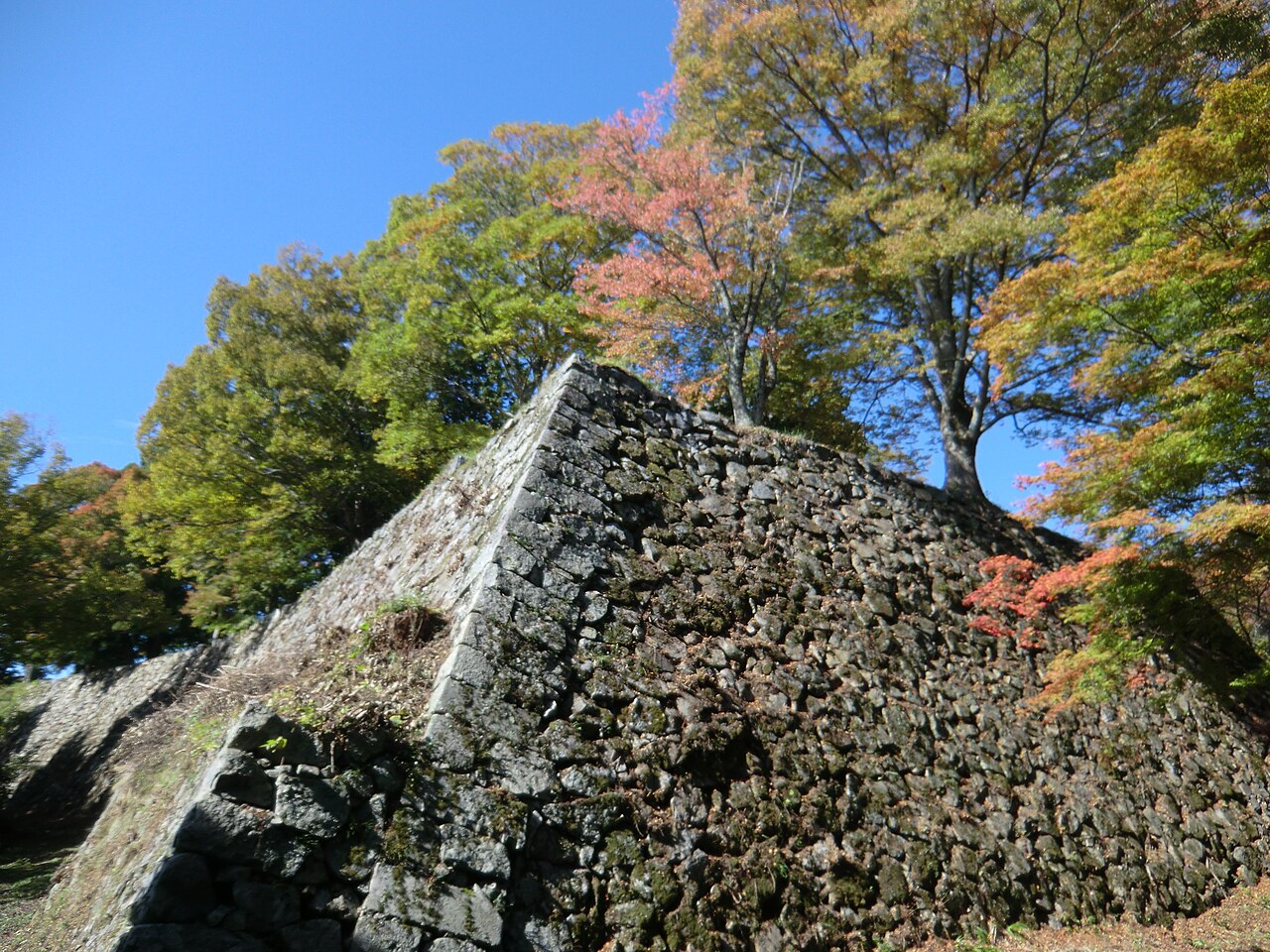
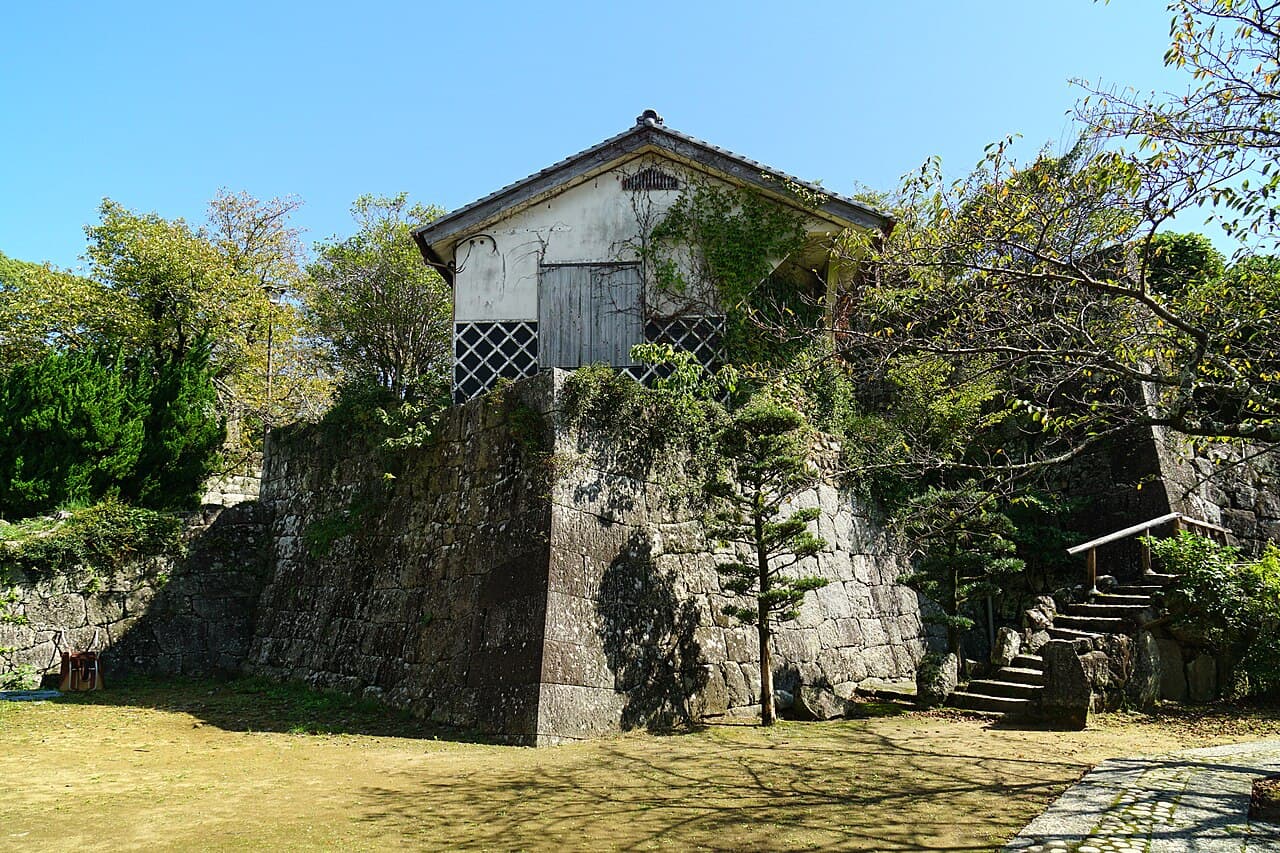
As a hill castle, Shingū Castle was built atop elevated terrain, utilizing natural topography for defense. This type of castle typically features terraced baileys, stone walls, and wooden structures adapted to the hillside. Although much of the original castle has not survived intact, the remaining ruins reveal typical Edo-period defensive elements such as stone ramparts, remnants of moats, and foundations of main enclosures.
The castle's layout was designed to maximize visibility and control over the surrounding area, especially important for monitoring approaches from land and sea. The elevated position also allowed for communication signals with nearby fortifications.
Main structures and fortifications
While the tenshu or main keep of Shingū Castle no longer stands, historical records indicate it was a modest multi-storied wooden structure typical of smaller regional castles of the Edo period. The castle complex included several gates, watchtowers, and earthen walls that complemented the stone foundations, providing layered defense.
Preservation and cultural significance
Today, Shingū Castle exists primarily as ruins, with some stone walls and earthworks visible to visitors. The site, along with the adjacent Mizuno clan cemetery, was designated a National Historic Site in 2003, recognizing its importance in Japanese feudal history and cultural heritage.
The castle ruins serve as a cultural landmark within Wakayama Prefecture, attracting visitors interested in Japanese history, castle architecture, and the legacy of the Tokugawa shogunate's regional governance.
Visiting Shingū Castle
The castle grounds offer a scenic experience with walking paths that traverse the hillside ruins, providing views of the surrounding city and coastline. Interpretive signage helps visitors understand the castle's historical context and architectural features. The site is accessible year-round, with particular appeal during the cherry blossom season when the area is adorned with blooming sakura trees.
Nearby attractions
Visitors to Shingū Castle can also explore the nearby Shingū City Museum, which houses artifacts related to the castle and the Mizuno clan. The region is known for its natural beauty, including coastal landscapes and hiking opportunities, making it a destination for both cultural and outdoor activities.
Frequently asked questions (FAQ)
- When was Shingū Castle built?
- Shingū Castle was constructed in the 17th century during the early Edo period, reflecting typical castle architecture of that era.
- What is the historical significance of Shingū Castle?
- Shingū Castle was home to a cadet branch of the Mizuno clan, hereditary karō of Kishū Domain, playing a key role in regional governance and defense.
- Can visitors explore the ruins of Shingū Castle?
- Yes, the castle ruins are accessible year-round, featuring stone walls and earthworks, with walking paths and interpretive signage for visitors.
- What other names is Shingū Castle known by?
- The castle is also called Tankaku-jō and Okimi-jō, reflecting its local historical names.
- Are there any nearby attractions to visit along with Shingū Castle?
- Nearby attractions include the Shingū City Museum and scenic coastal areas ideal for hiking and sightseeing.
Photo gallery

Information
Loading map...
Visitor reviews
No reviews yet. Been here? Write the first review and help other travelers!
Write the first reviewVisited this castle? Share your experience
Your review helps other travelers and adds first-hand knowledge to our encyclopedia.