Kitabatake Clan Residence
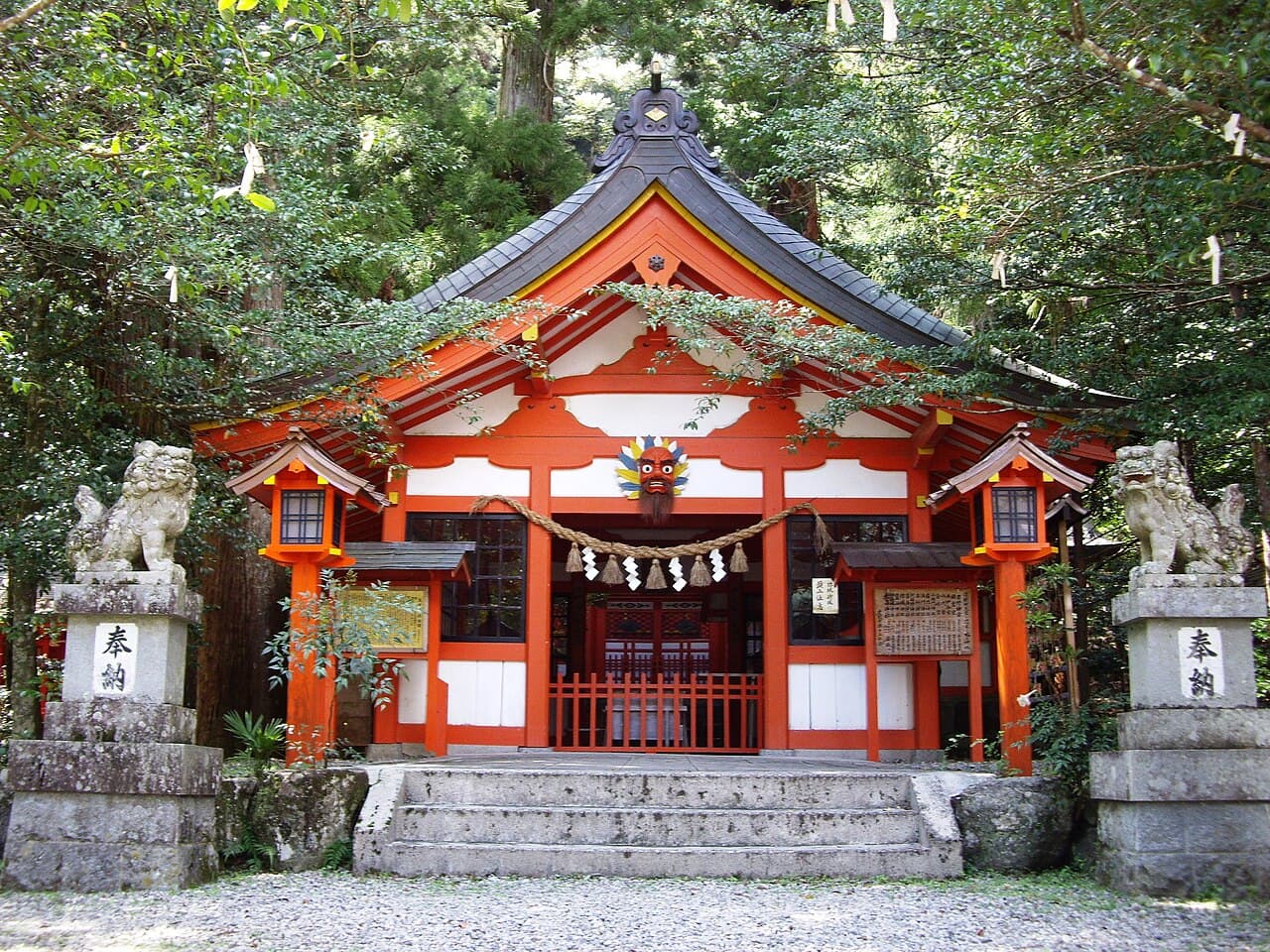
Kitabatake clan residence, located in the Misugi neighborhood of Tsu city in Mie Prefecture, Japan, is a historic site closely associated with the Kitabatake family, prominent during Japan's turbulent medieval and early modern periods. The site is notable not only as a former hill castle but also for its connection to the Kitabatake Shrine (北畠神社, Kitabatake Jinja), a Shinto shrine dedicated to the deified spirits of the Kitabatake clan, including the imperial loyalist Kitabatake Akiyoshi.
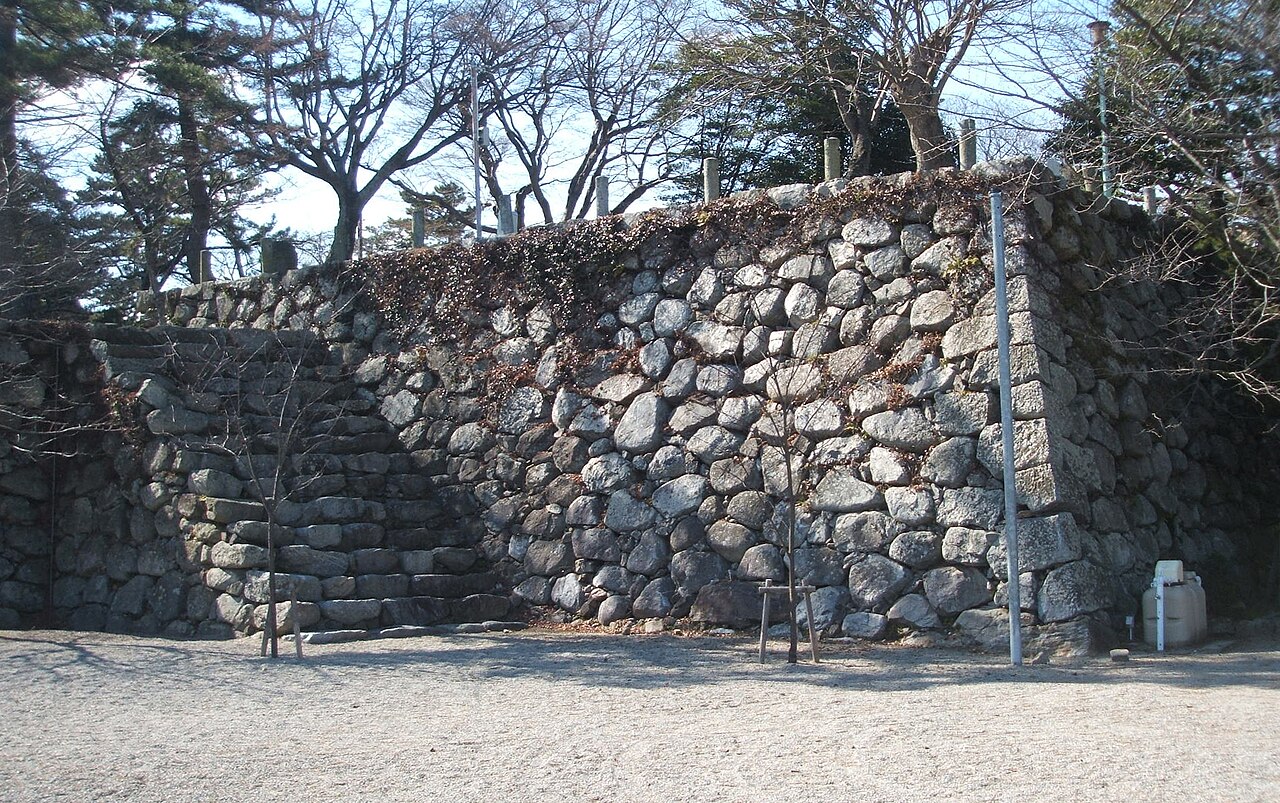
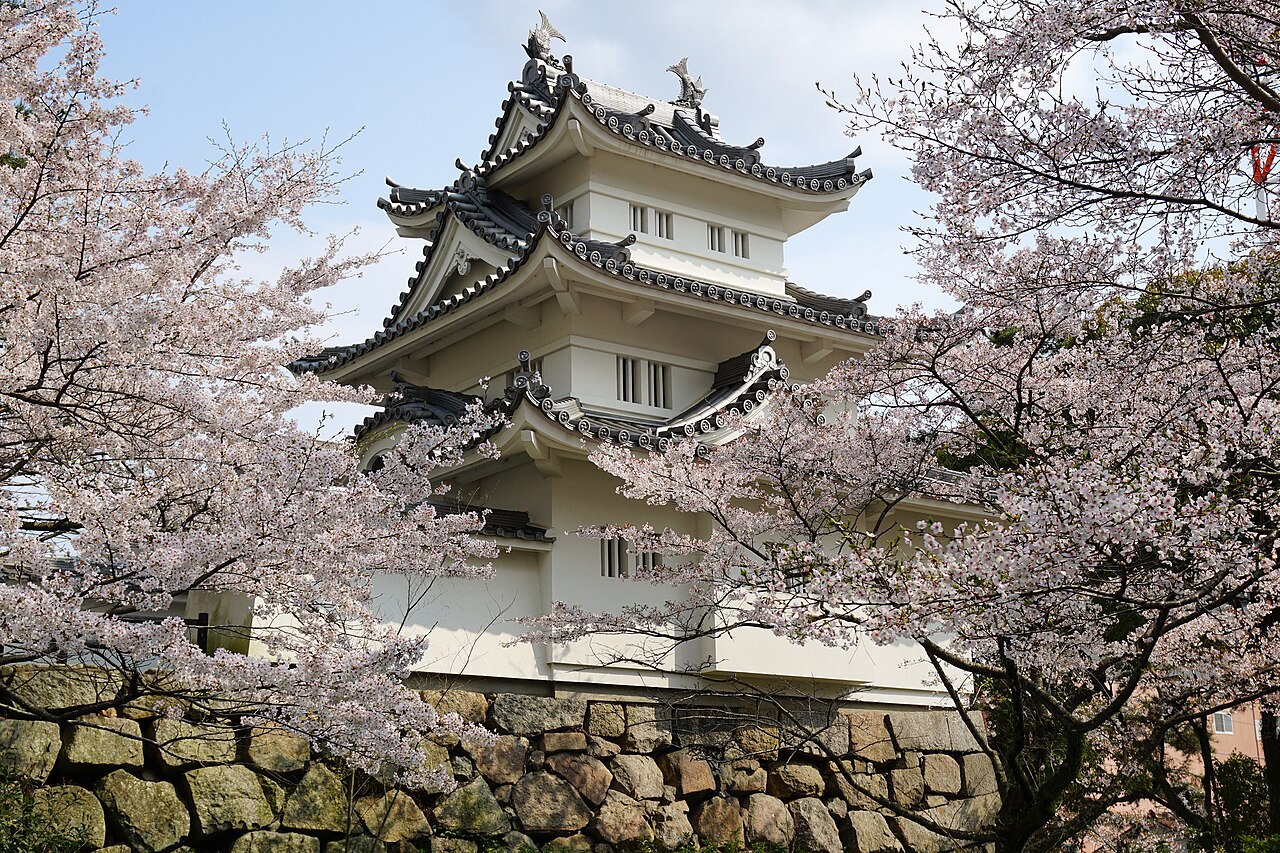
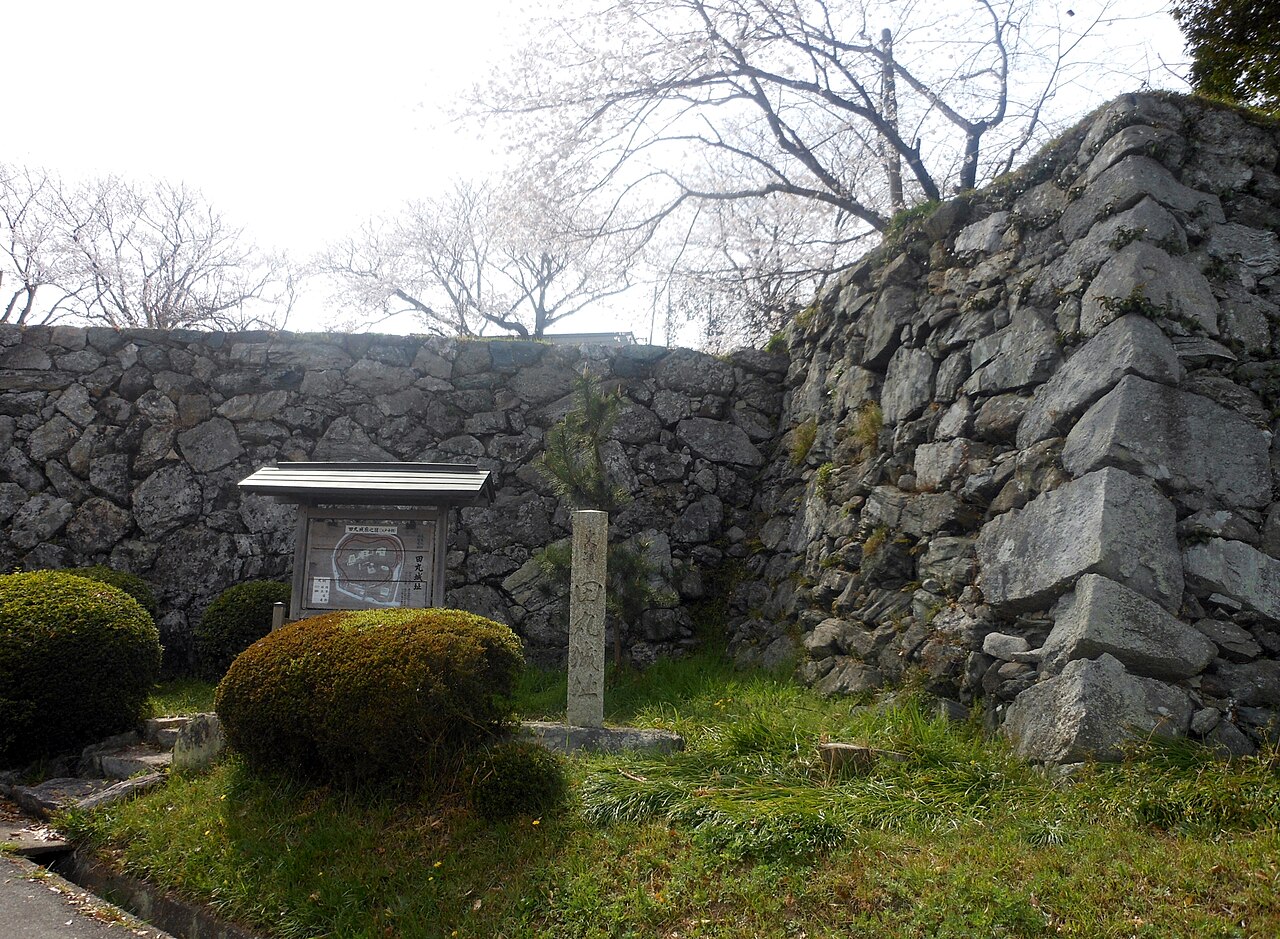
The castle itself was strategically situated on elevated terrain, characteristic of hill castles (yamajiro), which utilized natural topography for defense. While detailed architectural records of the castle's original structure are scarce, it is understood that the residence served as a fortified home and administrative center for the clan. The site reflects the military and political significance of the Kitabatake family during the Muromachi period and into the early Edo period.
Historical context and clan significance
The Kitabatake clan played a crucial role in the Nanboku-chō period (1336–1392), a time marked by conflict between the Northern and Southern Courts of Japan. The clan was staunchly loyal to the Southern Court and the imperial cause, with Kitabatake Akiyoshi being a prominent military leader and court noble who defended imperial interests. Their residence and later the shrine commemorate this loyalty and the clan's influence in the region.
Following the unification of Japan under the Tokugawa shogunate, the castle's military role diminished, and the site transitioned towards religious and cultural significance, culminating in the establishment of the Kitabatake Shrine. The shrine is one of the Fifteen Shrines of the Kenmu Restoration, a group of shrines honoring figures connected to the Kenmu Restoration, an effort to restore imperial rule in the 14th century.
Architectural features and site layout
As a hill castle, the Kitabatake residence would have featured typical defensive elements such as earthen ramparts, wooden palisades, and possibly stone foundations adapted to the mountainous terrain. The castle's design likely emphasized natural barriers, with steep slopes and wooded areas serving as protection against invaders.
The current shrine complex occupies part of the original castle grounds, incorporating traditional Shinto architectural elements such as torii gates, main halls (honden), and auxiliary buildings. The shrine's annual festival on October 13 draws visitors who come to honor the clan's legacy and the spirit of Kitabatake Akiyoshi.
Cultural and religious importance
The Kitabatake Shrine serves as a religious center preserving the memory of the clan's dedication to the imperial cause. It is a place of worship and cultural heritage, reflecting the syncretism of Japanese history, religion, and politics. The shrine's status as one of the Fifteen Shrines of the Kenmu Restoration highlights its importance in commemorating a pivotal era in Japan's imperial history.
The site is also a destination for those interested in Japanese medieval history, Shinto practices, and the legacy of samurai clans. Its location in Tsu city makes it accessible for visitors exploring the cultural landscape of Mie Prefecture.
Visiting information and preservation
Today, the Kitabatake clan residence site and shrine are well preserved as a cultural landmark. While the original castle structures no longer stand intact, the shrine maintains the historical spirit of the location. Visitors can explore the shrine grounds and learn about the clan's history through informational displays and local guides.
The site is open year-round, with the main festival in October providing a particularly vibrant experience. Accessibility is facilitated by its position within Tsu city, and visitors are encouraged to respect the sacred nature of the shrine during their visit.
Frequently asked questions (FAQ)
- What is the historical significance of the Kitabatake clan residence?
- The Kitabatake clan residence was the fortified home of the Kitabatake family, loyal supporters of the Southern Court during Japan's Nanboku-chō period, playing a key role in imperial military and political affairs.
- When is the main festival at Kitabatake Shrine held?
- The main festival at Kitabatake Shrine is held annually on October 13, attracting visitors who honor the clan's legacy and the spirit of Kitabatake Akiyoshi.
- Can I visit the original castle structures at the Kitabatake site?
- The original castle buildings no longer stand intact, but the site is well preserved through the shrine complex, which occupies part of the former castle grounds and provides historical context.
- What architectural features characterize the Kitabatake residence?
- As a hill castle, the Kitabatake residence featured defensive elements like earthen ramparts, wooden palisades, and natural terrain advantages typical of yamajiro-style fortifications.
- Is the Kitabatake Shrine accessible to visitors year-round?
- Yes, the shrine is open throughout the year, with special events such as the October festival offering enhanced cultural experiences for visitors.

Information
Loading map...
Visitor reviews
No reviews yet. Been here? Write the first review and help other travelers!
Write the first reviewVisited this castle? Share your experience
Your review helps other travelers and adds first-hand knowledge to our encyclopedia.