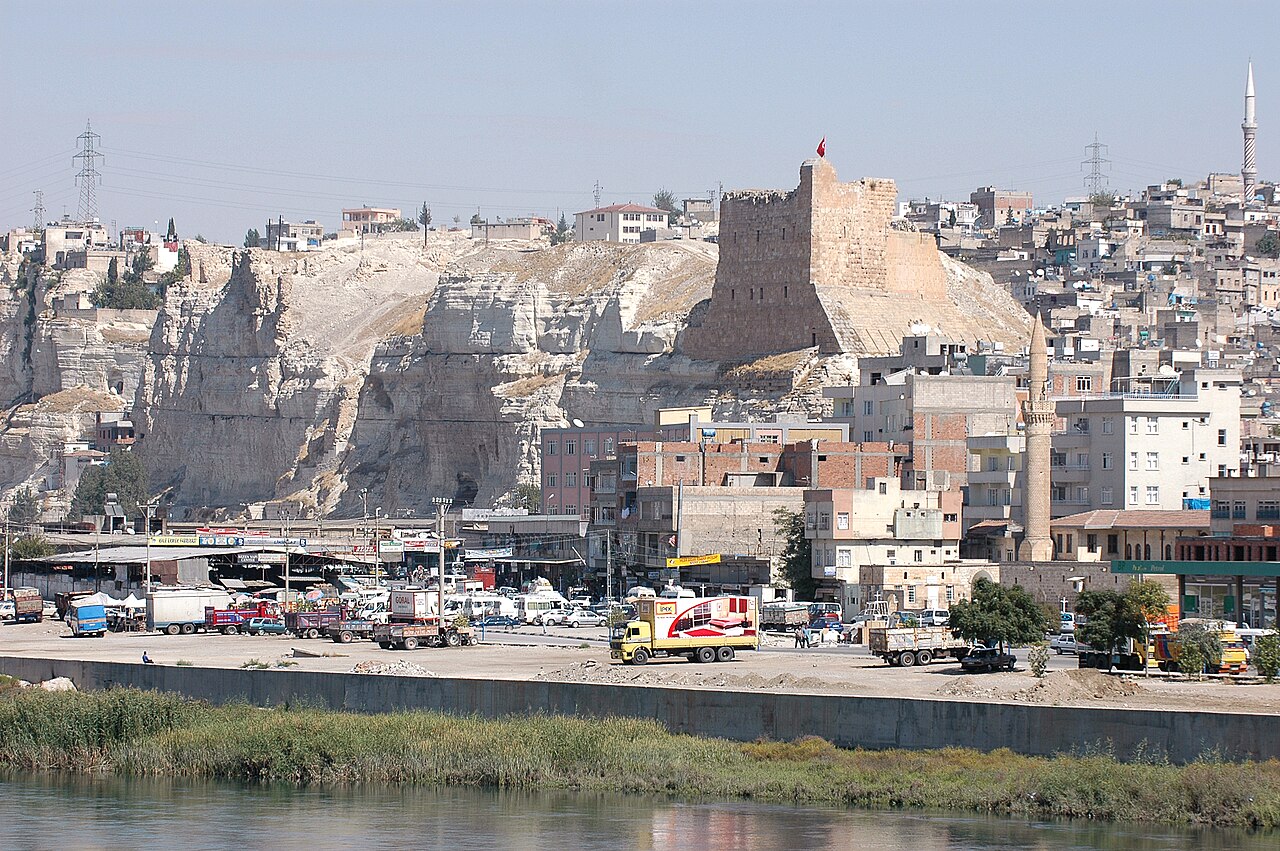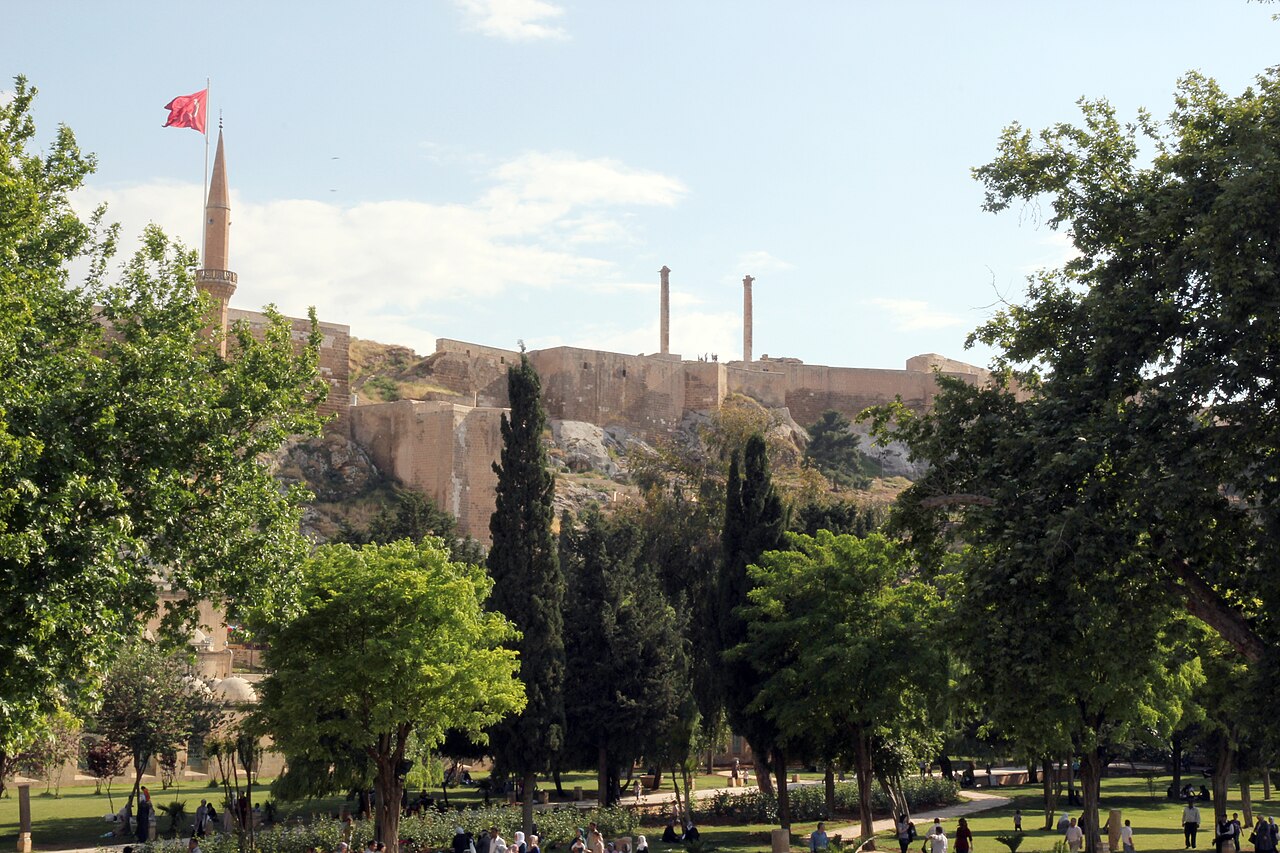
Najim Castle
Najim Castle, locally known as Qalaat Najim or Kalat Nejem, is a prominent hill castle situated approximately 20 km east of the town of Manbij on the west bank of the Euphrates River in northern Syria. It holds the distinction of being the northernmost fortification along the Euphrates within Syrian territory. This castle commands a strategic position overseeing a historic crossing point on the river, once a vital link on an ancient trade route connecting Aleppo to Harran.
The site of Najim Castle has a long history of human settlement dating back to ancient Greco-Roman times. Archaeological and textual evidence suggest the presence of a fortified settlement known as Caeciliana during the Roman period, though this identification is not definitively confirmed. The location's importance is underscored by its proximity to a river crossing and its role in regional commerce and military control.
The earliest recorded mention of a fortification at Najim dates to the 9th century, with the castle first documented in 912 AD under the name Qalaat Najim. Over subsequent centuries, the castle underwent significant developments, reflecting the turbulent political and military history of northern Syria. During the 12th century, the fortress was strengthened under the rule of Nur ad-Din Zengi, a powerful leader of the Zengid dynasty, who stationed a garrison there to secure this strategic outpost.
In the early 13th century, the castle was extensively renovated and expanded by Az-Zahir Ghazi, the son of the famed Muslim leader Saladin and the lord of Aleppo. The surviving remains of Najim Castle primarily date from this period, showcasing the architectural and military advancements of the Ayyubid dynasty. Az-Zahir Ghazi’s renovations included the construction of robust defensive walls, polygonal towers, and a sophisticated entrance gateway designed to impede attackers.
Architectural features and defensive design
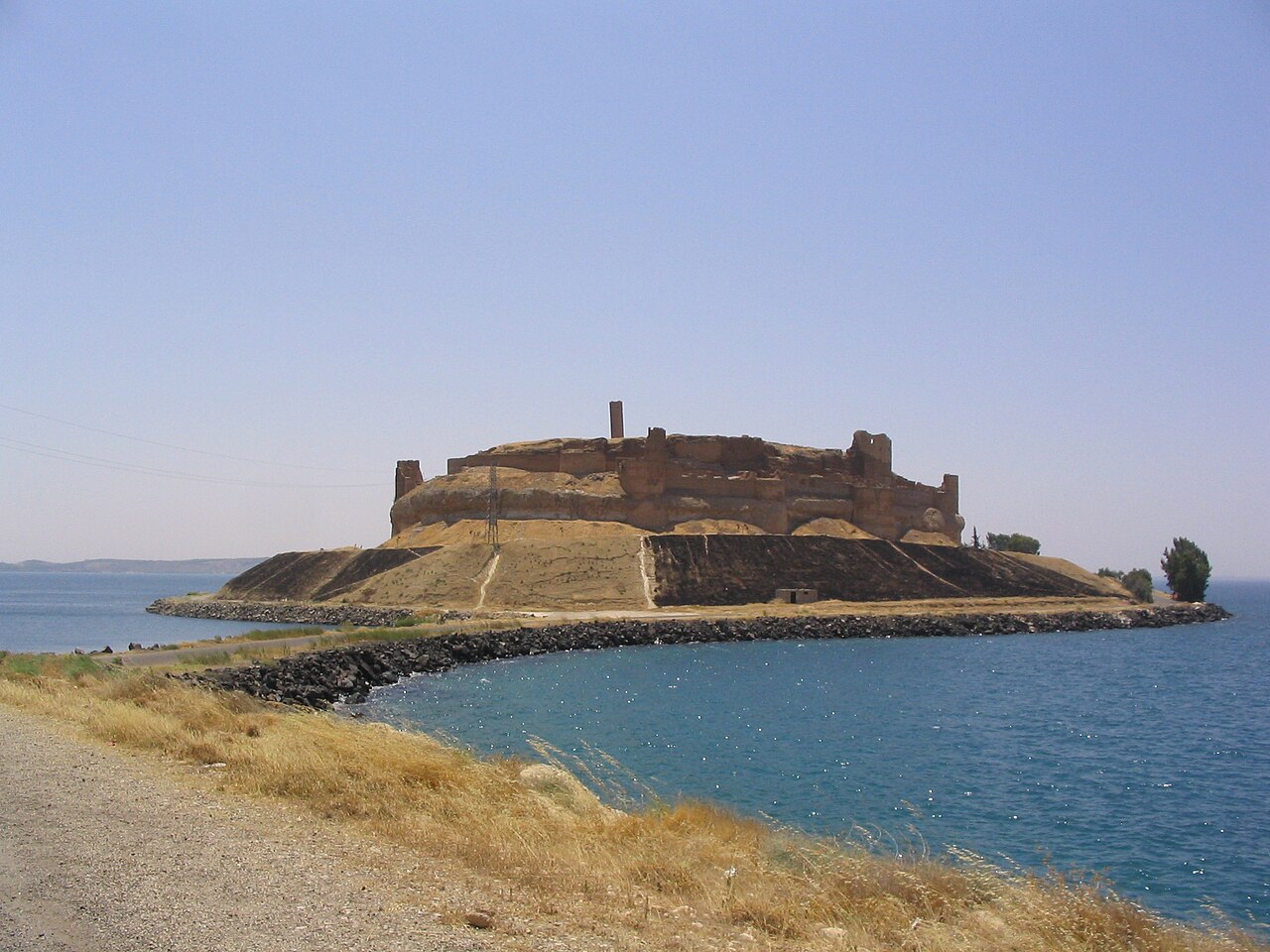
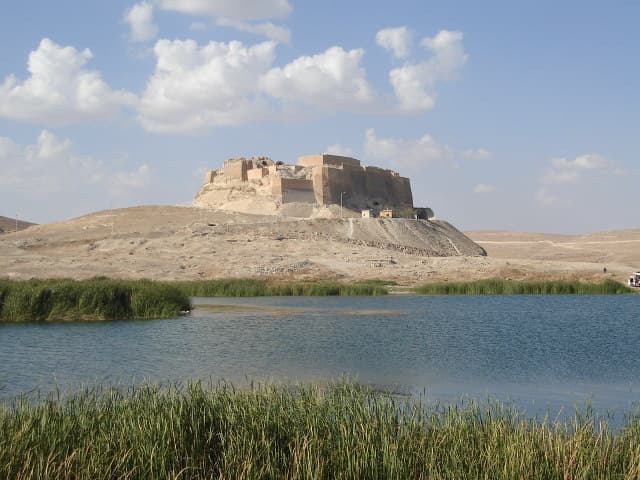
Najim Castle is built atop a natural hill, utilizing the elevated terrain to maximize its defensive capabilities. The fortress is characterized by a truncated cone-shaped layout, with thick ashlar masonry walls rising from a carefully constructed glacis—a sloping stone base that reinforces the walls and deflects projectiles. This glacis is a hallmark of medieval military architecture in the region and links Najim stylistically to other major citadels such as those in Aleppo, Hama, and Homs.
The castle’s perimeter is fortified with multiple polygonal towers, providing overlapping fields of fire and observation points. The main entrance is particularly notable for its complex defensive layout: a ramp leads to a large gatehouse featuring a series of four angled turns within a narrow passage. This design created a formidable obstacle for any attacking force, forcing them into a confined space vulnerable to defenders’ countermeasures. The entrance bears architectural resemblance to the gate of the Aleppo Citadel, reflecting shared military engineering principles of the era.
Inside, the castle is organized around a small rectangular courtyard, which is surrounded by residential wings and functional chambers. These include living quarters for the garrison and commanding officers, storerooms, and administrative spaces. The castle’s internal layout balances military utility with the requirements of a self-sustaining fortress.
Notable internal structures and inscriptions
Among the surviving structures within Najim Castle is a palace-bath complex, arranged around a central courtyard with a fountain. This complex highlights the dual military and residential nature of the fortress, providing comfort and luxury alongside defense. The bathhouse reflects advanced water management techniques and an emphasis on hygiene and social life within the castle walls.
The castle also houses a mosque distinguished by a rare architectural feature: an exterior double arcade overlooking the Euphrates River. This element, where two rows of arches face outward, is unusual in Islamic military architecture and is otherwise known only from the mosque at the Alhambra palace in Spain. This unique feature underscores the cultural and artistic sophistication present at Najim during its peak.
Archaeologists have uncovered at least three or four inscriptions dating from the reign of Az-Zahir Ghazi. These inscriptions confirm the Ayyubid ruler’s direct involvement in the castle’s construction and maintenance, providing valuable historical context and dating for the fortress’s key phases of development.
Historical significance and military role
Najim Castle’s strategic importance stems from its control over a key crossing on the Euphrates River, where two islands allowed the construction of a pontoon bridge. This bridge was a vital link on the trade route from Aleppo to Harran, facilitating commerce and military movement. Control of Najim meant dominance over this critical artery in northern Syria’s economic and military landscape.
Throughout its history, Najim Castle passed through the hands of various ruling dynasties. Following the Umayyad conquest, it was controlled by the Hamdanids, then the Mirdasids, and later the Banu Numayr, a nomadic Arab tribe that maintained possession into the early 12th century. The Zengids, under Nur ad-Din Zengi, restored the castle in the 12th century, and the Ayyubids further fortified it in the early 13th century.
In the 19th century, Najim Castle played a role in regional conflicts when it was damaged during a siege in 1820 by Ottoman forces. The castle was used as a refuge by a local Arab leader resisting Ottoman control, highlighting its continued military relevance even in the modern era.
More recently, during the Syrian Civil War, Najim Castle was the site of military action when the Syrian Democratic Forces captured it from the Islamic State group (ISIS) in 2016. This event underscores the fortress’s enduring strategic value over more than a millennium.
Archaeological remains and current condition
Today, Najim Castle stands as a partially preserved ruin, with many of its defensive walls, towers, and internal structures still visible. The ashlar glacis and polygonal towers remain prominent features, providing insight into medieval military architecture in Syria. The castle’s location in a desert-like environment on the Euphrates riverbank enhances its dramatic presence and historical ambiance.
The castle is freely accessible to visitors, though it remains off the main tourist paths. Its remote setting offers a unique opportunity to explore a significant historical site that reflects the complex layers of Syrian history, from ancient times through the medieval Islamic period to the present day.
While the nearby settlement that once supported Najim Castle has vanished, the fortress itself stands as a testament to the region’s rich cultural heritage and the enduring legacy of military architecture in the Middle East.
Frequently asked questions (FAQ)
- How do I get to Najim Castle?
- Najim Castle is located in Manbidj, Syria, and can be accessed by road from major cities like Aleppo. It is advisable to use a reliable map or GPS service for navigation, as local conditions may vary. Public transportation options may be limited, so consider arranging a private vehicle for convenience.
- What is the historical significance of Najim Castle?
- Najim Castle dates back to the medieval period and served as a strategic fortification due to its location along important trade routes. Throughout history, it has witnessed various cultural influences and military conflicts, making it a significant site for understanding the region's past. The castle's architecture reflects the historical styles and techniques of its time.
- When was Najim Castle built?
- Najim Castle was originally constructed in the 11th century, during the time of the Crusades. It has undergone several renovations and restorations over the centuries, which have contributed to its current state. The castle stands as a testament to the architectural and military advancements of the era.
- Can I take guided tours of Najim Castle?
- Yes, guided tours are available at Najim Castle, offering visitors insights into its rich history and architectural features. These tours are typically conducted by knowledgeable local guides who can provide a deeper understanding of the site's significance. It's recommended to check in advance for availability and to book your tour.
- Why is Najim Castle a popular tourist destination?
- Najim Castle attracts visitors due to its historical importance, stunning architecture, and picturesque views of the surrounding landscape. The castle's well-preserved structures and fascinating stories make it an intriguing destination for history enthusiasts and casual tourists alike. Additionally, its location near other attractions in Manbidj adds to its appeal.
- Is it possible to visit Najim Castle year-round?
- Yes, Najim Castle is open to visitors year-round, although the best time to visit is during the spring and fall when the weather is milder. Summer months can be quite hot, which may affect your experience. Check local conditions before planning your visit to ensure a comfortable trip.
- What are the opening hours for Najim Castle?
- Najim Castle typically opens to visitors from 9 AM to 5 PM. However, hours may vary depending on the season or special events, so it's a good idea to confirm the hours before your visit. This allows you to plan your trip effectively and make the most of your time exploring the castle.
- Are there any nearby attractions to visit after Najim Castle?
- Yes, there are several nearby attractions, including the ancient city of Manbidj and local markets that showcase traditional Syrian culture. Visitors can also explore nearby archaeological sites that reflect the region's rich history. Combining these visits can create a full day of exploration and discovery.
- What are the ticket prices for visiting Najim Castle?
- Ticket prices for Najim Castle are quite affordable, usually ranging from a small fee for adults and discounts for children and students. It's advisable to check for any special rates or promotions that may be available during your visit. Purchasing tickets on-site is generally straightforward, but being prepared can enhance your experience.
Photo gallery

Information
Website
Visit websiteSources & official resources
Verify the information above using these authoritative references.
Loading map...
Visitor reviews
No reviews yet. Been here? Write the first review and help other travelers!
Write the first reviewVisited this castle? Share your experience
Your review helps other travelers and adds first-hand knowledge to our encyclopedia.