Birecik Castle
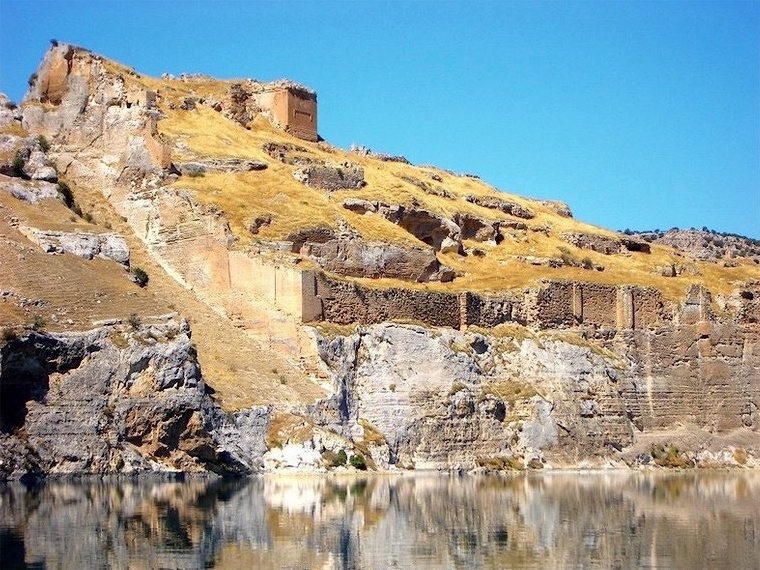
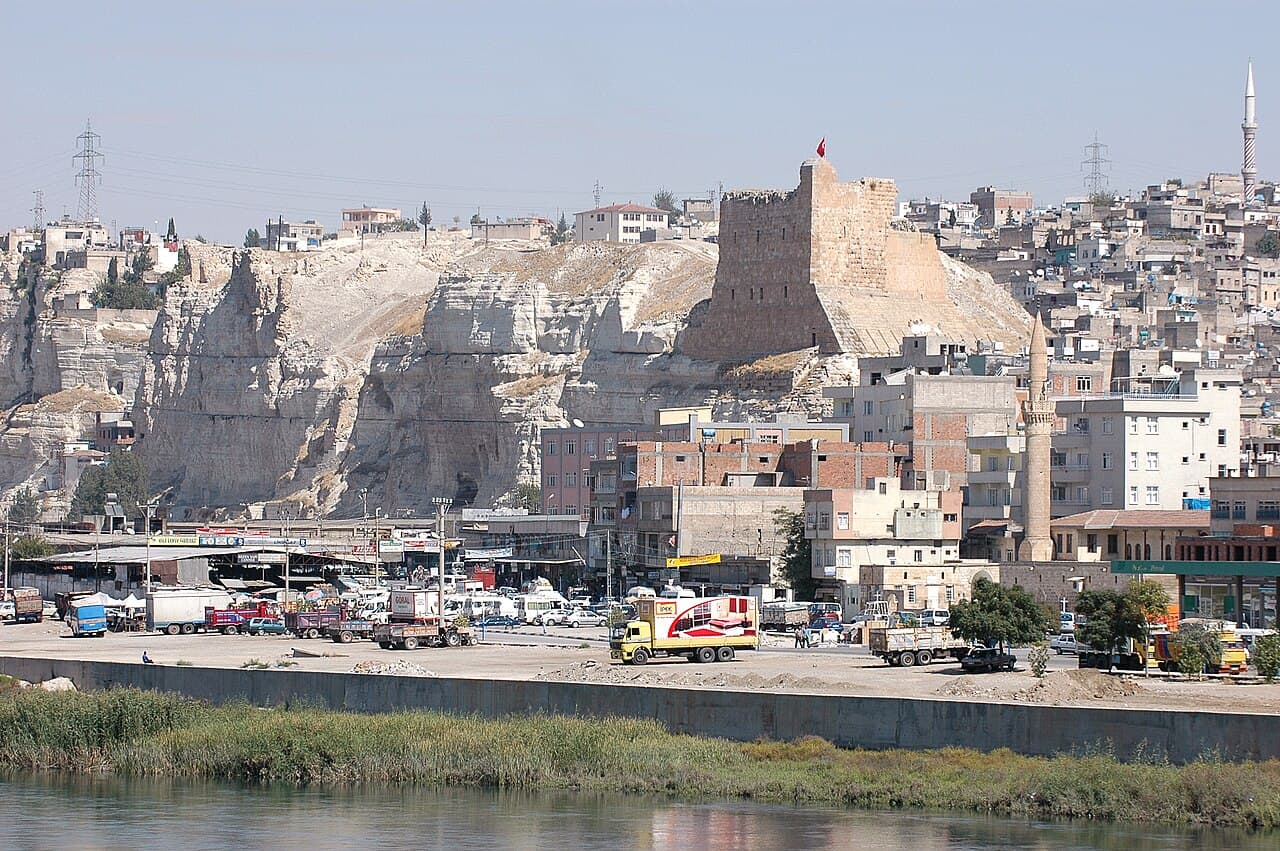
Birecik Castle, locally known as Birecik Kalesi, is a historic hill castle located in the city of Birecik within the Şanlıurfa province of Turkey. It occupies a strategic position on an elongated limestone ridge overlooking the left bank of the Euphrates River. The castle's commanding location provided natural defensive advantages and control over river traffic, making it a significant fortification through various historical periods.
The castle complex originally consisted of two main parts: the inner castle atop the ridge and an outer castle situated between the ridge and the riverbank. The outer castle is believed to have been constructed by the Seleucid Empire between 298 and 236 BC, marking the earliest phase of fortification at the site. This outer defensive structure underwent several repairs and modifications over the centuries, including during the Roman period (30 BC–395 AD), the era of the Frankish Crusaders (1098–1150), and later the Mamluk Sultanate (1277–1484).
The inner castle on the ridge is generally dated to the 13th century, corresponding to the High Medieval period. Some sources attribute its construction to the Muslim rulers of Aleppo between 1128 and 1260, highlighting the castle's role in the regional power struggles of the time. The castle was known locally as Beyaz Kale or "White Castle," a name derived from the pale color of the limestone ridge on which it stands.
Architectural features and layout
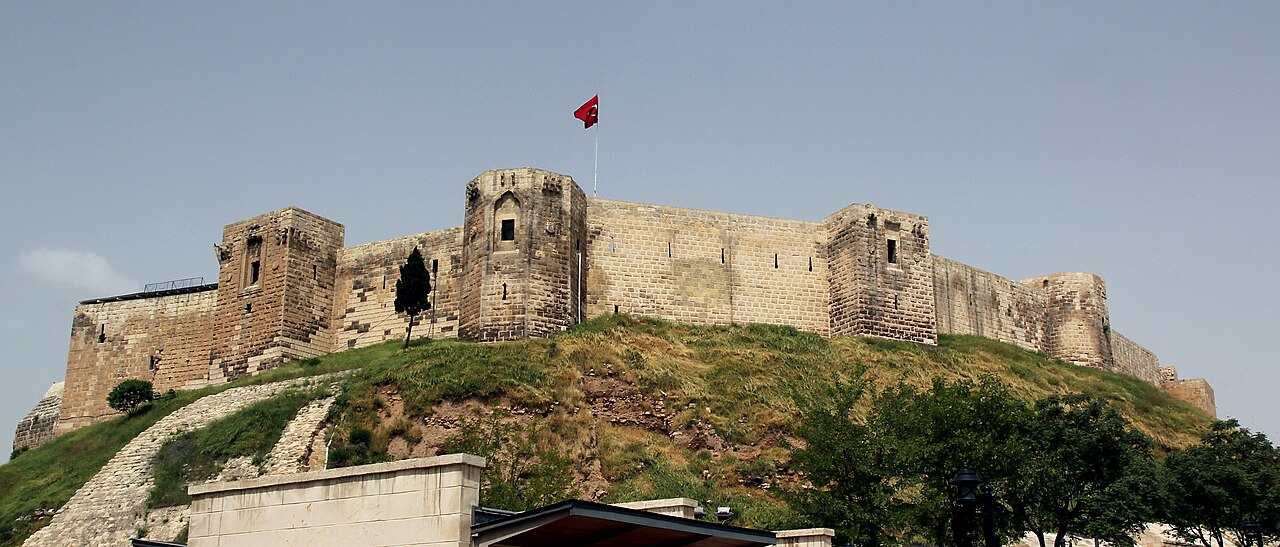
The original fortress was extensive, with the entire summit of the ridge fortified as the inner castle. This included high defensive walls and multiple towers, reportedly numbering twelve, reaching heights of 30 to 40 meters. These towers and walls provided formidable protection and vantage points for surveillance and defense against attackers.
The outer castle below complemented the inner defenses, acting as a first line of fortification along the riverbank. The complex reportedly featured four gates, which controlled access between the river, the outer castle, and the inner stronghold. Unfortunately, much of this extensive structure has been lost over time due to natural erosion, landslides, earthquakes, and possibly deliberate demolition.
One surviving element is the Alaburç tower, a corner tower that has been consolidated in the early 20th century and remains the main visible landmark of the castle today. This tower exemplifies the castle's medieval military architecture and its adaptation to the limestone ridge's topography.
Historical significance and ownership
Birecik Castle has witnessed numerous historical phases reflecting the turbulent history of southeastern Anatolia. After its initial construction and modifications by the Seleucids, Romans, Crusaders, and Mamluks, the castle eventually became part of the Ottoman Empire in 1517. Under Ottoman rule, the castle lost much of its strategic importance, likely leading to its gradual decline and ruin.
Up to the early 19th century, more substantial remains of the castle were still visible, including the walls and towers. However, the passage of time and natural disasters have significantly diminished the castle's physical presence.
Recent condition and accessibility
In recent years, the castle's accessibility has been compromised. A walkway on the west side of the ridge, which allowed visitors to reach the inner castle, was destroyed by a landslide. This has made the castle largely inaccessible to the public. There have been discussions about constructing a cable car to improve access, though no definitive developments have been reported.
The region suffered severe damage during the 2023 Turkey-Syria earthquake, and it is suspected that Birecik Castle sustained further damage, though detailed assessments are not yet available.
Near the castle, remnants of the old city walls remain, including two gates and a tower, offering additional insight into the medieval fortifications that protected Birecik.
Cultural and heritage importance
Birecik Castle is an important cultural landmark that reflects the layered history of the region, from Hellenistic times through the medieval Islamic period to the Ottoman era. Its commanding position on the Euphrates River underscores its historical role in controlling trade and military movements along this vital waterway.
Despite the loss of much of its structure, the castle remains a symbol of the area's rich past and architectural heritage. Efforts to preserve and possibly restore parts of the castle could enhance understanding of the region's medieval fortifications and attract cultural tourism.
Visitors to the area can explore the nearby city walls and enjoy views of the Euphrates, appreciating the strategic significance that led to the castle's original construction.
Frequently asked questions (FAQ)
- What is the historical significance of Birecik Castle?
- Birecik Castle, dating back to the Roman period, has been a strategic military site throughout its history. It has witnessed numerous battles and has played a crucial role in the defense of the region, making it a significant landmark in Turkish history.
- When was Birecik Castle built?
- The exact date of construction for Birecik Castle is not clearly documented, but it is believed to have been established during the Roman era, possibly in the 1st century AD. The castle has undergone various modifications and restorations over the centuries, reflecting the architectural styles of different periods.
- Can I visit Birecik Castle?
- Yes, Birecik Castle is open to visitors who wish to explore its rich history and stunning views. It is advisable to check local guidelines and any specific opening hours before planning your visit, as these may vary seasonally.
- What are the opening hours for Birecik Castle?
- Birecik Castle typically opens to visitors from morning until sunset. However, it is recommended to verify the current opening hours in advance, especially during holidays or off-peak seasons.
- Is it possible to access Birecik Castle with a wheelchair?
- Access to Birecik Castle can be challenging due to its historical structure and terrain. While some areas might be navigable, it is best to contact local authorities for detailed accessibility information before your visit.
- What is the best time to visit Birecik Castle?
- The best time to visit Birecik Castle is during the spring and autumn months when the weather is milder and more pleasant for outdoor exploration. Visiting during these seasons allows you to enjoy the scenic surroundings and avoid the summer heat.
- Are there any nearby attractions to visit while at Birecik Castle?
- Yes, the area around Birecik offers several attractions, including the ancient city of Zeugma and the Euphrates River. Exploring these sites can enrich your understanding of the region's history and culture.
- What are the ticket prices for Birecik Castle?
- Entry to Birecik Castle is generally free, but it’s advisable to check for any potential fees or guided tour options that may enhance your visit. Local tourism offices can provide the most current information regarding any costs associated with your visit.
Photo gallery

Information
Address
Kalealtı Cd., Turkey
Loading map...
Visitor reviews
No reviews yet. Been here? Write the first review and help other travelers!
Write the first reviewVisited this castle? Share your experience
Your review helps other travelers and adds first-hand knowledge to our encyclopedia.