Nagaoka Castle
Nagaoka Castle (長岡城, Nagaoka-jō) is a historically significant hill castle located in Nagaoka, Niigata Prefecture, Japan. Constructed in the 16th century, it served as the seat of the Makino clan, who were the daimyō of the Nagaoka Domain during the Edo period. The castle played an important role in regional governance and military defense throughout Japan's feudal era.
Historical background and significance
The origins of Nagaoka Castle trace back to the turbulent Sengoku period, a time marked by frequent military conflicts and shifting alliances. Built as a fortified residence for local rulers, the castle was strategically positioned on a hill to oversee and control the surrounding plains. This elevated location provided natural defense advantages and allowed for surveillance of enemy movements.
During the Edo period (1603–1868), the castle became the administrative center of the Nagaoka Domain, governed by a branch of the Makino clan. The Makino were influential daimyō who managed the domain's affairs, including taxation, law enforcement, and military readiness. The castle's presence symbolized the clan's power and status within the Tokugawa shogunate's feudal hierarchy.
Architectural features and layout
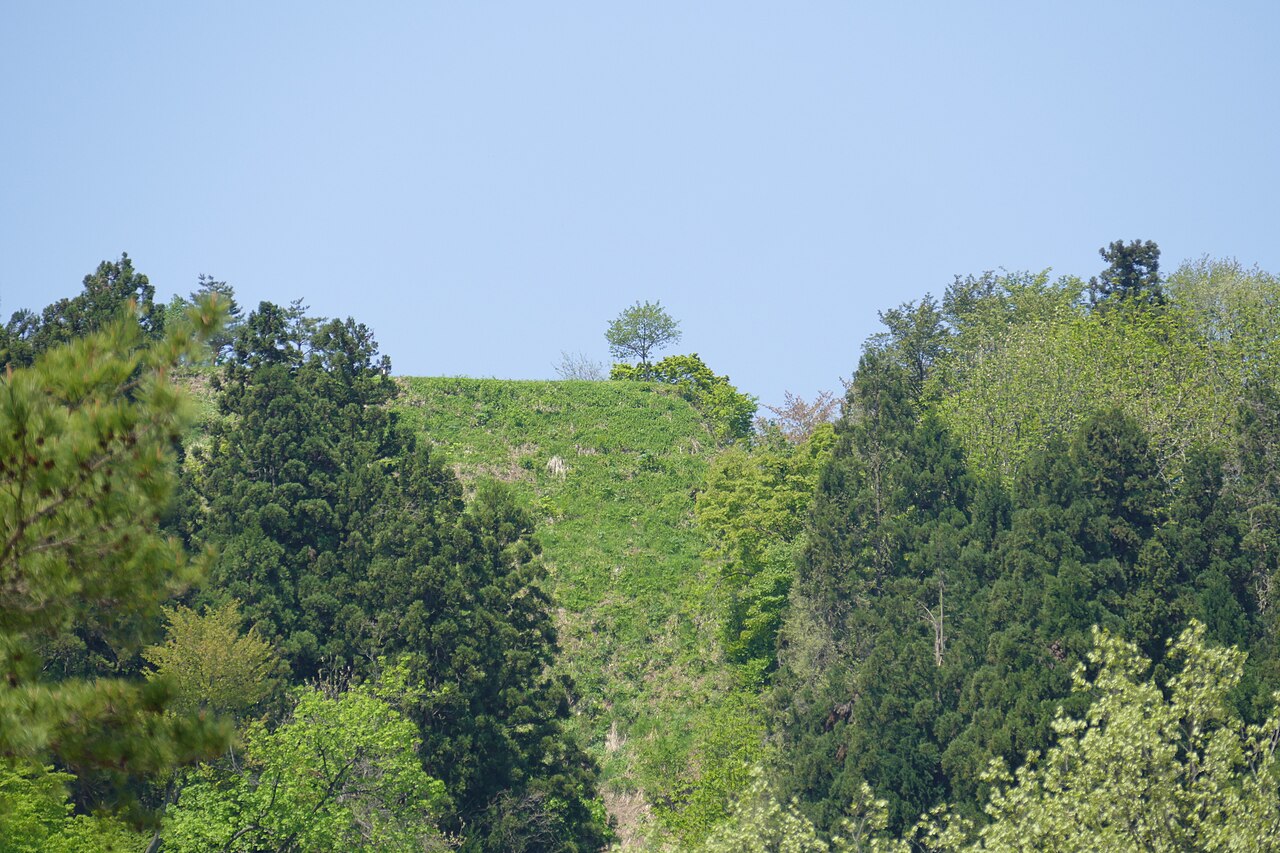
Nagaoka Castle exemplified typical hill castle design principles, incorporating natural topography into its defenses. The castle complex was arranged around a central honmaru (main bailey), which housed the lord's residence and key administrative buildings. Surrounding the honmaru were multiple baileys (kuruwa) enclosed by earthen walls and moats, enhancing the castle's defensive capabilities.
The castle's fortifications included stone walls and earthen ramparts, designed to withstand sieges and artillery attacks. Watchtowers and gates were strategically placed to monitor access and provide vantage points for archers and gunners. Although the castle did not feature the towering tenshu (main keep) common in some contemporaneous castles, its layered defenses were effective for the region's military needs.
Defensive structures and moats
The castle was surrounded by a series of moats that protected its baileys from direct assault. These water-filled ditches, combined with steep slopes, made scaling the walls difficult for attackers. The use of natural hillsides augmented the castle's defenses by limiting possible approaches and creating choke points.
Role during the edo period and later history
Throughout the Edo period, Nagaoka Castle remained a center of political and military activity in the region. The Makino clan maintained a garrison to defend the domain and uphold order. The castle also functioned as a cultural hub, hosting events and serving as a residence for samurai retainers and officials.
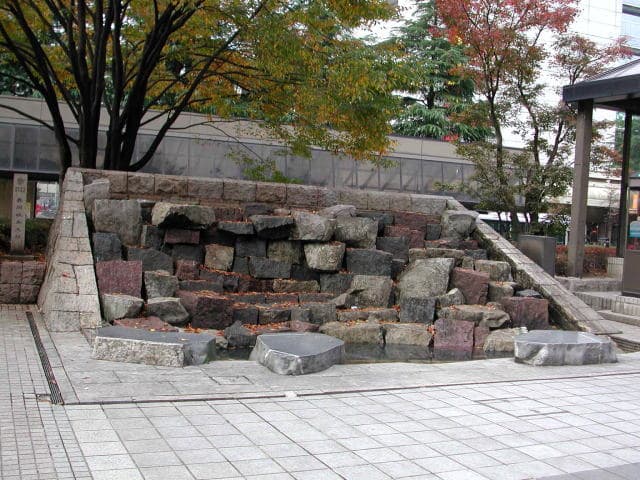
In the late 19th century, following the Meiji Restoration, many castles including Nagaoka were dismantled or repurposed as Japan modernized its military and administrative systems. Parts of the castle were destroyed or fell into disrepair. Today, the site of Nagaoka Castle is preserved as a historical park, with remnants of its moats and earthworks visible to visitors.
Cultural heritage and modern significance
The remains of Nagaoka Castle are an important cultural asset, reflecting the architectural and feudal history of the Niigata region. Archaeological studies have helped uncover details about its construction methods and layout, contributing to a broader understanding of Japanese castle design. The site attracts historians, tourists, and locals interested in Japan's samurai past.
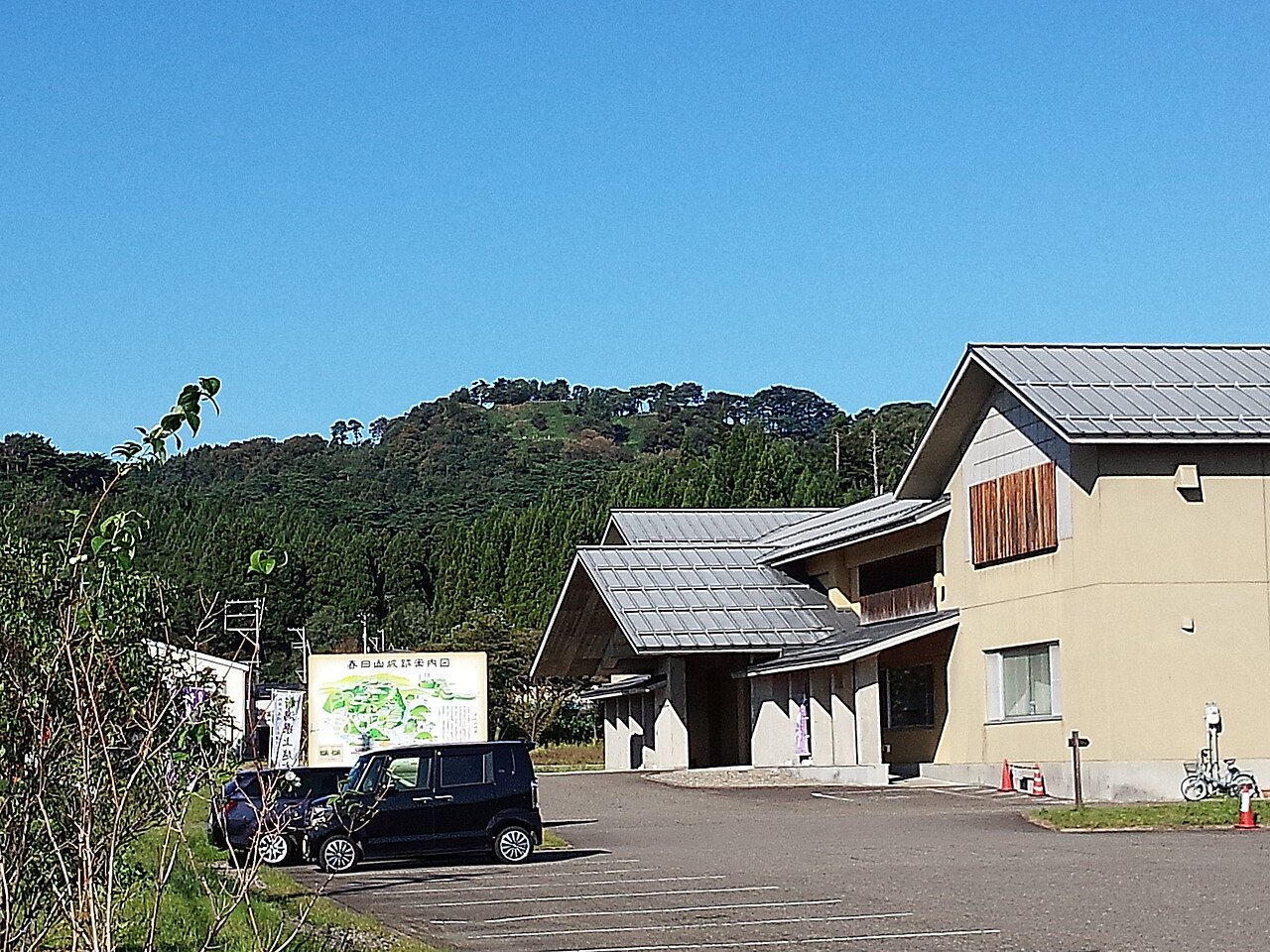
Efforts to maintain and interpret the castle ruins include informational signage and preservation of surviving structures. The castle grounds host festivals and educational events that celebrate the region's heritage, linking contemporary communities with their historical roots.
Frequently asked questions (FAQ)
- How do I get to Nagaoka Castle?
- Nagaoka Castle is conveniently located in the city of Nagaoka, Japan. You can reach it via public transportation by taking a train to Nagaoka Station and then a short bus ride or a pleasant walk to the castle grounds. Parking is also available if you prefer to drive.
- What is the historical significance of Nagaoka Castle?
- Nagaoka Castle was originally built in the late 16th century and played a crucial role during the Edo period as a key site for the ruling Uesugi clan. The castle’s historical significance is marked by its strategic location and its influence on the development of the region. Today, it stands as a symbol of Nagaoka's rich cultural heritage.
- When was Nagaoka Castle rebuilt?
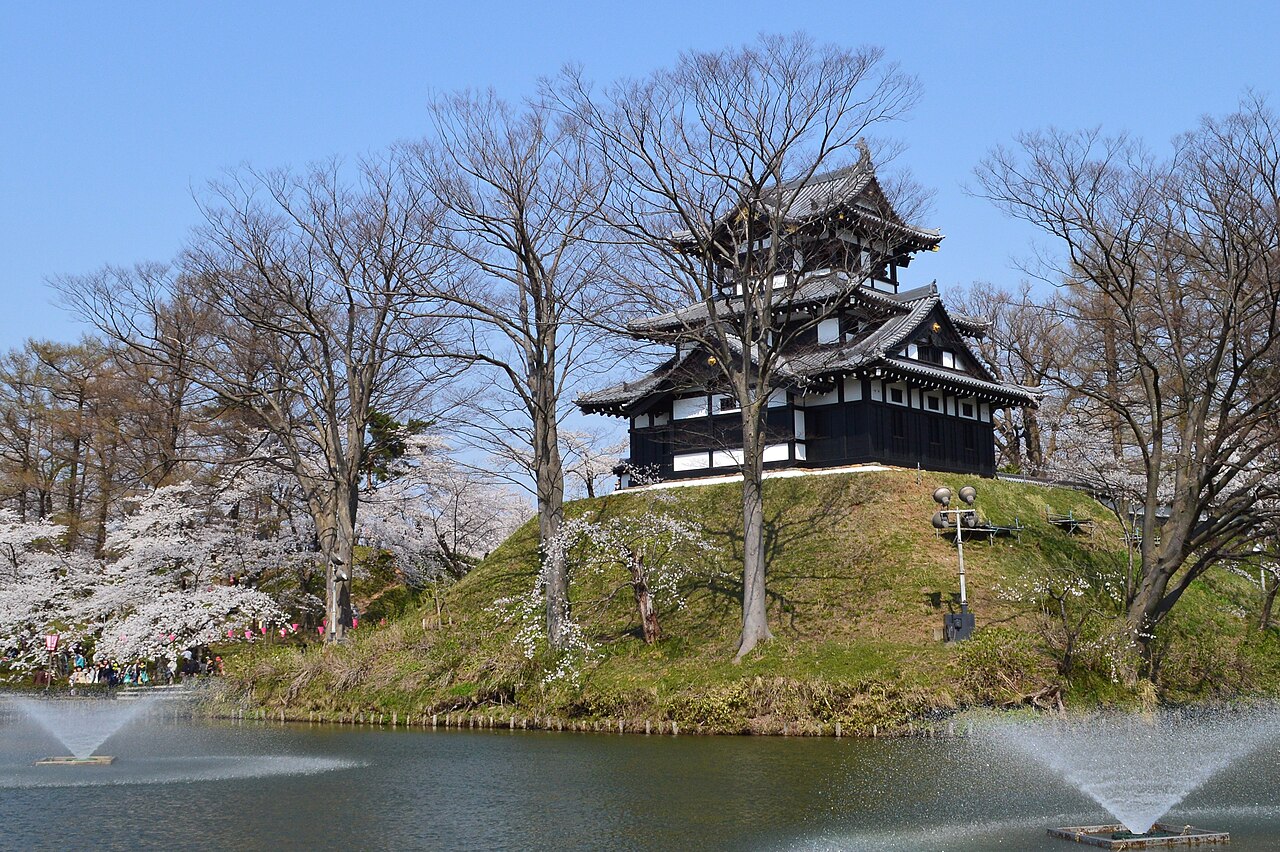
- Nagaoka Castle was reconstructed in 1966 after the original structure was destroyed during the Meiji Restoration. The current castle features a modern reconstruction of the original keep, which serves as a museum showcasing the history and artifacts related to the castle and the city. This reconstruction allows visitors to experience a piece of Japan's feudal past.
- Can I visit Nagaoka Castle year-round?
- Yes, Nagaoka Castle is open to visitors throughout the year, but the best time to visit is during the cherry blossom season in spring or the vibrant foliage in autumn. Each season offers a unique view of the castle and its surrounding park. Be sure to check local events as there are often festivals and activities held in the castle grounds.
- Why is Nagaoka Castle a popular tourist attraction?
- Nagaoka Castle attracts visitors due to its historical significance, beautiful architecture, and its picturesque gardens. The castle's museum provides insights into the local history and culture, making it an educational experience for all ages. Its serene setting offers a perfect escape from the bustling city life.
- Is it possible to take guided tours at Nagaoka Castle?
- Yes, guided tours are available at Nagaoka Castle, providing in-depth information about its history and architecture. These tours are typically available in multiple languages, making it accessible for international visitors. It's recommended to check in advance for tour schedules and availability.
- What are the opening hours for Nagaoka Castle?
- Nagaoka Castle is generally open from 9 AM to 5 PM, with last entry at 4:30 PM. However, hours may vary seasonally or during holidays, so it's best to check the official website before your visit. This allows you to plan your trip for the most enjoyable experience.
- Are there any ticket prices to enter Nagaoka Castle?
- Yes, there is a small admission fee to enter Nagaoka Castle, which typically includes access to the museum and surrounding gardens. Discounts may be available for students, seniors, or groups, so be sure to inquire when purchasing tickets. The fees support the maintenance and preservation of this historic site.
- What nearby attractions can I visit while at Nagaoka Castle?
- While visiting Nagaoka Castle, you can also explore the nearby Nagaoka City Museum and the scenic Echigo Hillside Park. These attractions complement your castle visit with more insights into the region's culture and natural beauty. The area is rich in local dining options as well, enhancing your overall experience.
Photo gallery

Information
Loading map...
Visitor reviews
No reviews yet. Been here? Write the first review and help other travelers!
Write the first reviewVisited this castle? Share your experience
Your review helps other travelers and adds first-hand knowledge to our encyclopedia.