Tochio Castle
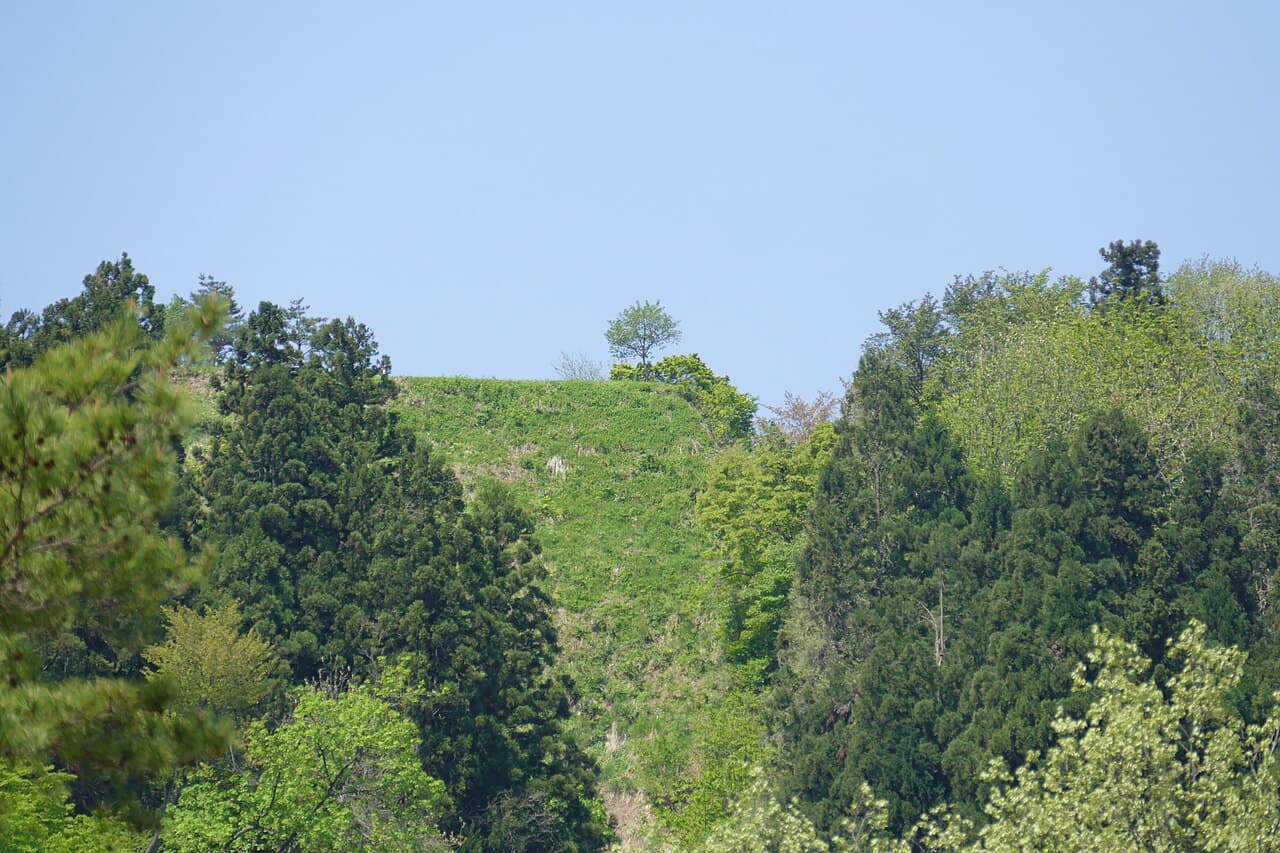
Tochio Castle (栃尾城, also known as Iino-jō) is a historic mountain castle located in Nagaoka, in the Niigata Prefecture of Japan. Perched on a 227-meter high mountain, it served as a strategic fortification during Japan's Sengoku period. The castle is notable for its association with the famous warlord Uesugi Kenshin, who spent five formative years of his youth there, shaping his early military and leadership skills.
Geographical setting and strategic importance
Tochio Castle occupies a commanding position on a steep mountain, providing a natural defensive advantage. The elevated site enabled surveillance over the surrounding valleys and roads, crucial for controlling movement and defending against rival clans. Its mountainous location classifies it as a hill castle, typical of many Japanese fortifications designed to exploit natural terrain for defense.
Historical background and significance
The castle was constructed during the turbulent Sengoku period (mid-15th to early 17th century), a time marked by constant military conflict and shifting alliances among feudal lords. Although the exact date of construction is unclear, its role as a military stronghold is well recognized. The castle was under the control of the Uesugi clan, a powerful samurai family influential in the region.
Uesugi Kenshin, one of Japan's most renowned daimyo, spent five years at Tochio Castle during his youth. This period was critical in his development as a military leader and strategist. The castle thus holds cultural and historical importance as part of Kenshin's early life and the broader narrative of samurai warfare in Japan.
Architectural features and layout
As a mountain castle, Tochio Castle utilized the natural topography for its defenses. The castle's ruins reveal remnants of stone walls, terraced baileys, and earthworks that once formed the core defensive structures. The layout likely included multiple enclosures (kuruwa) arranged on different levels of the mountain slope, connected by narrow paths and gates.
The castle's design reflects typical Sengoku period mountain fortifications, emphasizing natural barriers, steep slopes, and layered defenses rather than large stone keeps. Wooden structures such as watchtowers and living quarters would have been built atop these earthworks, though these have not survived.
Current condition and archaeological significance
Today, Tochio Castle exists as ruins, with much of its original structures lost to time. The site is recognized as an important archaeological site that offers insights into Japanese mountain castle construction and Sengoku-era military architecture. Visitors can explore the remains of stone foundations, terraces, and defensive earthworks while enjoying panoramic views of the surrounding landscape.
Preservation efforts focus on maintaining the site's integrity and providing educational information about its historical context. The castle ruins are accessible to hikers and history enthusiasts, contributing to cultural tourism in Niigata Prefecture.
Visiting Tochio Castle
The castle site is accessible by hiking trails from nearby towns in Nagaoka. Due to its mountainous terrain, visitors should be prepared for a moderate climb. The best time to visit is during spring and autumn when the weather is favorable and the natural scenery is particularly striking.
Interpretive signs and guides at the site help visitors understand the castle's layout and historical significance. While there are no large reconstructed buildings, the ruins provide a tangible connection to Japan's feudal past and the legacy of the Uesugi clan.
Frequently asked questions (FAQ)
- How do I get to Tochio Castle?
- Tochio Castle is located in Nagaoka, Japan, and can be easily accessed by public transportation. You can take a train to Nagaoka Station, followed by a short bus ride or taxi to the castle site.
- What is the historical significance of Tochio Castle?
- Tochio Castle, originally built in the late 16th century, played a vital role during the Sengoku period as a strategic stronghold. Its history reflects the power struggles of feudal Japan and the significance of regional governance.
- When was Tochio Castle built?
- Construction of Tochio Castle began in 1580 under the command of the Uesugi clan. The castle served as a military base until the Edo period, highlighting its long-standing importance in Japanese history.
- Can I enter the castle grounds?
- Yes, visitors can enter the castle grounds and explore the surrounding park area. While the main structure is a ruin, the site offers beautiful views and a glimpse into the castle's historical architecture.
- Why is Tochio Castle a popular tourist destination?
- Tochio Castle attracts visitors due to its rich history and scenic location. The castle grounds are a peaceful retreat featuring cherry blossoms in spring, making it a favorite spot for both history enthusiasts and nature lovers.
- Is it possible to visit Tochio Castle year-round?
- Yes, Tochio Castle is open to visitors throughout the year. However, the best time to visit is during the cherry blossom season in April, when the castle grounds are particularly stunning.
- What are the opening hours for Tochio Castle?
- Tochio Castle is generally open from 9 AM to 5 PM, but it's advisable to check for seasonal changes in hours before your visit. The site's accessibility may vary depending on the time of year and special events.
- Are there any nearby attractions to visit?
- Yes, there are several attractions near Tochio Castle, including the Nagaoka War Museum and the scenic Senboku River. These sites enhance your visit by providing a deeper understanding of the region's history and culture.
- What are the ticket prices for visiting Tochio Castle?
- Admission to the castle grounds is typically free, making it an accessible destination for all visitors. However, some nearby attractions may charge a small fee for entry, so it's worth checking in advance.

Information
Loading map...
Visitor reviews
No reviews yet. Been here? Write the first review and help other travelers!
Write the first reviewVisited this castle? Share your experience
Your review helps other travelers and adds first-hand knowledge to our encyclopedia.