Nagahama Castle
Nagahama Castle (長浜城, Nagahama-jō) is a prominent hill castle located in Nagahama city, within Shiga Prefecture, Japan. Constructed in the 16th century during the Sengoku period, this castle played a significant role in regional power struggles and the unification efforts of Japan. Although the original structure no longer stands, the site remains an important cultural and historical landmark.
Historical background and construction
The castle was initially built in 1575 by Hashiba Hideyoshi, who later became known as Toyotomi Hideyoshi, one of Japan's great unifiers. Nagahama Castle served as a strategic base for Hideyoshi during his campaigns in the region. Unlike many Japanese castles built on plains (hirashiro), Nagahama Castle is classified as a hill castle (yamajiro), situated on elevated terrain to maximize defensive advantage.
Its location near the shores of Lake Biwa, Japan's largest freshwater lake, allowed control over important transportation and trade routes. The castle's design reflected the military architecture of the late Sengoku period, incorporating stone walls, moats, and watchtowers to withstand sieges and attacks.
Architectural features and layout
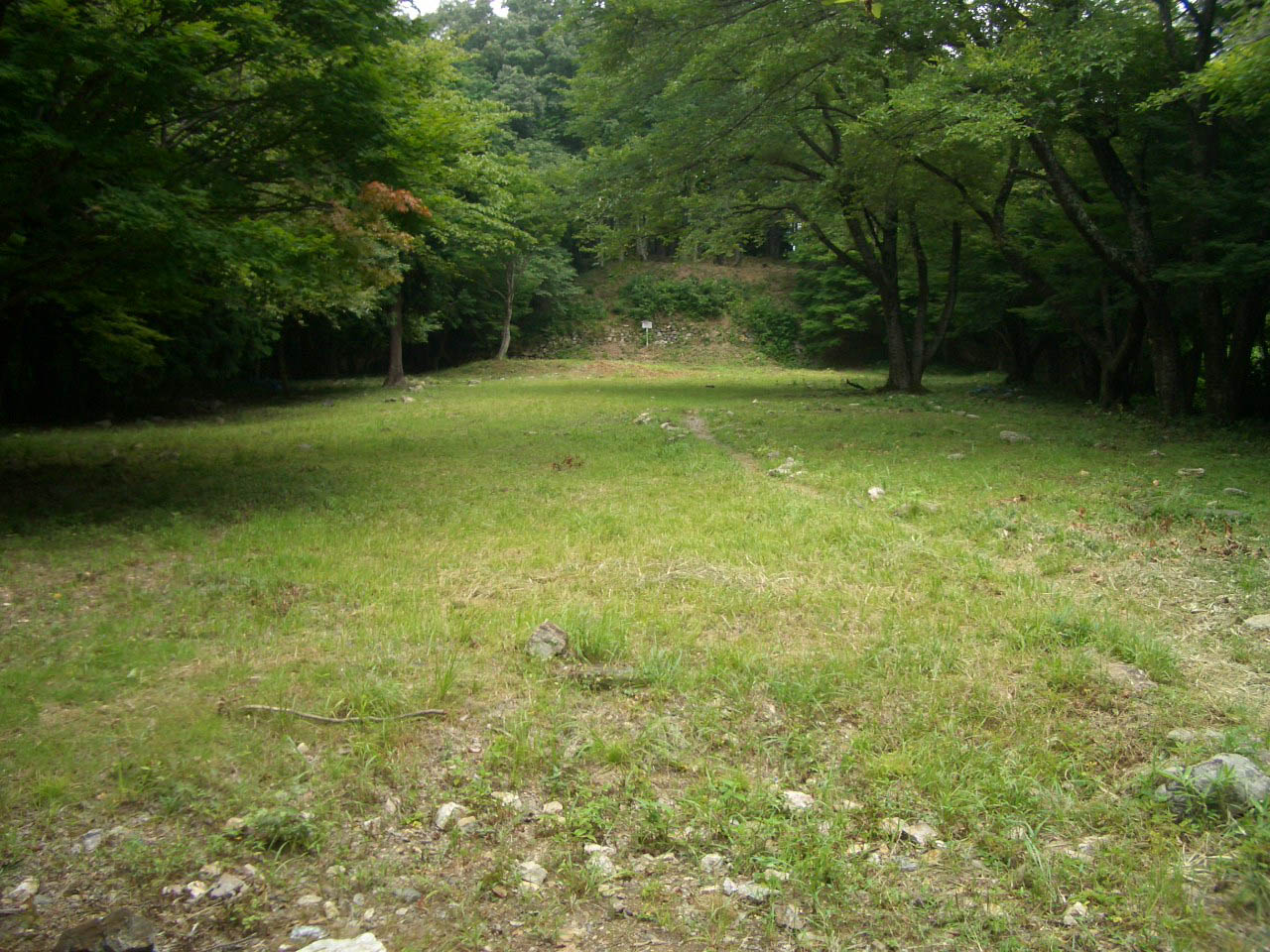
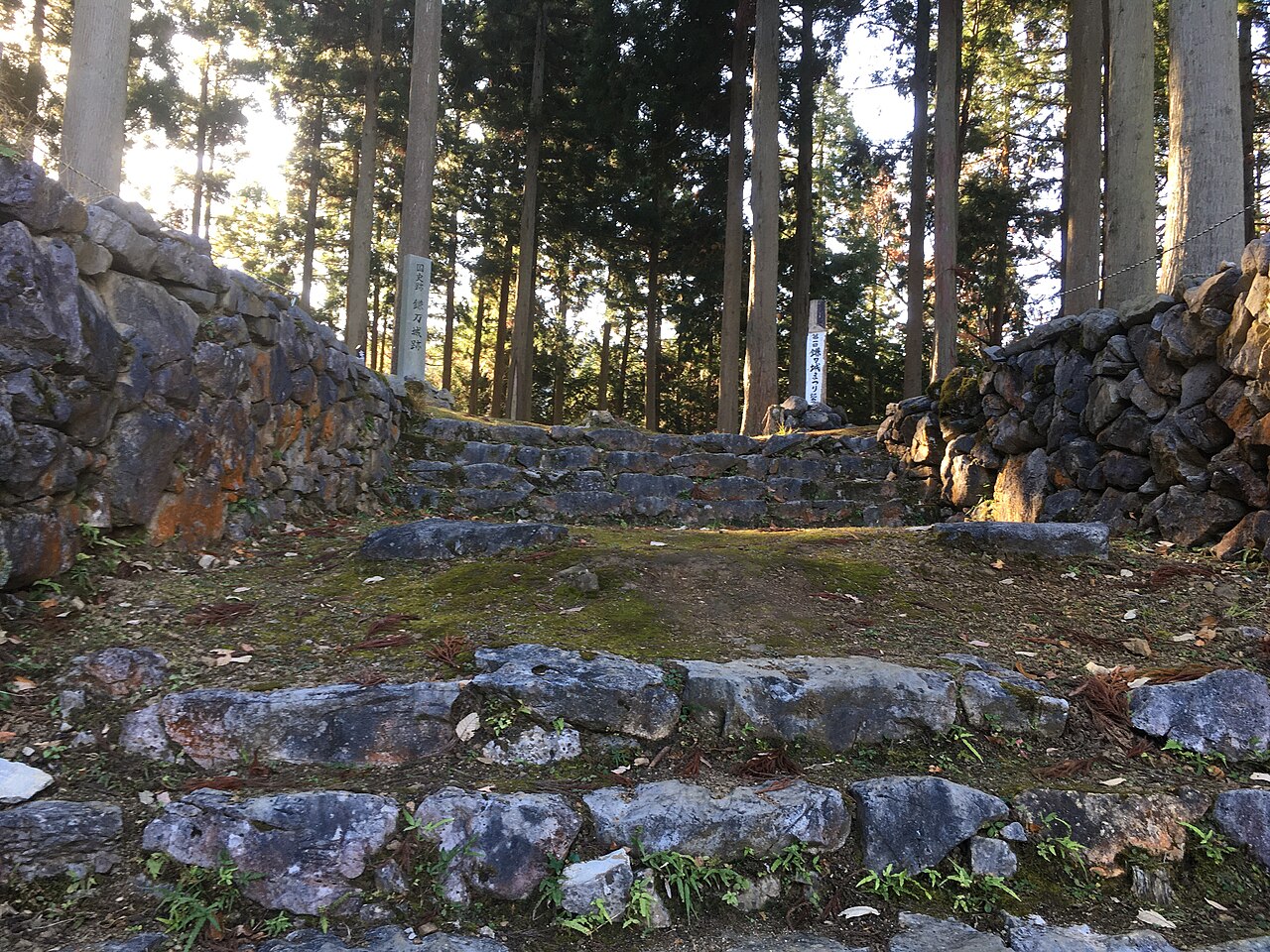
Nagahama Castle originally featured a central main keep (tenshu), surrounded by multiple baileys (maru) and defensive walls. The castle's stone foundations and walls were constructed using the ishigaki technique, which involved carefully fitting stones without mortar to create strong, resilient ramparts.
The castle grounds included gates fortified with guardhouses, watchtowers for surveillance, and a series of moats that enhanced its defenses. The strategic placement of the castle on a hill provided extensive views of the surrounding landscape, crucial for early warning against enemy advances.
Reconstruction and present condition
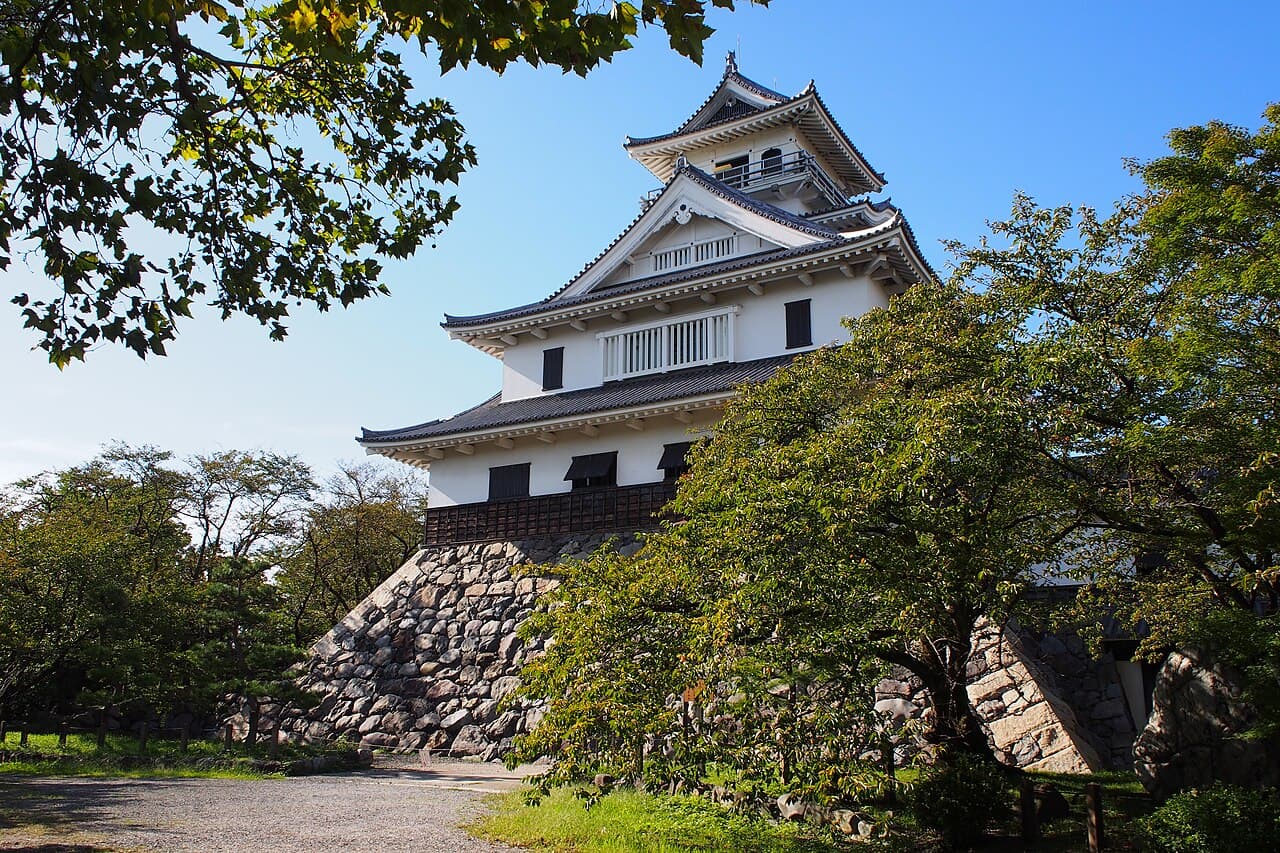
The original Nagahama Castle was dismantled in the early Edo period, but a reconstructed tenshu now stands on the site as a museum. This reconstruction, completed in the 20th century, serves to educate visitors about the castle's history and the era's architectural style. The museum houses exhibits on the castle's past, local history, and the life of Toyotomi Hideyoshi.
Today, the castle grounds are a popular destination for tourists and locals alike, featuring beautiful gardens and views of Lake Biwa. The site is well-maintained and offers walking paths that allow visitors to explore the castle's layout and enjoy the natural surroundings.
Significance in Japanese history
Nagahama Castle holds a notable place in Japan's Sengoku period history as a military and administrative center. It was instrumental in Hideyoshi's consolidation of power in the region and later influenced the development of the surrounding city of Nagahama.
The castle's presence contributed to the growth of the local economy and culture, serving as a hub for governance and trade. Its strategic location near Lake Biwa made it a key point for controlling transportation routes between eastern and western Japan.
Visiting Nagahama Castle
Visitors to Nagahama Castle can explore the reconstructed main keep, which functions as a museum with informative displays and artifacts. The castle grounds are accessible year-round, with special events held during cherry blossom season and autumn foliage periods.
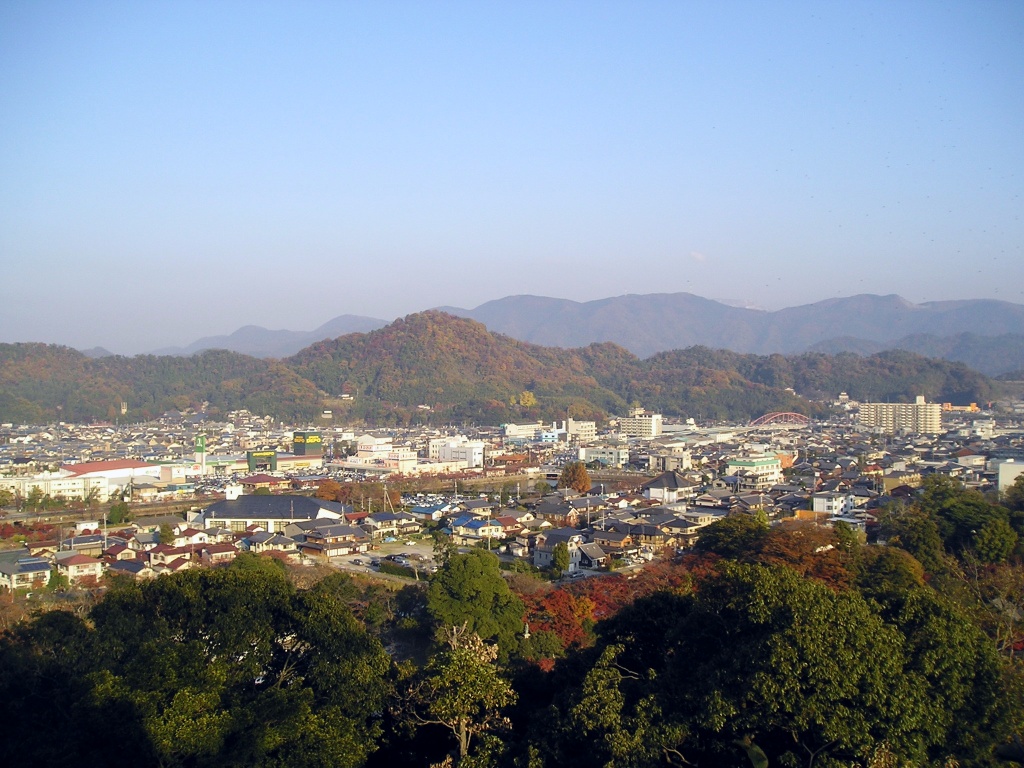
The site offers panoramic views of Lake Biwa and the surrounding cityscape, making it a favored spot for photography and cultural tourism. Nearby attractions include historic streets, temples, and local museums that complement a visit to the castle.
Frequently asked questions (FAQ)
- How do I get to Nagahama Castle?
- Nagahama Castle is accessible by public transportation, with the nearest train station being Nagahama Station. From there, you can take a bus or a taxi that will take you directly to the castle grounds.
- What is the historical significance of Nagahama Castle?
- Nagahama Castle was originally built in 1575 by Toyotomi Hideyoshi and played a crucial role during the Azuchi-Momoyama period. It served as a strategic military base and has witnessed various historical events, making it an important site for understanding Japan's feudal history.
- When was Nagahama Castle reconstructed?
- The current structure of Nagahama Castle was reconstructed in 1983, as the original castle was dismantled during the Meiji Restoration in the 19th century. The reconstruction aimed to preserve the historical architecture and provide visitors with insight into the castle's past.
- Can I enter Nagahama Castle?
- Yes, visitors can enter Nagahama Castle to explore its exhibits and enjoy panoramic views from the top of the castle tower. There is a small admission fee that helps maintain the castle and its grounds.
- Why is Nagahama Castle popular among tourists?
- Nagahama Castle is popular for its beautiful architecture, scenic views of Lake Biwa, and its rich history. Additionally, the surrounding park offers a peaceful atmosphere and is a great spot for cherry blossom viewing in spring.
- Is it possible to visit Nagahama Castle year-round?
- Yes, Nagahama Castle is open to visitors year-round, although hours may vary by season. It’s advisable to check the official website for current opening hours and any seasonal events that may enhance your visit.
- What are the ticket prices for Nagahama Castle?
- The admission fee for Nagahama Castle is quite affordable, typically around 500 yen for adults and reduced rates for children and seniors. This fee grants access to the castle tower and its exhibitions.
- What is the best time to visit Nagahama Castle?
- The best time to visit Nagahama Castle is during the cherry blossom season in April, when the surrounding park is in full bloom. Additionally, autumn offers stunning foliage, making it a picturesque time for photography and exploration.
- Are there any nearby attractions to Nagahama Castle?
- Yes, nearby attractions include the Nagahama Railway Museum and the scenic shores of Lake Biwa. Visitors can also explore the historic streets of Nagahama, which are filled with traditional shops and local cuisine.
Photo gallery

Information
Loading map...
Visitor reviews
No reviews yet. Been here? Write the first review and help other travelers!
Write the first reviewVisited this castle? Share your experience
Your review helps other travelers and adds first-hand knowledge to our encyclopedia.