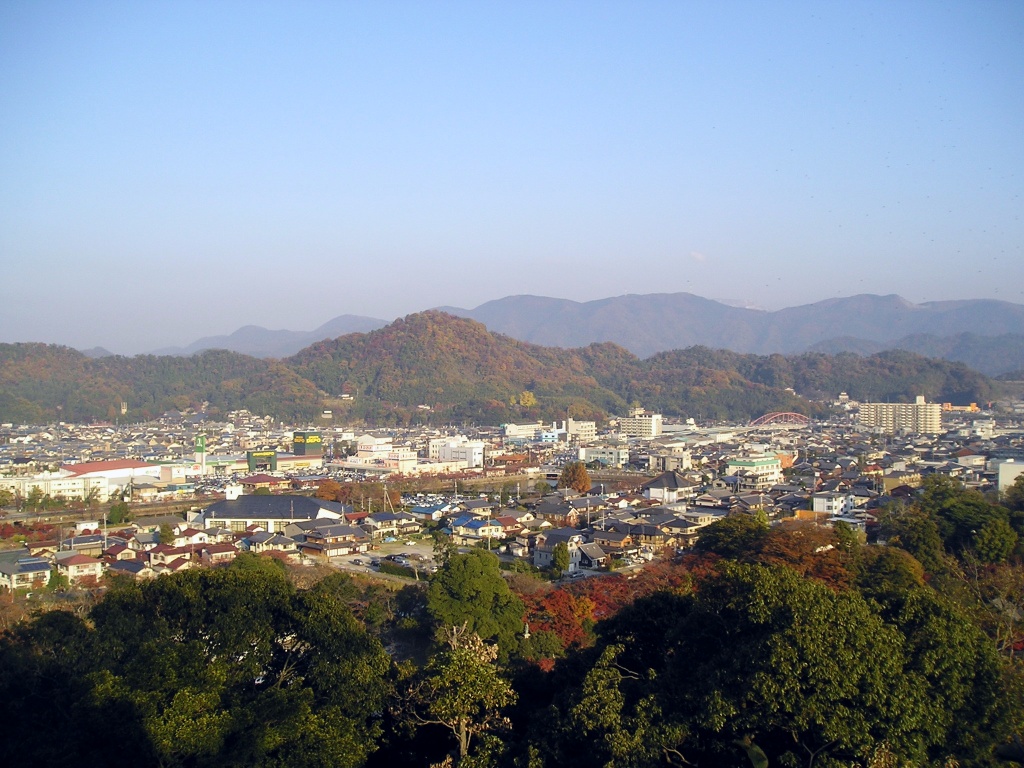
Kamaha Castle (鎌刃城, Kamaha jō) is a notable example of a Sengoku period yamashiro-style Japanese castle, situated in the Banba neighborhood of Maibara city, within Shiga Prefecture in the Kansai region of Japan. The castle's strategic location on a mountain provided natural defenses typical of yamashiro (mountain castles), which were prevalent during the turbulent Sengoku era (15th to 17th centuries) when regional warlords sought to fortify their holdings against rivals. The ruins of Kamaha Castle have been recognized for their historical significance and have been protected as a National Historic Site since 2005.
Historical context and strategic importance
Constructed during the Sengoku period, a time marked by constant military conflict and political upheaval, Kamaha Castle served as a defensive stronghold for local samurai clans. The Sengoku period, often referred to as the "Warring States" era, saw many castles built on mountainous terrain to maximize defensive advantages. Kamaha Castle's location in Shiga Prefecture placed it near important transportation routes and trade corridors, making it a valuable asset for controlling regional power dynamics.
The castle's role was primarily military, designed to withstand sieges and provide a secure base for its occupants. Its position allowed for surveillance over the surrounding valleys and roads, enabling early warning of enemy movements. This strategic function was typical of yamashiro castles, which relied heavily on natural topography combined with man-made fortifications.
Architectural features and layout
As a yamashiro-style castle, Kamaha Castle utilized the mountainous terrain to create a series of terraced enclosures and defensive walls that conformed to the natural landscape. The castle's design would have included stone walls and earthen ramparts that followed the contours of the hill, with narrow pathways connecting various baileys (courtyards) and defensive positions.
The main enclosure (honmaru) was likely situated at the highest point, providing a final defensive bastion and command center. Surrounding this were secondary enclosures (ni-no-maru and san-no-maru), which housed soldiers, supplies, and support facilities. The castle's defensive structures would have included gates designed to slow attackers, moats or dry ditches to hinder enemy advances, and watchtowers for surveillance.
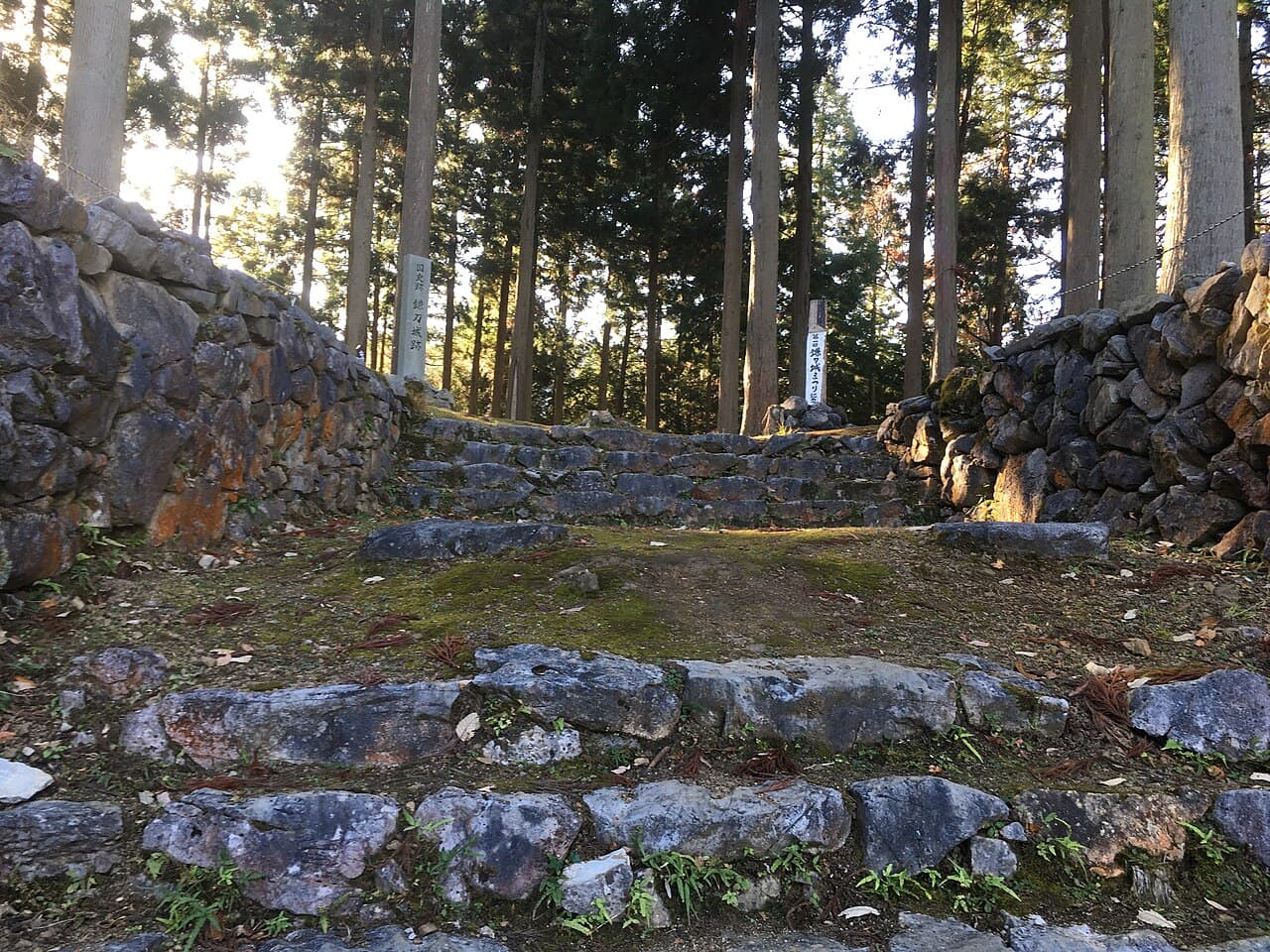
Due to the passage of time and the castle's abandonment, much of the original wooden architecture has not survived. However, archaeological excavations have uncovered remnants of stone foundations and earthworks that reveal the castle's original footprint and defensive strategy.
Archaeological significance and preservation
The designation of Kamaha Castle ruins as a National Historic Site in 2005 reflects the importance of preserving Japan's feudal heritage. Archaeological investigations have provided valuable insights into the construction techniques and military architecture of Sengoku period yamashiro castles.
Excavations have revealed artifacts such as pottery shards, weapon fragments, and building materials that help historians understand the daily life and defensive capabilities of the castle's occupants. These findings contribute to a broader understanding of regional conflicts and castle-building practices during one of Japan's most volatile historical periods.
Today, the site is accessible to visitors interested in Japanese history and castle architecture. While the castle stands in ruins, the earthworks and stone foundations offer a tangible connection to the past and an opportunity to explore the strategic ingenuity of Sengoku period fortifications.
Kamaha castle in the context of japanese castle development
Kamaha Castle exemplifies the characteristics of yamashiro-style castles that dominated the Sengoku period before the widespread adoption of flatland castles (hirajiro) in the subsequent Edo period. Its reliance on natural terrain for defense reflects the military priorities of the time, emphasizing protection and surveillance over comfort or administrative functions.
The castle's ruins contribute to the study of Japanese castle evolution, illustrating the transition from mountain fortresses to more complex, multi-functional castles that integrated residential, administrative, and military roles. Kamaha Castle remains an important site for understanding the architectural and historical developments that shaped Japan's feudal era.
Frequently asked questions (FAQ)
- How do I get to Kamaha Castle?
- Kamaha Castle is located in Maibara, Japan, and can be accessed by public transportation or car. If you're traveling by train, take the JR Tōkai Line to Maibara Station, then a short taxi ride will take you to the castle. Parking is available for those who prefer to drive.
- What is the historical significance of Kamaha Castle?
- Kamaha Castle dates back to the late 16th century and played a crucial role during the Sengoku period. It was originally built as a strategic fortification to control the surrounding area and has since become a symbol of local heritage. The castle's history is rich with tales of samurai and battles that shaped the region.
- When was Kamaha Castle constructed?
- Construction of Kamaha Castle began in 1585 under the orders of the feudal lord, Toyotomi Hideyoshi. The castle was completed in 1590 and served as a military stronghold for many years. Today, it stands as a testament to Japan's feudal past and architectural ingenuity.
- Can I visit the castle year-round?
- Yes, Kamaha Castle is open to visitors year-round, but it's essential to check for any seasonal events or maintenance closures. The best time to visit is during spring and fall when the weather is pleasant, and the surrounding landscape is particularly beautiful. Guided tours are also available during peak seasons.
- Why is the architecture of Kamaha Castle noteworthy?
- The architecture of Kamaha Castle is a fine example of traditional Japanese castle design, featuring wooden structures, stone walls, and strategic layouts. The castle's layout was designed for defense while also providing a residence for the ruling samurai. Its aesthetic beauty and historical construction methods attract architecture enthusiasts.
- Is it possible to take guided tours of Kamaha Castle?
- Yes, guided tours are available at Kamaha Castle, providing visitors with in-depth knowledge of its history and architecture. These tours are conducted by knowledgeable guides who can share fascinating stories and insights. It's advisable to book in advance, especially during busy seasons.
- What are the opening hours for Kamaha Castle?
- Kamaha Castle is typically open from 9:00 AM to 5:00 PM, with extended hours during the summer months. However, it’s best to verify the current opening hours on the official website or contact the visitor center before your visit. Remember to plan your visit accordingly to make the most of your experience.
- What are the ticket prices for visiting Kamaha Castle?
- The entrance fee for Kamaha Castle is generally affordable, with discounts available for students and seniors. Children under a certain age may enter for free. Always check the official website for the most current ticket prices and any special promotions before your visit.
- Are there any nearby attractions to explore after visiting Kamaha Castle?
- Yes, there are several nearby attractions to enjoy after your visit to Kamaha Castle. The Maibara area offers beautiful natural scenery, including parks and hiking trails. Additionally, visitors can explore local museums and traditional Japanese gardens that showcase the rich culture of the region.
Photo gallery

Information
Current owner
National government
Loading map...
Visitor reviews
No reviews yet. Been here? Write the first review and help other travelers!
Write the first reviewVisited this castle? Share your experience
Your review helps other travelers and adds first-hand knowledge to our encyclopedia.