Sawayama Castle
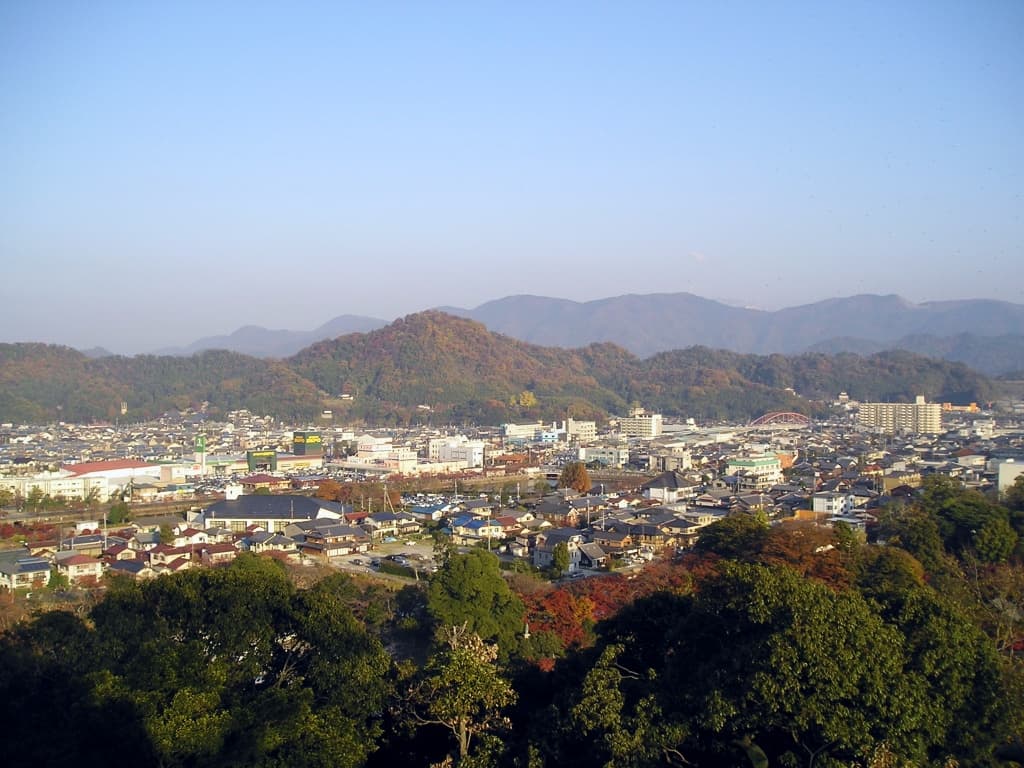
Sawayama Castle (佐和山城, Sawayama-jō) was a prominent Sengoku period fortress located in what is now the city of Hikone, Shiga Prefecture, Japan. Positioned strategically on Mount Sawayama, the castle played a significant role as a military stronghold in the historic Ōmi Province. Its elevated location offered commanding views of the surrounding plains and Lake Biwa, Japan's largest freshwater lake, enhancing its defensive capabilities and regional importance.
The castle's origins trace back to the tumultuous 15th and 16th centuries during the Sengoku period, a time of nearly constant military conflict and shifting alliances among feudal lords. Initially, the Azai clan held control of Sawayama Castle, using it as a base to assert power in the region. Following the defeat and ruin of the Azai, the castle came under the command of Niwa Nagahide, a trusted general of Oda Nobunaga, who was instrumental in unifying Japan. Later, the castle was held by Ishida Mitsunari, a key figure in the late Sengoku period and a prominent daimyo allied with the Toyotomi clan.
Architectural features and defensive design
Sawayama Castle was a typical example of a mountaintop castle or yamashiro, utilizing the natural terrain to enhance its defenses. The castle complex was built on the steep slopes of Mount Sawayama, incorporating multiple baileys (courtyards) connected by narrow paths and steep stairways. The stone walls, earthen ramparts, and wooden structures were arranged to maximize protection against attackers.
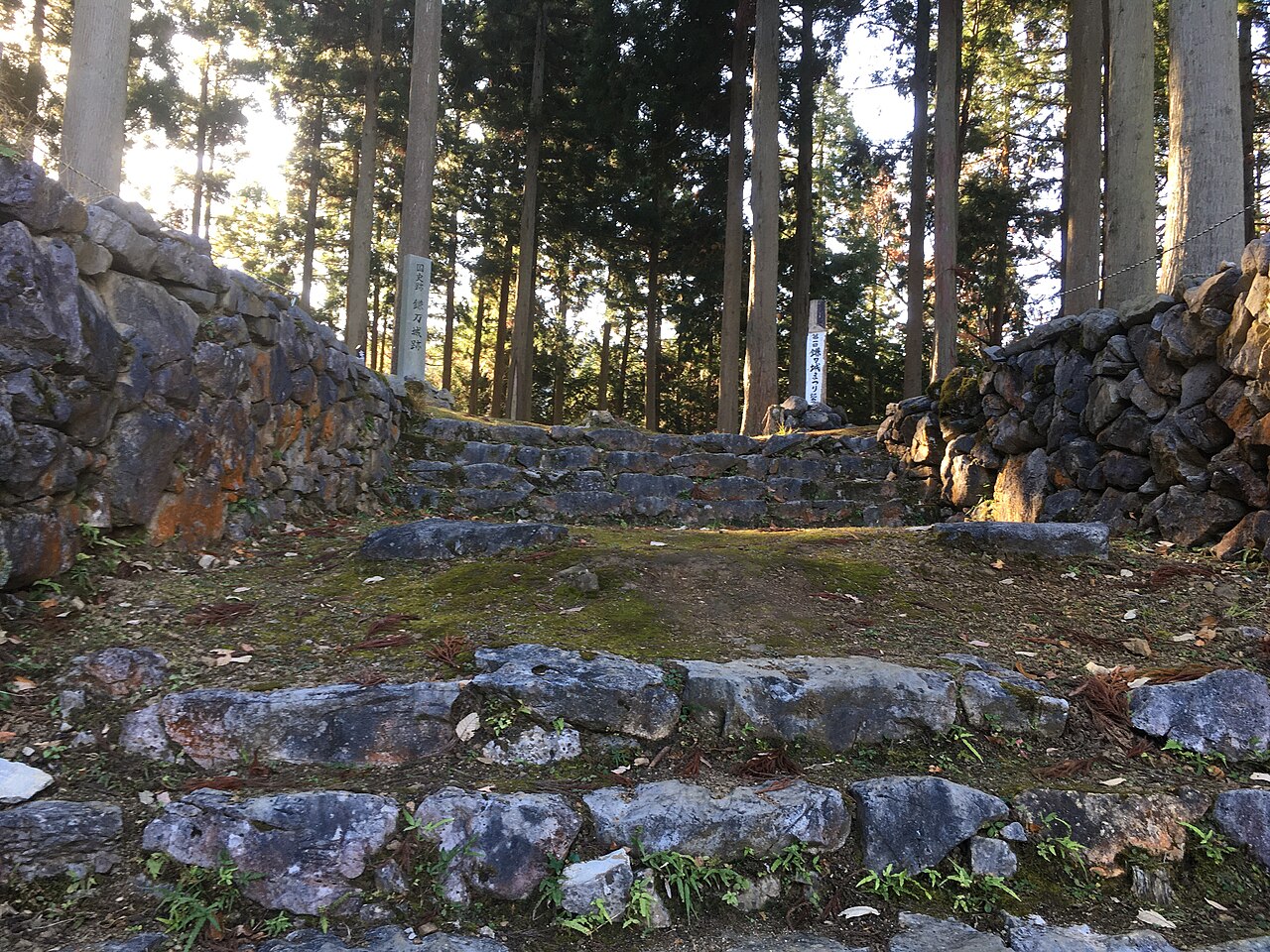
The castle featured stone walls (ishigaki) that were skillfully constructed to withstand sieges and erosion. These walls helped defend the inner compounds, which housed the main keep (tenshu), residential quarters, and storage facilities. The layout took advantage of the mountain's natural ridges and cliffs, making direct assaults difficult.
Historical significance and military events
Sawayama Castle's history is closely linked to the power struggles of the late 16th century. After the fall of the Azai clan, the castle became a stronghold for forces loyal to Oda Nobunaga and later Toyotomi Hideyoshi. Under Ishida Mitsunari, the castle served as a strategic base during the conflicts leading up to the Battle of Sekigahara in 1600, a decisive battle that shaped the future of Japan.
Following the Battle of Sekigahara, the castle was attacked by Kobayakawa Hideaki, who sided with Tokugawa Ieyasu. Despite the determined defense by Ishida Masazumi and his father Ishida Masatsugu, the castle surrendered within half a day. This rapid fall marked the end of Ishida control over the region.
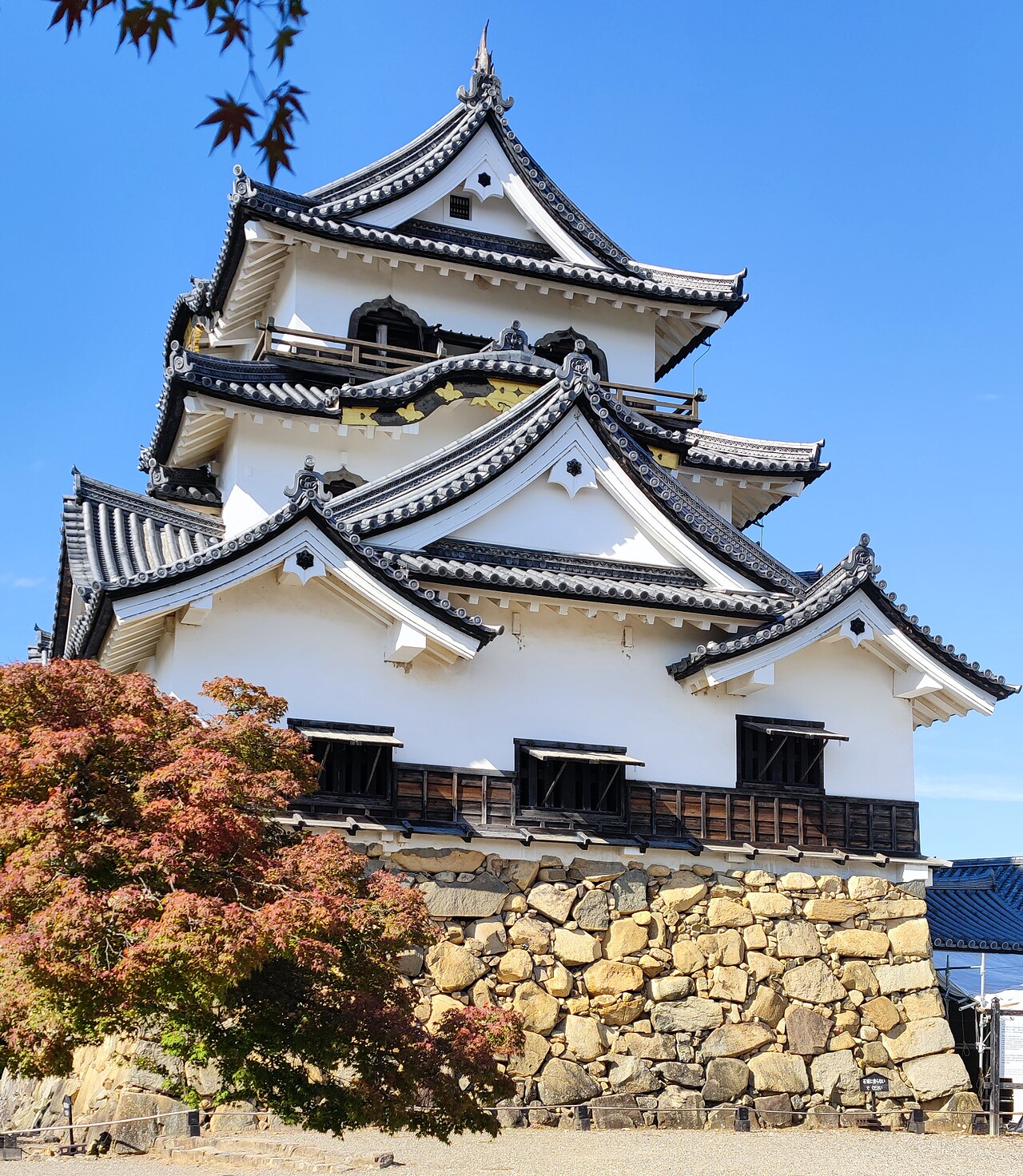
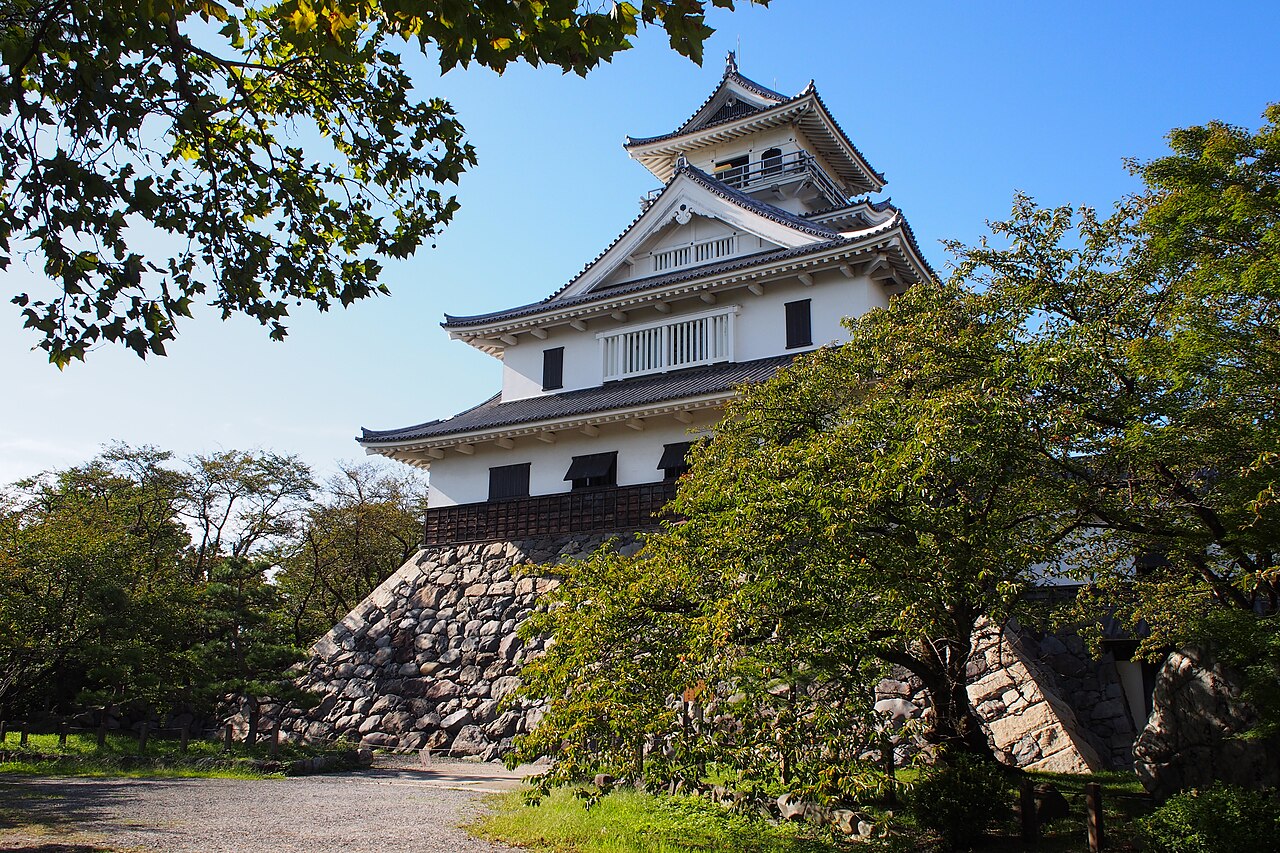
Subsequently, Ii Naomasa, a prominent general of the victorious Tokugawa clan, took possession of Sawayama Castle. However, he chose to dismantle it and transfer his base to the newly constructed Hikone Castle. Much of Sawayama's stonework and building materials were repurposed for the construction of Hikone Castle, contributing to the latter's formidable defenses.
Present condition and cultural heritage
Today, Sawayama Castle exists primarily as archaeological ruins. The original structures no longer stand, and the site is marked by a sign indicating "The Site of Sawayama Castle." Visitors to the area can explore the remains of the stone walls and earthworks scattered across the mountain.
The site is accessible via a popular hiking trail that leads to the summit of Mount Sawayama. From the top, hikers are rewarded with expansive panoramic views that include the well-preserved Hikone Castle and the scenic Lake Biwa. This vantage point offers a tangible connection to the region's feudal past and the strategic importance of Sawayama Castle.
Preservation efforts and public access
While no major reconstruction has taken place, local authorities have maintained the hiking paths and signage to facilitate educational visits and tourism. The site serves as a historical landmark, providing insight into Japanese castle architecture and the military history of the Sengoku period.
Visitors interested in Japanese history and castle architecture often combine a visit to Sawayama Castle ruins with a tour of the nearby Hikone Castle, one of Japan's most famous and well-preserved castles, creating a comprehensive experience of the region's heritage.
Frequently asked questions (FAQ)
- How do I get to Sawayama Castle?
- Sawayama Castle is located in Hikone, Japan, and can be easily accessed via public transportation. Visitors can take a train to Hikone Station and then a short bus ride or taxi to the castle. Walking from the station to the castle takes about 30 minutes, offering a scenic view of the area.
- What is the historical significance of Sawayama Castle?
- Sawayama Castle, built in the late 16th century, played a strategic role in the region during the Sengoku period. It was originally constructed by the warlord Toyotomi Hideyoshi and later became a prominent fortress for various feudal lords. Today, it is recognized as an important cultural heritage site in Japan.
- When was Sawayama Castle built?
- Sawayama Castle was constructed in 1585 by Toyotomi Hideyoshi. Although much of the original structure has been lost over the years, it remains a significant historical landmark that reflects the architectural style of the time. Restoration efforts have helped preserve its historical essence for visitors.
- Can I enter Sawayama Castle?
- Visitors can explore the ruins of Sawayama Castle, which include its stone walls and scenic viewpoints. While the main keep is no longer standing, the site offers a glimpse into its rich history and stunning views of Hikone and Lake Biwa. Guided tours are available to enhance your visit.
- Why is Sawayama Castle a popular tourist attraction?
- Sawayama Castle attracts visitors due to its historical significance, beautiful natural surroundings, and panoramic views of the region. The castle's location on a hilltop provides a breathtaking backdrop, making it a favorite spot for photography and sightseeing. Additionally, it is part of the Hikone area's rich cultural heritage.
- Is it possible to visit Sawayama Castle year-round?
- Yes, Sawayama Castle is open to visitors year-round, although the best time to visit is during the spring and autumn months. These seasons offer pleasant weather and stunning foliage, enhancing the beauty of the castle and its surroundings. Be sure to check for any seasonal events or festivals that may occur during your visit.
- What are the opening hours for Sawayama Castle?
- Sawayama Castle is generally open from 9 AM to 5 PM, but hours may vary seasonally. It is advisable to check the official website or local tourist information for the most current opening times before your visit. Planning your trip around these hours will ensure you have ample time to explore.
- Are there any nearby attractions to Sawayama Castle?
- Yes, there are several attractions near Sawayama Castle, including Hikone Castle and the beautiful Genkyuen Garden. Both sites are within a short distance and offer additional historical and cultural experiences. Exploring these nearby attractions can provide a fuller understanding of the area's rich heritage.
- What are the ticket prices for Sawayama Castle?
- Admission to Sawayama Castle is free, allowing visitors to explore the site without any cost. However, there may be charges for guided tours or special events. It is a great opportunity for those interested in history and architecture to enjoy a remarkable site without any financial barriers.
Photo gallery

Photo by Si-take. at Japanese Wikipedia(しいたけ) This photo was taken with Olympus X-350 / D-575Z / C-360Z•CC BY-SA 3.0
Information
Loading map...
Visitor reviews
No reviews yet. Been here? Write the first review and help other travelers!
Write the first reviewVisited this castle? Share your experience
Your review helps other travelers and adds first-hand knowledge to our encyclopedia.