Musyaf Castle
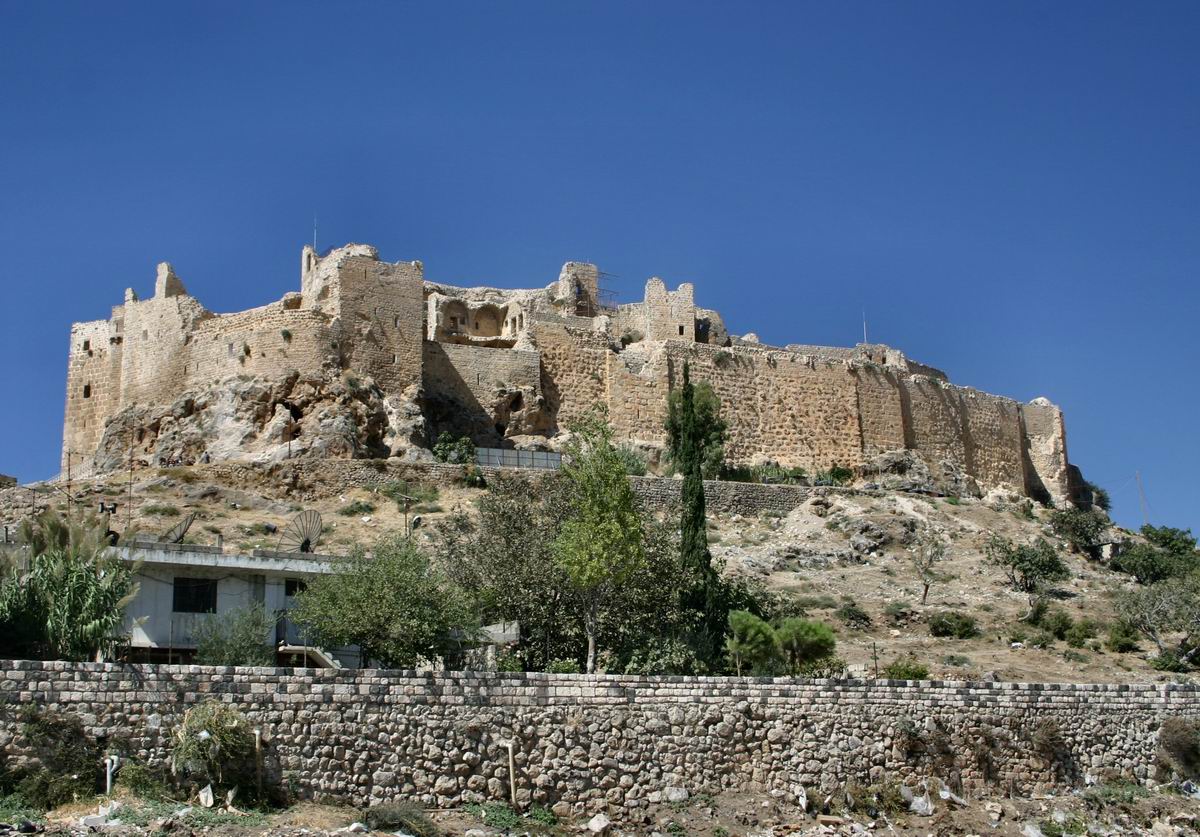
Musyaf Castle stands as a monumental fortress in the historic city of Masyaf, located in the Syrian Arab Republic. This imposing stronghold is famously associated with the medieval sect known as the Hashshashin or Assassins, a group that has inspired countless legends and significantly influenced the history of the Middle East.
The term "Hashshashin" has long been misunderstood in Western lore, often inaccurately linked to the consumption of hashish. However, modern scholarship suggests that this name was likely a derogatory term derived from their original name, the Asasiyun, meaning "foundation of the faith." The true legacy of the Hashshashin lies in their reputation as highly skilled and feared assassins who executed covert operations from their base at Musyaf Castle.
Historical significance of Musyaf Castle
Musyaf Castle was a critical military and political center during the High Medieval period, particularly in the 12th century when it served as the headquarters of the Hashshashin under the leadership of the enigmatic figure Rashid ad-Din Sinan. Sinan was instrumental in consolidating the power of the Assassins in the Levant, using Musyaf as a base for launching strategic missions against Crusader and Muslim rivals alike.
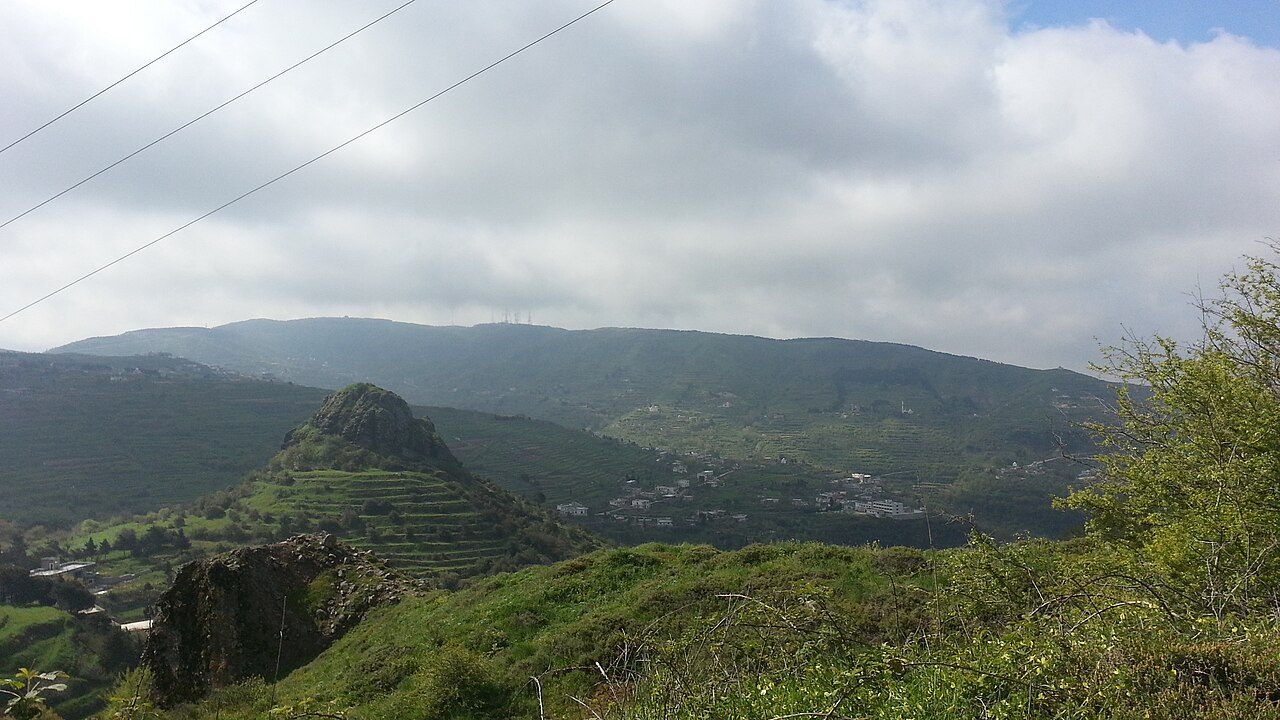
The castle's strategic location atop a hill overlooking the surrounding plains provided an excellent vantage point for defense and surveillance. Its control was vital for maintaining the sect's influence in the region. The fortress witnessed numerous sieges and political intrigues, reflecting the turbulent dynamics of the Crusades and intra-Muslim conflicts.
Architectural features and defensive design
Musyaf Castle exemplifies the characteristics of a hill castle designed for defense and control. Built primarily during the High Medieval period, its architecture incorporates robust stone walls, towers, and gatehouses that were adapted to the rugged terrain of the Syrian mountains.
The fortress includes multiple layers of fortifications, with a complex system of battlements and arrow slits allowing defenders to repel attackers effectively. The castle's layout features a central keep or donjon, which served as the last line of defense and the residence of the leader. Surrounding courtyards and chambers accommodated soldiers, servants, and storage facilities.
Water supply was a critical concern for the castle's inhabitants, and Musyaf was equipped with cisterns to collect and store rainwater, ensuring sustainability during sieges. The castle's design reflects a blend of military functionality and the austere lifestyle of the Assassins.
Adaptations and restorations
Over the centuries, Musyaf Castle has undergone various phases of repair and modification, reflecting changes in military technology and ownership. While the fortress retains much of its original medieval structure, some areas have been restored to preserve its historical integrity. The current condition of the castle is best described as partially preserved, with significant sections accessible to visitors.
Legacy of the Hashshashin and cultural impact
The Hashshashin's legacy transcends their military exploits. Their methods of targeted assassination influenced both contemporary and later political tactics. The mystique surrounding their secretive operations and the fortress of Musyaf has permeated popular culture, inspiring novels, films, and video games.
Musyaf Castle remains a symbol of the complex interplay between faith, power, and violence in medieval Islamic history. It attracts historians, archaeologists, and tourists interested in the enigmatic past of the Assassins and the broader context of the Crusades.
Visiting Musyaf Castle today
Today, Musyaf Castle is a valuable cultural heritage site. Visitors can explore its rugged battlements, climb its towers, and imagine the strategic operations that once unfolded within its walls. The castle's dramatic setting and historical significance make it a compelling destination for those fascinated by medieval military architecture and the shadowy history of the Assassins.
Frequently asked questions (FAQ)
- What is the historical significance of Masyaf Castle?
- Masyaf Castle is an iconic fortress that dates back to the 11th century and is renowned for its association with the Assassins, a secretive group during the Crusades. It played a crucial role in the defense and administration of the region, showcasing the intricate political and military strategies of the time.
- When was Masyaf Castle built?
- Masyaf Castle was originally constructed in 1090 AD, with significant renovations and expansions occurring over the centuries. Its architecture reflects a blend of Islamic and Crusader influences, making it a fascinating subject for historians and visitors alike.
- Can I visit Masyaf Castle?
- Yes, Masyaf Castle is open to visitors who wish to explore its rich history and stunning architecture. Guided tours are available, providing insights into the castle's significance and the legends associated with it.
- What are the opening hours for Masyaf Castle?
- Masyaf Castle is typically open from 8:00 AM to 6:00 PM, but it is advisable to check for specific seasonal hours before your visit. This ensures you can plan your trip accordingly and make the most of your time at the castle.
- How do I get to Masyaf Castle?
- Masyaf Castle is located about 60 kilometers southwest of Homs, Syria, and can be reached by car or local transportation. The scenic drive through the Syrian countryside adds to the experience, making your journey to the castle memorable.
- Is it possible to take photographs inside Masyaf Castle?
- Photography is generally allowed in many areas of Masyaf Castle, enabling visitors to capture the breathtaking views and intricate architectural details. However, be sure to respect any signs or guidelines regarding photography to ensure a pleasant experience for everyone.
- What is the best time to visit Masyaf Castle?
- The best time to visit Masyaf Castle is during the spring (March to May) or autumn (September to November) when the weather is mild and pleasant. These seasons provide ideal conditions for exploring the castle and its surroundings.
- Are there nearby attractions to visit while at Masyaf?
- Yes, while visiting Masyaf Castle, you can explore nearby attractions such as the ancient city of Crac des Chevaliers, a UNESCO World Heritage site, and the picturesque village of Masyaf itself. These sites offer additional insights into the region's rich history and stunning landscapes.
- What are the ticket prices for Masyaf Castle?
- Ticket prices for Masyaf Castle are typically affordable, making it accessible for a wide range of visitors. It is recommended to check the current rates on the official tourism website or at the castle entrance, as prices may vary based on nationality and age.
Information
Loading map...
Visitor reviews
No reviews yet. Been here? Write the first review and help other travelers!
Write the first reviewVisited this castle? Share your experience
Your review helps other travelers and adds first-hand knowledge to our encyclopedia.