al-Sheikh Deeb Castle
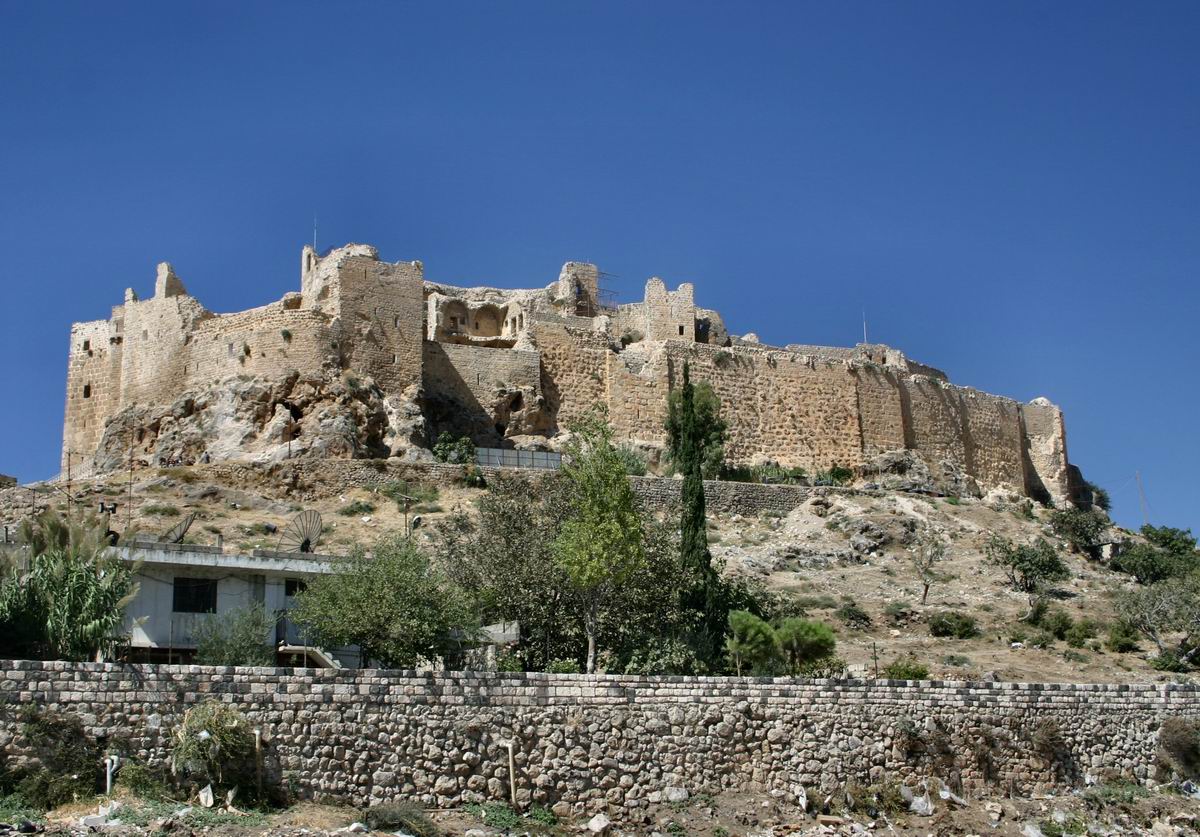
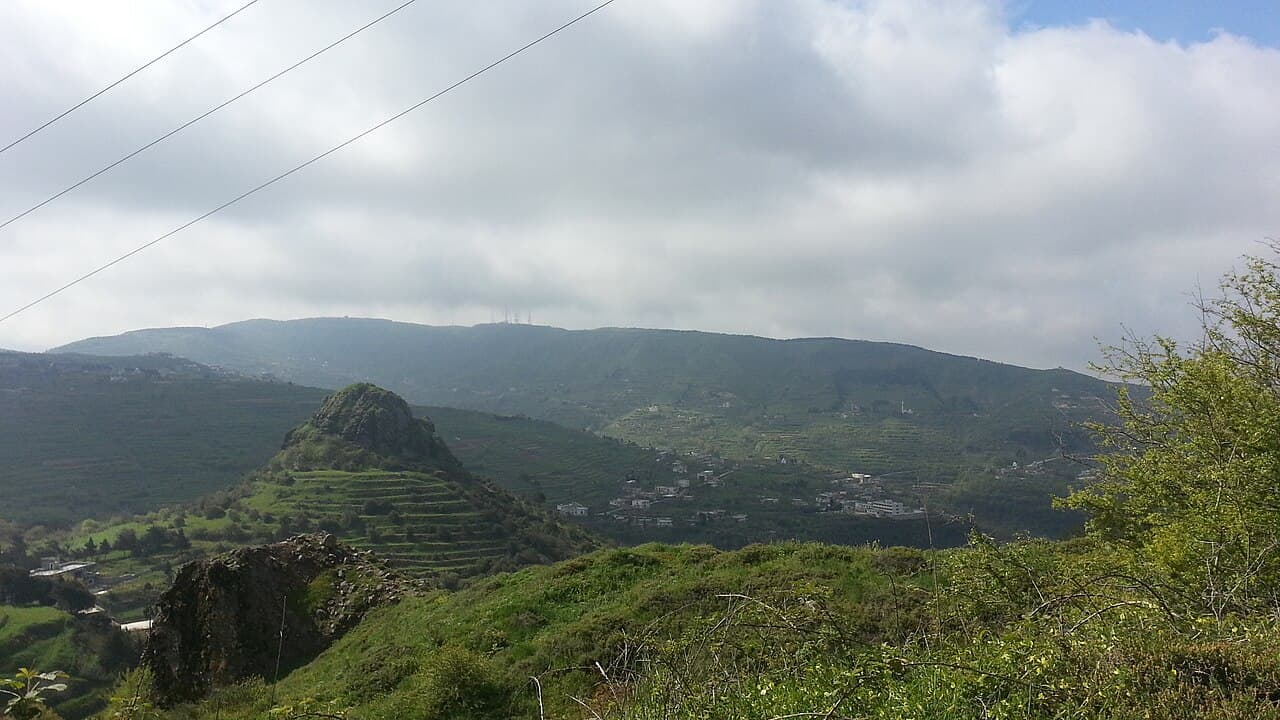
Al-Sheikh Deeb Castle, also known as Qulay'a fortress, is a medieval citadel located in the northwestern region of the Syrian Arab Republic, within the Tartus Governorate. The castle stands prominently at an elevation of approximately 730 meters (2,400 feet) above sea level, overlooking the surrounding landscape of the Syrian coastal mountains. This strategic position provided the fortress with significant defensive advantages and a commanding view of the approaches, which was crucial during the medieval period.
The village of Qulay'a itself, administratively linked to the Tartus Governorate, had a population of 1,360 as recorded in the 2004 census. The fortress is locally known as Al-Sheikh Deeb Castle (Arabic: قلعة الشيخ ديب, romanized: Qal'at Sheikh Dib), a name that reflects local historical and cultural associations.
Historical significance and the Nizari Ismaili state
Al-Sheikh Deeb Castle was one of several fortresses held by the Nizari Ismaili state during the medieval period in the Syrian coastal mountains. The Nizari Ismailis, a sect of Shia Islam, established a network of fortified strongholds across Syria and Persia from the 11th to the 13th centuries. These castles served as defensive bastions, administrative centers, and refuges for the community during times of conflict.
The castle's role as a Nizari Ismaili fortress indicates its importance in regional power struggles and its function within the broader context of Crusader and Muslim interactions in the Levant. The Nizari Ismailis were known for their strategic use of mountain fortresses, which allowed them to maintain autonomy despite pressures from larger powers.
Architectural features and layout
As a hill castle, Al-Sheikh Deeb Castle is characterized by its placement on elevated terrain, which maximizes natural defenses. The fortress likely features typical medieval military architectural elements such as thick defensive walls, battlements, and towers positioned to oversee the surrounding valleys and routes.
While detailed architectural surveys of the castle are limited, the design would have included a keep or donjon as the central stronghold, surrounded by curtain walls forming an enclosed courtyard. Defensive features probably included narrow arrow slits, gatehouses with fortified entrances, and possibly a moat or ditch adapted to the hillside terrain.
Materials and construction techniques
The construction of the fortress would have utilized locally available stone, shaped and laid to create robust walls capable of withstanding siege warfare. The use of mortar and stone masonry techniques typical of the medieval Islamic military architecture would have been employed, combining functionality with durability.
Geographical and strategic context
The location of Al-Sheikh Deeb Castle in the Syrian coastal mountains provided it with natural defensive advantages. The elevation at 730 meters allowed for surveillance of the surrounding area, including important trade and military routes along the Mediterranean coast.
This strategic position helped the Nizari Ismailis to monitor movements of Crusader forces and other regional powers, enabling rapid communication and defense coordination among their network of castles.
Current status and preservation
Today, Al-Sheikh Deeb Castle stands as a partially preserved medieval fortress. The extent of preservation varies, with some sections of the walls and towers still visible, while other parts have suffered from the passage of time and lack of extensive restoration efforts.
Due to its historical and cultural significance, the site attracts interest from historians and archaeologists specializing in medieval Islamic fortifications and the history of the Nizari Ismaili state in Syria.
Visiting information and accessibility
As the exact city or town location within the Tartus Governorate is not precisely documented, visitors interested in exploring Al-Sheikh Deeb Castle should seek local guidance for access routes. The castle's hilltop position means that reaching the site may require trekking or off-road travel.
There is limited tourist infrastructure, so visitors should prepare accordingly. The site offers a unique opportunity to experience a medieval fortress within its natural mountainous setting, providing insights into the military architecture and history of the Nizari Ismaili period in Syria.
Frequently asked questions (FAQ)
- What is the historical significance of Al-Sheikh Deeb Castle?
- Al-Sheikh Deeb Castle was a key fortress held by the Nizari Ismaili state in the Syrian coastal mountains during the medieval period, serving defensive and administrative roles.
- Can visitors access Al-Sheikh Deeb Castle easily?
- The castle is located on a hilltop in the Tartus Governorate and may require trekking or off-road travel; local guidance is recommended for access.
- What architectural features characterize Al-Sheikh Deeb Castle?
- As a hill castle, it features thick defensive walls, battlements, towers, and a central keep, typical of medieval military fortifications in the region.
- Is Al-Sheikh Deeb Castle well preserved?
- The castle is partially preserved, with some walls and towers still visible, though it has suffered from time and limited restoration.
- Why was the castle built at its specific location?
- Its elevation at 730 meters provided strategic surveillance over trade and military routes along the Mediterranean coast, enhancing defense capabilities.
Photo gallery

Information
Loading map...
Visitor reviews
No reviews yet. Been here? Write the first review and help other travelers!
Write the first reviewVisited this castle? Share your experience
Your review helps other travelers and adds first-hand knowledge to our encyclopedia.