Masyaf Castle
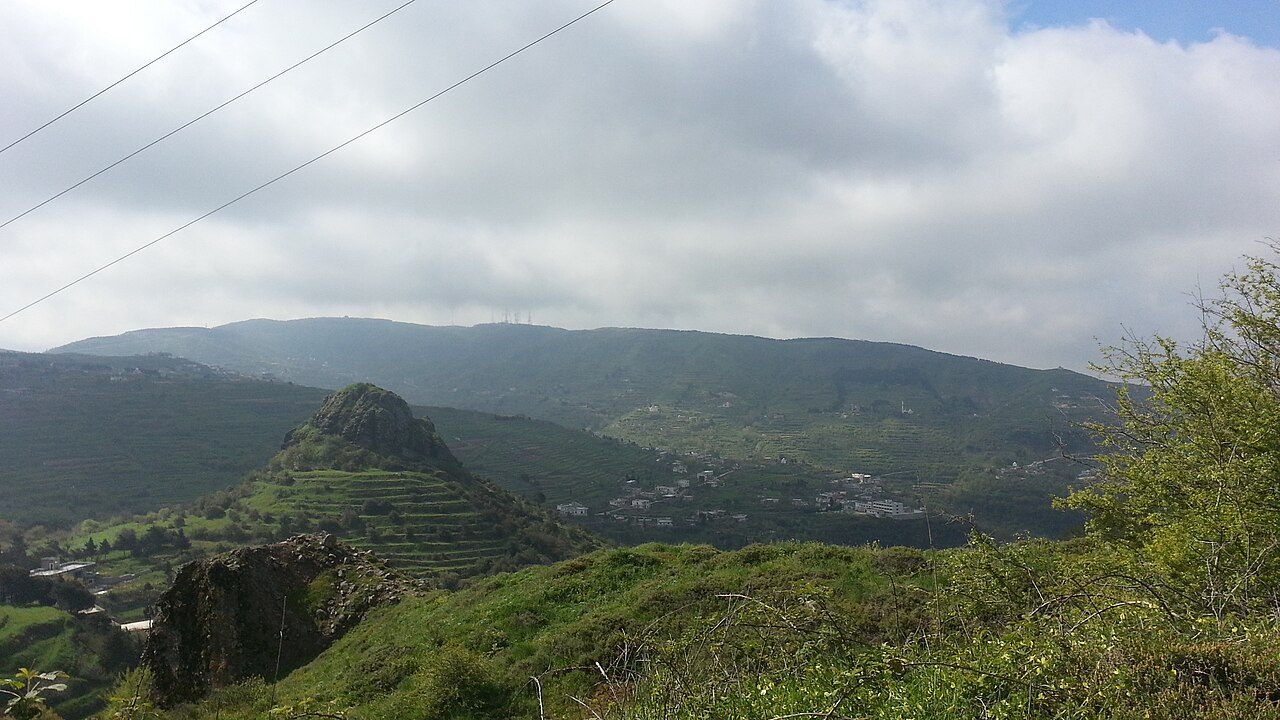
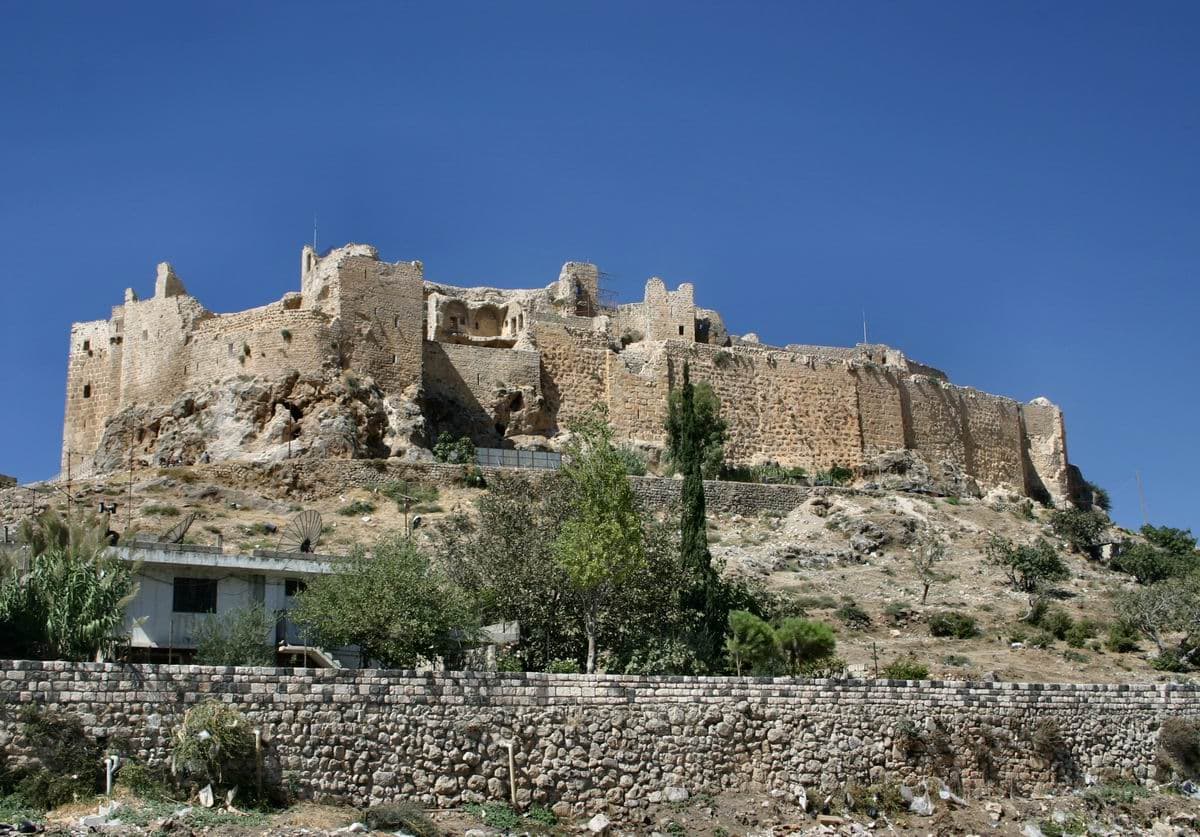
Masyaf Castle stands as a monumental testament to centuries of military and cultural history in the Syrian Arab Republic. Perched on a rocky plateau approximately 20 meters above the surrounding terrain, this hill castle occupies a commanding position that has been fortified since antiquity. Its strategic location allowed control over vital trade and military routes, making it a coveted stronghold for various empires and factions throughout history.
The castle's origins trace back to the Roman era, with initial fortifications established around 44 BCE. These early defenses formed part of a broader network aimed at securing the region. Over time, Masyaf evolved through successive phases of construction and renovation, reflecting the changing military technologies and architectural styles of the Byzantine, Islamic medieval, and Mamluk periods.
Historical significance and ownership
During the early 12th century, Masyaf Castle came under the control of the Mirdasid emir Thabit ibn Mahmud. In 1127 CE, it was sold to the notable ruler Sultan ibn Munqidh. The castle gained its most famous association when seized in 1141 by the Nizari Ismailis, also known as the Assassins, under the leadership of Rashid ad-Din Sinan. Sinan transformed Masyaf into the administrative and military center of the Nizari emirate, which flourished in the region from the mid-1100s through the late 1200s.
The fortress's military resilience was notably demonstrated during the 1176 siege by Saladin, which ended in a negotiated truce rather than conquest. This event underscored Masyaf's formidable defenses and strategic importance. The castle's control shifted again during the Mongol invasions of the 13th century; briefly captured in 1260, it was soon reclaimed through alliances with the Mamluks. By 1270, Masyaf was firmly under the authority of the Mamluk Sultan Baibars.
In the 19th century, the castle became a contested site during regional power struggles. In 1808, Alawite forces seized it after killing the ruling Ismaili emir. The Ismailis later regained control with Ottoman support. The fortress sustained damage during the 1830s campaign of Ibrahim Pasha. Throughout the Ottoman era, Masyaf functioned as an administrative center. During the French Mandate period (1920–1946), it housed a French garrison before falling into neglect.
Architectural features and fortifications
Masyaf Castle's layout is roughly square, centered on an inner citadel situated on the highest southern part of the plateau. This citadel is fortified by rectangular towers at each corner, each with two levels of defensive positions, enclosing an open courtyard at ground level. The castle's multiple defensive walls reflect its complex construction history.
The outer defensive wall follows the plateau's edge, reinforced by five substantial rectangular buttress towers that provide robust support. At the hill's base, an additional outer wall with several rectangular towers equipped with small arrow slits offers layered defense. These arrow slits are designed for archers stationed on two defensive levels, enhancing the fortress's protection against siege warfare.
The main entrance, located at the southwestern corner of the outer wall, exemplifies Islamic architectural design. It features two large halls connected by a long corridor with a right-angle turn, a defensive layout that complicates direct assaults. From this entrance, two primary internal routes extend: a northern 65-meter passage cut partially into bedrock, flanked by arrow slits and towers leading to a large hall; and a southern stairway and rock-cut gate ascending to the upper castle area.
Construction techniques evolved over time. Early walls combined large and small stones, with later reinforcements including double walls to counter advances in siege technology. The late 12th century renovations under Rashid ad-Din Sinan introduced polygonal towers with five large arrow slits on two defensive levels, particularly along the western and northern sides, enhancing the castle's military capabilities.
In the early 13th century, a palace was added within the upper inner citadel, marked by a decorated gate inscribed and dated to 1226 CE. Defensive upgrades included a smaller advanced gate reinforcing the main entrance. A fortified area housing a bathhouse was constructed by the mid-13th century and remained operational until the 1401 Mongol invasion.
Under Mamluk rule, especially during Sultan Baibars' reign, restorations added defensive balconies on the southern and eastern approaches to the entrance. Residential buildings, including the house of Emir Mustafa al-Malham (1793), were built on the eastern side of the outer fortress walls in the late 18th century. The castle remained inhabited until the 20th century.

Photo by Amjad helo • CC BY-SA 3.0
Archaeological discoveries and restoration efforts
Recent archaeological work during restoration uncovered a secret tunnel believed to be an escape route, ancient public baths, and a sophisticated water collection system with channels directing rainwater into subterranean cisterns, ensuring reliable water supply during sieges. Excavations revealed a diverse array of artifacts spanning multiple eras, including pottery shards, glazed vessels, and coins from pre-Islamic through Ottoman times.
Notably, glassware bearing Chinese inscriptions highlights Masyaf's connections to the Silk Road trade network, while European-minted coins confirm its role in wider commerce. These finds underscore the castle's significance as a cultural and economic hub across centuries.
Restoration efforts initiated in 2000 by the Aga Khan Trust for Culture have focused on preserving the castle's historic fabric. Traditional building methods and materials matching the original construction replaced earlier modern repairs. Some nearby houses were dismantled to improve access to the main gate. The ongoing work aims to safeguard Masyaf Castle's architectural heritage while revealing layers of its complex past.
Cultural and strategic importance
Masyaf Castle's enduring legacy lies in its role as a military fortress, administrative center, and symbol of the Nizari Ismaili emirate's power. Its successful defense against Saladin and resilience through Mongol invasions demonstrate its strategic value. The castle's architecture reflects a blend of Roman, Byzantine, Islamic, and Mamluk influences, providing insight into the region's dynamic history.
Today, Masyaf Castle remains a significant cultural landmark in Syria, attracting scholars and visitors interested in medieval military architecture and the history of the Assassins. Its preservation contributes to understanding the broader historical narratives of the Levant and the complex interactions among empires, sects, and trade networks that shaped the region.
Frequently asked questions (FAQ)
- How do I get to Masyaf Castle?
- Masyaf Castle is located in the town of Masyaf in the Syrian Arab Republic. You can reach it by car or bus from major cities like Homs or Tartus, which are well-connected by public transport. It’s advisable to check local travel conditions before your visit, as accessibility may vary.
- What is the historical significance of Masyaf Castle?
- Masyaf Castle is renowned for its connection to the Assassins, a secretive group during the medieval period. Constructed in the 12th century, it served as a strategic fortress and a center of power during the Crusades. Its history reflects the rich cultural tapestry of the region.
- When was Masyaf Castle built?
- Masyaf Castle was originally constructed in the 11th century and was expanded significantly during the 12th century. Over the years, it has undergone various renovations, adding to its architectural complexity. The castle has stood the test of time, showcasing the engineering skills of its builders.
- Can I enter Masyaf Castle?
- Yes, visitors can enter Masyaf Castle and explore its fascinating structure and surroundings. There are guided tours available that provide insights into its history and architecture. Make sure to check for any specific visitor guidelines or restrictions before your visit.
- Why is Masyaf Castle considered an architectural marvel?
- Masyaf Castle is considered an architectural marvel due to its strategic location, intricate design, and impressive fortifications. The castle features a blend of Islamic and Crusader architectural styles, with thick walls, towers, and secret passages that highlight its defensive capabilities. It is a testament to the ingenuity of medieval military architecture.
- Is it possible to visit Masyaf Castle year-round?
- Yes, Masyaf Castle can be visited year-round, although it’s best to check local conditions and any seasonal changes in accessibility. The spring and autumn months offer mild weather, making them ideal for exploring the castle and its surroundings. Summer can be quite hot, while winter may bring cooler temperatures.
- What are the opening hours for Masyaf Castle?
- Masyaf Castle is typically open to visitors from 9 AM to 5 PM, but hours may vary based on the season and local holidays. It’s recommended to confirm the current opening hours before planning your visit to ensure you have ample time to explore this historic site.
- Are there any nearby attractions to Masyaf Castle?
- Yes, there are several nearby attractions such as the ancient city of Apamea and the ruins of Crac des Chevaliers. These sites offer additional insights into the region's rich history and cultural heritage. They are easily accessible and make for great day trips when visiting Masyaf Castle.
- What are the ticket prices for Masyaf Castle?
- The entry fee for Masyaf Castle is quite affordable, typically around a few hundred Syrian pounds. Prices may vary for local and international visitors, so it's wise to check at the entrance. This small fee contributes to the maintenance and preservation of this historical site.
Photo gallery

Photo by Mewes at German Wikipedia (Original text: de:Benutzer:Mewes)•Public domain


Information
Loading map...
Visitor reviews
No reviews yet. Been here? Write the first review and help other travelers!
Write the first reviewVisited this castle? Share your experience
Your review helps other travelers and adds first-hand knowledge to our encyclopedia.