Muro Lucano Castle
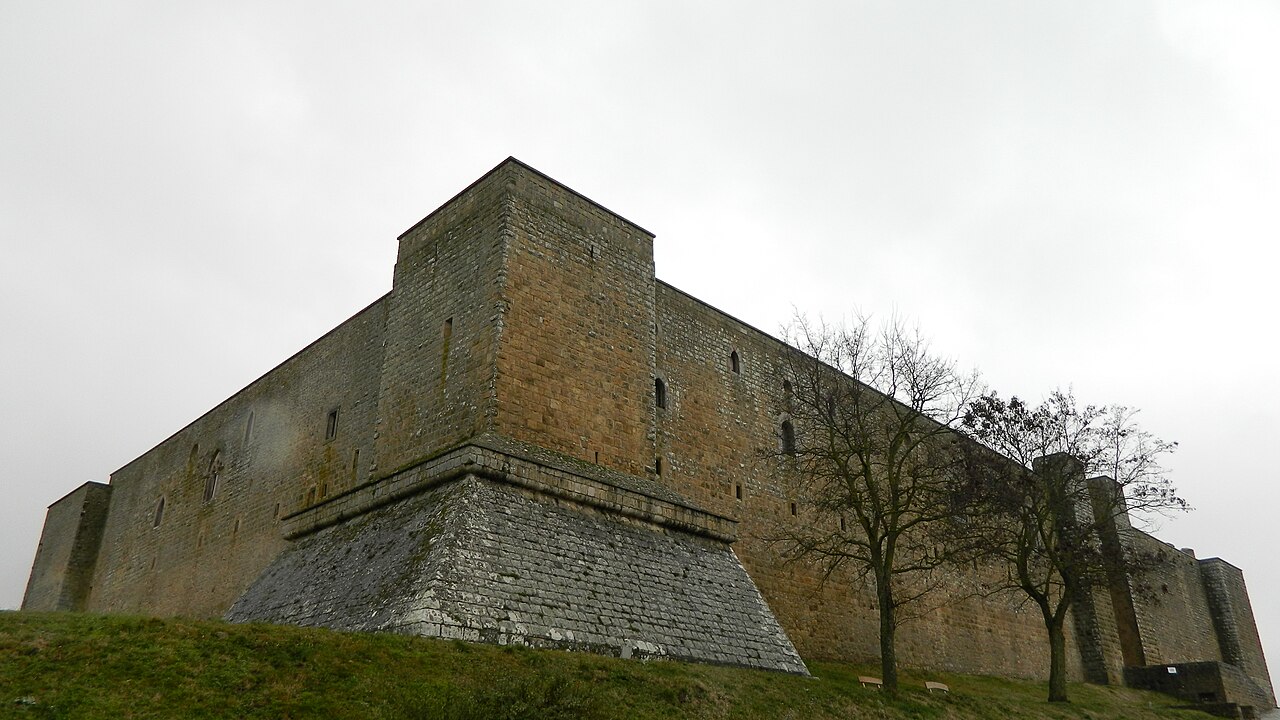
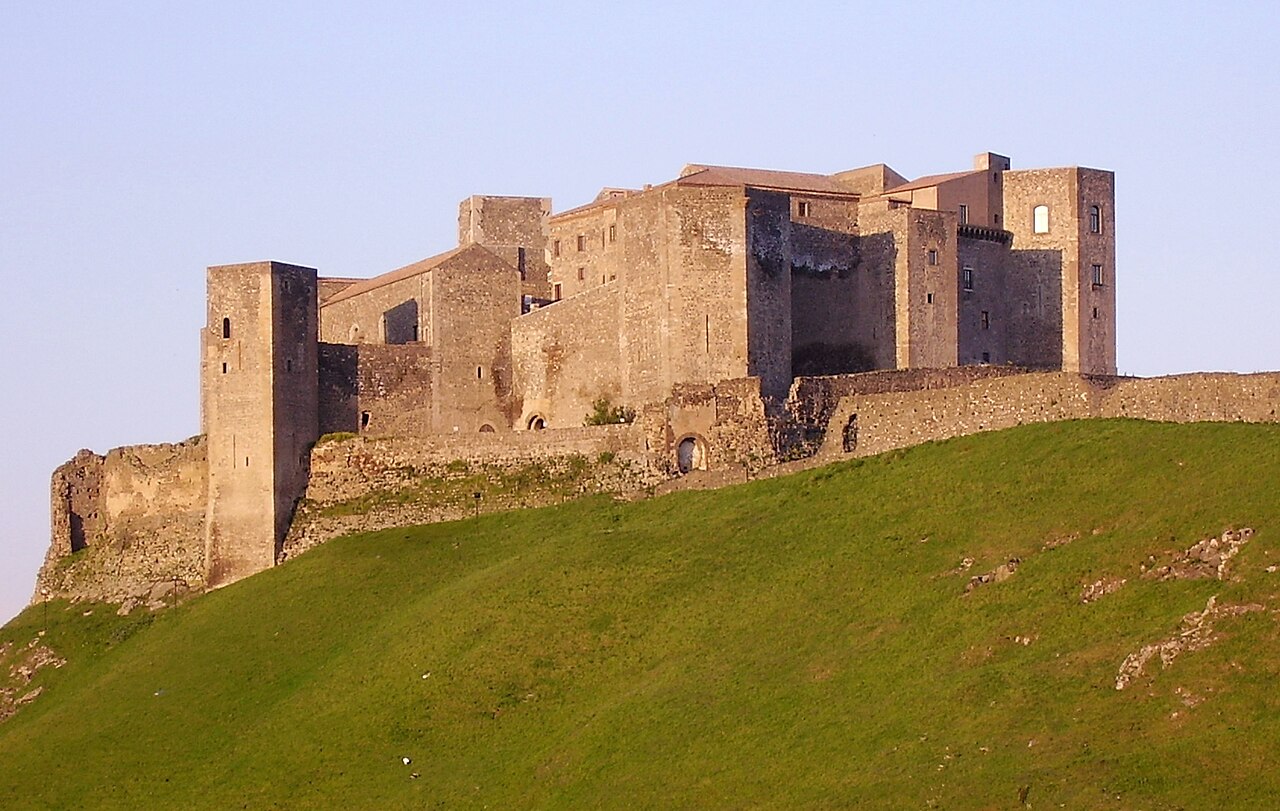
Muro Lucano Castle stands as a significant hilltop fortress in the town of Muro Lucano, southern Italy. Originally constructed by the Lombards in the 9th century, this castle has witnessed centuries of turbulent history, royal intrigue, and architectural evolution. Its strategic location atop a rocky outcrop allowed it to serve as a formidable defensive stronghold and administrative center throughout the Early medieval and Late medieval periods.
The castle's initial foundation was part of the Lombards' efforts to secure the northern frontier of the Duchy of Salerno within the historical region of Langobardia Minor. Over time, the castle expanded and adapted to changing military and residential needs, reflecting the complex feudal dynamics of southern Italy. Notably, in 1382, Queen Joanna I of Naples met her tragic death within its walls, allegedly assassinated by order of Charles III of Naples, marking a pivotal moment in the kingdom's history.
Historical significance and political role
The castle's role extended beyond mere defense; it was a seat of local power and governance. In 1269, Pietro di Hugot was appointed lord of Muro by King Charles I of Naples, underscoring the fortress's importance within the kingdom. The subsequent centuries saw the castle change hands among influential families, including the Ferrilli and Orsini dynasties, each contributing to its architectural and functional evolution.
During the 15th century, under King Ferdinand I of Aragon, the castle and town were granted to Troiano di San Magno before being sold to Count Mazzeo Ferrilli. Ferrilli's tenure saw significant renovations, including the addition of two towers and a drawbridge, which enhanced the castle's defensive capabilities and symbolized its elevated status when Muro Lucano was made a county in 1483.
Architectural features and layout
Muro Lucano Castle occupies the highest point of the village, its structure conforming to the uneven, rocky terrain beneath. The castle's footprint is generally rectangular but irregular, adapting closely to the natural outcrop it crowns. Its enclosure includes multiple gates providing access to the inner living quarters and defensive areas.
Towers and defensive elements
The castle is distinguished by two prominent towers from different eras. The older Torrione, located on the southern side, is constructed from large limestone blocks and rises to the height of the first floor, featuring a rooftop terrace that likely served as a lookout point. The northern tower is a later addition, notable for its circular form and distinctive arches encircling its perimeter. Standing approximately eight meters tall on a substantial rock base, this tower overlooks the residential sections of the castle.
Historically, a narrow drawbridge connected parts of the fortress, enhancing its defensive posture. However, following the 1694 earthquake and subsequent repairs by the Orsini family, the drawbridge was removed, reflecting changes in military architecture and the castle's adaptation to peacetime functions.
Interior and surrounding structures
The castle's interior once housed the lord's living quarters, administrative rooms, and service areas. While some parts remain inhabited today by the Martuscelli family, descendants of Francesco Domenico Lordi, who purchased the castle in 1830, much of the interior reflects layers of medieval and post-medieval modifications.
Adjacent to the castle is the Concattedrale di San Nicola, dating back to 1169. Though much of its medieval fabric is obscured beneath a 17th-century structure, its proximity and near physical connection to the castle highlight the intertwined nature of religious and feudal power in the region.
Earthquake damage and restoration efforts
The castle has endured significant seismic events, notably the 1694 earthquake that caused considerable damage, prompting major repairs and architectural alterations. Another damaging earthquake in 1980 further impacted the structure, leading to restoration efforts throughout the 1980s and 1990s. These restorations focused on stabilizing the walls, refurbishing interiors, and preserving original medieval sections, including the stables.
Cultural heritage and current status
Today, Muro Lucano Castle stands as a testament to the region's rich historical tapestry, blending medieval fortifications with later architectural modifications. Its partial habitation by the Martuscelli family maintains a living connection to its past, while ongoing preservation efforts ensure its legacy endures. The castle's commanding position offers panoramic views of the surrounding landscape, reinforcing its historical role as a sentinel over the region.
The nearby settlement of Il Pianello, located on a steep ridge below the castle, remains inhabited and linked to the fortress by a narrow, winding path. This enduring connection between the castle and local community highlights the fortress's historical importance beyond military functions, encompassing social and economic dimensions.
Visitors to Muro Lucano can explore the castle's exterior and some of its interior spaces, appreciating the blend of architectural styles and the layers of history embedded in its walls. The castle's story reflects broader themes of medieval politics, feudal power struggles, and the adaptation of fortresses to changing times and technologies.
Frequently asked questions (FAQ)
- When was Muro Lucano Castle originally built and by whom?
- Muro Lucano Castle was originally built in the 9th century by the Lombards as a defensive stronghold in southern Italy.
- What is the historical significance of Queen Joanna I in relation to the castle?
- Queen Joanna I of Naples was allegedly assassinated at Muro Lucano Castle in 1382 by order of Charles III, marking a notable event in the castle's history.
- How did the 1694 earthquake affect the castle?
- The 1694 earthquake caused significant damage to the castle, leading to major repairs including the removal of the drawbridge and structural reinforcements.
- Is the castle open to the public for visits?
- Parts of Muro Lucano Castle are still inhabited and not fully accessible to the public, but visitors can explore some exterior areas and learn about its history through local tours.
- What architectural features distinguish Muro Lucano Castle?
- The castle features two prominent towers from different periods, a rectangular footprint adapted to rocky terrain, and formerly had a defensive drawbridge removed after the 1694 earthquake.
Information
Loading map...
Visitor reviews
No reviews yet. Been here? Write the first review and help other travelers!
Write the first reviewVisited this castle? Share your experience
Your review helps other travelers and adds first-hand knowledge to our encyclopedia.