Muralla de Santiago de Compostela
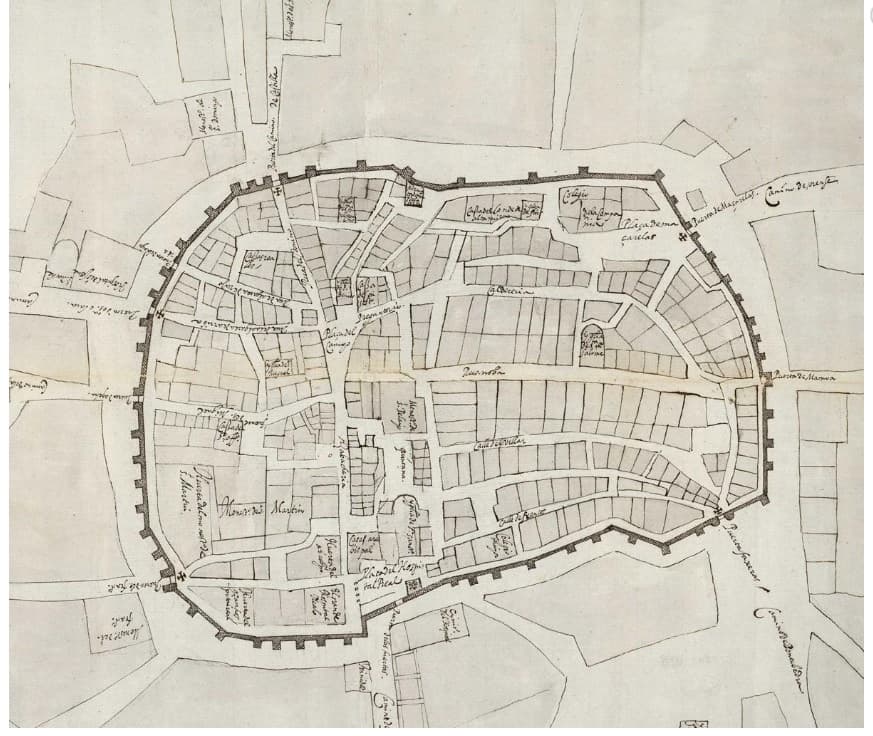
The Muralla de Santiago de Compostela is a historic medieval defensive wall located in Santiago de Compostela, the capital of the autonomous community of Galicia in northwestern Spain. Constructed during the 11th century in the high medieval period, this fortification once enclosed and protected the old city, which was an important religious and pilgrimage center due to the Cathedral of Santiago de Compostela, the reputed burial site of Saint James the Apostle.
Historical context and significance
The wall was built to defend the city against invasions and to control access to the sacred pilgrimage site. During the high medieval era, Santiago de Compostela grew in prominence as a key destination on the Camino de Santiago pilgrimage route. The fortifications reflected the city's strategic and religious importance. The construction of the wall was part of broader efforts in medieval Spain to fortify urban centers amid frequent conflicts and territorial disputes.
Architectural features and structure
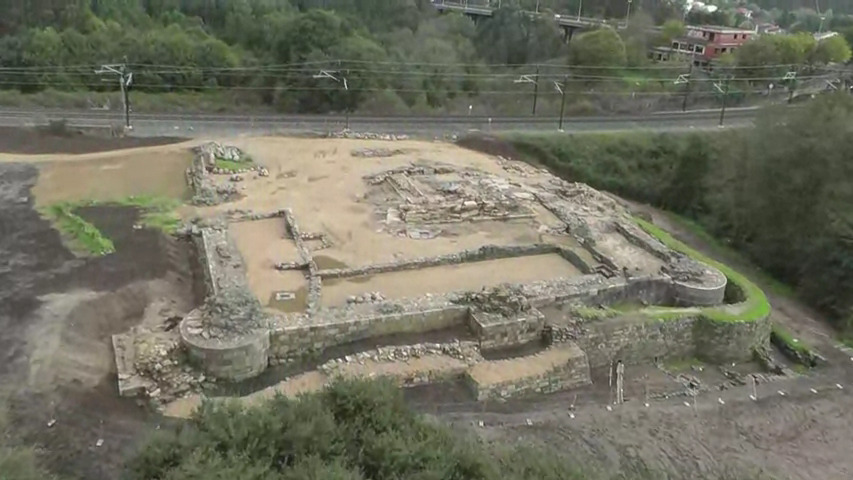
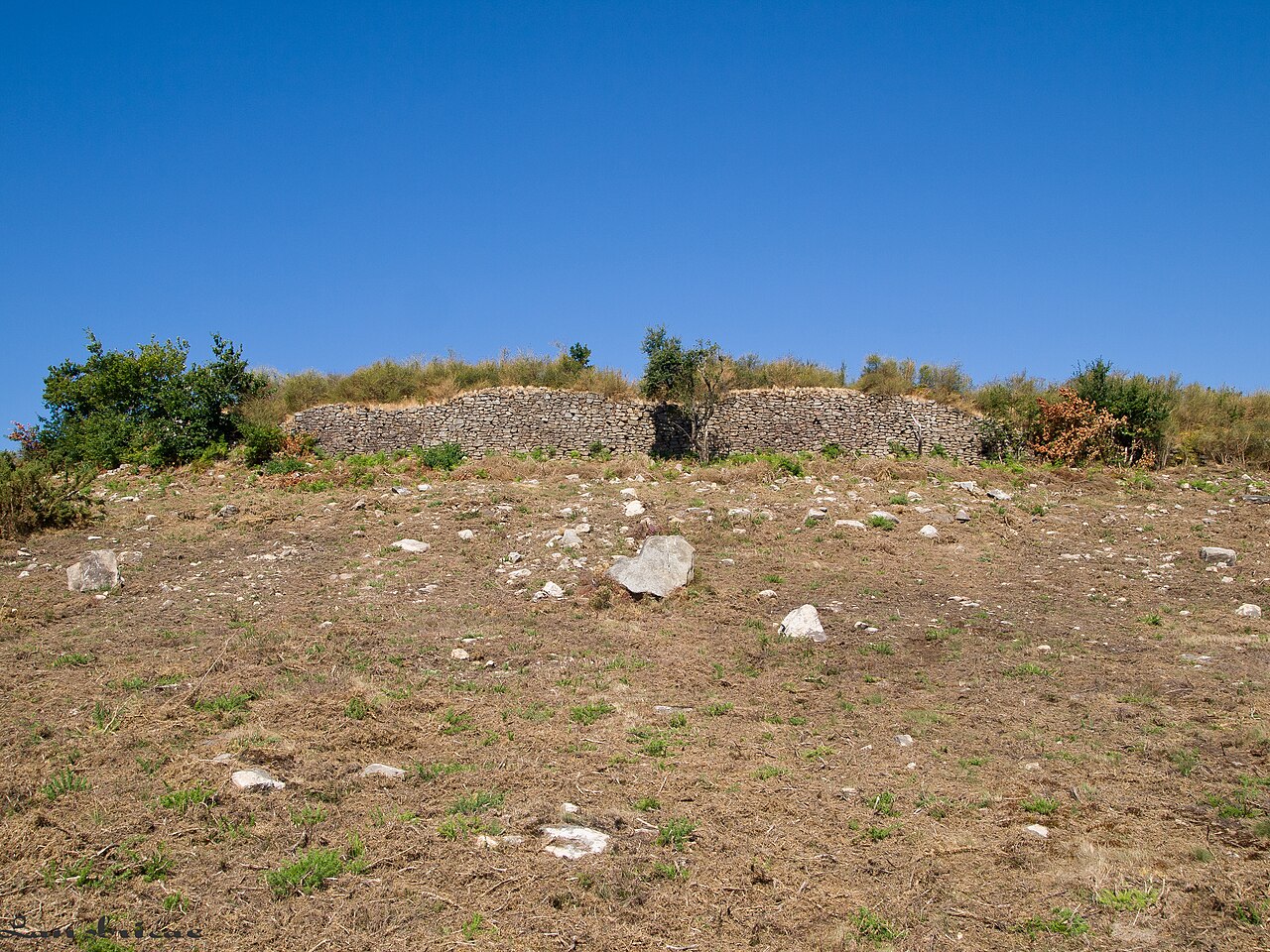
The Muralla de Santiago de Compostela was originally a bastioned fortress type of defensive wall, characterized by thick stone walls and bastions designed to withstand sieges and attacks. The fortifications included multiple towers, gates, and arches that allowed controlled entry and exit from the city. The wall enclosed a significant portion of the medieval city, integrating natural terrain features to enhance defense.
One of the most notable surviving elements is the Mazarelos arch, a large and well-preserved gateway that stands as a testament to the medieval military architecture of the period. This arch was part of the main entrance and served both defensive and ceremonial functions.
Decline and partial demolition
By the late 19th century, the defensive function of the wall had become obsolete due to changes in military technology and urban expansion. Consequently, most of the wall was demolished to accommodate city growth and modernization. Despite this, several fragments remain scattered throughout Santiago de Compostela, offering valuable insight into the city's medieval past.
Cultural heritage and preservation
Today, the remaining sections of the Muralla de Santiago de Compostela are recognized as important cultural heritage landmarks. They attract visitors interested in medieval architecture and the history of Santiago de Compostela. Preservation efforts focus on maintaining the structural integrity of surviving fragments like the Mazarelos arch, which continue to symbolize the city's rich historical legacy.
Visiting the remains
Visitors to Santiago de Compostela can explore the remnants of the wall, particularly the Mazarelos arch, which is accessible within the urban fabric of the city. The wall's remains provide a tangible connection to the medieval period and the city's development as a major religious and cultural center.
Frequently asked questions (FAQ)
- When was the Muralla de Santiago de Compostela built?
- The Muralla de Santiago de Compostela was constructed in the 11th century during the high medieval period to protect the city.
- What remains of the Muralla de Santiago de Compostela can be seen today?
- Today, only fragments of the wall remain, with the Mazarelos arch being the largest and best-preserved section accessible to visitors.
- Why was the wall mostly demolished?
- Most of the wall was demolished in the late 19th century due to urban expansion and the obsolescence of medieval fortifications.
- Is the Muralla de Santiago de Compostela open to the public?
- Yes, the remaining sections of the wall, including the Mazarelos arch, are accessible to visitors exploring Santiago de Compostela.
- What type of castle is the Muralla de Santiago de Compostela?
- It is classified as a bastioned fortress, designed with thick stone walls and defensive bastions typical of medieval military architecture.
Photo gallery

Photo by Unknown authorUnknown author•Public domain
Information
Loading map...
Visitor reviews
No reviews yet. Been here? Write the first review and help other travelers!
Write the first reviewVisited this castle? Share your experience
Your review helps other travelers and adds first-hand knowledge to our encyclopedia.