Castriño of Conxo
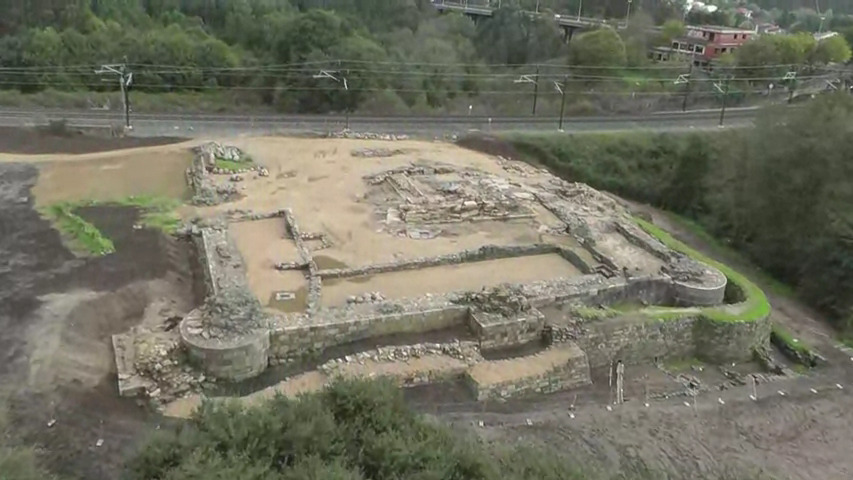
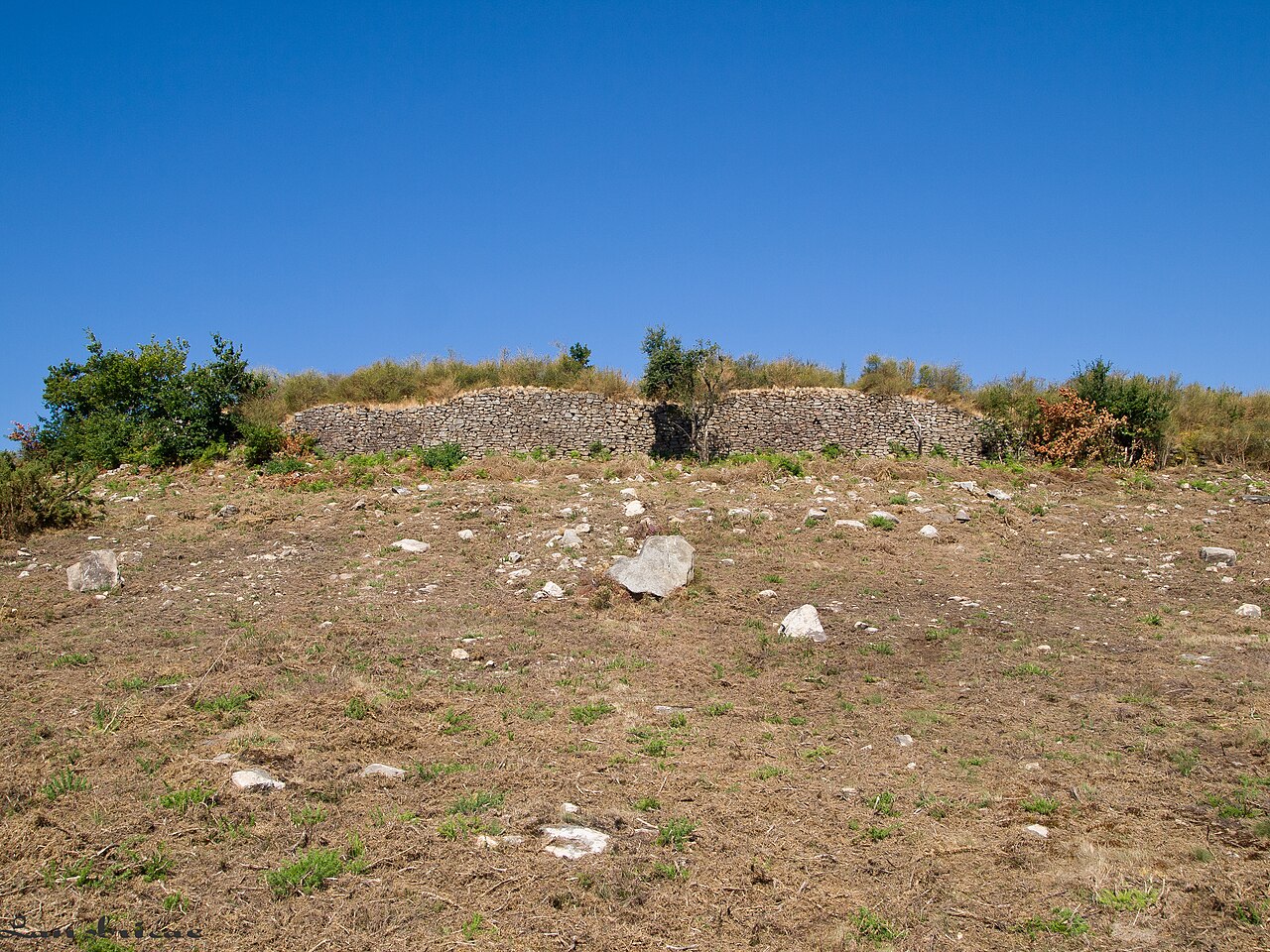
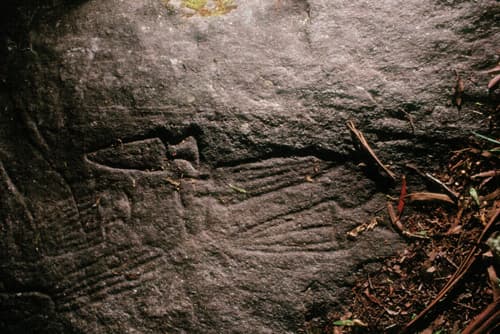
Castriño de Conxo is a significant Iron Age archaeological site situated in the municipality of Santiago de Compostela, in the region of Galicia, Spain. This site features the remains of a castro, a type of fortified hill settlement characteristic of the northwestern Iberian Peninsula during the Iron Age. The fort hill is accompanied by a collection of petroglyphs, which are rock carvings that provide insights into the prehistoric culture of the area.
Historical and cultural significance
The castro culture flourished in Galicia from approximately the 9th century BCE to the 1st century CE. Castriño de Conxo represents one of the many fortified settlements that were established during this era, serving both defensive and residential purposes. These hill forts were typically constructed on elevated terrain to provide strategic views of the surrounding landscape and protection against invaders.
The petroglyphs found at Castriño de Conxo add an important dimension to the site’s cultural heritage. These carvings, etched into stone surfaces, often depict symbolic shapes, geometric patterns, and possibly representations of animals or human figures. They offer valuable evidence of the artistic expression and spiritual beliefs of the Iron Age inhabitants.
Archaeological features and layout
The remains of the castro at Castriño de Conxo include traces of defensive walls and terraces that once supported dwellings and communal spaces. The layout typically follows the natural contours of the hill, with circular or oval structures constructed from stone. Although much of the site is now overgrown, archaeological surveys have identified key features that suggest a well-organized settlement.
The petroglyphs are located on exposed rock surfaces within the site, though their visibility is often hindered by vegetation. These carvings are vulnerable to environmental damage and human interference, which has unfortunately included acts of vandalism.
Current condition and accessibility
Today, Castriño de Conxo is in a state of ruins and is considered an archaeological site rather than a restored or preserved castle. The area is largely abandoned and densely covered with trees and vegetation, which complicates access for visitors. Part of the site lies within private property and is fenced off, limiting public entry.
In May 2019, the site suffered vandalism when an unknown individual scratched the petroglyphs, damaging these delicate carvings. This incident highlights the challenges of protecting and conserving open-air archaeological sites.
Preservation efforts and future prospects
Efforts to preserve Castriño de Conxo face difficulties due to its overgrown state and partial location on private land. Raising awareness about the site's historical value is essential for promoting conservation initiatives. Archaeologists and heritage organizations emphasize the importance of safeguarding the petroglyphs and structural remains to ensure that this window into Galicia's Iron Age past remains accessible for future study and education.
Improved management could include clearing vegetation, installing protective barriers, and providing informative signage to enhance visitor understanding while protecting the site from further damage.
Visiting information
Due to its condition and limited accessibility, visiting Castriño de Conxo requires caution and respect for private property boundaries. Prospective visitors should seek local guidance and permission where necessary. The site's remote and natural setting offers a unique opportunity to experience an authentic Iron Age fortification environment, albeit with limited facilities or interpretive resources.
Frequently asked questions (FAQ)
- How do I get to Castriño of Conxo?
- Castriño of Conxo is easily accessible by public transport from Santiago de Compostela city center. You can take a local bus or a taxi, both of which provide convenient options for reaching the castle.
- What is the historical significance of Castriño of Conxo?
- Castriño of Conxo dates back to the late Middle Ages and played a crucial role in the defense of the region. It reflects the feudal architecture of the time and serves as a reminder of the historical conflicts in Galicia.
- When was Castriño of Conxo constructed?
- The construction of Castriño of Conxo began in the 14th century and was completed in the 15th century. This timeline positions the castle during a period of significant political and military development in Galicia.
- Can I visit Castriño of Conxo year-round?
- Yes, Castriño of Conxo is open to visitors throughout the year, although certain parts may be closed for maintenance during the winter months. It's advisable to check the official website for any seasonal closures or special events.
- Why is Castriño of Conxo known for its architecture?
- The architecture of Castriño of Conxo is a remarkable example of medieval defensive structures, featuring robust walls and strategic towers. Its design reflects both functionality and the aesthetic values of its time, making it a captivating site for architecture enthusiasts.
- Is it possible to access the castle grounds for free?
- While walking around the castle grounds is usually free, there may be a small fee for guided tours or access to certain areas. It's best to check the latest visitor information for any applicable fees.
- What are the opening hours for Castriño of Conxo?
- Castriño of Conxo typically opens its doors to visitors from 10 AM to 6 PM, though these hours can vary seasonally. Be sure to confirm the opening hours before your visit to avoid any inconvenience.
- What is the best time to visit Castriño of Conxo?
- The best time to visit Castriño of Conxo is during the spring and early autumn when the weather is mild and the surrounding landscape is beautiful. This timing allows for a more enjoyable experience exploring the castle and its grounds.
- Are there any nearby attractions to visit after Castriño of Conxo?
- Yes, after visiting Castriño of Conxo, you can explore nearby attractions such as the historic Santiago de Compostela Cathedral and the picturesque Parque de la Alameda. These sites offer rich cultural experiences and stunning views of the city.
Photo gallery

Information
Loading map...
Visitor reviews
No reviews yet. Been here? Write the first review and help other travelers!
Write the first reviewVisited this castle? Share your experience
Your review helps other travelers and adds first-hand knowledge to our encyclopedia.