Castle Lupario
Castle Lupario, also known as Castle Beca, is an archaeological site of significant historical interest situated in the region of Galicia, Spain. Positioned between the towns of Bastavales (Brión) and Ribasar (Rois), this site represents the remains of a fortification dating primarily from the Renaissance period, specifically the 17th century. Although the castle is now in a state of ruins, its location and remnants offer valuable insights into the military architecture and territorial defense strategies of the era.
Historical context and significance
The area surrounding Castle Lupario was historically inhabited by the Gallaeci people, an ancient Celtic tribe known for their distinctive hillforts or castros. The castle's site likely overlays or integrates earlier fortifications typical of the Gallaeci castro culture, which thrived in northwestern Iberia before and during Roman times. By the 17th century, the original castro was adapted or rebuilt as a Renaissance fortress, reflecting evolving military needs and architectural styles.
The castle's strategic position between Bastavales and Ribasar would have served to control local routes and assert territorial dominance in the region. This period in Spanish history was marked by regional conflicts and the need for fortified structures to protect settlements and landholdings.
Architectural features and layout
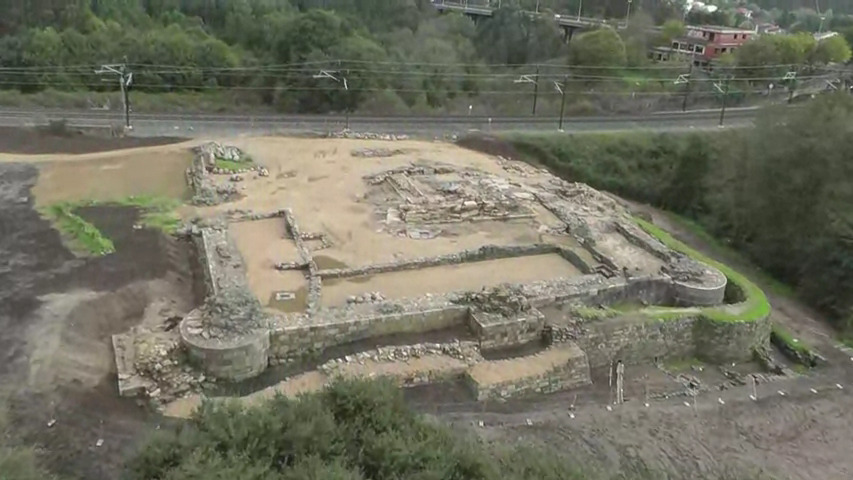
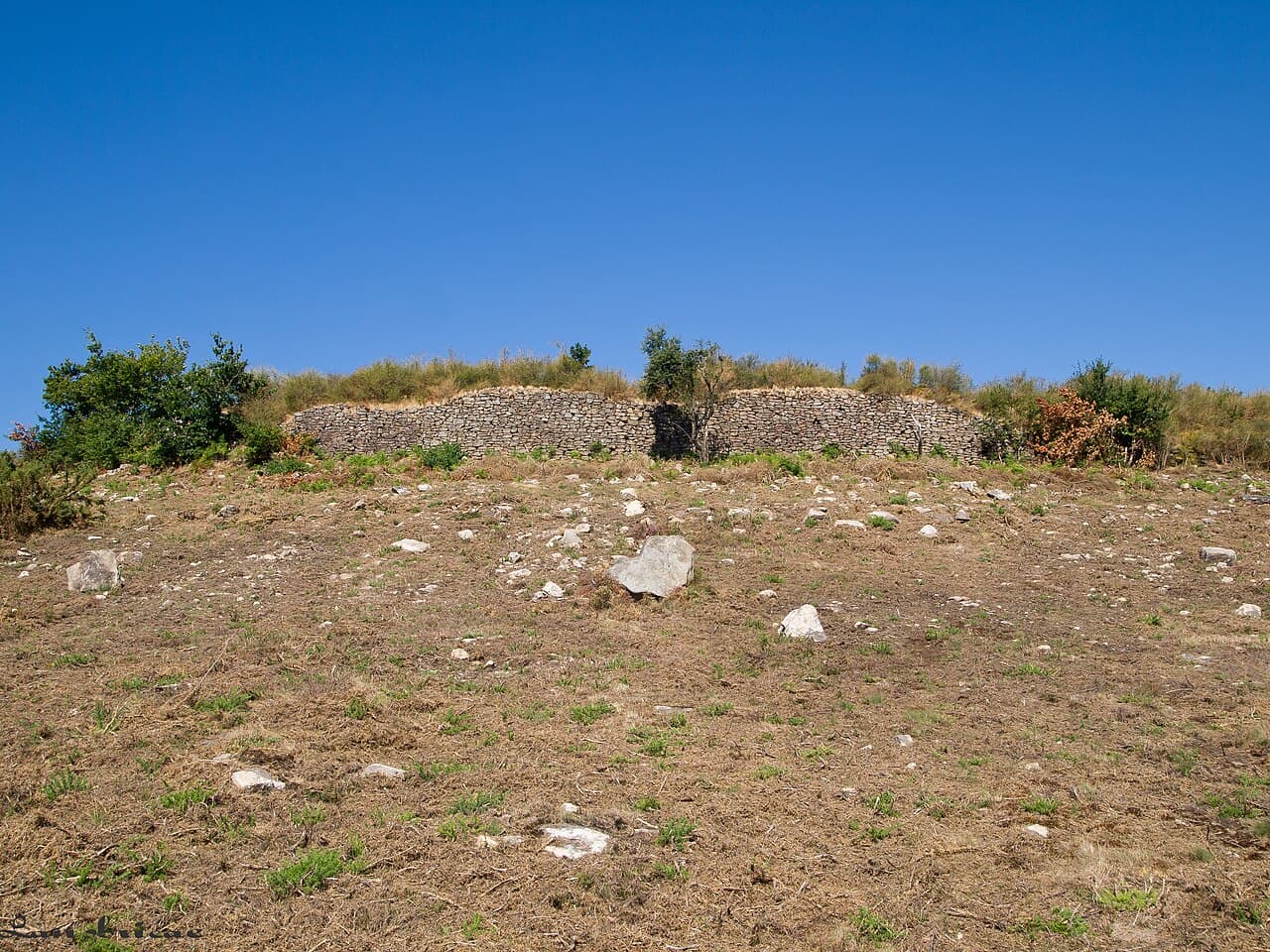
As an archaeological ruin, Castle Lupario today offers limited but telling remains of its former structure. The castle was constructed on a hilltop, consistent with the traditional hill castle typology favored for defensive advantage. The remains include portions of stone walls that would have enclosed the main defensive area, possibly with a keep or central tower that served as the last line of defense.
Typical of Renaissance military architecture, the castle may have incorporated elements designed to withstand artillery fire, such as thicker walls and angled bastions, though the extent of these features is difficult to determine from the surviving ruins. The site likely included a courtyard, living quarters, and storage facilities necessary for sustaining a garrison.
Castro origins and influence
The integration of the Gallaeci castro foundations into the Renaissance castle's structure is an important aspect of its architectural identity. The castros were characterized by circular or oval stone walls and terraces adapted to the hilly terrain. While Castle Lupario's Renaissance rebuild altered much of the original layout, traces of these early defensive works remain visible and provide a window into the region's pre-Roman past.
Current condition and preservation
Today, Castle Lupario is classified as ruins, with much of the original structure lost or heavily eroded. The site is primarily valued for its archaeological significance rather than as a standing monument. Preservation efforts focus on stabilizing the remains and conducting archaeological investigations to better understand the site's history and evolution.
Visitors to the area can explore the ruins and gain a sense of the castle's original footprint and its relationship to the surrounding landscape. However, no extensive restoration has been undertaken, and the castle remains a fragile heritage site.
Visiting information and cultural importance
While Castle Lupario is not a major tourist destination, it holds cultural importance for the local communities in Galicia and scholars interested in the region's layered history. The castle's ruins contribute to the broader understanding of the transition from ancient castro settlements to later Renaissance fortifications in northwestern Spain.
Access to the site may be limited and visitors are advised to prepare accordingly, as facilities are minimal and the terrain can be challenging. The castle's rural setting offers opportunities for hiking and exploring the natural environment of Galicia.
Frequently asked questions (FAQ)
- What is the historical significance of Castle Lupario?
- Castle Lupario is significant for its origins as a Gallaeci castro and its transformation into a Renaissance fortress in the 17th century, reflecting the region's military and cultural history.
- Can I visit the ruins of Castle Lupario?
- Yes, visitors can explore the ruins of Castle Lupario, although facilities are limited and the terrain may be challenging. It is advisable to prepare accordingly for a visit.
- What architectural features remain at Castle Lupario?
- The ruins include portions of stone walls and foundations that indicate the castle's hilltop defensive layout, with traces of both Renaissance fortification and earlier Gallaeci castro structures.
- Is Castle Lupario accessible year-round?
- Access to Castle Lupario depends on local conditions and weather, as it is located in a rural area. There are no official visiting hours, so visitors should plan visits during daylight and favorable weather.
- Why is Castle Lupario important for understanding Galician history?
- Castle Lupario offers insight into the evolution from ancient Gallaeci castro settlements to Renaissance military architecture, highlighting the cultural and historical continuity in Galicia.
Photo gallery

Information
Loading map...
Visitor reviews
No reviews yet. Been here? Write the first review and help other travelers!
Write the first reviewVisited this castle? Share your experience
Your review helps other travelers and adds first-hand knowledge to our encyclopedia.