Mow Cop Castle
Mow Cop Castle stands prominently atop a rocky ridge marking the boundary between the English counties of Cheshire and Staffordshire. Despite its appearance as a medieval fortress ruin, this structure is actually a mid-18th-century folly built in 1754 by Randle Wilbraham I of Rode Hall. Designed as a summerhouse and ornamental feature rather than a defensive castle, it was intended to enhance the view from Rode Hall, located approximately three miles away on the Cheshire side of the hill.
The castle's location is significant not only geographically but also ecclesiastically, as the ridge serves as a division between the dioceses of Chester and Lichfield, as well as the provinces of Canterbury and York. This boundary adds a layer of spiritual and administrative importance to the site, complementing its visual prominence in the landscape.
Architectural design and construction
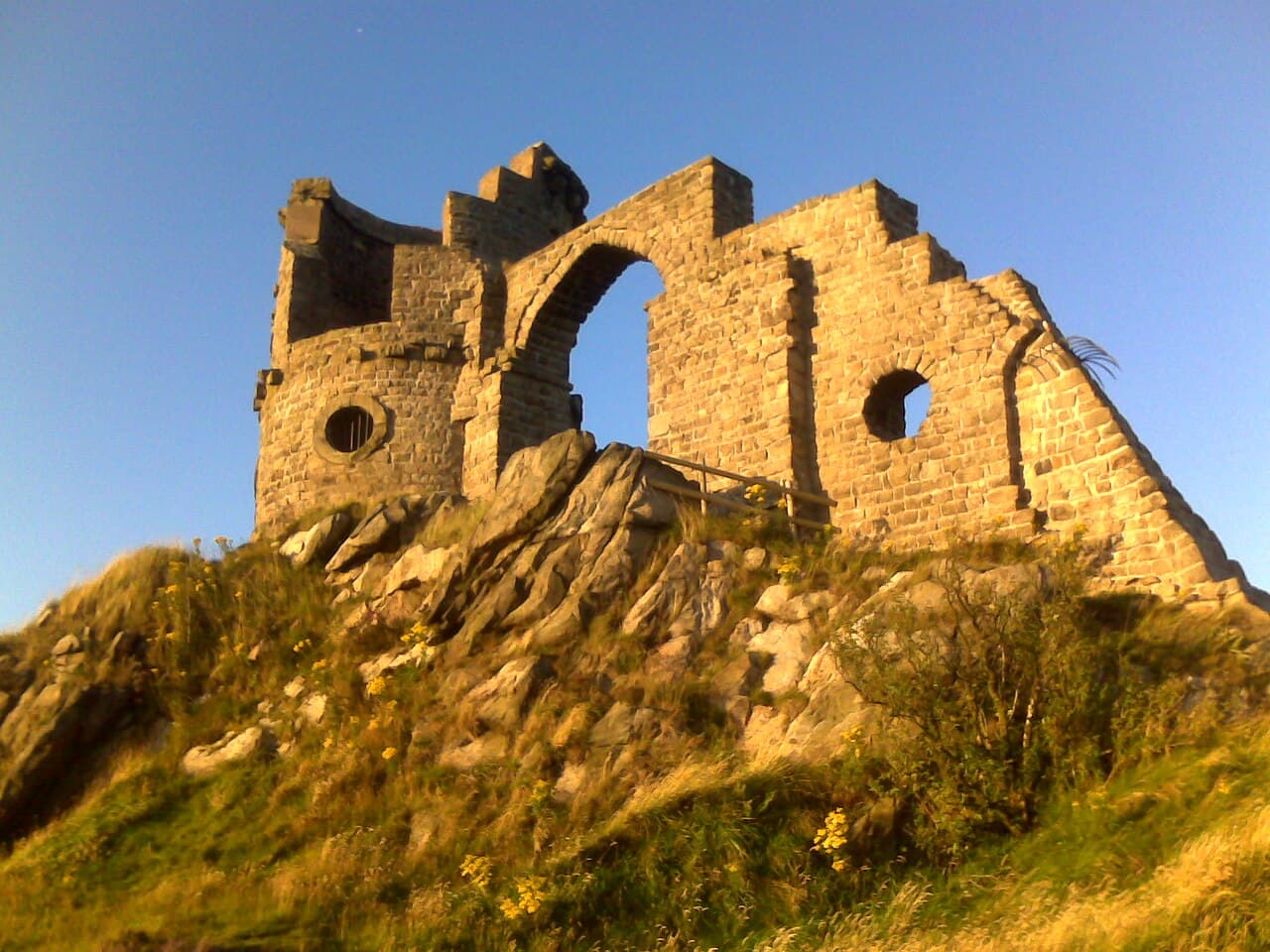
Mow Cop Castle was constructed as a folly, a popular architectural trend among the English gentry in the 18th century, where buildings were designed to imitate the romantic ruins of medieval castles. The structure features a circular tower built from local stone, carefully crafted to simulate the weathered and partially ruined appearance of an ancient fortress.
The folly includes a distinctive free-standing arch adjacent to the main tower, enhancing the illusion of a larger ruined castle complex. The castle's design incorporates elements typical of medieval architecture but was never intended for military use or habitation as a true stronghold.
Local stonemasons John and Ralph Harding were employed in its construction, reportedly earning one shilling per day. Anecdotes from the period tell of a family member losing a hand during the building process, highlighting the physical challenges involved in erecting the structure on the exposed hilltop.
Historical context and significance
The site of Mow Cop has a rich history extending far beyond the folly itself. Archaeological evidence indicates human activity dating back to the Iron Age, including a prehistoric camp near the hilltop and a tradition of quarrying millstones known as querns. These millstones were used in water-powered grinding mills, emphasizing the area's longstanding industrial and economic importance.
While some have speculated about Roman occupation or the presence of a Roman watchtower due to nearby Roman roads and camps, no concrete archaeological evidence has confirmed such claims. The landscape's natural resources, such as coal, millstone grit, and limestone, were valuable to various historical industries.
In the 19th century, the folly became a focal point for local disputes, notably a boundary conflict between Randle Wilbraham and Ralph Sneyd of Keele Hall, which culminated in a legal case in 1850. The castle also served as a venue for social gatherings, picnics, and entertainment for the Wilbraham family and their guests.
Mow Cop holds religious significance as well. It was the site of the first Primitive Methodist camp meeting in 1807, a landmark event in the history of Methodism. This legacy was celebrated in 1937 when over ten thousand Methodists gathered on the hill, coinciding with the castle's transfer to the National Trust for preservation.
Preservation and modern history
Throughout the 19th and 20th centuries, Mow Cop Castle experienced periods of neglect and restoration. After the Wilbraham family moved away, the structure fell into disrepair, losing its upper floors, stairs, doors, and windows. Restoration efforts in the early 19th century and again after the family's return helped to stabilize the building.
The castle and surrounding lands were subject to legal disputes over quarrying rights in the early 20th century. The extraction of stone from the site caused public outcry and protests, leading to the formation of the Committee for the Preservation of Mow Cop. Eventually, quarrying ceased, and in 1937 the castle and its lands were formally handed over to the National Trust, ensuring their protection.
Subsequent restoration work included reinforcing the foundations and masonry, with significant repairs completed in 2003 by Cheshire Masonry at a cost of £80,000. Safety measures such as iron bars and locked gates have been installed to protect visitors, particularly due to the steep cliffs surrounding the site and past incidents.
Cultural impact and visitor experience
Today, Mow Cop Castle is a Grade II listed building and a cherished landmark within the local community and broader region. It continues to attract visitors drawn by its striking silhouette, panoramic views, and the romantic allure of its faux-ruined appearance.
The castle features prominently in local literature, notably in Alan Garner's novel Red Shift, reflecting its embeddedness in regional cultural identity. Public access to the interior is restricted for safety reasons, but the exterior and surrounding landscape remain accessible for hiking, photography, and historical exploration.
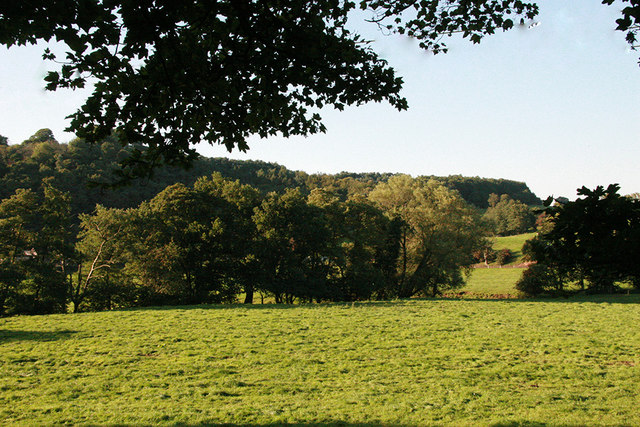
Annual events and commemorations, such as the millennium beacon lighting in 1999, highlight the castle's ongoing role as a symbol of heritage and community pride. Its position on the ridge offers sweeping vistas across the English countryside, reinforcing its status as both a visual and cultural landmark.
Architectural features
- Circular tower: The main structure of the folly, designed to mimic medieval defensive towers.
- Free-standing arch: Adjacent to the tower, enhancing the ruinous aesthetic.
- Local stone construction: Utilizes regional materials to blend with the landscape.
- Weathered appearance: Deliberately crafted to simulate centuries of decay.
- Iron safety bars and locked gates: Modern additions to protect visitors.
Historical timeline
- 1754: Construction of Mow Cop Castle as a folly summerhouse by Randle Wilbraham.
- 1807: Site of the first Primitive Methodist camp meeting.
- 1850: Legal dispute over property boundary with Ralph Sneyd.
- Early 19th century: Initial restoration after Wilbraham family neglect.
- 1923-1935: Quarrying disputes and public protests.
- 1937: Transfer to the National Trust and major preservation efforts.
- 1999: Millennium beacon lighting event.
- 2002-2003: Structural reinforcement and restoration work.
Visitor information
Mow Cop Castle is accessible year-round as an outdoor landmark. Visitors can enjoy walking trails around the site and panoramic views from the ridge. Interior access is restricted for safety, but the exterior can be freely explored. The site is managed by the National Trust, which ensures ongoing conservation and public engagement.
Nearby attractions include the village of Mow Cop and the surrounding Staffordshire and Cheshire countryside, offering opportunities for hiking, birdwatching, and exploring local history.
Frequently asked questions (FAQ)
- When was Mow Cop Castle built and by whom?
- Mow Cop Castle was built in 1754 by Randle Wilbraham I of Rode Hall as an ornamental folly and summerhouse.
- Is Mow Cop Castle a genuine medieval fortress?
- No, Mow Cop Castle is a folly constructed to resemble medieval ruins but was never a defensive structure.
- Can visitors enter the interior of Mow Cop Castle?
- Interior access is restricted for safety reasons, but visitors can explore the exterior and enjoy panoramic views from the ridge.
- What is the historical significance of the site besides the castle?
- The site has Iron Age archaeological remains, was important for millstone quarrying, and hosted the first Primitive Methodist camp meeting in 1807.
- Who manages and preserves Mow Cop Castle today?
- The National Trust owns and manages Mow Cop Castle, ensuring its preservation and public accessibility.
Photo gallery

Photo by Nmwatson•Public domain
Information
Sources & official resources
Verify the information above using these authoritative references.
Loading map...
Visitor reviews
No reviews yet. Been here? Write the first review and help other travelers!
Write the first reviewVisited this castle? Share your experience
Your review helps other travelers and adds first-hand knowledge to our encyclopedia.