Heighley Castle
Heighley Castle, also known as Heleigh Castle, stands as a significant example of a High Medieval fortress located near Madeley, Staffordshire, in the United Kingdom. Constructed in the early 13th century, specifically completed in 1233, it served as a fortified residence for the influential Audley family for over three centuries. The castle's strategic position and robust design reflected the feudal power and status of its owners during the medieval period.
Historical background and construction
The castle was commissioned by the Audley family, a prominent noble lineage with strong regional influence. Built during the High Medieval period, its architecture was typical of the era's defensive structures, featuring thick masonry walls and fortified towers designed to withstand sieges and attacks. The castle's layout likely included a keep, curtain walls, and a gatehouse, elements common to 13th-century English castles.
Heighley Castle's role extended beyond a noble residence; it was a symbol of feudal authority and military strength in Staffordshire. Its construction utilized local stone, contributing to its durability, although the exact architectural details are now largely lost due to its ruinous state.
Role in the English Civil War
During the English Civil War (1642–1651), Heighley Castle was held in support of King Charles I. This allegiance made it a target for Parliamentary forces. The castle endured a siege and was ultimately destroyed in the 1640s by these forces to prevent its further military use. This destruction was part of a wider strategy employed during the war to dismantle Royalist strongholds.
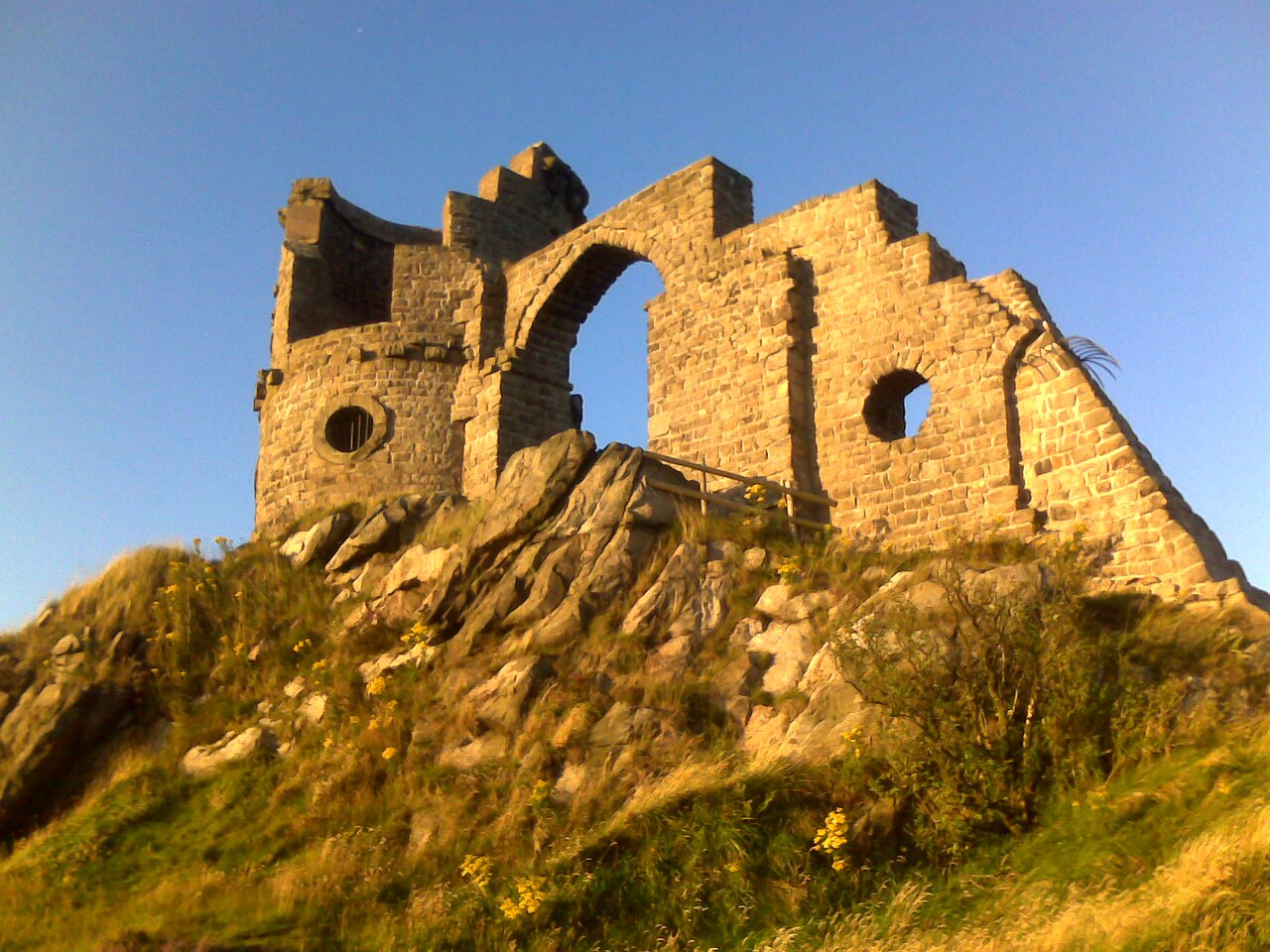
The damage inflicted during this period reduced Heighley Castle to a state of ruin, with much of its original structure dismantled or collapsed. The remains visible today are primarily fragments of masonry, heavily overgrown and deteriorated.
Architectural features and current condition
Today, Heighley Castle is classified as archaeological ruins. The surviving structures include scattered stone walls and foundations, which provide limited insight into the castle's original form. Over time, natural vegetation has reclaimed much of the site, obscuring some of its features.
The castle is protected under Grade II listed building status and is designated a Scheduled Ancient Monument, recognizing its historical and cultural significance. Despite these protections, the site is listed on Historic England's Heritage at Risk Register and is described as being in a "very bad" condition, indicating ongoing risks from environmental factors and neglect.
Access and preservation efforts
Heighley Castle is privately owned and is not open to the public, limiting direct visitor access. The lack of public access has contributed to the site's vulnerability, as it receives minimal conservation intervention. Preservation efforts are challenged by the castle's ruinous state and overgrowth, requiring specialized archaeological and conservation expertise to stabilize and protect the remains.
Ongoing monitoring and potential future restoration initiatives would be essential to prevent further degradation and to preserve Heighley Castle as a valuable heritage site representing medieval military architecture and English history.
Significance in medieval and military architecture
Heighley Castle exemplifies the typical features of a 13th-century English castle, constructed for both defense and residence. Its historical narrative, spanning from its establishment by the Audley family to its destruction in the Civil War, reflects broader themes in English history, including feudal power dynamics and the turbulent conflicts of the 17th century.
The castle's ruins offer insights into medieval construction techniques, such as the use of local stone and masonry fortifications. Although much of the structure has been lost, the site remains an important archaeological resource for understanding castle design and medieval life in Staffordshire.
Frequently asked questions (FAQ)
- Is Heighley Castle open to visitors?
- Heighley Castle is privately owned and not open to the public, so visitors cannot access the site directly.
- What is the historical significance of Heighley Castle?
- Heighley Castle was an ancestral home of the Audley family from the 13th century and played a role in the English Civil War, supporting King Charles I before its destruction.
- What remains of Heighley Castle today?
- Today, only ruins remain, consisting mainly of masonry fragments overgrown by vegetation, reflecting its destruction in the 1640s.
- Why is Heighley Castle listed as at risk?
- The castle is on Historic England's Heritage at Risk Register due to its poor condition, natural decay, and lack of active conservation efforts.
- When was Heighley Castle built?
- Heighley Castle was completed in 1233 during the High Medieval period.
Photo gallery

Information
Current owner
Private owner
Loading map...
Visitor reviews
No reviews yet. Been here? Write the first review and help other travelers!
Write the first reviewVisited this castle? Share your experience
Your review helps other travelers and adds first-hand knowledge to our encyclopedia.