Moritzburg
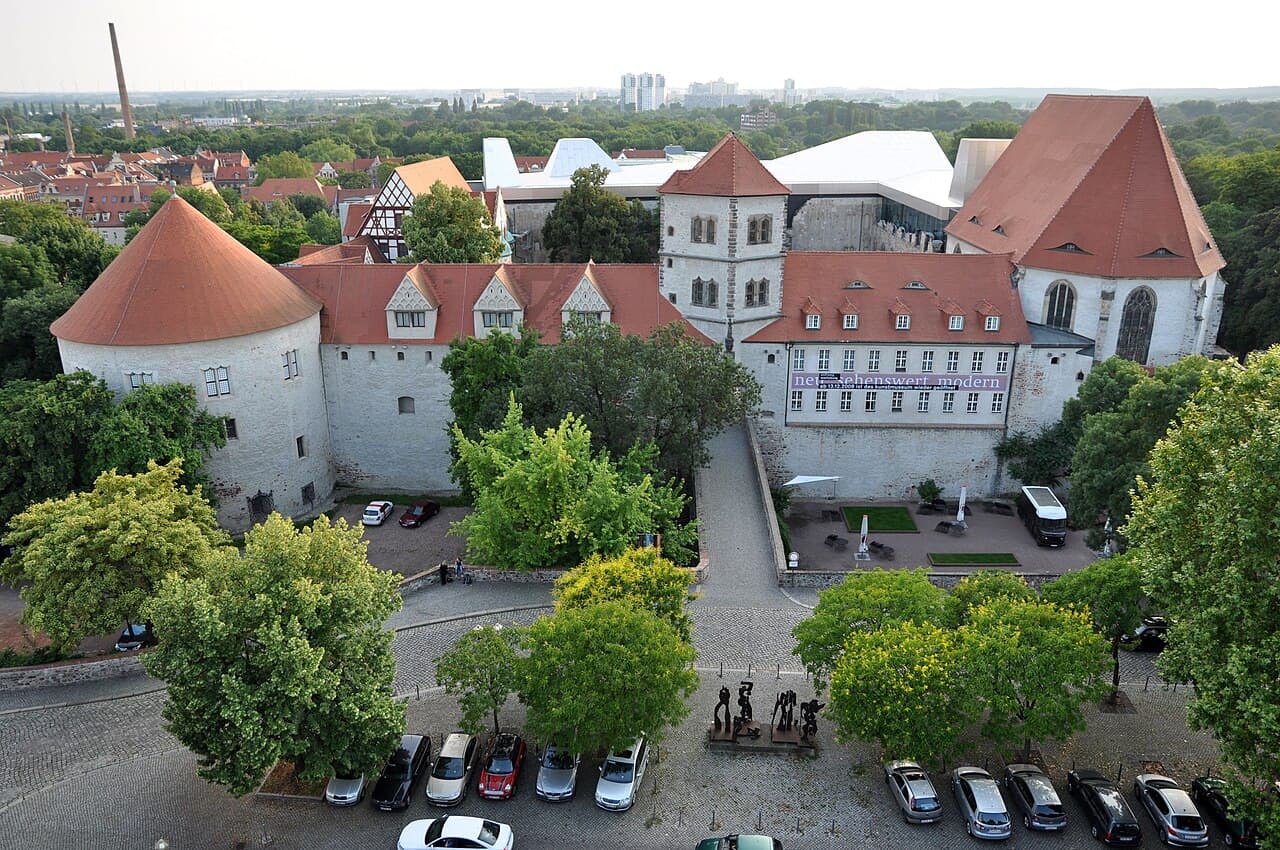
Moritzburg Castle stands as a prominent fortified castle in the city of Halle, Germany. Its construction began in 1484 during the late medieval period, marking the foundation of what would become the official residence of the Archbishops of Magdeburg. The castle was built in the distinctive style of the Early Renaissance, reflecting the architectural transition between medieval fortifications and Renaissance palatial design. Today, Moritzburg remains one of the most imposing and historically significant buildings in Halle.
Architectural design and fortifications
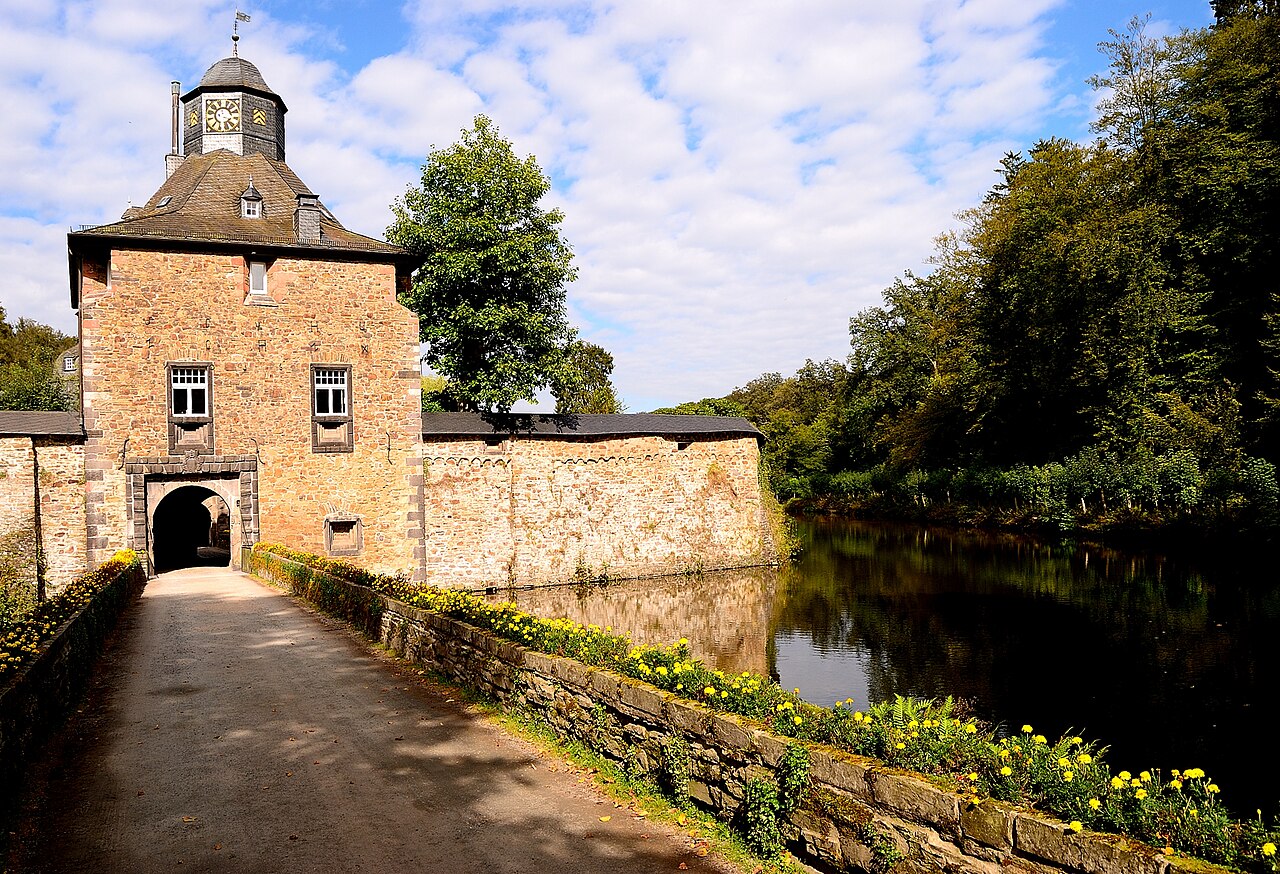
The castle's design exemplifies a blend of military and residential architecture typical of the late 15th century. Moritzburg features robust defensive walls and battlements that emphasize its role as a fortress. The layout includes a central courtyard surrounded by high walls and towers, which provided both protection and a dignified setting for the archbishops. The castle's gatehouse and moat were integral to its defense system, deterring potential attackers and symbolizing the power of its occupants.
Architectural elements such as arched windows, ornate stonework, and decorative gables highlight the Early Renaissance influence, combining functionality with aesthetic refinement. The castle's imposing silhouette dominates the surrounding landscape, underscoring its strategic and symbolic importance.
Historical significance and role
Before Moritzburg Castle's construction, the Archbishopric of Magdeburg was primarily based at Giebichenstein Castle, a site with origins dating back to the 9th century. Giebichenstein had served as a royal residence for Otto I, Holy Roman Emperor, who founded the Archbishopric in 968. Over time, Giebichenstein evolved into the principal residence of the archbishops until the early 16th century.
In 1503, the archbishops relocated to the newly completed Moritzburg Castle, signaling a shift in the seat of ecclesiastical power within the region. Moritzburg thus became the administrative and residential center for the archbishops, playing a crucial role in the religious and political landscape of the area.
Transformation into an arts museum
Since the late 19th century, Moritzburg Castle has served a cultural function as the home of an arts museum of national importance. The museum houses a significant collection of artworks, including paintings, sculptures, and decorative arts, attracting visitors interested in both art history and castle architecture.
The adaptation of the castle into a museum has preserved its historical fabric while opening its doors to the public, allowing for educational and cultural engagement with the site. The castle's interiors have been restored to accommodate exhibitions while maintaining the integrity of its Renaissance architectural features.
Preservation and current status
Moritzburg Castle is currently restored and well-preserved, maintaining much of its original late medieval and Renaissance character. Conservation efforts have ensured the stability of its defensive structures and the preservation of its ornamental detailing. The castle remains a landmark in Halle, symbolizing centuries of history from its medieval origins to its modern cultural role.
Visitor experience and accessibility
Today, visitors to Moritzburg Castle can explore its historic halls, courtyards, and the extensive art collections housed within. The castle offers insight into the architectural evolution from fortress to residence and museum, making it a multifaceted destination for history enthusiasts, architecture buffs, and art lovers alike.
Its location in Halle makes it accessible for tourists interested in exploring the rich heritage of Saxony-Anhalt and the legacy of the Archbishopric of Magdeburg.
Frequently asked questions (FAQ)
- What are the opening hours for Moritzburg Castle?
- Moritzburg Castle is typically open to visitors from 10 AM to 6 PM from April to October, and from 10 AM to 4 PM during the winter months. It's advisable to check the castle's official website for any seasonal changes or special holiday hours before planning your visit.
- How do I get to Moritzburg Castle from Halle?
- You can reach Moritzburg Castle by taking a local bus from Halle to the nearby village of Moritzburg. Alternatively, it's a pleasant 15-minute drive if you're traveling by car, with parking available near the castle.
- What is the historical significance of Moritzburg Castle?
- Moritzburg Castle, built in the 18th century, served as a hunting lodge for the Saxon Electors and is an exemplary model of Baroque architecture. Its rich history is reflected in its stunning interiors and the surrounding landscaped gardens, making it a key landmark in the region.
- Can I buy tickets in advance for Moritzburg Castle?
- Yes, tickets for Moritzburg Castle can be purchased in advance through the official website. This is highly recommended, especially during peak tourist seasons, to avoid long queues and ensure your entry to the castle and its exhibitions.
- Is Moritzburg Castle accessible for visitors with disabilities?
- Yes, Moritzburg Castle is equipped with facilities to accommodate visitors with disabilities. There are ramps and elevators available, ensuring that all guests can enjoy the castle's beautiful architecture and exhibitions.
- When is the best time to visit Moritzburg Castle?
- The best time to visit Moritzburg Castle is during the spring and summer months when the gardens are in full bloom and the weather is pleasant. Additionally, visiting during weekdays can help you avoid the larger crowds typically seen on weekends.
- What nearby attractions can I explore after visiting Moritzburg Castle?
- After visiting Moritzburg Castle, you can explore nearby attractions such as the picturesque Moritzburg Lake and the charming village of Moritzburg itself. The city of Dresden, known for its rich cultural heritage and stunning architecture, is also just a short drive away.
- What are the ticket prices for visiting Moritzburg Castle?
- Ticket prices for Moritzburg Castle vary, with discounts available for students, seniors, and children. Generally, adult tickets are around €8, while children under 6 can enter for free, making it an affordable family outing.
Photo gallery

Information
Website
Visit websiteSources & official resources
Verify the information above using these authoritative references.
Loading map...
Visitor reviews
No reviews yet. Been here? Write the first review and help other travelers!
Write the first reviewVisited this castle? Share your experience
Your review helps other travelers and adds first-hand knowledge to our encyclopedia.