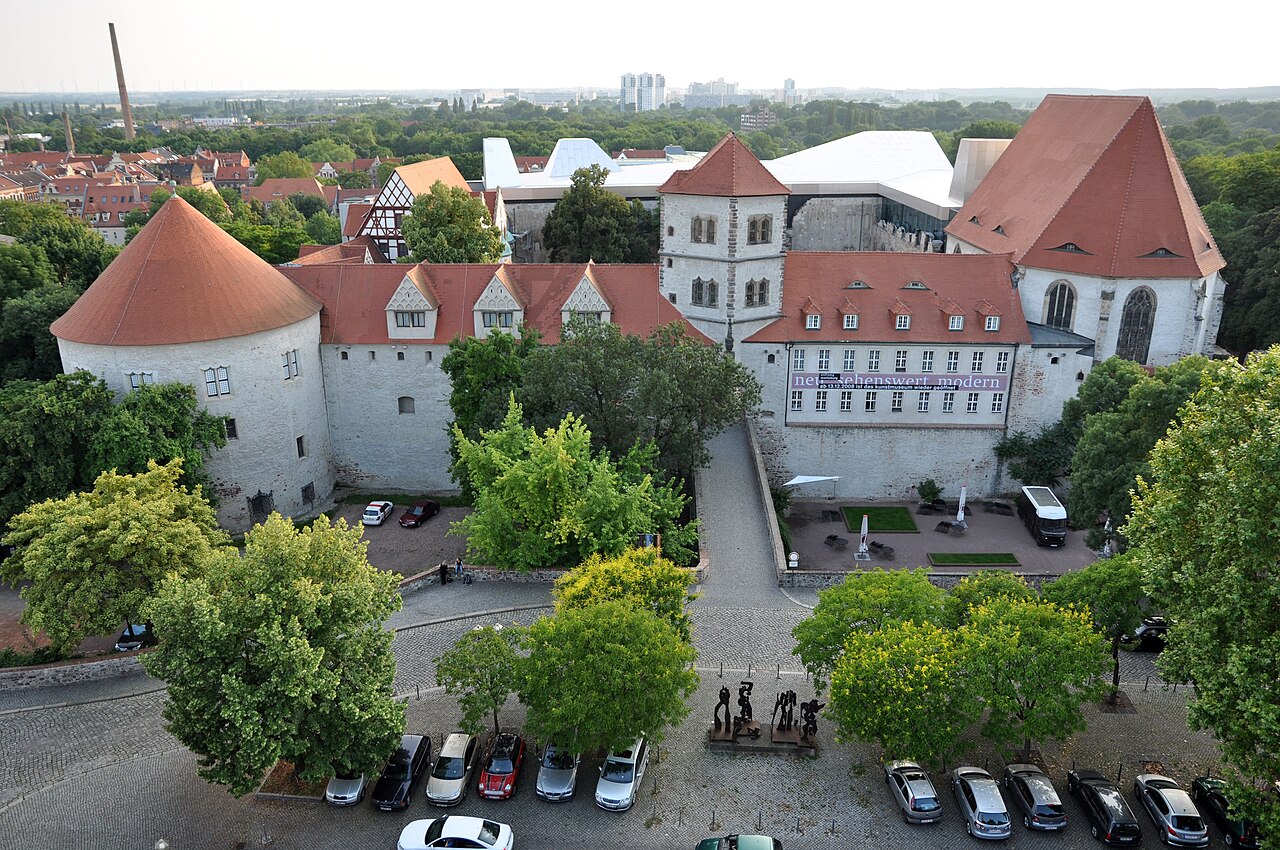
Schönstein Castle
Schönstein Castle, located in Wissen, Germany, is a notable example of a high medieval courtyard castle with a complex architectural evolution spanning several centuries. Originally part of the estates of the noble lords of Freusburg, the castle's history is deeply intertwined with the regional power struggles and noble families of the Rhineland area.
The origins and early history of Schönstein Castle
The manors of Kirburg and Wissen, including the site of Schönstein Castle, initially belonged to the noble lords of Freusburg. It is presumed that this family was responsible for the original construction of the castle, likely in the 13th century. Through the marriage of Aleidis von Molsberg, heiress of the Freusburg estates, to Eberhard von Arenberg in 1176, these properties transferred into the hands of the Lords of Arenberg, who held the title of Burggraves of Kurköln.
Following this union, the Arenberg family divided their holdings along the Sieg River. Heinrich von Arenberg received the lands south of the river, including Schönstein Castle, while Gerhard von Arenberg took control of the northern properties and adopted the name von Wildenburg. The Arenberg male line ended in 1280, after which the Archdiocese of Cologne seized the parish of Wissen as a lapsed fief.
From 1281 onwards, Schönstein Castle served as a pledged property for the Archdiocese of Cologne. The adjacent Wildenburger Land, including Wildenburg Castle, passed to Johann von Hatzfeldt through the heiress Jutta von Wildenburg sometime before 1407. The Hatzfeldt family would play a significant role in the castle's later history.
Ownership changes and conflicts in the late medieval and early modern periods
In 1589, Hermann von Hatzfeld-Werther received Schönstein Castle as a reward for his services to Kurköln. By this time, the castle had suffered considerable damage and was in need of extensive repairs. Hermann estimated the maintenance costs at 16,000 gulden in 1594, reflecting the scale of restoration required.
The castle endured further hardship during the Thirty Years' War (1618–1648), when it was occupied, looted, and set on fire by Swedish troops. This devastating event necessitated another phase of rebuilding, which was undertaken on the initiative of Wilhelm von Hatzfeld, a member of the castle's owning family.
Since 1912, Schönstein Castle has served as the administrative seat of the Hatzfeldt-Wildenburg Chamber. It also remains the residence of the von Dönhoff family, linking the castle's historical legacy with present-day aristocratic stewardship.
Architectural features and evolution
The castle's main building is characterized by an approximately triangular floor plan, typical of a courtyard castle. The buildings are arranged around an inner courtyard, a common feature in medieval castle design that provided both defense and a controlled communal space.
Schönstein Castle exhibits a layered architectural history, with construction and restoration phases spanning from the Middle Ages to the modern era. The north wing retains older elements, notably its rubble masonry, which contrasts with the late 16th-century brick facades seen elsewhere on the castle.
The south wing features a baroque staircase dating from the first half of the 18th century, illustrating the castle's continued adaptation to changing architectural tastes and functional needs over time.
One of the castle's distinctive features is the two-story wooden gallery on the east wing. The first floor of this gallery was constructed in 1598, with the second floor added in 1623, showcasing the craftsmanship and architectural style of the late Renaissance period.
Defensive elements and layout
As a courtyard castle, Schönstein was designed to balance residential comfort with defensive capability. The triangular layout allowed for strategic placement of defensive walls and towers, although specific surviving fortifications such as battlements or gatehouses require further detailed study.
The castle's location near the Sieg River would have provided natural defensive advantages, as well as access to transportation and communication routes in the region.
The cultural and historical significance of Schönstein Castle
Schönstein Castle stands as a testament to the shifting political and social landscape of the Rhineland from the high medieval period through the early modern era. Its association with prominent noble families such as the lords of Freusburg, von Arenberg, and von Hatzfeldt reflects the complex feudal relationships and territorial disputes that shaped the region.
The castle's survival through conflict, including its destruction and rebuilding during the Thirty Years' War, highlights the resilience of such structures and their continued importance as centers of administration and residence for noble families.
Today, Schönstein Castle remains a well-preserved historical monument and private residence, contributing to the cultural heritage of Wissen and the broader Hessen region.
Visiting Schönstein Castle
While primarily a private residence and administrative seat, Schönstein Castle occasionally participates in cultural events and may offer limited public access during special occasions. Visitors interested in castle architecture and Rhineland history should check local listings and tourism information for opportunities to explore the castle and its surroundings.
Frequently asked questions (FAQ)
- What is Schönstein Castle known for?
- Schönstein Castle is renowned for its stunning medieval architecture and rich history that dates back to the 12th century. The castle has served various purposes over the centuries, including a fortress and a noble residence, making it a significant landmark in Wissen, Germany.
- When was Schönstein Castle built?
- Schönstein Castle was originally constructed in the 12th century, with various renovations and expansions occurring throughout the Middle Ages. Its architectural style reflects the evolution of castle design and military fortifications over the centuries.
- Can I visit Schönstein Castle?
- Yes, Schönstein Castle is open to visitors, offering guided tours that delve into its history and architectural features. Be sure to check the castle's official website for specific visiting hours and any seasonal events.
- What are the opening hours for Schönstein Castle?
- The opening hours for Schönstein Castle vary by season, typically being open from 10 AM to 6 PM during peak tourist months. It is advisable to confirm the hours on the official website before planning your visit, as they may change due to holidays or special events.
- Is Schönstein Castle accessible for visitors with disabilities?
- Schönstein Castle strives to be accessible to all visitors, with ramps and designated pathways for those with mobility challenges. However, certain areas may have limitations due to the castle's historic nature, so it's recommended to contact the castle staff in advance for specific accessibility information.
- What are the ticket prices for Schönstein Castle?
- Ticket prices for Schönstein Castle are generally affordable, with discounts available for students and seniors. Children under a certain age may enter for free, making it a great family-friendly destination.
- When is the best time to visit Schönstein Castle?
- The best time to visit Schönstein Castle is during the spring and early autumn when the weather is mild and the surrounding landscape is beautifully vibrant. Additionally, these seasons often feature fewer crowds, allowing for a more enjoyable experience.
- Are there any nearby attractions to Schönstein Castle?
- Yes, there are several nearby attractions, including the picturesque town of Wissen and several hiking trails that offer stunning views of the surrounding countryside. Visitors can also explore local museums and cultural sites that highlight the rich heritage of the region.
Information
Loading map...
Visitor reviews
No reviews yet. Been here? Write the first review and help other travelers!
Write the first reviewVisited this castle? Share your experience
Your review helps other travelers and adds first-hand knowledge to our encyclopedia.