Montornés Castle
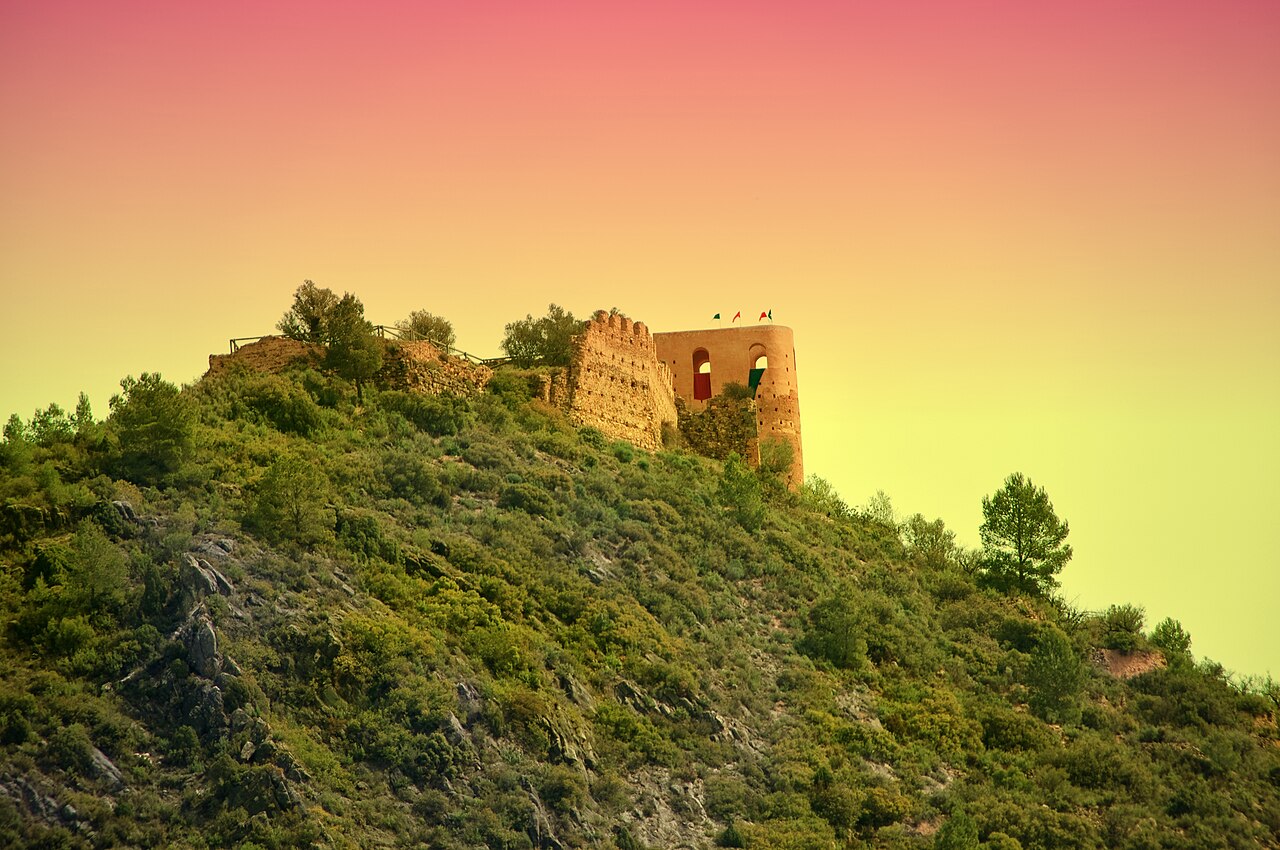
Montornés Castle stands as a historic hilltop fortress located in Benicasim, Spain, with its foundations resting on ancient Roman remains. Originally constructed in the 10th century AD, this castle was part of a strategic Moorish defence system designed to protect the region during the period of Muslim rule in the Iberian Peninsula. Its location on elevated terrain provided a commanding view over the surrounding landscape, including the Plana (Plain) of Castellón and the Mediterranean Sea, vital for early warning and defense against incursions.
Historical context and construction
The castle's initial construction in the Early Medieval period reflects the military architecture typical of Moorish fortifications in Spain. It was built to secure the eastern coastal frontier and to control the surrounding territory. Following the Christian Reconquista, the fortress was captured and subsequently reinforced and extended by Christian forces. These modifications enhanced its defensive capabilities and adapted its structure to new military needs.
Architectural layout and defensive features
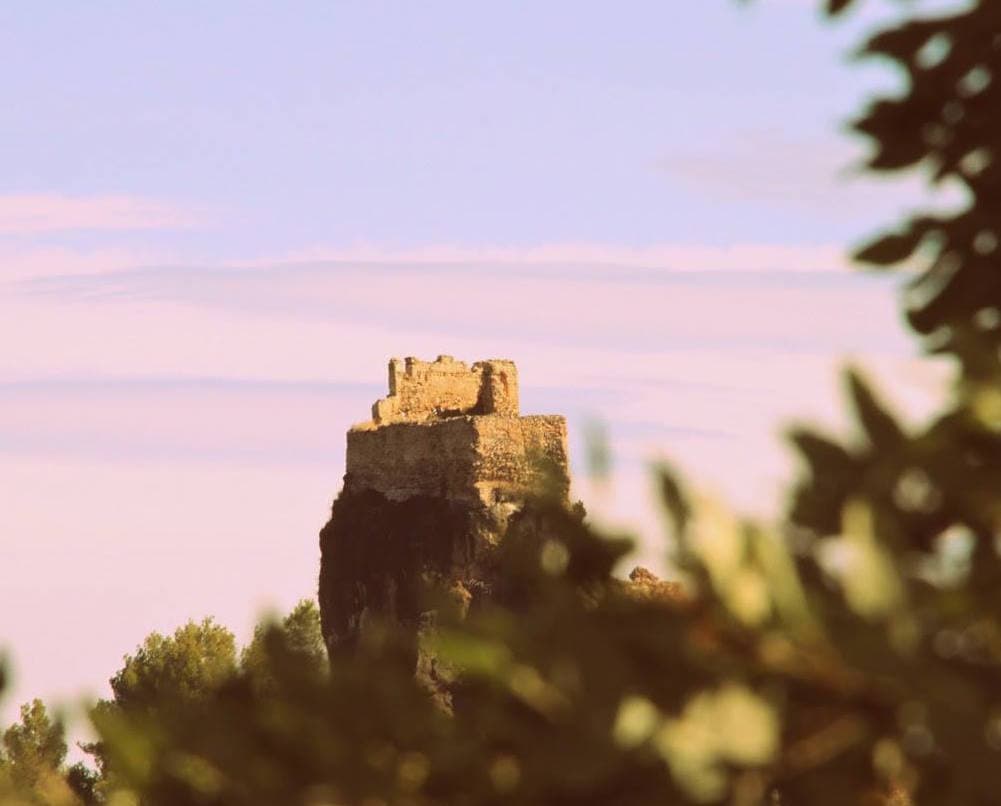
Montornés Castle is composed of three main areas enclosed within a curtain wall, forming a roughly triangular plan. This design allowed for effective defense and internal organization. The triangle is completed by two additional structures: the Torre San Vicente and the Casoleta de Salandó, which functioned as auxiliary fortifications to strengthen the castle's defenses.
The surviving elements today include portions of the curtain walls, two watchtowers, and several cisterns used to collect and store rainwater, an essential feature for sustaining the garrison during sieges or droughts. The watchtowers provided vantage points for surveillance and early detection of approaching enemies.
Decline and current condition
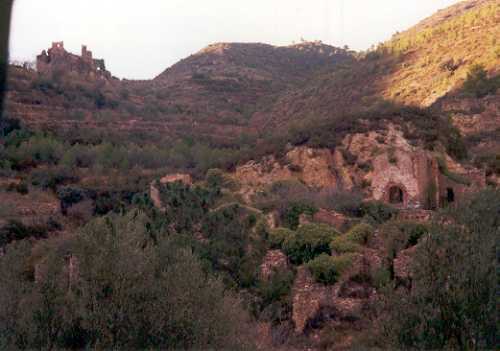
While the exact circumstances and timing of the castle's destruction remain uncertain, historical records indicate it was inhabited until the 15th century. Over time, the fortress fell into disuse and partial ruin. Today, only fragments of its walls and defensive structures remain, preserved as archaeological ruins that testify to its historical significance.
Strategic importance and views
The castle's elevated position allowed it to command extensive views across the Castellón plain and the Mediterranean coastline. This vantage point was critical for monitoring movements along the coast and inland, enabling early warnings of potential threats. The panoramic views also contribute to the site's appeal for visitors interested in history and landscape.
Visiting Montornés Castle
Although the castle is largely in ruins, it remains an important cultural heritage site in the region. Visitors can explore the remaining walls and towers, gaining insight into the Early Medieval military architecture and the layered history of the site, from Roman origins through Moorish occupation to Christian reconquest.
Frequently asked questions (FAQ)
- When was Montornés Castle built and by whom?
- Montornés Castle was built in the 10th century AD as part of a Moorish defence system during the Early Medieval period.
- What remains of Montornés Castle can be seen today?
- Today, visitors can see sections of the curtain walls, two watchtowers, and cisterns, which are remnants of the castle's original structure.
- Why was Montornés Castle strategically important?
- Its hilltop location provided commanding views over the Castellón plain and the Mediterranean Sea, crucial for early detection of threats and defense.
- Is Montornés Castle accessible to visitors?
- The castle is accessible as an archaeological site where visitors can explore the ruins and learn about its historical significance.
- What role did Montornés Castle play after the Reconquista?
- After the Reconquista, the castle was reinforced and extended by Christian forces to adapt it for continued military use.
Photo gallery

Information
Loading map...
Visitor reviews
No reviews yet. Been here? Write the first review and help other travelers!
Write the first reviewVisited this castle? Share your experience
Your review helps other travelers and adds first-hand knowledge to our encyclopedia.