Castle of Alcúdia de Veo — Spain castle

Castle of Alcúdia de Veo

Castle of alcúdia de veo
High Medieval (11th–13th c.)
Partially Preserved

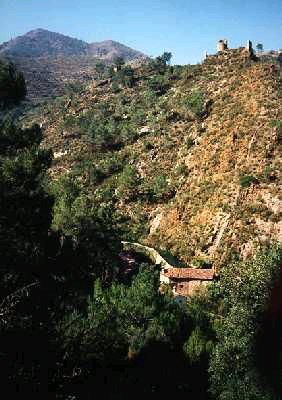
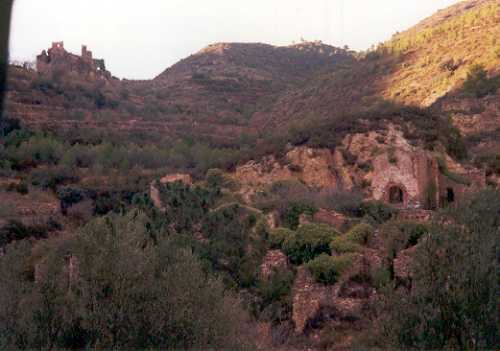
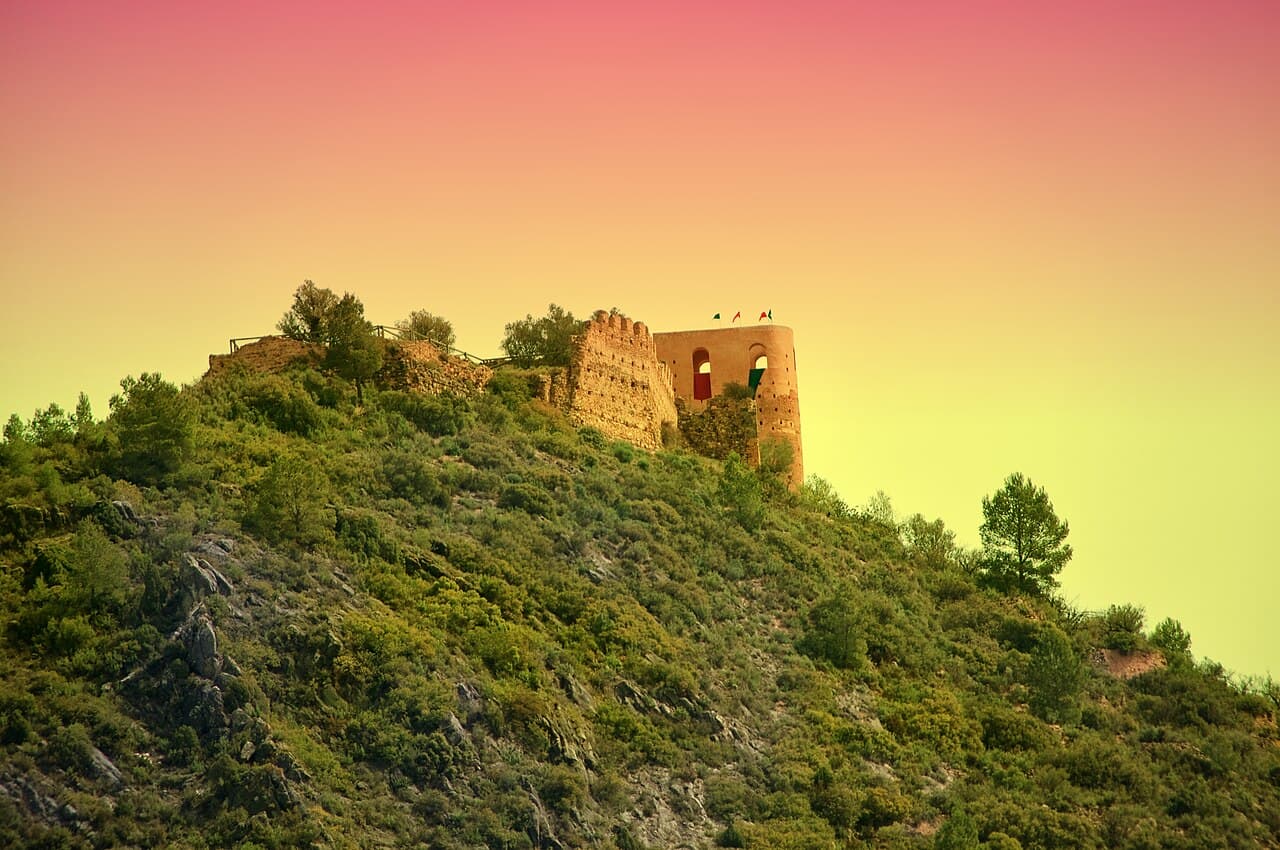
The castle of Alcúdia de Veo is a hill castle situated in the mountainous region of Spain, specifically in the province of Castellón within the autonomous community of Valencia. This medieval fortress occupies a strategic elevated position overlooking the surrounding landscape, characteristic of many defensive structures built during the High Medieval period. Its location on a hill provided natural protection and a commanding view, essential for surveillance and defense against invaders.

Historical background and significance

The origins of the castle of Alcúdia de Veo trace back to the 12th century, a time marked by frequent conflicts and territorial disputes in the Iberian Peninsula. Constructed during the era of the Reconquista, the castle played a role in the Christian efforts to reclaim lands from Muslim rule. It was part of a network of fortifications that secured the region and controlled important routes through the rugged terrain.

Throughout its history, the castle changed hands multiple times, reflecting the turbulent political landscape of medieval Spain. It served both military and administrative functions, acting as a stronghold for local lords and a center for managing the surrounding lands.

Architectural features and layout

The castle of Alcúdia de Veo exemplifies typical hill castle architecture, adapted to its rocky terrain. Its defensive structures include thick stone walls that follow the contours of the hill, towers positioned to maximize visibility and defense, and a gatehouse that controlled access to the interior.

The layout is irregular, shaped by the natural topography rather than strict geometric plans. Within the walls, remnants of residential quarters, storage rooms, and possibly a chapel have been identified, indicating the castle's role as a self-sufficient fortress.

The use of local stone and traditional masonry techniques reflects the construction practices of the period. The castle's design emphasizes defense, with elevated battlements and narrow windows suitable for archers.

Current condition and preservation

Today, the castle of Alcúdia de Veo stands as partially preserved ruins. While much of the original structure has succumbed to centuries of weathering and neglect, significant portions of the walls and towers remain visible. These ruins provide valuable insight into medieval military architecture and the historical context of the region.

The site attracts visitors interested in history, architecture, and hiking, as it is accessible via trails that offer scenic views of the surrounding mountains and valleys. Efforts to maintain and protect the ruins help preserve this cultural heritage for future generations.

Cultural and touristic importance

The castle of Alcúdia de Veo is not only a monument of historical significance but also a cultural symbol in the Castellón province. It contributes to the understanding of medieval fortifications in Spain and the complex history of the Reconquista period.

Visitors to the castle often combine their trip with exploring nearby natural parks and traditional villages, making it a destination that blends history with nature tourism. The castle's dramatic setting and evocative ruins offer a glimpse into Spain's medieval past and the enduring legacy of its architectural heritage.

Frequently asked questions (FAQ)

How do I get to the Castle of Alcúdia de Veo?
The Castle of Alcúdia de Veo is located in the province of Castellón, Spain. You can reach it by car from the nearby towns of Veo and Alcúdia, with well-marked roads leading to the site. Public transport options are limited, so driving is recommended for convenience.
What is the historical significance of the Castle of Alcúdia de Veo?
The Castle of Alcúdia de Veo dates back to the 12th century and is a remarkable example of Moorish architecture in Spain. It served as a strategic fortress during the Reconquista, reflecting the historical conflicts in the region. Its well-preserved structure offers insight into the medieval history of the area.
When was the Castle of Alcúdia de Veo built?
The construction of the Castle of Alcúdia de Veo began in the 12th century, during the period of Moorish influence in Spain. It was completed as a defensive stronghold to protect the region from invasions. Over the centuries, it has undergone various restorations, preserving its historical essence.
Can I visit the Castle of Alcúdia de Veo?
Yes, visitors are welcome to explore the Castle of Alcúdia de Veo. While there may be some restrictions on certain areas, the main sections of the castle are accessible to the public. Guided tours are often available, providing a deeper understanding of its history and architecture.
Why is the architecture of the Castle of Alcúdia de Veo noteworthy?
The architecture of the Castle of Alcúdia de Veo is notable for its robust stone walls and strategic layout, designed for defense. The blend of Moorish and Christian architectural elements showcases the cultural exchanges that occurred during the Reconquista. Its panoramic views of the surrounding landscape add to its architectural charm.
Is it possible to visit the Castle of Alcúdia de Veo year-round?
Yes, the Castle of Alcúdia de Veo is open for visits throughout the year. However, it's advisable to check for any seasonal changes in visiting hours or maintenance closures. The best time to visit is during the spring and fall when the weather is pleasant and the landscape is particularly beautiful.
What are the opening hours for the Castle of Alcúdia de Veo?
The Castle of Alcúdia de Veo typically opens from 10 AM to 6 PM, although these hours may vary by season. It is recommended to check the official website or contact local tourist information for the most accurate and up-to-date information. Arriving early in the day can help you avoid crowds and enjoy a more peaceful experience.
Are there any nearby attractions to visit while in Alcúdia de Veo?
Yes, there are several nearby attractions worth exploring, including the picturesque village of Veo and the scenic hiking trails in the surrounding natural parks. The area is known for its stunning landscapes, which are perfect for outdoor activities. Additionally, local restaurants offer traditional cuisine, enhancing your visit to the region.
What are the ticket prices for visiting the Castle of Alcúdia de Veo?
Admission to the Castle of Alcúdia de Veo is typically affordable, with tickets priced around €5 for adults and discounted rates for children and seniors. Guided tours may have additional fees, but they offer a richer experience of the castle's history. It’s advisable to check the official site for any special offers or group rates.

Photo gallery

Castle of Alcúdia de Veo
Click to view

Photo by Tinerfophotography•CC BY-SA 3.0 es

1 photo • Click any image to view in full screen

Information

Hill Castle

Loading map...

Visitor reviews

No reviews yet. Been here? Write the first review and help other travelers!

Write the first review

Visited this castle? Share your experience

Your review helps other travelers and adds first-hand knowledge to our encyclopedia.
Write a review

(5/5)

0/2000 characters

Your review will be visible after admin approval

Nearby castles

2.9 km
Montornés Castle — Spain castle

Montornés Castle

Benicasim, Spain

Montornés Castle stands as a historic hilltop fortress located in Benicasim, Spain, with its foundations resting on ancient Roman remains. Originally constructed in the 10th century AD, this castle was part of a strategic Moorish defence system designed to protect the region during the period of Muslim rule in the Iberian Peninsula. Its location on elevated terrain provided a commanding view over the surrounding landscape, including the Plana (Plain) of Castellón and the Mediterranean Sea, vital for early warning and defense against incursions.Historical context and constructionThe castle's initial construction in the Early Medieval period reflects the military architecture typical of Moorish fortifications in Spain. It was built to secure the eastern coastal frontier and to control the surrounding territory. Following the Christian Reconquista, the fortress was captured and subsequently reinforced and extended by Christian forces. These modifications enhanced its defensive capabilities and adapted its structure to new military needs.Architectural layout and defensive featuresMontornés Castle is composed of three main areas enclosed within a curtain wall, forming a roughly triangular plan. This design allowed for effective defense and internal organization. The triangle is completed by two additional structures: the Torre San Vicente and the Casoleta de Salandó, which functioned as auxiliary fortifications to strengthen the castle's defenses.The surviving elements today include portions of the curtain walls, two watchtowers, and several cisterns used to collect and store rainwater, an essential feature for sustaining the garrison during sieges or droughts. The watchtowers provided vantage points for surveillance and early detection of approaching enemies.Decline and current conditionWhile the exact circumstances and timing of the castle's destruction remain uncertain, historical records indicate it was inhabited until the 15th century. Over time, the fortress fell into disuse and partial ruin. Today, only fragments of its walls and defensive structures remain, preserved as archaeological ruins that testify to its historical significance.Strategic importance and viewsThe castle's elevated position allowed it to command extensive views across the Castellón plain and the Mediterranean coastline. This vantage point was critical for monitoring movements along the coast and inland, enabling early warnings of potential threats. The panoramic views also contribute to the site's appeal for visitors interested in history and landscape.Visiting Montornés CastleAlthough the castle is largely in ruins, it remains an important cultural heritage site in the region. Visitors can explore the remaining walls and towers, gaining insight into the Early Medieval military architecture and the layered history of the site, from Roman origins through Moorish occupation to Christian reconquest.

Early Medieval (5th–10th c.)
Details
3 km
Castell de Benalí — Spain castle

Castell de Benalí

, Spain

Castell de Benalí stands as a prominent example of a bastioned fortress in Spain, reflecting the military architectural advancements of its period. Although the exact city location is not specified, its classification as a bastioned fortress indicates its strategic role in defense, characterized by angular bastions designed to withstand artillery attacks and provide overlapping fields of fire. Architectural features and design The fortress exhibits the distinctive features of bastioned fortifications that emerged in the late medieval and early modern periods, particularly from the 15th century onward. These fortresses were designed to adapt to the increasing use of gunpowder artillery in warfare. Bastions, projecting outward from the main walls, allowed defenders to cover adjacent walls with cannon and musket fire, eliminating blind spots common in earlier medieval castles. The walls of Castell de Benalí would have been thick and sloped to absorb and deflect artillery fire, constructed from durable stone masonry. The fortress likely included curtain walls connecting the bastions, a ditch or moat surrounding the perimeter for added defense, and a fortified gatehouse controlling access. Historical context and significance While specific historical records of Castell de Benalí are limited, bastioned fortresses in Spain were often built or upgraded during the Renaissance period, reflecting the evolution of military technology and the need to defend territories against increasingly powerful siege artillery. Spain's geopolitical position during the 15th and 16th centuries, marked by conflicts such as the Reconquista and later European wars, necessitated robust fortifications. Such fortresses were integral to the defense networks protecting key cities, ports, and trade routes. They also served as military garrisons and administrative centers, controlling surrounding lands and populations. Construction materials and techniques The construction of Castell de Benalí would have utilized local stone, shaped and assembled to form thick defensive walls capable of withstanding cannon bombardment. The use of angled bastions required precise geometric planning to maximize defensive coverage. Mortar and stone masonry techniques were employed to create solid, durable structures. Inside the fortress, there would have been barracks, storage rooms, and possibly a commander's quarters, all designed to support prolonged defense during sieges. Preservation and current condition The current condition of Castell de Benalí is not detailed in available sources, but bastioned fortresses often survive as ruins or partially preserved structures due to their robust construction. Preservation efforts, if any, would focus on stabilizing walls and bastions to prevent further decay while allowing public access for educational and cultural purposes. Visiting information and cultural importance Visitors to bastioned fortresses like Castell de Benalí can explore the remains of military architecture that illustrate the transition from medieval to early modern warfare. Such sites provide insight into the strategic thinking and engineering skills of the period. Though specific visiting hours and ticket prices for Castell de Benalí are not documented, similar fortresses in Spain often serve as cultural heritage sites open to the public, sometimes hosting guided tours and educational programs.

Details
3.4 km
Castle of Xinquer — Spain castle

Castle of Xinquer

, Spain

The Castle of Xinquer is a notable example of a hill castle located in Spain, recognized for its strategic position and historic significance. Although the exact city location is not definitively recorded, the castle's placement on elevated terrain reflects its primary function as a defensive stronghold during the medieval period. Historical background and strategic importance The castle dates back to the high medieval period, a time characterized by the widespread construction of fortifications across the Iberian Peninsula. Built primarily for military defense, the Castle of Xinquer served as a critical point of control over the surrounding lands and trade routes. Its elevated position on a hill provided commanding views, enabling early detection of approaching enemies and effective defense against sieges. Throughout its history, the castle likely witnessed various phases of occupation and conflict, reflecting the turbulent medieval era in Spain marked by territorial disputes and the Reconquista campaigns. While specific historical events tied to the castle remain underdocumented, its architectural features suggest a focus on fortification and military utility. Architectural features and construction The Castle of Xinquer exemplifies typical hill castle architecture with robust defensive elements. The castle's layout would have included thick stone walls designed to withstand attacks, battlements for archers, and a central keep or donjon serving as the last line of defense and residence for the lord or military commander. Given its medieval origins, the castle likely incorporated Romanesque or early Gothic architectural styles, characterized by rounded arches, sturdy pillars, and minimal ornamentation focused on functionality. Defensive features such as narrow windows and arrow slits would have been integral to its design, providing protection while allowing defenders to repel attackers. Access to the castle was probably controlled by a fortified gatehouse and a winding path up the hill, complicating enemy advances. The surrounding terrain itself acted as a natural defense, with steep slopes limiting direct assaults. Current condition and preservation Today, the Castle of Xinquer exists primarily as ruins, with portions of its walls and defensive structures still visible. The state of preservation reflects centuries of exposure to natural elements and historical conflicts. Archaeological efforts have aimed to document and stabilize remaining structures to prevent further deterioration. The castle's ruins continue to attract interest from historians and visitors intrigued by Spain's medieval heritage, offering insights into the military architecture and feudal society of the time. Cultural significance and tourism As a symbol of medieval fortification, the Castle of Xinquer contributes to the cultural landscape of Spain's historical castles. It represents the strategic military architecture that shaped regional power dynamics during the Middle Ages. While not as extensively restored or developed for tourism as some other Spanish castles, the site offers a valuable experience for visitors interested in archaeology, medieval history, and castle architecture. Its hilltop location provides scenic views of the surrounding countryside, enhancing its appeal as a historic landmark. Exploring the castle and surroundings Visitors to the Castle of Xinquer can explore the remnants of its defensive walls and foundations, gaining an understanding of medieval military construction techniques. The natural setting around the castle encourages hiking and photography, making it a destination for those who appreciate both history and nature. Due to its ruinous state, access may be limited in some areas for safety reasons, and visitors are advised to respect preservation efforts while enjoying the site.

High Medieval (11th–13th c.)
Details