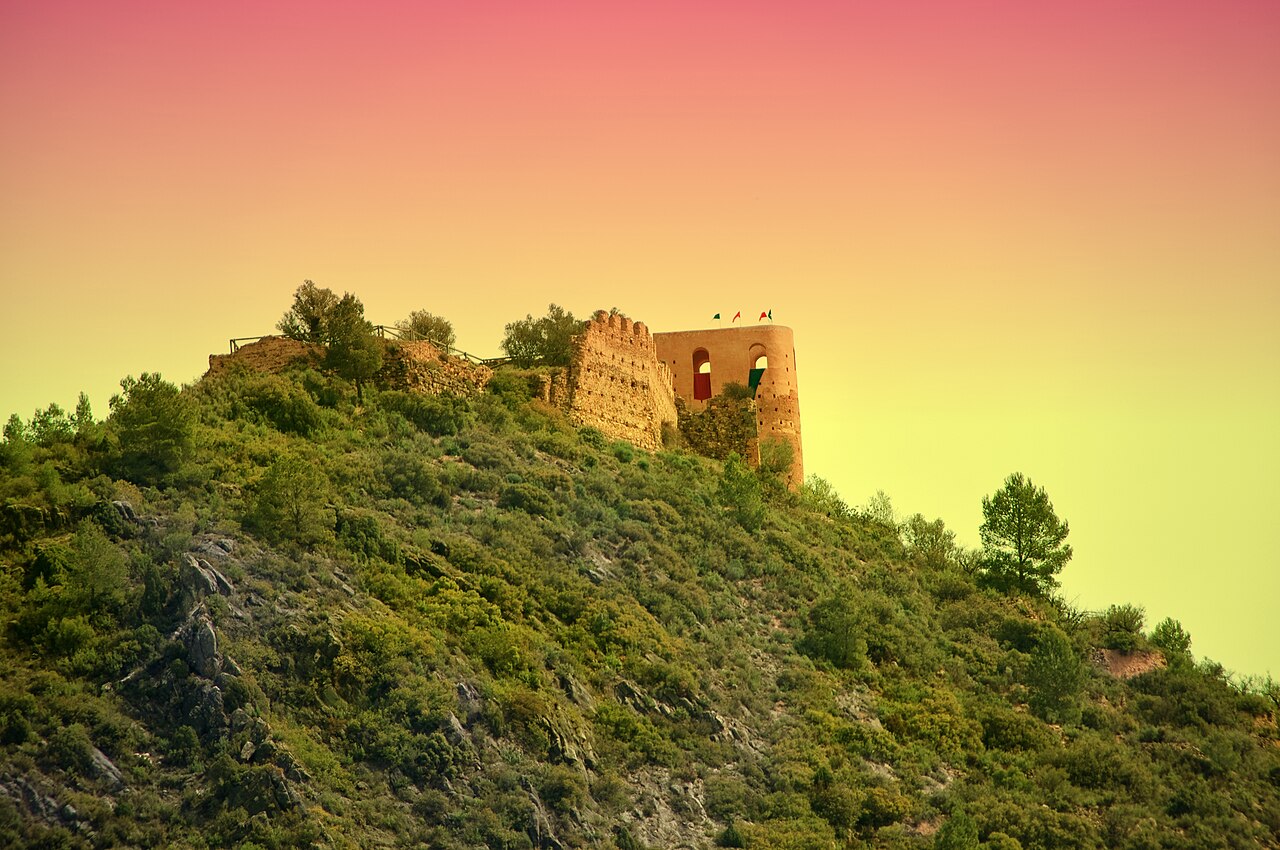
The Castle of Xinquer is a notable example of a hill castle located in Spain, recognized for its strategic position and historic significance. Although the exact city location is not definitively recorded, the castle's placement on elevated terrain reflects its primary function as a defensive stronghold during the medieval period.
Historical background and strategic importance
The castle dates back to the high medieval period, a time characterized by the widespread construction of fortifications across the Iberian Peninsula. Built primarily for military defense, the Castle of Xinquer served as a critical point of control over the surrounding lands and trade routes. Its elevated position on a hill provided commanding views, enabling early detection of approaching enemies and effective defense against sieges.
Throughout its history, the castle likely witnessed various phases of occupation and conflict, reflecting the turbulent medieval era in Spain marked by territorial disputes and the Reconquista campaigns. While specific historical events tied to the castle remain underdocumented, its architectural features suggest a focus on fortification and military utility.
Architectural features and construction
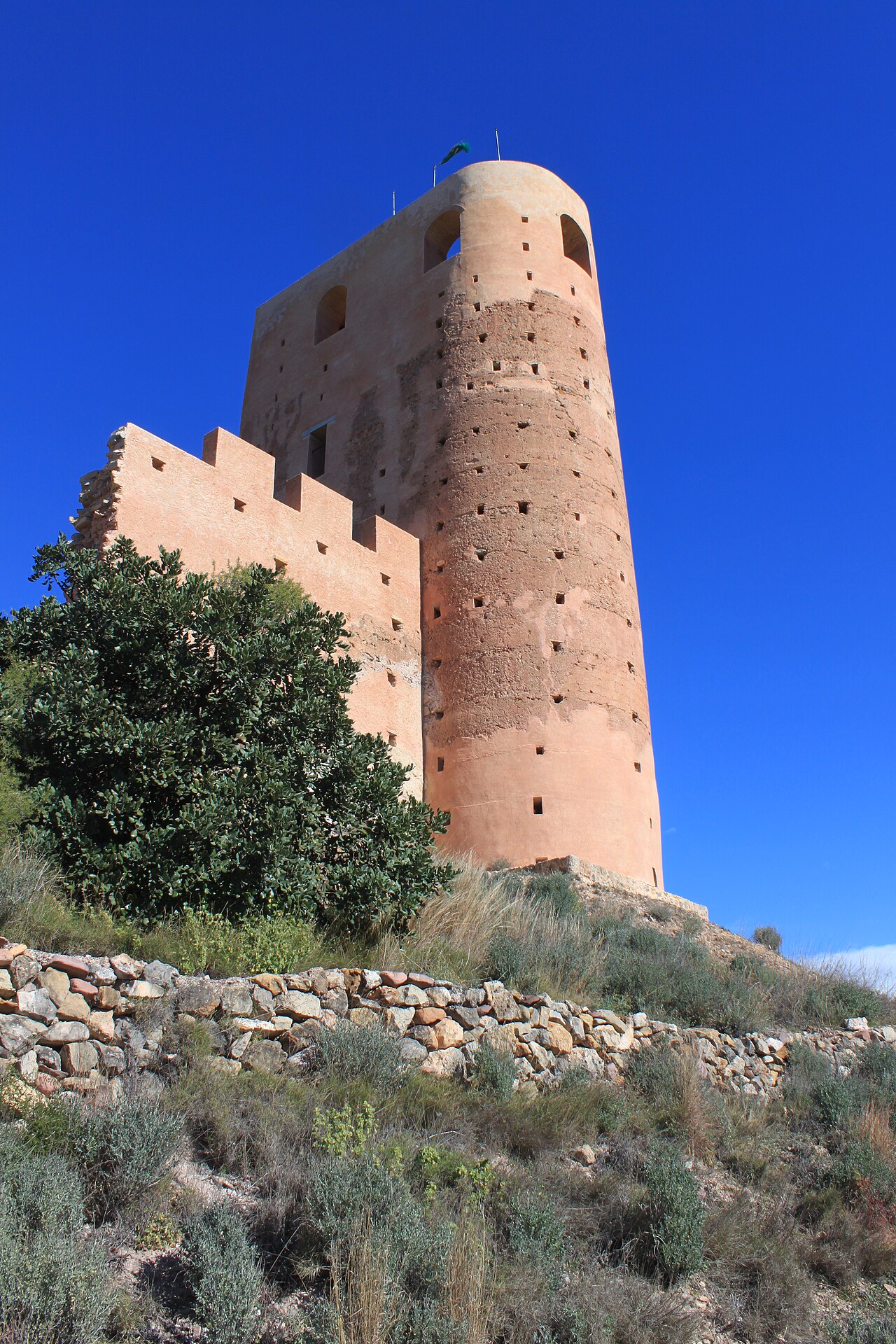
The Castle of Xinquer exemplifies typical hill castle architecture with robust defensive elements. The castle's layout would have included thick stone walls designed to withstand attacks, battlements for archers, and a central keep or donjon serving as the last line of defense and residence for the lord or military commander.
Given its medieval origins, the castle likely incorporated Romanesque or early Gothic architectural styles, characterized by rounded arches, sturdy pillars, and minimal ornamentation focused on functionality. Defensive features such as narrow windows and arrow slits would have been integral to its design, providing protection while allowing defenders to repel attackers.
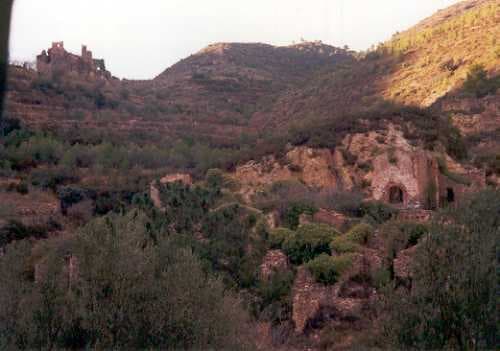
Access to the castle was probably controlled by a fortified gatehouse and a winding path up the hill, complicating enemy advances. The surrounding terrain itself acted as a natural defense, with steep slopes limiting direct assaults.
Current condition and preservation
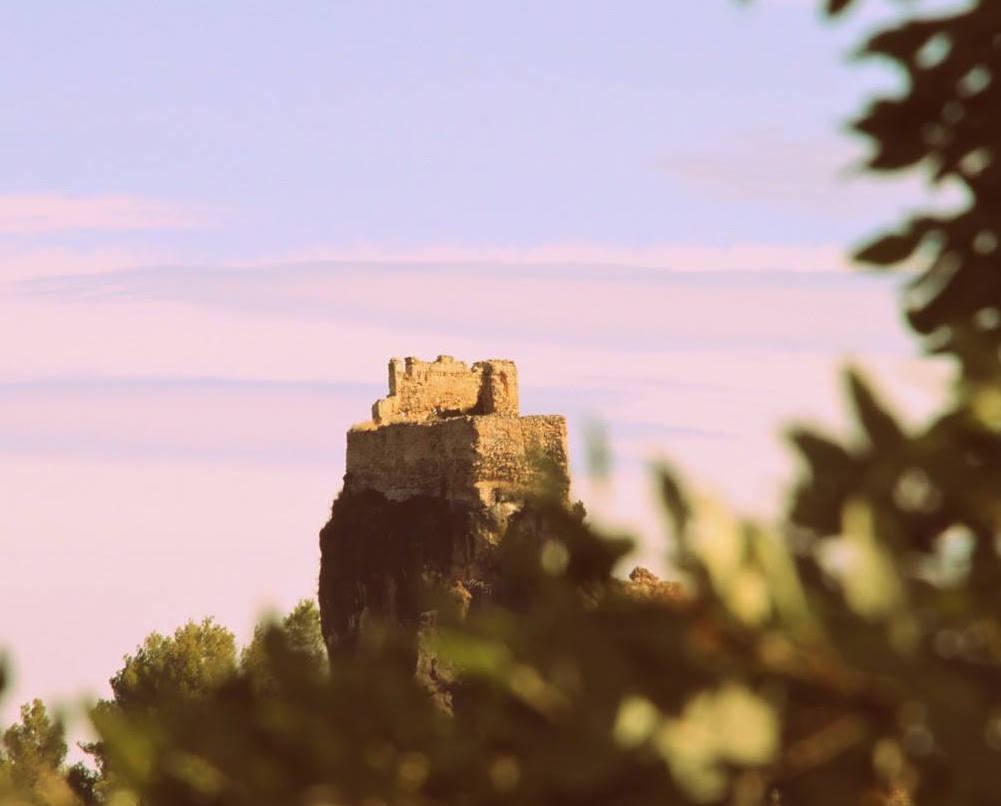
Today, the Castle of Xinquer exists primarily as ruins, with portions of its walls and defensive structures still visible. The state of preservation reflects centuries of exposure to natural elements and historical conflicts. Archaeological efforts have aimed to document and stabilize remaining structures to prevent further deterioration.
The castle's ruins continue to attract interest from historians and visitors intrigued by Spain's medieval heritage, offering insights into the military architecture and feudal society of the time.
Cultural significance and tourism
As a symbol of medieval fortification, the Castle of Xinquer contributes to the cultural landscape of Spain's historical castles. It represents the strategic military architecture that shaped regional power dynamics during the Middle Ages.
While not as extensively restored or developed for tourism as some other Spanish castles, the site offers a valuable experience for visitors interested in archaeology, medieval history, and castle architecture. Its hilltop location provides scenic views of the surrounding countryside, enhancing its appeal as a historic landmark.
Exploring the castle and surroundings
Visitors to the Castle of Xinquer can explore the remnants of its defensive walls and foundations, gaining an understanding of medieval military construction techniques. The natural setting around the castle encourages hiking and photography, making it a destination for those who appreciate both history and nature.
Due to its ruinous state, access may be limited in some areas for safety reasons, and visitors are advised to respect preservation efforts while enjoying the site.
Frequently asked questions (FAQ)
- What is the historical significance of the Castle of Xinquer?
- The Castle of Xinquer served as a strategic military fortification during the high medieval period in Spain, controlling important routes and defending the surrounding territory.
- Can I visit the Castle of Xinquer today?
- Yes, visitors can explore the ruins of the Castle of Xinquer, although some areas may be restricted for safety. It offers scenic views and a glimpse into medieval fortification.
- What architectural style is the Castle of Xinquer built in?
- The castle likely features elements of Romanesque or early Gothic architecture, typical of high medieval military structures in Spain, focusing on defense and functionality.
- Why was the Castle of Xinquer built on a hill?
- The hilltop location provided a natural defensive advantage, allowing visibility over the surrounding area and making it difficult for attackers to approach undetected.
- Is the Castle of Xinquer well preserved?
- The castle remains mostly in ruins, with some walls and structures still visible. Preservation efforts aim to stabilize the site and prevent further decay.

Information
Loading map...
Visitor reviews
No reviews yet. Been here? Write the first review and help other travelers!
Write the first reviewVisited this castle? Share your experience
Your review helps other travelers and adds first-hand knowledge to our encyclopedia.