Montfort Castle
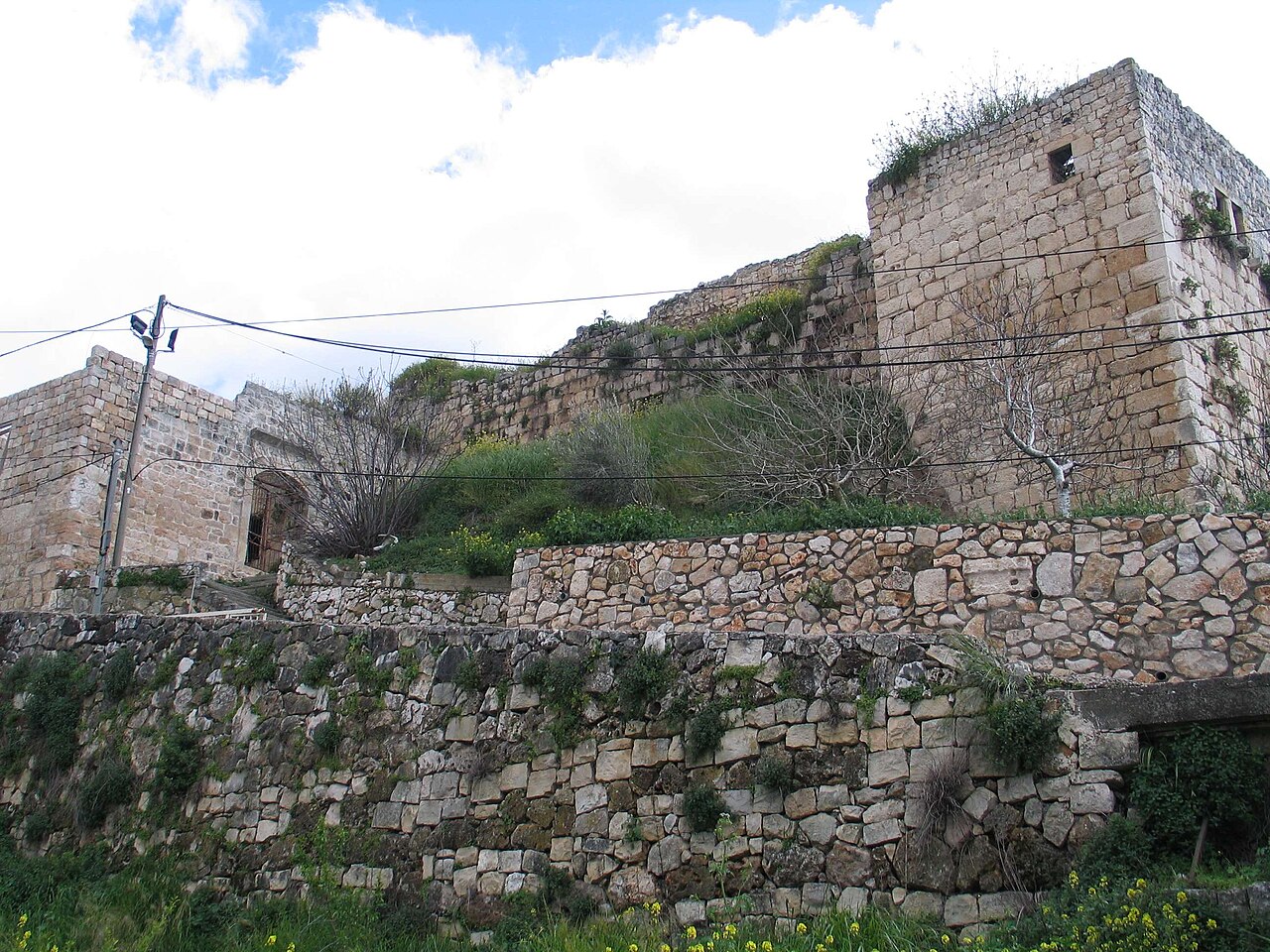
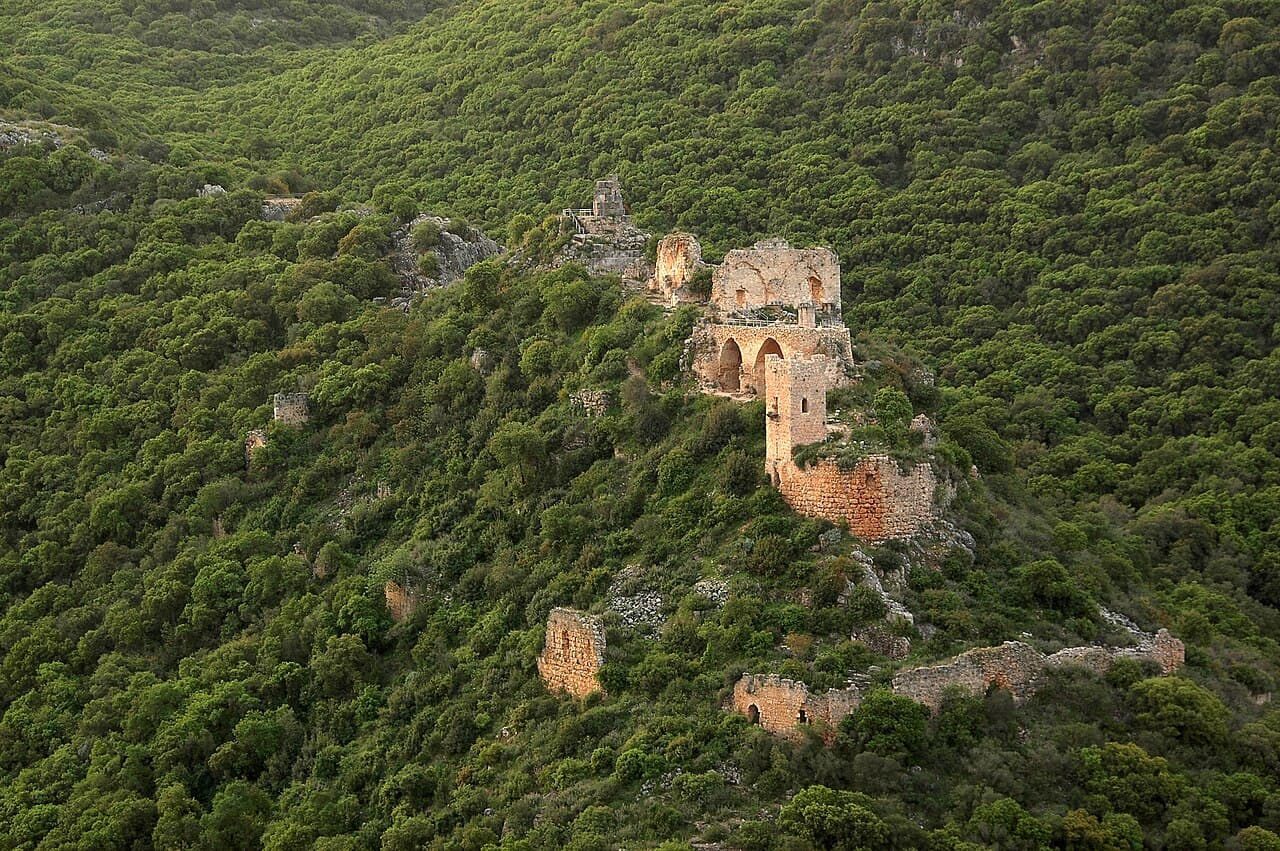
Montfort Castle stands as a remarkable example of a High Medieval hill castle in the Upper Galilee region of northern Israel. Built in the 12th century, it served as the principal fortress of the Teutonic Order in the Holy Land. Today, the castle is a protected ruin within a national park, offering visitors a glimpse into the military, administrative, and religious life of the Crusader period. Its location atop a narrow, steep ridge overlooking the Nahal Kziv stream provided natural defenses that were enhanced by impressive man-made fortifications.
Historical background and strategic importance
The origins of Montfort Castle trace back to a fortified agricultural estate established by the French noble family de Milly in the mid-12th century. This estate was part of a broader network of Crusader settlements in the Galilee, with the family’s main seat at Mi’ilya. Ownership passed through marriage to Joscelin de Courtenay in 1179, who further fortified the estate, reflecting its growing importance.
Montfort's strategic value was unique among Crusader castles. Unlike typical military fortresses built to control key routes or borders, Montfort was primarily intended as a secure administrative center. The Teutonic Knights acquired the property in 1220, transforming it into their main headquarters away from the rival military orders in Acre. The castle housed archives, treasury, and served as a symbol of the Order’s presence in the region.
The castle’s history is intertwined with major Crusader and Muslim conflicts. After the devastating Battle of Hattin in 1187, Saladin’s forces captured Montfort, but its inland and isolated location meant it was of limited military interest to the Muslims. Following the Third Crusade (1189–1192), the Crusaders regained control, and the castle became a vital stronghold for the Teutonic Knights.
Montfort withstood a siege by Mamluk Sultan Baibars in 1266, but fell after a prolonged siege in 1271. The defenders surrendered with honors, and Baibars ordered the castle’s systematic destruction to prevent its reuse. This marked the end of Montfort as a Crusader fortress, and the Teutonic Order subsequently relocated its headquarters to Venice.
Architectural design and defensive features
Montfort is a classic example of a spur castle, built on a narrow ridge projecting from a larger hill. This topographical advantage provided natural protection on most sides, with fortifications concentrated on the vulnerable eastern side where the ridge connected to higher ground.
Fortifications and layout
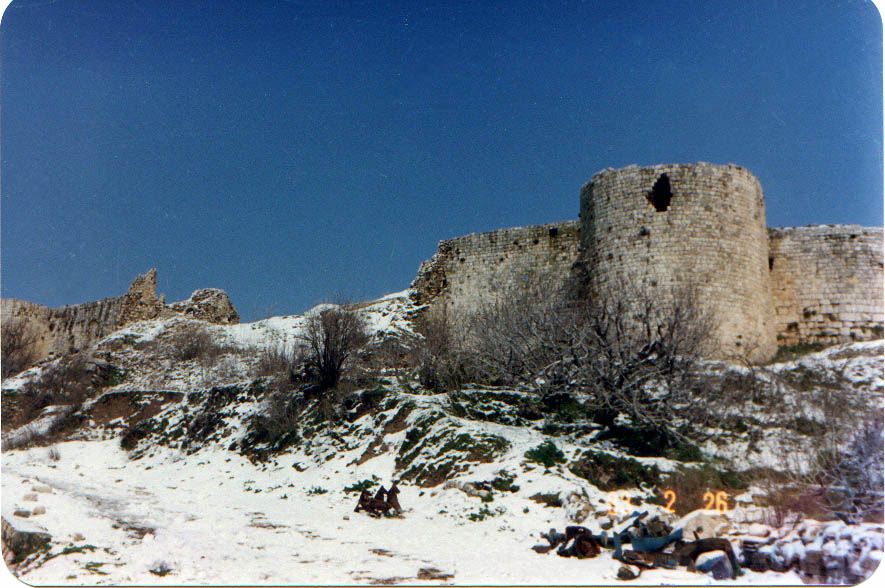
The castle’s defenses included two dry moats cutting across the eastern approach, supplemented by a massive D-shaped keep tower that served as the final refuge and residence. The keep’s thick walls and elongated windows reflect its dual defensive and residential functions.
The main entrance was guarded by a three-story gate tower on the western side, leading into a zwinger or narrow enclosed courtyard designed as a killing ground for attackers. The upper ward, or castle proper, consisted of a linear arrangement of buildings between the eastern keep and western administrative complex.
Residential and administrative buildings
The western complex housed vaulted halls for administration on the ground floor, a ceremonial hall above, and private quarters on the top floor. Adjacent to these was a church, of which only the southern wall remains, highlighting the integration of religious and secular life within the castle.
Below the main buildings, the castle featured storerooms, workshops, and a wine press, indicating a self-sufficient operation. The presence of a water-powered mill near the stream and a dam for irrigation demonstrates advanced water management supporting the castle’s economy.
Military history and sieges
Montfort’s military history is marked by two significant sieges by the Mamluk Sultan Baibars. The first siege in 1266 was repelled by the defenders, showcasing the strength of the castle’s fortifications and garrison. However, in 1271, Baibars returned with enhanced siege technology and engineering units, breaching the walls after about two weeks.
The defenders retreated to the keep but eventually surrendered under negotiated terms allowing safe passage. Following the surrender, Baibars ordered the castle’s demolition over twelve days to ensure it could not be reoccupied by Crusader forces.
This destruction left Montfort largely in ruins, with only the keep and some fortifications surviving. The fall of Montfort symbolized the waning Crusader presence in the Holy Land and the rise of Mamluk dominance.
Archaeological excavations and preservation
Archaeological interest in Montfort began in the early 20th century, with systematic excavations starting in 1926. These investigations have uncovered extensive remains of the castle’s fortifications, residential buildings, and artifacts such as weapons, armor fragments, stained glass, and heraldic items.
Recent research has refined understanding of the castle’s layout, construction phases, and the daily life of its inhabitants. The site is now a national park within the Nahal Kziv nature reserve, attracting tourists and scholars alike.
Preservation efforts focus on maintaining the structural integrity of the surviving walls, towers, and keep, while providing interpretive materials to educate visitors about the castle’s historical significance and architectural features.
Montfort castle’s cultural and heritage significance
Montfort Castle remains a powerful symbol of the Crusader era and the Teutonic Order’s role in the medieval Holy Land. Its unique function as an administrative and military center, combined with its dramatic location and well-preserved ruins, make it a key heritage site.
The castle’s story reflects the complex interactions between Crusader and Muslim powers, the evolution of military architecture, and the challenges faced by religious military orders in maintaining their foothold far from Europe.
Today, Montfort is not only a destination for history enthusiasts but also a site for cultural events and educational programs, ensuring its legacy endures for future generations.
Frequently asked questions (FAQ)
- How do I get to Montfort Castle from major cities in Israel?
- Montfort Castle is accessible by car from major cities like Haifa and Tel Aviv, with clear signage directing visitors to the site near Eilon in the Upper Galilee. Public transportation options are limited, so driving is recommended for convenience.
- What are the opening hours and ticket prices for Montfort Castle?
- Montfort Castle is open daily from 8:00 AM to 5:00 PM. Entrance to the national park and castle ruins is free, making it an accessible destination for all visitors.
- Can I explore the entire castle ruins safely?
- Visitors can safely explore the main accessible areas of Montfort Castle, including the keep, gate tower, and sections of the defensive walls. Some parts of the outer ward and steep slopes are restricted for safety reasons.
- What is the best time of year to visit Montfort Castle?
- The best time to visit Montfort Castle is during the spring and autumn months when the weather in northern Israel is mild and the surrounding nature reserve is at its most beautiful.
- Are there guided tours available at Montfort Castle?
- Guided tours are occasionally offered by the national park authorities and local tour operators, providing detailed historical and architectural insights. Visitors should check in advance for availability and schedules.
Photo gallery

Information
Sources & official resources
Verify the information above using these authoritative references.
Loading map...
Visitor reviews
No reviews yet. Been here? Write the first review and help other travelers!
Write the first reviewVisited this castle? Share your experience
Your review helps other travelers and adds first-hand knowledge to our encyclopedia.