Citadel of Acre
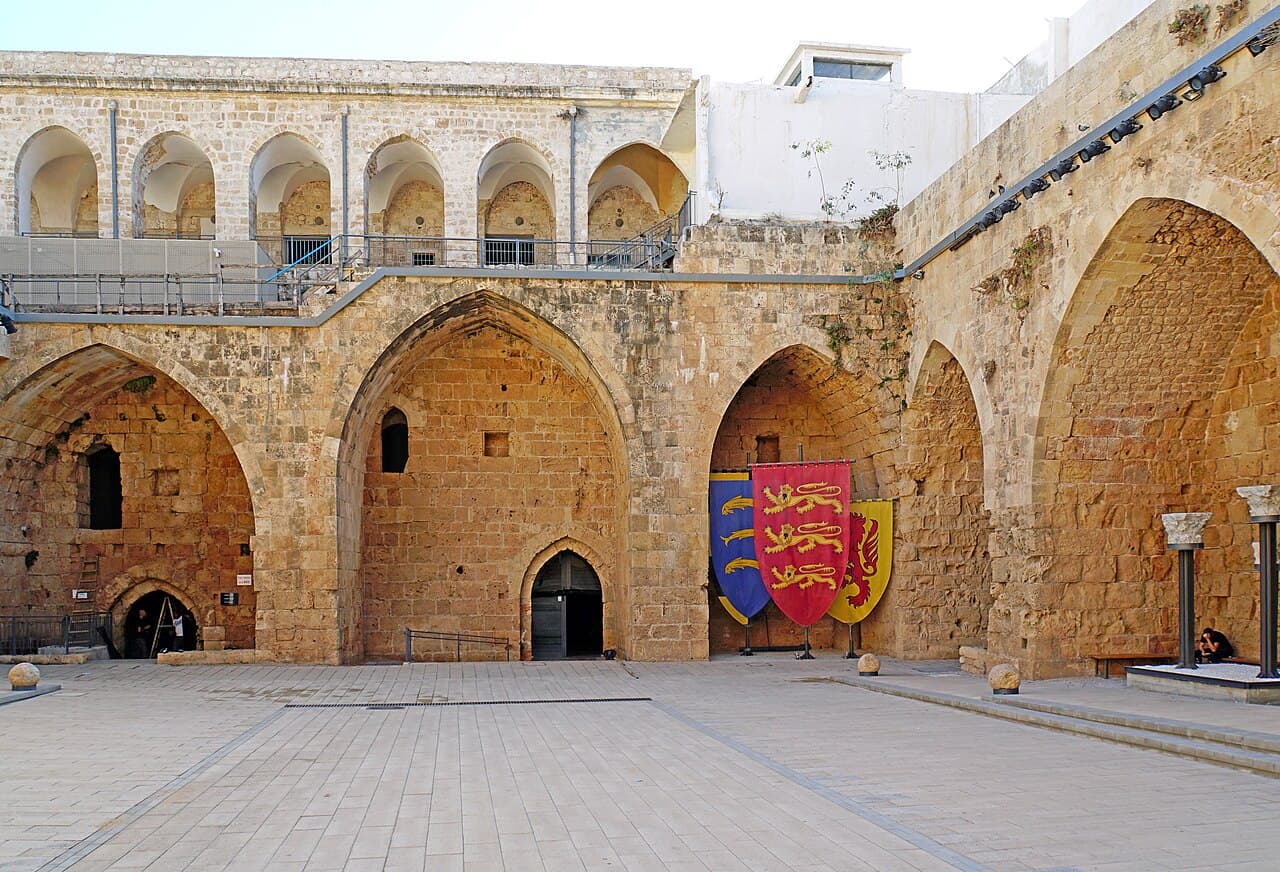
The Citadel of Acre, also known as the Hospitaller commandery of Saint-Jean-d'Acre, is a monumental bastioned fortress located in the historic city of Acre, Israel. This fortress complex was established by the Order of St. John of Jerusalem, commonly referred to as the Knights Hospitaller, during the 13th century. The citadel served as the military and administrative headquarters of the Order until the city's fall in 1291, marking a significant chapter in the Crusader presence in the Holy Land.
Historical context and significance
The Citadel of Acre played a pivotal role during the later Crusades as the principal stronghold of the Knights Hospitaller. Following the loss of Jerusalem, Acre became the de facto capital for the Crusader states, and the citadel was the centerpiece of their defense and governance. The fortress witnessed numerous sieges, most notably the Siege of Acre (1291), which culminated in the fall of the city to the Mamluks and effectively ended Crusader control in the region.
The fortress's strategic coastal location on the Mediterranean Sea made it a crucial naval base and a hub for military operations and logistics. Its capture marked a turning point in the history of the Crusades and the balance of power in the eastern Mediterranean.
Architectural features and layout
The Citadel of Acre is a classic example of a bastioned fortress, characterized by its robust defensive walls, angular bastions designed to deflect cannon fire, and thick curtain walls. The complex includes massive towers, fortified gates, and extensive ramparts that provided overlapping fields of fire against attackers.
The fortress's design reflects the evolution of military architecture in the late medieval period, integrating both traditional Crusader fortification elements and adaptations to emerging siege technologies such as trebuchets and early gunpowder weapons. Within the citadel, there were numerous chapels, halls, and living quarters for the knights and their retinue, as well as storage facilities for arms and provisions.
Defensive structures
The bastions are positioned to cover all approaches to the fortress, allowing defenders to repel assaults from land and sea. The walls are punctuated by arrow slits and murder holes to maximize defensive capabilities. A deep moat surrounded parts of the citadel, enhancing its impregnability.
Internal buildings and facilities
Inside the fortress, the commandery complex included a great hall where the knights convened, a chapel dedicated to St. John, and residential quarters arranged to support the Order's military and religious functions. The layout was designed to facilitate both defense and daily monastic life.
The siege and fall of acre in 1291
The Siege of Acre in 1291 was a decisive event that ended the Crusader presence in the Holy Land. The Mamluk forces launched a massive assault on the city and its fortifications, including the Citadel of Acre. Despite the fortress's formidable defenses, the Mamluks breached the walls after prolonged fighting.
The fall of Acre marked the collapse of the last major Crusader stronghold in the region, forcing the Knights Hospitaller and other Crusader factions to retreat. The event had profound implications for the political and military landscape of the eastern Mediterranean.
Preservation and modern significance
Today, the Citadel of Acre stands as a significant archaeological and historical site. Its ruins offer valuable insights into Crusader military architecture and the complex history of the Crusades. The site is part of the Old City of Acre, a UNESCO World Heritage Site, recognized for its outstanding cultural and historical value.
Visitors to Acre can explore the extensive remains of the fortress, including its walls, towers, and internal chambers, gaining a vivid understanding of medieval fortification techniques and the life of the Knights Hospitaller. The citadel remains a symbol of the turbulent history of the Crusader period and the enduring legacy of medieval military orders in the Holy Land.
Photo gallery

Information
Loading map...
Visitor reviews
No reviews yet. Been here? Write the first review and help other travelers!
Write the first reviewVisited this castle? Share your experience
Your review helps other travelers and adds first-hand knowledge to our encyclopedia.