Montemor-o-Novo Castle
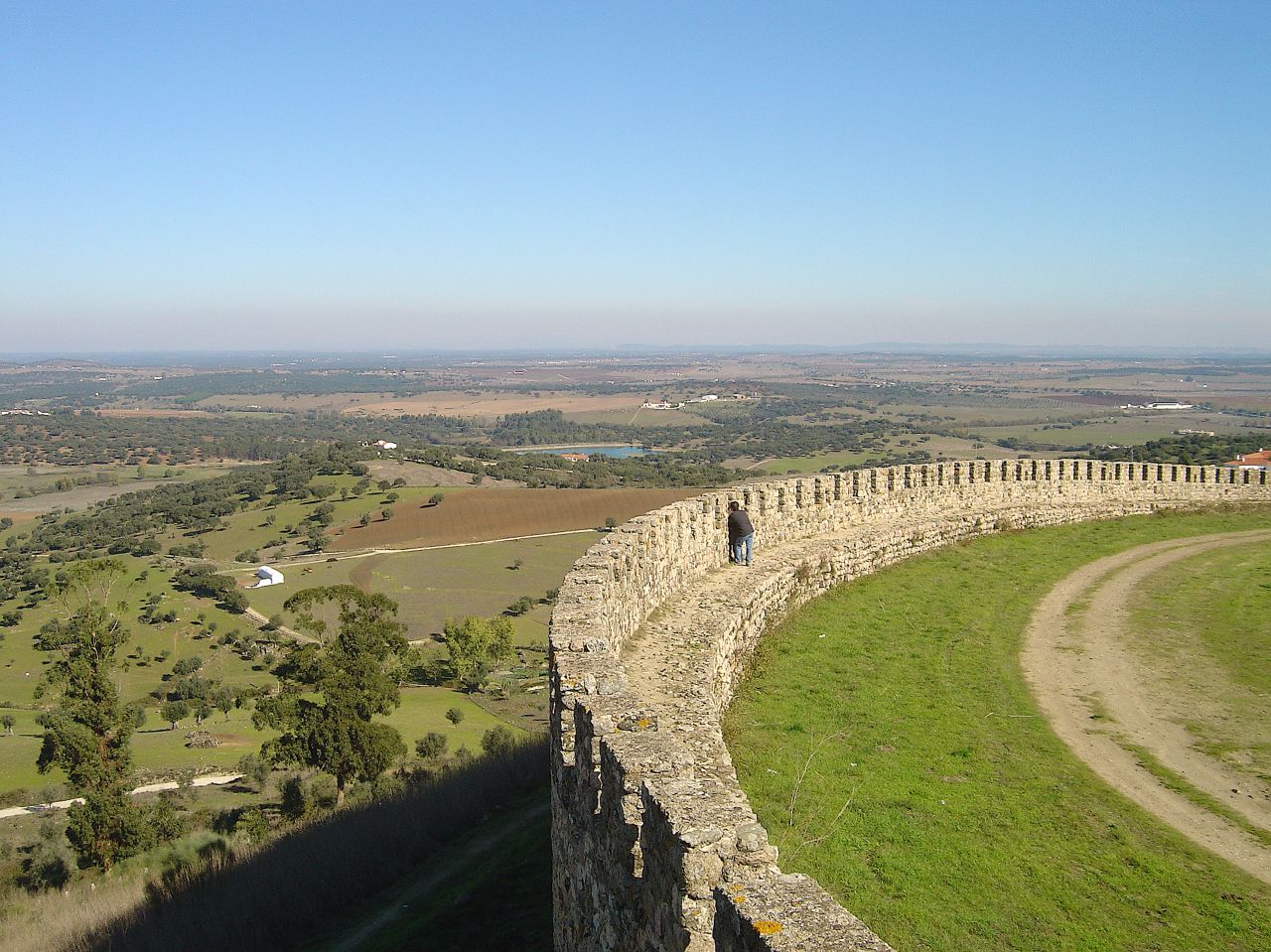
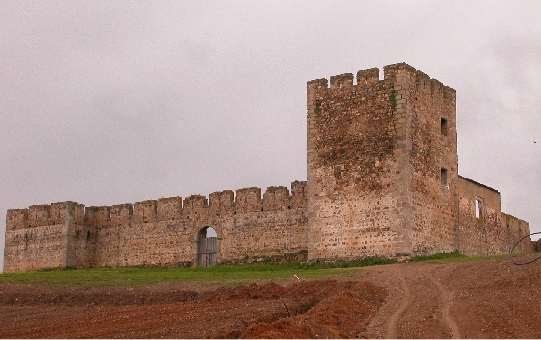
Montemor-o-Novo Castle, known locally as Castelo de Montemor-o-Novo, stands prominently on the highest hill in the town of Montemor-o-Novo in the Alentejo Central region of Portugal. This historic hilltop fortress is a testament to the region's strategic importance and rich history, spanning from prehistoric times through the medieval period and into modern history. The castle's ruins and surrounding town walls offer a fascinating glimpse into the architectural and military evolution of Portuguese fortifications.
The origins and early history
The site of Montemor-o-Novo Castle has a long history of occupation and fortification. Initially, the hill was home to a prehistoric fortified settlement, or castro, which was later Romanized. The Romans recognized the strategic value of the location, fortifying the southern prong of the hill to control vital roads connecting important regional centers such as Santarém, Évora, and Mérida. This early fortification laid the groundwork for the castle's enduring military significance.
During the Islamic conquest of the Iberian Peninsula, the site came under Muslim control and was associated with the commander Almanzor. While some historical accounts suggest the construction of a Muslim fortress on the site, definitive archaeological evidence remains limited. However, it is known that a fortified village existed on the northern and eastern prongs of the hill during the 12th century under Almohad rule.
The castle's medieval origins date to the Christian Reconquista. In 1203, King Sancho I of Portugal captured the settlement and granted it a charter (Carta de Foral) to encourage repopulation and fortify the area. This marked the beginning of the construction of the medieval castle, intended to defend the newly reclaimed territory and support the growth of the community.
Medieval expansion and fortification
Significant enhancements to the castle's defenses occurred during the reign of King Denis I of Portugal in the early 14th century. Starting in 1310, extensive building works were undertaken to strengthen the castle and extend the town walls to protect all three prongs of the hill. These fortifications were completed by 1365, creating a formidable defensive complex that safeguarded the settlement and its inhabitants.
Throughout the 15th and 16th centuries, Montemor-o-Novo prospered as a regional trade center, prompting further renovations and strengthening of the castle. Notably, in 1495, the castle hosted the Cortes (a medieval assembly), where King Manuel I decided to commission Vasco da Gama's historic voyage to discover a sea route to India. This event underscores the castle's political significance during this period.
Architectural improvements during this era included work by the master stonemason Afonso Mendes de Oliveira, who contributed to the castle's fortifications, reflecting the ongoing need to maintain strong defenses amid regional and international challenges.
Role during conflicts and decline
The 17th century saw renewed military importance for Montemor-o-Novo Castle during the Portuguese Restoration War. King John IV ordered the strengthening of the castle's defenses to protect against Spanish incursions. Despite these efforts, the devastating 1755 Lisbon earthquake inflicted serious damage on the castle and town walls, necessitating repairs later in the 18th century.
In the early 19th century, the castle played a strategic role during the Peninsular War, with its garrison resisting Napoleonic forces under General Junot in 1808. It also served as a liberal headquarters during the Portuguese Civil War (1828–1834), highlighting its continued military relevance despite gradual decline.
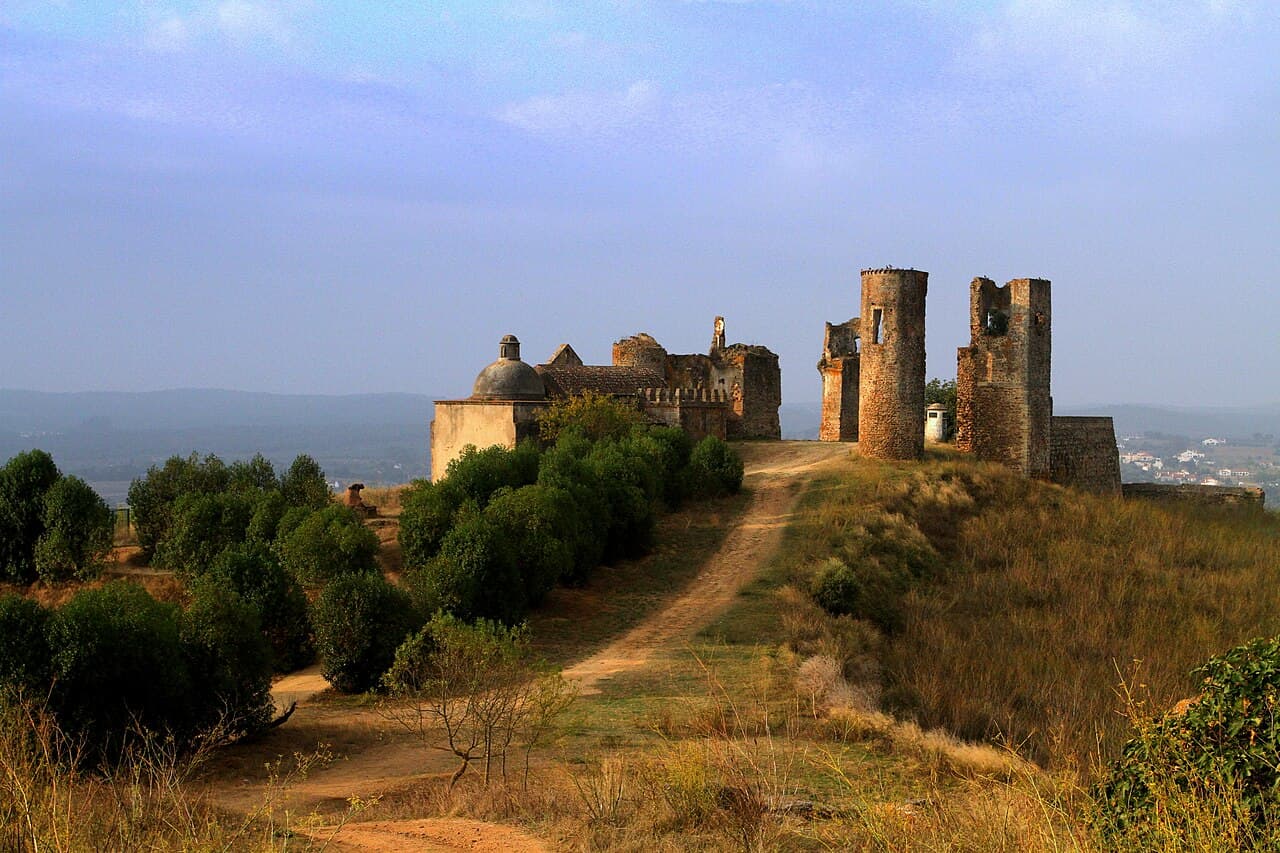
By the late 19th century, the population began moving out of the medieval walled settlement into the valley below, leading to neglect and deterioration of the castle and town walls. The castle fell into ruin, with several sections collapsing by the early 20th century.
Restoration and preservation efforts
Recognizing its cultural and historical value, restoration and consolidation works began in the 1930s to stabilize the remaining structures. Archaeological excavations accompanied these efforts, revealing important insights into the castle's past. Further government-led restorations took place from the 1960s through the 1980s, including significant work on the Torre da Má Hora (Tower of the Bad Hour).
Today, Montemor-o-Novo Castle is a protected National Monument of Portugal, accessible to the public as part of a pleasant park setting. Visitors can explore the ruins, including the impressive town gates, towers, and sections of the medieval walls, gaining an appreciation for the castle's architectural evolution and historical significance.
Architectural features and layout
The castle occupies an irregular triangular plan that follows the contours of the hilltop, enclosing the original settlement and its gradual expansion. The fortifications exemplify medieval military architecture, designed to maximize defensive capabilities.
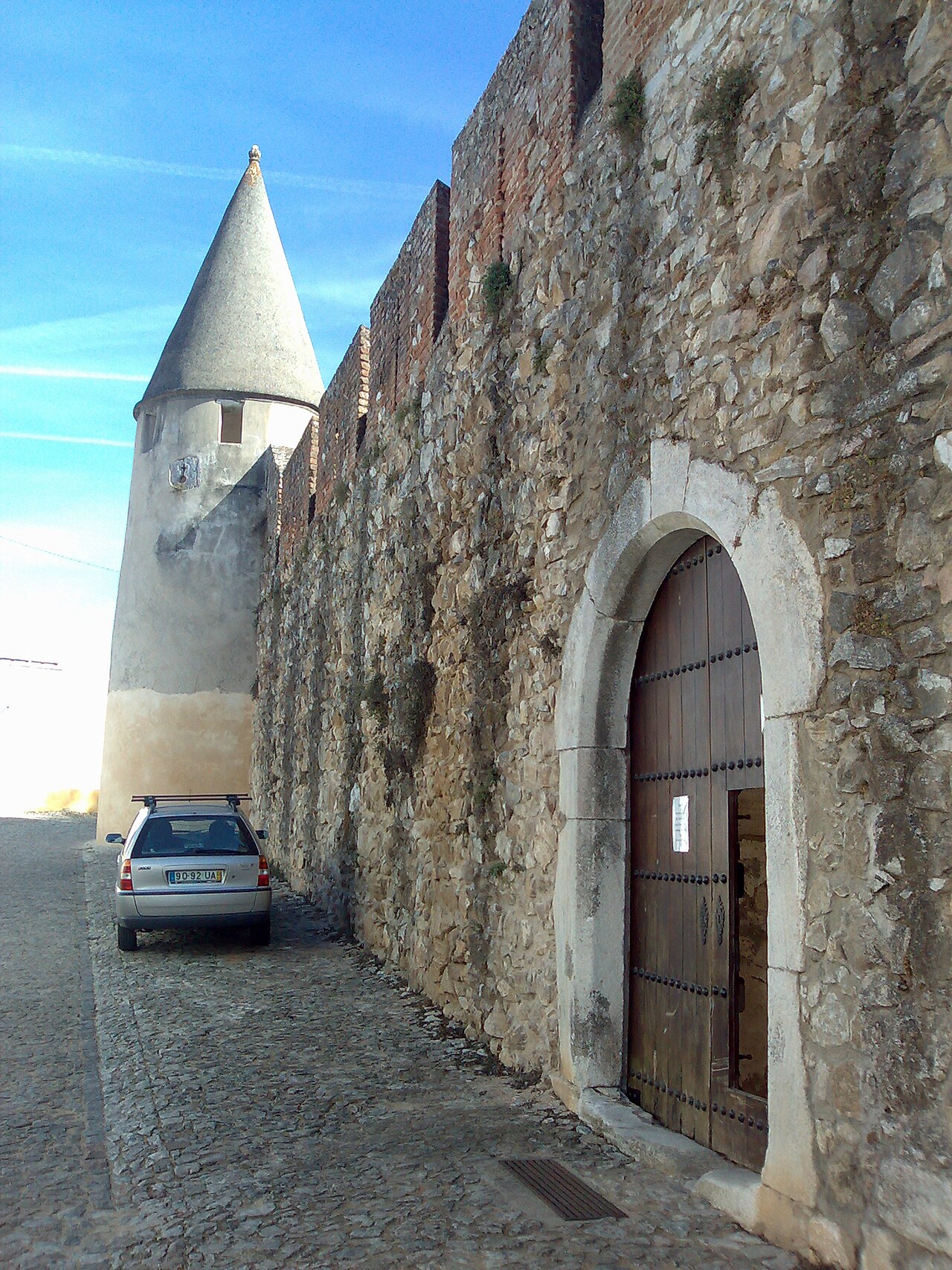
Access is primarily through the Porta da Vila (also known as Porta de Santarém or Porta Nova) on the northern wall. This gate is flanked by the Torre do Relógio (Clock Tower), a square tower with a pointed arch doorway, serving both defensive and symbolic functions.
Near the entrance stands the Casa da Guarda, a guardhouse with a vaulted ceiling and an arched doorway topped by the coat of arms of King Manuel I, reflecting royal patronage during the early 16th century.
The western wall features the Porta do Bispo (Bishop’s Gate), also called Porta do Anjo (Angel’s Gate), protected by two square towers, enhancing the defensive perimeter.
On the eastern side, the Porta de Santiago (St. James Gate), or Porta do Sol (Sun Gate), is flanked by the Torre da Má Hora, a distinctive square tower with pyramid-shaped battlements that has been carefully restored.
Within the castle grounds, visitors can find the remains of an ancient cistern, vital for water storage during sieges, and the ruins of the Paço do Alcaide (mayor’s palace), whose partially preserved façade offers insights into the administrative functions of the castle.
Religious and community structures within the walls
The fortified area also encloses several important religious buildings, underscoring the castle’s role as a community center. Among these are the Church of St. John the Baptist, the Church of St. James, and the Convent of Our Lady of Saudação. Additionally, the ruins of the Church of Santa Maria do Bispo remain within the walls, marking the spiritual life that flourished alongside the military and administrative functions.
Visiting Montemor-o-Novo Castle today
Visitors to Montemor-o-Novo Castle can freely explore the extensive ruins and enjoy the surrounding public park, which offers scenic views of the Alentejo landscape. While some areas of the castle are challenging to interpret due to the ruinous state, the site provides a rich historical experience enriched by the visible layers of construction from different periods.
The castle is an excellent destination for those interested in medieval military architecture, Portuguese history, and archaeology. Informational signage and guided tours occasionally help visitors understand the site's complex history and architectural features.
Frequently asked questions (FAQ)
- What is the historical significance of Montemor-o-Novo Castle?
- Montemor-o-Novo Castle is a significant medieval fortress that played a crucial role in the defense against the Moors during the Reconquista. It showcases a blend of architectural styles, reflecting its long history and strategic importance in the region.
- When was Montemor-o-Novo Castle built?
- The castle was originally constructed in the 12th century, with various modifications and expansions occurring over the centuries. It stands as a testament to the architectural evolution from the medieval period through the Renaissance.
- Can I visit Montemor-o-Novo Castle?
- Yes, visitors can explore Montemor-o-Novo Castle and its stunning views. The castle is open to the public, allowing guests to wander through its historic grounds and learn about its rich past.
- What are the opening hours for Montemor-o-Novo Castle?
- Montemor-o-Novo Castle typically opens daily from 9 AM to 6 PM, but it's advisable to check the official website for any seasonal changes or special events. Plan your visit accordingly to make the most of your experience.
- Is it possible to access the castle with a wheelchair?
- Access to Montemor-o-Novo Castle may be challenging due to its historic structure and uneven surfaces. Visitors with mobility concerns are encouraged to contact the castle administration for specific accessibility options.
- What is the best time to visit Montemor-o-Novo Castle?
- The best time to visit Montemor-o-Novo Castle is during the spring and fall when the weather is mild and ideal for exploring. These seasons also see fewer tourists, allowing for a more relaxed experience.
- Are there any nearby attractions to Montemor-o-Novo Castle?
- Yes, there are several attractions near Montemor-o-Novo Castle, including the charming town of Montemor-o-Novo itself, which features quaint streets and local shops. Additionally, nearby historical sites and natural parks make for excellent day trips.
- How much does it cost to enter Montemor-o-Novo Castle?
- The ticket prices for Montemor-o-Novo Castle are generally affordable, with discounts available for children, seniors, and groups. It’s best to check the official website for the most current pricing and any special offers.
Photo gallery

Information
Sources & official resources
Verify the information above using these authoritative references.
Loading map...
Visitor reviews
No reviews yet. Been here? Write the first review and help other travelers!
Write the first reviewVisited this castle? Share your experience
Your review helps other travelers and adds first-hand knowledge to our encyclopedia.