Montafilan Castle
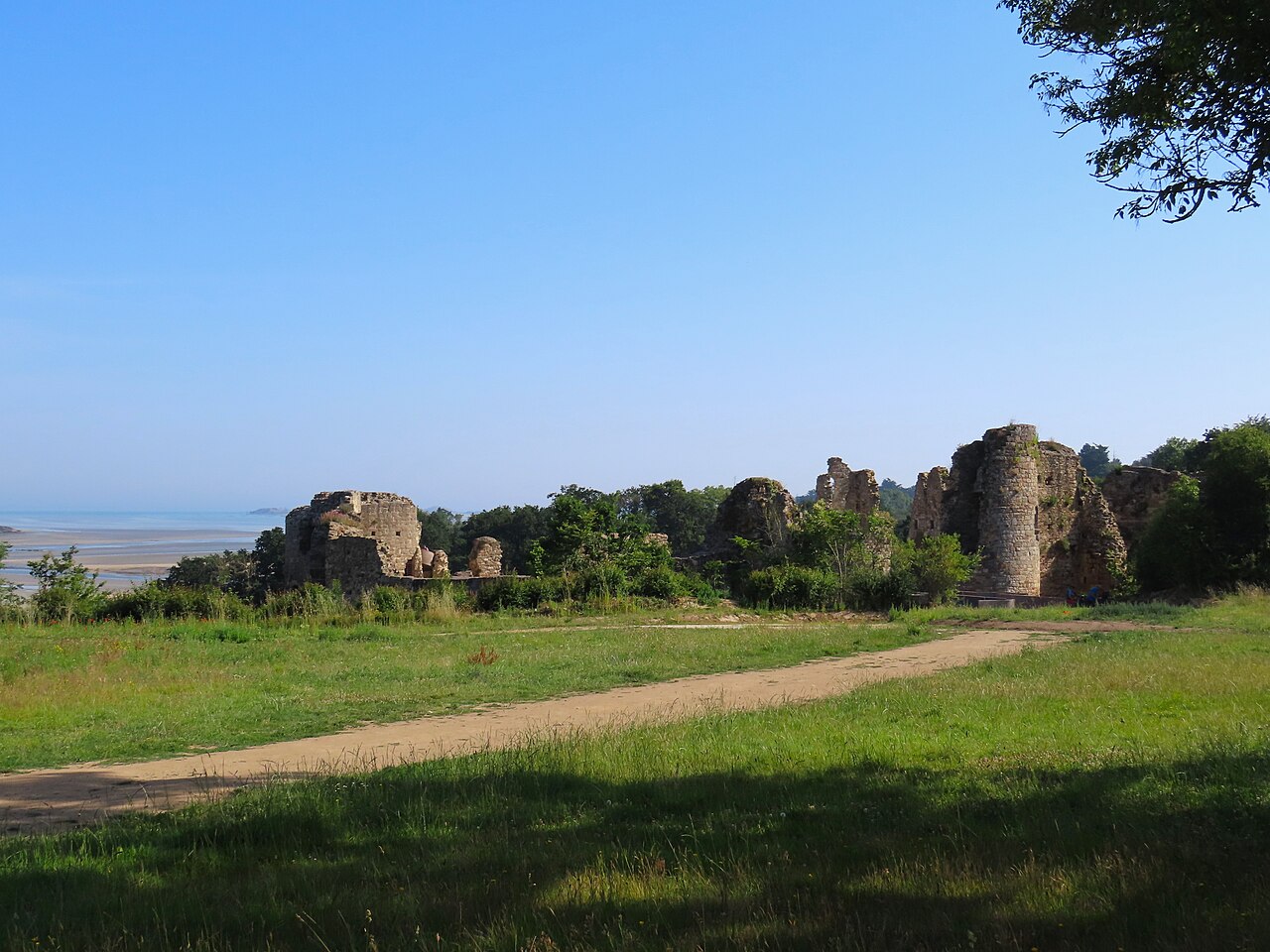
Montafilan Castle, locally known as Château de Montafilan, is a remarkable example of a high medieval fortress located northwest of the village of Corseul in the Côtes-d'Armor department of France. Constructed in the 12th century by the viscounts of Dinan, this castle occupies a commanding position on a promontory between two steep and marshy valleys, which provided natural defenses and strategic advantage. Its distinctive triangular layout is a rare architectural feature, designed to maximize the defensive potential of the terrain.
Architectural design and medieval fortifications
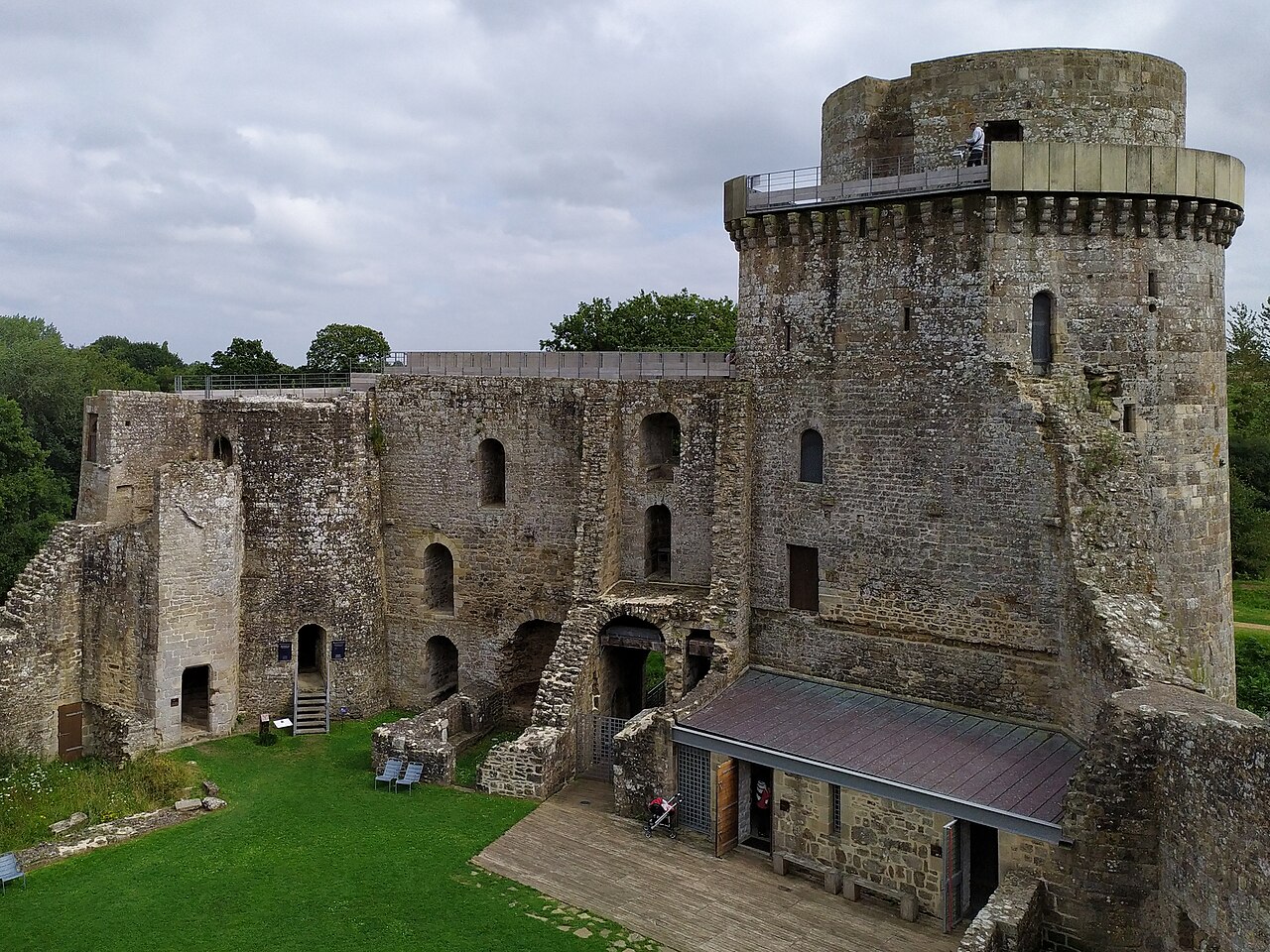
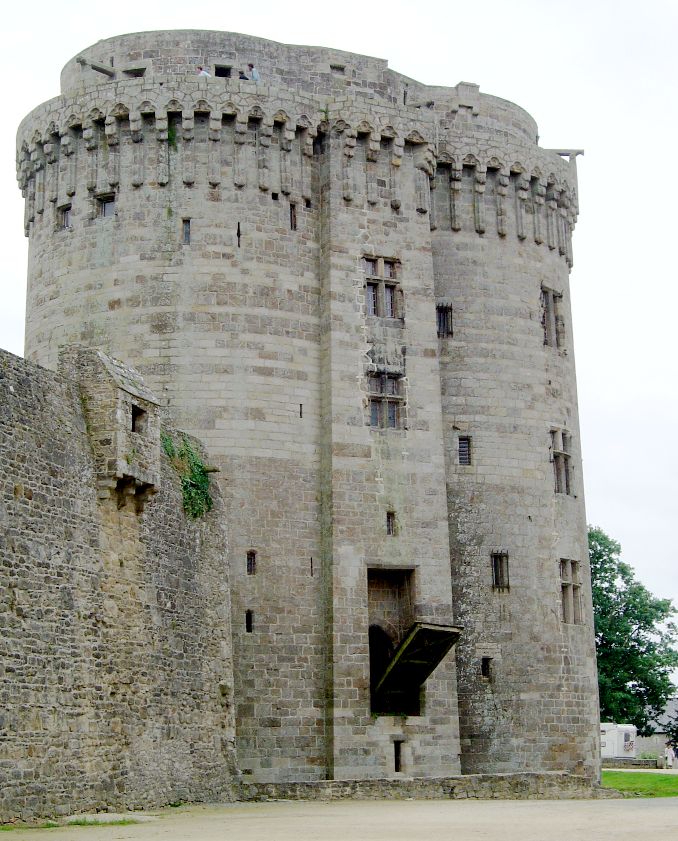
The castle's original design included eight towers, of which only two remain today along with portions of the curtain walls. These towers were integral to the castle's defense system, allowing for surveillance and protection from multiple angles. The triangular shape of Montafilan Castle is unique among medieval fortresses, reflecting an adaptation to the specific topography of the site. The steep hills and marshy valleys surrounding the castle enhanced its defensibility, making it a formidable stronghold during the high medieval period.
Modifications in the 14th century
During the 14th century, Montafilan Castle underwent significant alterations, likely to strengthen its fortifications in response to evolving military technologies and regional conflicts. These modifications may have included reinforcement of walls, updating of towers, and improvements to the gatehouse, though detailed records are scarce. The castle's strategic importance remained high throughout the medieval period, serving as a seat of power for the viscounts of Dinan.
Historical ownership and decline
In the 15th century, the castle came into the possession of Françoise de Dinan, a notable French heiress, courtier, and educator. She is historically significant for her role as the governess of Anne of Brittany, Duchess of Brittany and later Queen of France. Françoise de Dinan’s ownership marked the castle's last prominent period of occupation. She died in 1499, and by the late 15th century, the castle had likely been abandoned.
Following its abandonment, Montafilan Castle gradually fell into ruin. Its stones were repurposed by local inhabitants for other building projects, a common fate for many medieval castles that lost their military relevance. By the 17th century, the site had transitioned to agricultural use, functioning as a farm.
Role during the French Revolution
During the turbulent years of the French Revolution around 1790, the ruins of Montafilan Castle served a new purpose as a refuge. A local priest used the castle's towers as a hideout to evade capture and imprisonment by revolutionary forces. This episode highlights the castle's enduring presence in local history, even as a ruin.
Current status and visitor information
Today, Montafilan Castle remains private property, with limited public access. Within the castle enclosure, several buildings have been converted into gîtes available for rent through platforms such as Booking.com and Airbnb, offering visitors a unique opportunity to experience the historic site intimately. While the interior is private, the castle's exterior and a small section of its northeast corner are accessible to the public, allowing visitors to explore the remains of this secluded and atmospheric ruin.
The castle's location on a hilltop surrounded by natural valleys provides a scenic and tranquil setting, popular among history enthusiasts and hikers. Despite its partial ruinous state, Montafilan Castle's remnants, including the surviving towers and walls, offer a tangible connection to the high medieval era and the feudal history of Brittany.
Cultural and architectural significance
Montafilan Castle is a significant example of medieval military architecture adapted to challenging terrain. Its triangular plan and strategic siting demonstrate the ingenuity of medieval builders in fortification design. The castle's history reflects broader themes in French medieval history, including feudal power dynamics, the role of noblewomen like Françoise de Dinan, and the impact of sociopolitical upheavals such as the French Revolution.
Although much of the castle has been lost to time and human activity, the surviving structures continue to attract scholarly interest and contribute to the cultural heritage of the Corseul region. Preservation efforts focus on maintaining the ruins as a historical monument and promoting sustainable tourism that respects the site's authenticity.
Frequently asked questions (FAQ)
- How do I get to Montafilan Castle?
- Montafilan Castle is located in Corseul, France, and can be easily reached by car or public transport. If you are traveling by car, the castle is accessible via the D6 road. Public transport options include local buses that connect Corseul to nearby towns and cities.
- What is the historical significance of Montafilan Castle?
- Montafilan Castle dates back to the 12th century and played a crucial role in the defense strategies of the region during the medieval period. It reflects the architectural styles and military innovations of its time, making it an essential site for understanding the history of medieval France. Today, it serves as a reminder of the region's rich heritage.
- When was Montafilan Castle built?
- Montafilan Castle was constructed in the 12th century, primarily serving as a stronghold and residence for the local nobility. Over the centuries, it has undergone several renovations and restorations, preserving its historical integrity while also adapting to modern standards. This long history adds to its charm and significance for visitors.
- Can I visit Montafilan Castle year-round?
- Yes, Montafilan Castle is open to visitors throughout the year, but it's advisable to check for specific opening hours and any seasonal events. During the summer months, the castle is typically open more hours and may offer guided tours. In the winter, hours may be limited, so planning ahead is recommended.
- Why is Montafilan Castle a popular tourist destination?
- Montafilan Castle is popular due to its stunning architecture, rich history, and picturesque surroundings. Visitors appreciate the opportunity to explore the castle's grounds and learn about its past through informative displays and guided tours. Its location near other historical sites also makes it a convenient stop for tourists in the region.
- Is it possible to take guided tours of Montafilan Castle?
- Yes, guided tours of Montafilan Castle are available and provide an in-depth look at its history and architecture. These tours are led by knowledgeable guides who can share fascinating stories and insights that enhance the visitor experience. It's recommended to book these tours in advance, especially during peak tourist season.
- What are the ticket prices for Montafilan Castle?
- Ticket prices for Montafilan Castle are generally affordable, with discounts available for students, seniors, and groups. Children under a certain age may enter for free, making it an accessible destination for families. Check the official website for the most current pricing information and special offers.
- What are the opening hours for Montafilan Castle?
- Montafilan Castle typically opens at 10 AM and closes at 6 PM during the peak season, with shorter hours in the off-peak months. It's best to verify the exact hours on the castle's official website before planning your visit. Special events and holidays may also affect these hours.
- What nearby attractions can I visit while at Montafilan Castle?
- While visiting Montafilan Castle, you can also explore several nearby attractions such as the ancient Roman ruins of Corseul and the charming town of Dinan. Additionally, the scenic Brittany coastline is just a short drive away, offering beautiful beaches and outdoor activities. These nearby sites make for a full day of exploration.
Information
Address
Rue de Montafilan, Corseul, France
Loading map...
Visitor reviews
No reviews yet. Been here? Write the first review and help other travelers!
Write the first reviewVisited this castle? Share your experience
Your review helps other travelers and adds first-hand knowledge to our encyclopedia.