Castle of Koskina
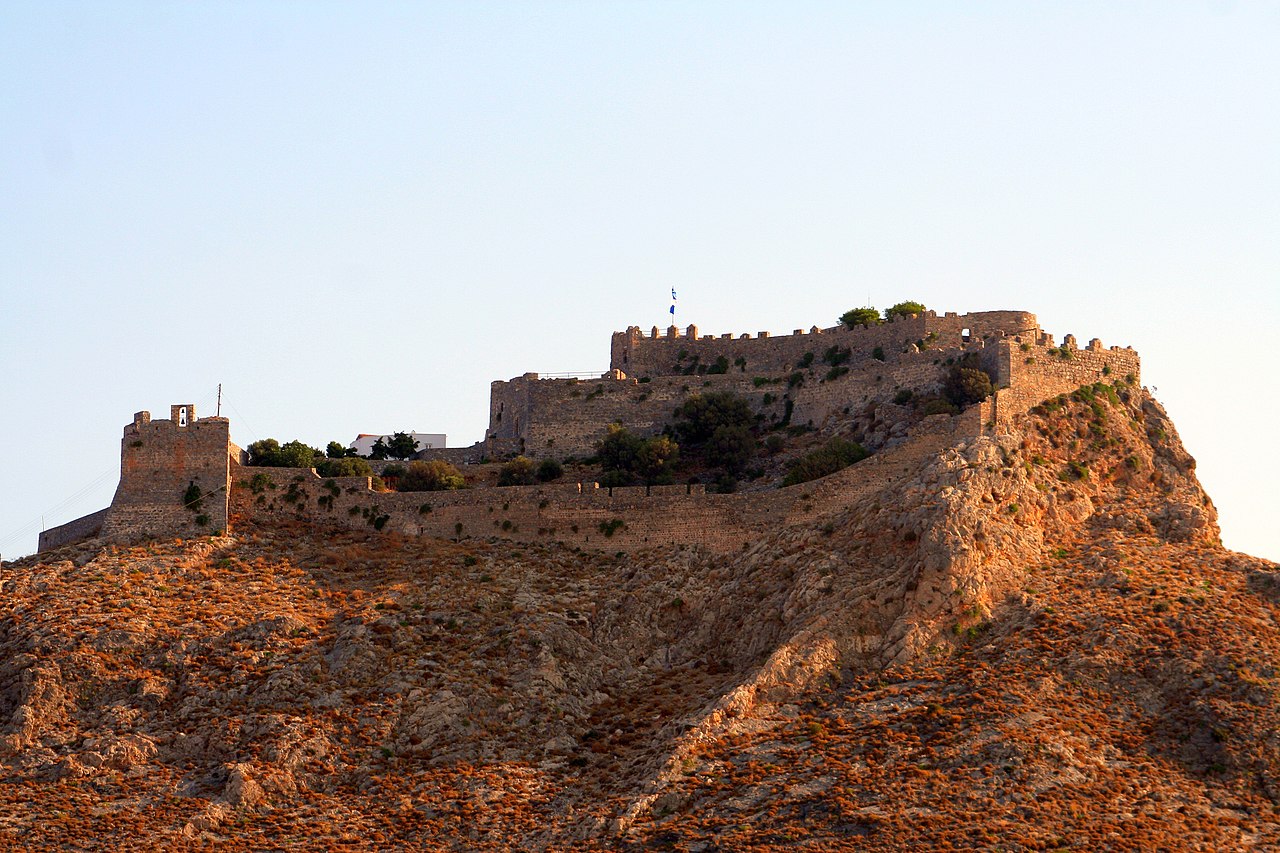
The Castle of Koskina stands as a remarkable example of Byzantine military architecture on the Greek island of Ikaria. Constructed in the 10th century, this hill castle was strategically positioned on the peak of Mount Koskinas to oversee and control vital land and sea routes in the surrounding Aegean region. Its elevated location provided commanding views that were essential for early warning and defense against potential invaders, reflecting the military priorities of the Byzantine Empire during the Middle Byzantine period.
Historical background and strategic importance
The castle's origins trace back to the Byzantine era, when the empire sought to fortify its territories against increasing threats from both maritime and land-based adversaries. As a military outpost, the Castle of Koskina housed a small garrison responsible for monitoring the island's northern approaches and safeguarding the surrounding waters. This role was crucial in maintaining Byzantine influence in the Aegean Sea, a region of significant commercial and military activity.
During the 14th century, control of Ikaria shifted to the Genoese, who ruled from 1362 to 1481. Under Genoese administration, the castle underwent substantial fortification enhancements to reinforce its defenses against both Ottoman expansion and pirate incursions. These improvements included strengthening the curtain walls and possibly upgrading the gatehouse and battlements, adapting the fortress to evolving military technologies and threats.
Following the Genoese withdrawal to the nearby island of Chios, the castle was abandoned for a period before the island came under the control of the Knights of St. John of Rhodes. The Knights maintained authority until the mid-1500s, after which the Ottoman Empire incorporated Ikaria into its territories. Despite these changes in rulership, the castle remained a significant landmark, embedded in local folklore and traditions that highlight its reputation as a formidable stronghold, known for its near-impregnability except for a notable betrayal that led to its capture.
Architectural features and layout
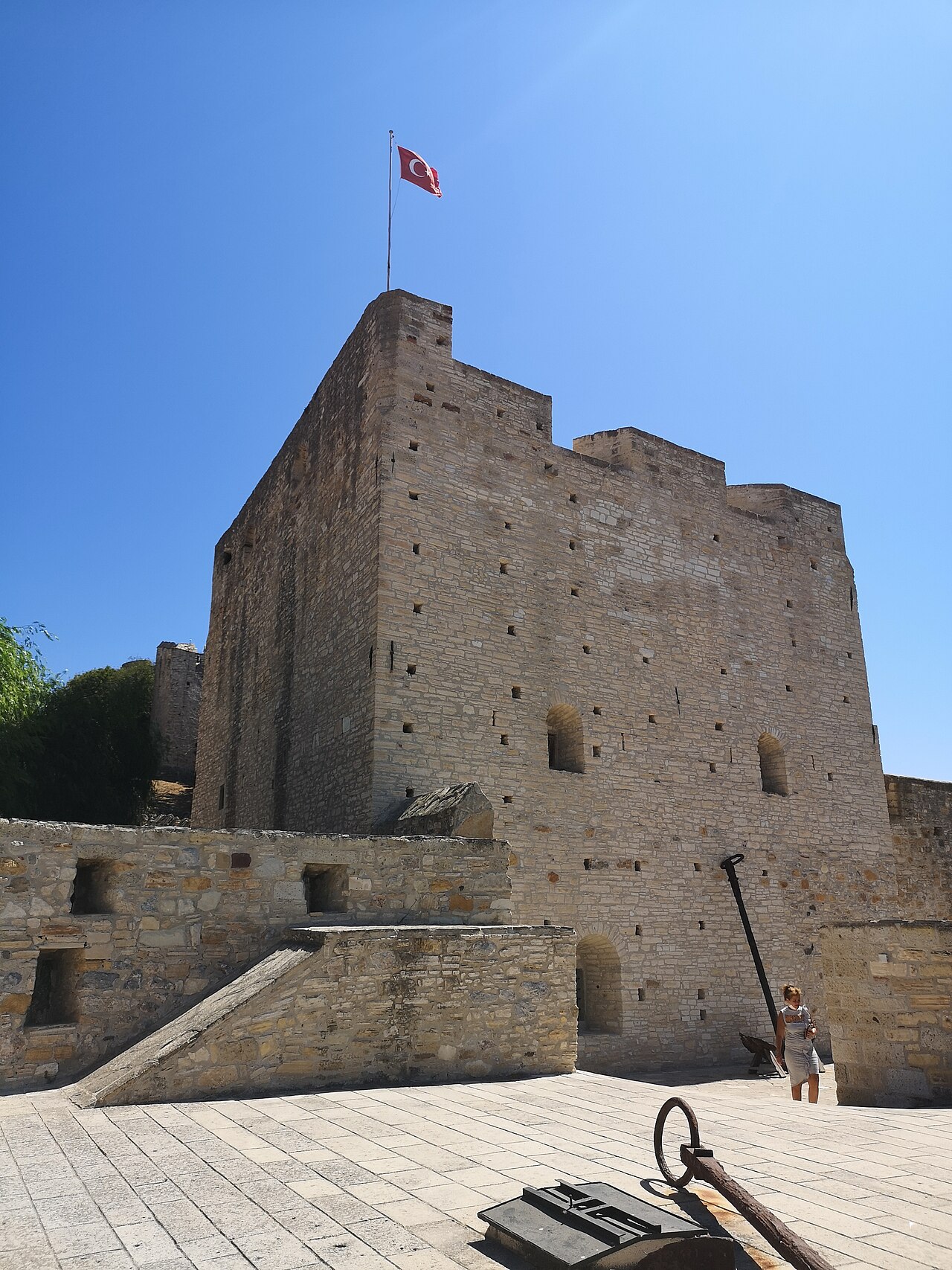
The castle's remains today reveal a compact but well-planned fortress adapted to the rugged terrain of Mount Koskinas. The surviving sections of the defensive walls still encircle the hilltop, outlining the original perimeter designed to maximize defensive capability. The main entrance, located on the northern side, features a gate that controlled access and was likely fortified with additional defensive structures such as a portcullis or arrow slits.
Within the castle's enclosure stands the Church of Saint George of Dorganas, a significant religious structure that incorporates columns salvaged from ancient ruins. This reuse of materials reflects a common Byzantine practice of integrating elements from earlier classical architecture, creating a layered historical narrative within the site. The church continues to serve as a focal point for local religious observances, particularly during the annual feast day of Saint George, underscoring the castle's enduring cultural importance.
Archaeological evidence to the northwest of the fortress indicates the presence of a small settlement, likely housing the families and support personnel of the military garrison. This settlement's remains include foundations and artifacts that suggest a community organized around the needs of the castle, blending military and civilian life in a symbiotic relationship.
Cultural significance and local traditions
The Castle of Koskina is deeply woven into the cultural fabric of Ikaria. Local legends, such as the "riva of the Castle of Nikaria", recount dramatic episodes like the Genoese siege and the fortress's eventual fall due to betrayal. These stories preserve the memory of the castle's strategic and symbolic role in the island's history, serving as a testament to its military resilience and the turbulent history of the Aegean region.
Today, the site attracts visitors interested in Byzantine history, medieval fortifications, and traditional Greek island culture. The combination of military architecture, religious heritage, and archaeological remains offers a multifaceted glimpse into the past, making the Castle of Koskina a valuable destination for historians and tourists alike.
Preservation and visitor experience
While the castle remains in a fragmented state, ongoing efforts to preserve its walls and the Church of Saint George help maintain its historical integrity. Visitors can explore the hilltop ruins, gaining insight into the fortress's strategic design and its commanding views over Ikaria's northern coast. The site's accessibility and the annual religious celebrations provide opportunities for immersive cultural experiences.
Interpretive signage and guided tours enhance understanding of the castle's complex history, from its Byzantine origins through Genoese and Ottoman periods. The surrounding landscape, with its rugged terrain and panoramic vistas, further enriches the visitor experience, connecting the natural environment with the human history embedded in the fortress.
Frequently asked questions (FAQ)
- When was the Castle of Koskina built and by whom?
- The Castle of Koskina was built in the 10th century by the Byzantines as a strategic military fortress on Mount Koskinas in Ikaria, Greece.
- What architectural features remain at the Castle of Koskina?
- Today, visitors can see parts of the original defensive walls, the northern gate, and the Church of Saint George of Dorganas, which includes columns reused from ancient structures.
- What historical powers controlled the Castle of Koskina?
- The castle was controlled by the Byzantines, Genoese, the Knights of St. John of Rhodes, and later the Ottoman Empire, reflecting its strategic importance in the region.
- Is the Castle of Koskina accessible to visitors?
- The castle is accessible for exploration, though it remains in ruins. Visitors can enjoy panoramic views and learn about its history through onsite information and local traditions.
- Are there any local legends associated with the Castle of Koskina?
- Local legends include stories of the castle's near impregnable defense and a notable betrayal that led to its fall, as well as the Genoese siege during their control of Ikaria.
Information
Loading map...
Visitor reviews
No reviews yet. Been here? Write the first review and help other travelers!
Write the first reviewVisited this castle? Share your experience
Your review helps other travelers and adds first-hand knowledge to our encyclopedia.