Modlin Fortress
Modlin Fortress (Polish: Twierdza Modlin), also known in Russian as the Novogeorgievsk Fortress (Крепость Новогеоргиевск), is among the largest and most significant 19th-century bastioned fortresses in Poland. Situated in the town of Nowy Dwór Mazowiecki within the Modlin district, the fortress occupies a strategic position at the confluence of the Narew and Vistula rivers, approximately 50 kilometers north of Warsaw. Its location was chosen for its natural defensive advantages, controlling key waterways and land routes.
Early construction and french origins
The fortress's initial construction phase took place between 1806 and 1812, during the period of the Napoleonic Wars. It was commissioned by the French military engineers under Napoleon's rule, aiming to strengthen the strategic defensive network in the Duchy of Warsaw. The original design incorporated bastioned fortifications, a style characterized by angular bastions projecting from curtain walls, allowing for effective defensive fire coverage and minimizing blind spots.
The French engineers utilized the existing natural terrain, enhancing it with extensive earthworks, moats, and ramparts. The fortress was designed to serve both as a military stronghold and a logistical base, capable of withstanding prolonged sieges. Its construction reflected the modern military engineering principles of the early 19th century, blending traditional fortification techniques with innovations prompted by advances in artillery.
Expansion and modernization in the 19th and early 20th centuries
Following the initial French construction, the fortress underwent significant expansions and modernization under various controlling powers, including the Russian Empire, which renamed it Novogeorgievsk Fortress. Throughout the 19th century, the fortress was adapted to meet evolving military technologies and tactics, especially in response to the increasing power and range of artillery.
Enhancements included the reinforcement of bastions, addition of casemates for artillery placement, and the construction of underground tunnels and storage facilities. The fortress's layout was expanded to include multiple defensive rings, creating layered defenses that improved its resilience against attacks.
By the early 20th century, Modlin Fortress had become a key military installation within the region, playing a significant role during World War I and later during the Polish-Soviet War. Its fortifications were tested in combat, and it served as a base for troops and artillery units.
Architectural features and defensive structures
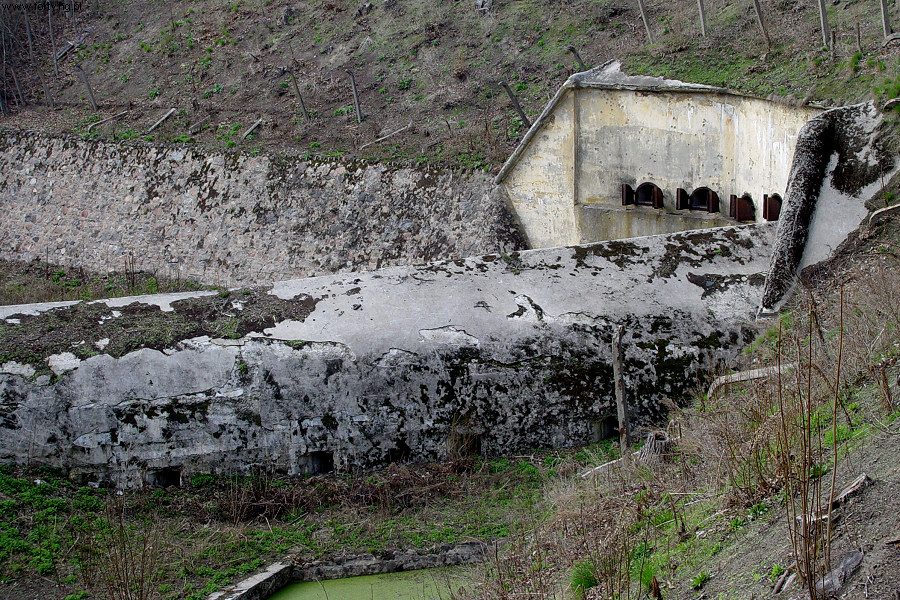
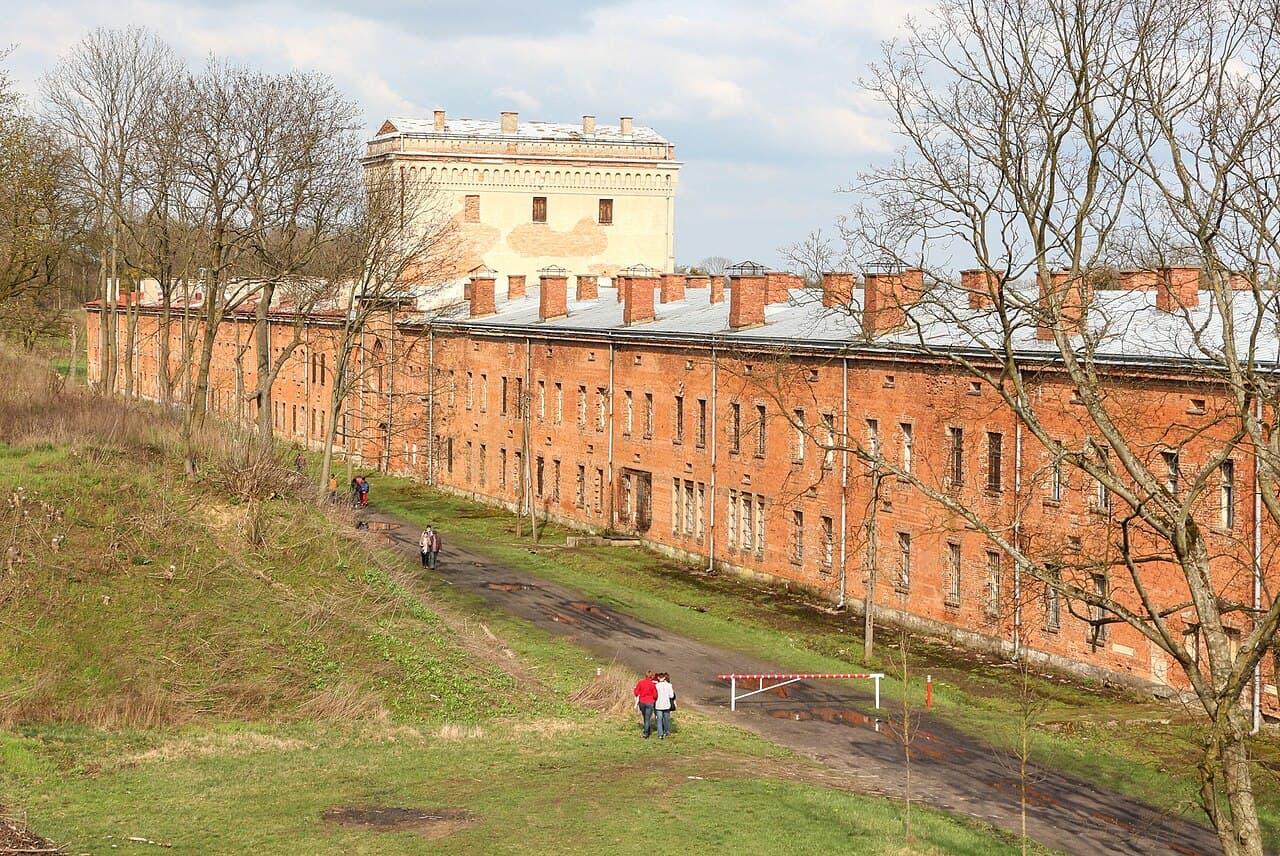
The fortress exemplifies the bastioned fortress type, characterized by its star-shaped design with angular bastions projecting outward to cover adjacent walls and prevent attackers from approaching without exposure to defensive fire. The walls are constructed primarily from brick and stone, with earthworks absorbing artillery impact.
Key architectural elements include:
- Bastions: Large, angular projections allowing enfilading fire along the fortress walls.
- Moats and ditches: Water-filled and dry ditches encircle the fortress, providing obstacles to assaulting forces.
- Casemates: Protected artillery positions within the walls.
- Underground passages: Tunnels connecting various parts of the fortress for secure troop movement and supply transport.
- Gatehouses and drawbridges: Fortified entry points controlling access.
Role in 20th-century conflicts and preservation
During World War I and the subsequent Polish-Soviet War, Modlin Fortress was a strategic military asset. It was heavily contested and endured sieges that tested its defensive capabilities. In World War II, the fortress again saw action during the 1939 invasion of Poland, where it was one of the last strongholds to surrender to German forces.
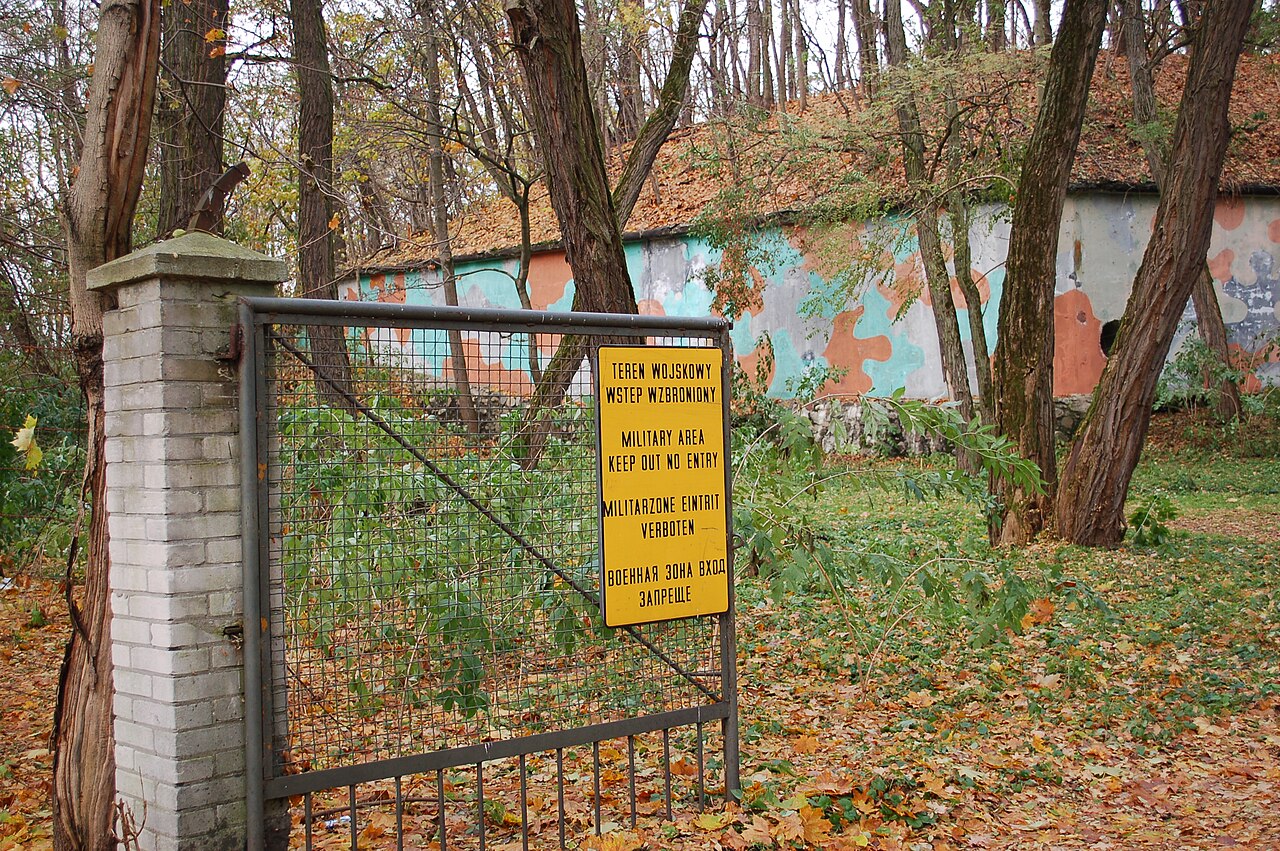
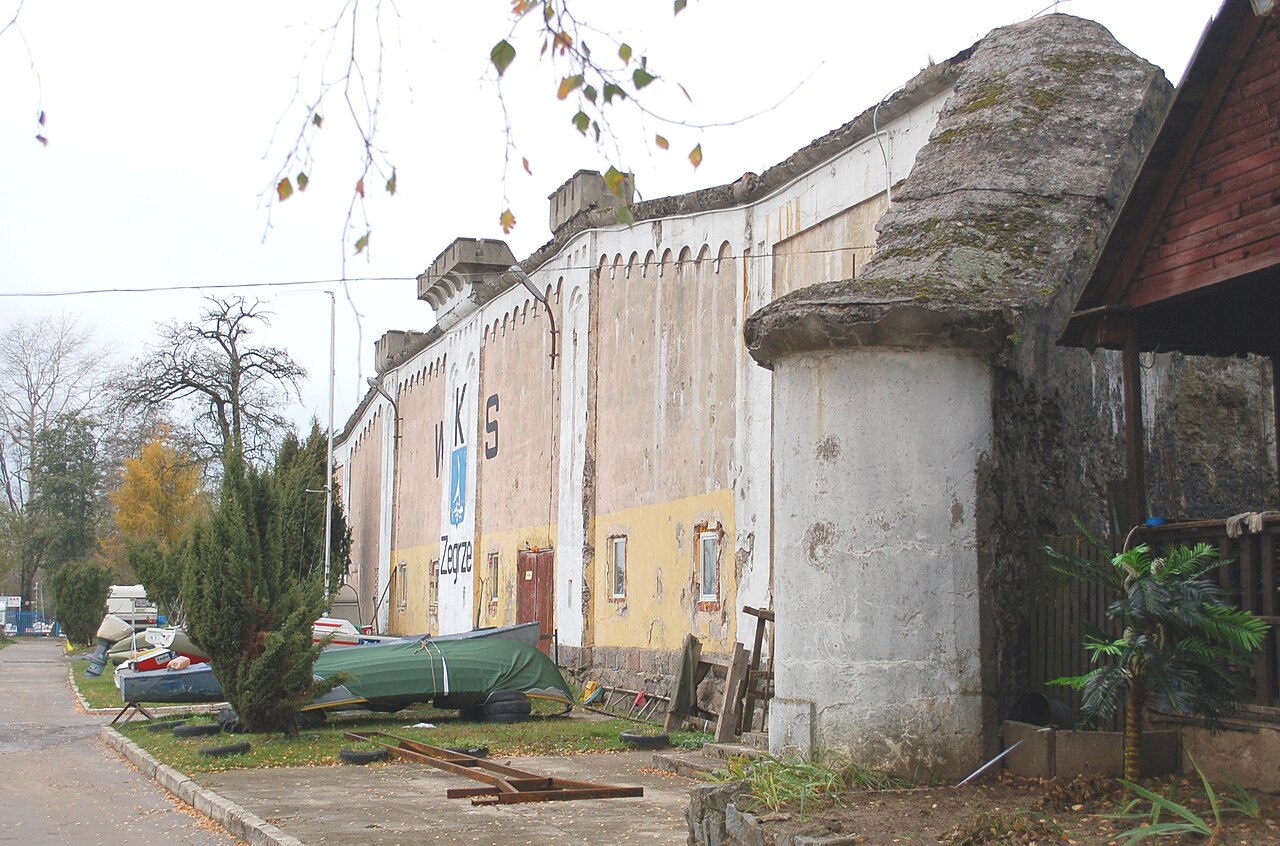
Post-war, the fortress fell into disuse and partial ruin, but it remains a site of historical importance. Efforts have been made to preserve and partially restore sections of the fortress, making it accessible to visitors interested in military history and architecture.
Visiting modlin fortress today
Today, Modlin Fortress is a popular destination for tourists and history enthusiasts. Visitors can explore the extensive fortifications, including bastions, moats, and underground tunnels. The site offers insight into 19th and 20th-century military architecture and the turbulent history of the region.
Guided tours often highlight the fortress's construction phases, its role in various conflicts, and its architectural innovations. The fortress's location near Warsaw makes it accessible for day trips, combining historical education with scenic views of the surrounding rivers and countryside.
Frequently asked questions (FAQ)
- How do I get to Modlin Fortress from Warsaw?
- Modlin Fortress is approximately 50 kilometers north of Warsaw and can be reached by car or regional train services to Nowy Dwór Mazowiecki, followed by a short taxi or bus ride to the fortress.
- What are the main architectural features of Modlin Fortress?
- Modlin Fortress is a bastioned fortress featuring star-shaped angular bastions, moats, casemates, underground tunnels, and fortified gatehouses, exemplifying 19th-century military engineering.
- When was Modlin Fortress built and by whom?
- The fortress was initially constructed by French military engineers between 1806 and 1812 during the Napoleonic Wars to strengthen the Duchy of Warsaw's defenses.
- Is the fortress open to visitors year-round?
- Modlin Fortress is generally open to visitors throughout the year, though opening hours may vary seasonally. It is advisable to check local information before planning a visit.
- Can I explore the underground tunnels at Modlin Fortress?
- Yes, some of the fortress's underground tunnels are accessible during guided tours, offering a unique perspective on its defensive design and historical use.
Photo gallery

Information
Loading map...
Visitor reviews
No reviews yet. Been here? Write the first review and help other travelers!
Write the first reviewVisited this castle? Share your experience
Your review helps other travelers and adds first-hand knowledge to our encyclopedia.