Konosumiyama Castle
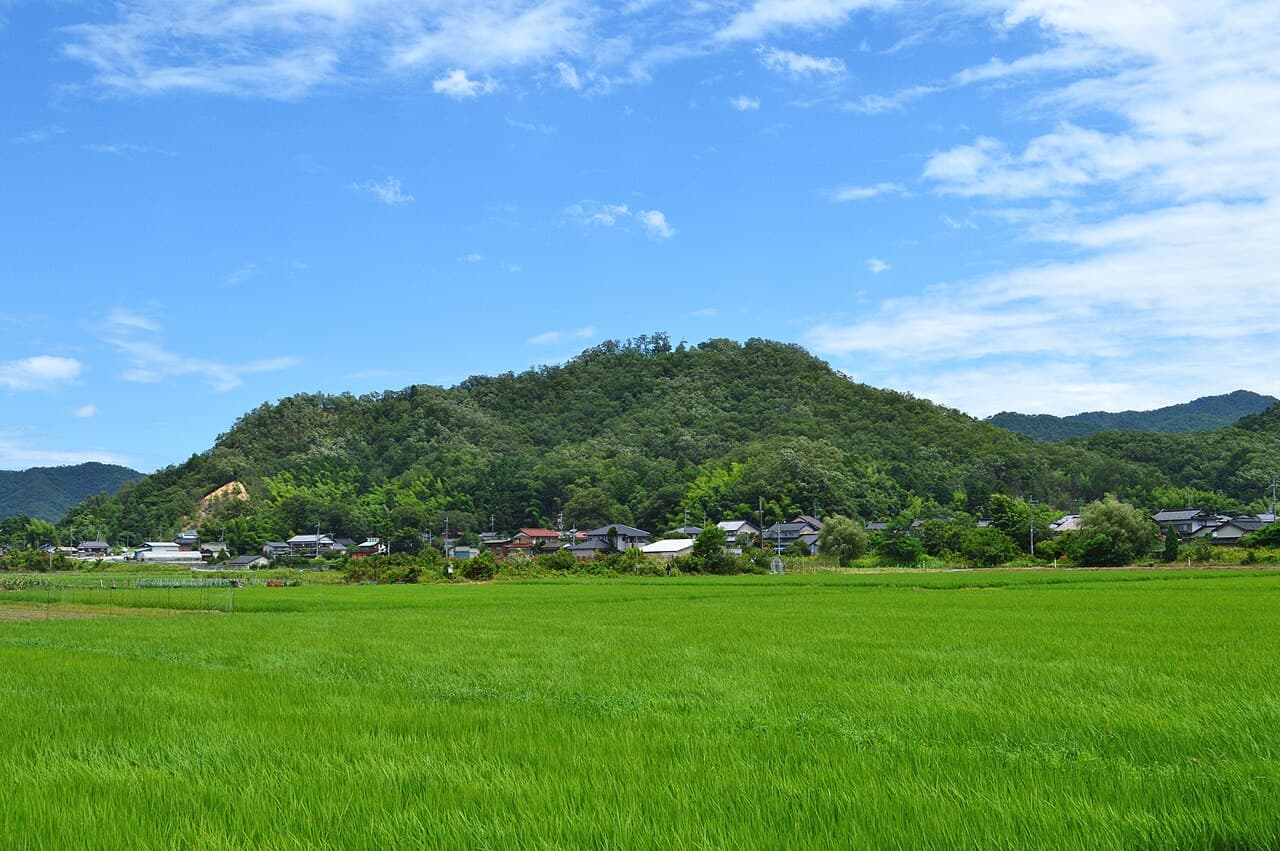
Konosumiyama Castle (此隅山城, Konosumiyama-jō) is a historically significant hill castle located in the Izushi neighborhood of Toyooka city, within Hyōgo Prefecture, Japan. Constructed in the 14th century during the Late Medieval period, this fortress played a vital role throughout the Muromachi to Sengoku periods as a strategic stronghold of the Yamana clan. The castle's ruins, alongside those of the nearby Arikoyama Castle, have been protected as a National Historic Site since 1934 under the collective designation "Yamana clan castle ruins."
Historical context and significance
Built amid the turbulent Sengoku era, Konosumiyama Castle was a central base for the powerful Yamana clan, who were influential daimyo in western Japan. The castle's location in Izushi provided strategic control over the surrounding region, including important transportation routes and agricultural lands. The Yamana clan's prominence peaked during the 15th and 16th centuries, and Konosumiyama Castle was integral to their military and political power.
The castle witnessed numerous conflicts and power struggles characteristic of the Sengoku period, when regional warlords vied for dominance. Its control was essential for maintaining the Yamana clan's influence in Harima and Tajima provinces. However, as the clan's power waned in the late 16th century, Konosumiyama Castle was eventually abandoned, leading to its current ruined state.
Architectural features and layout
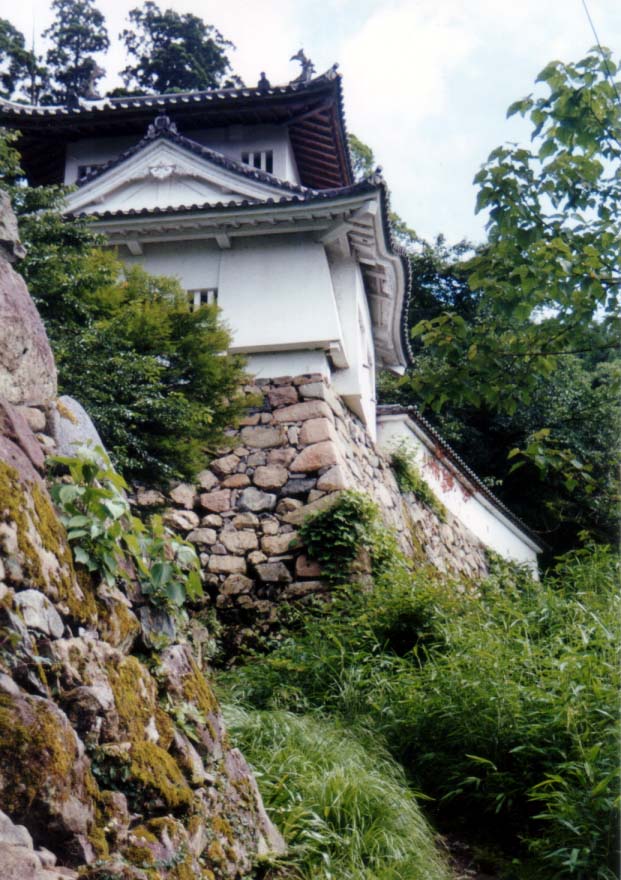
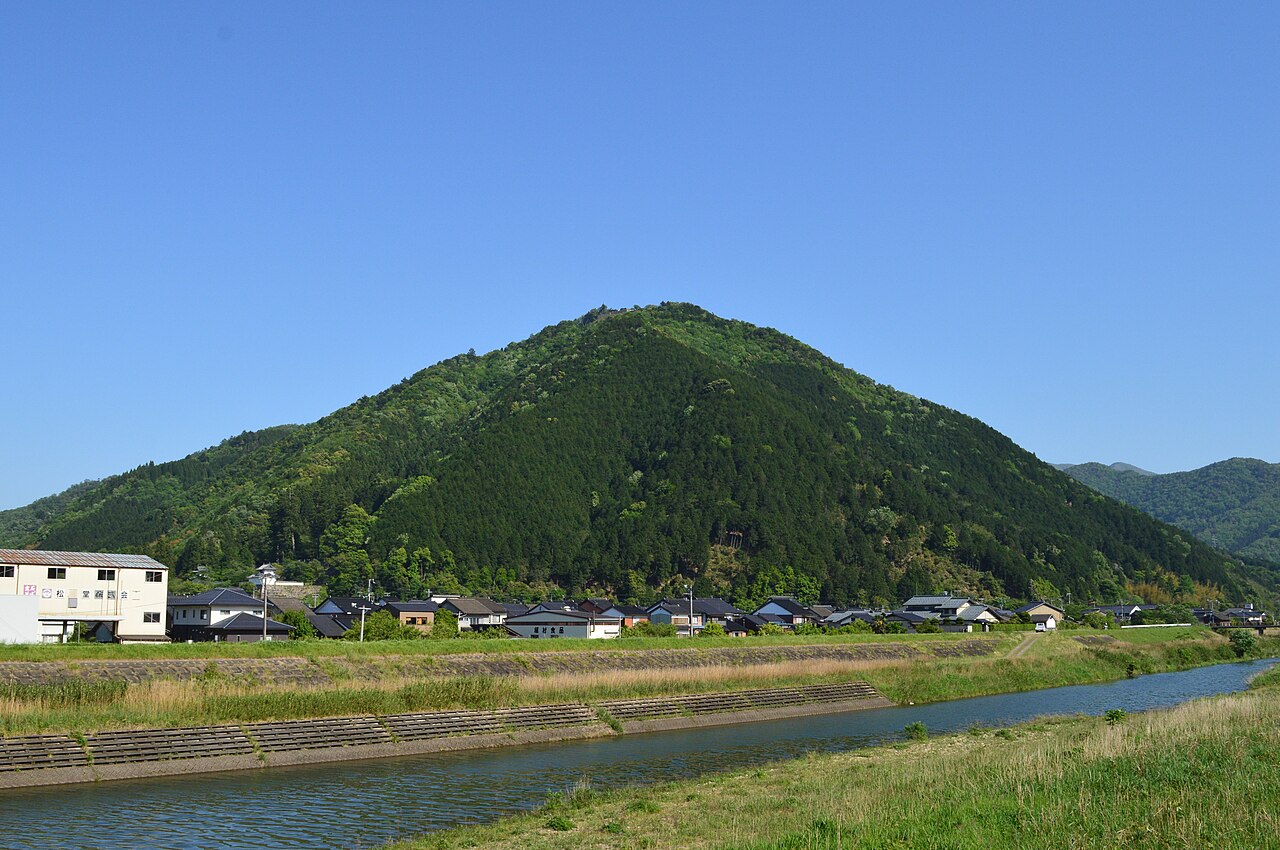
Konosumiyama Castle exemplifies the typical characteristics of a Japanese hill castle (yamajiro), designed to take advantage of the natural topography for defense. The castle was constructed on a mountain ridge, utilizing steep slopes as natural barriers against attackers. Its layout included multiple enclosures (kuruwa) arranged in terraces, connected by narrow paths and protected by earthen walls and dry moats.
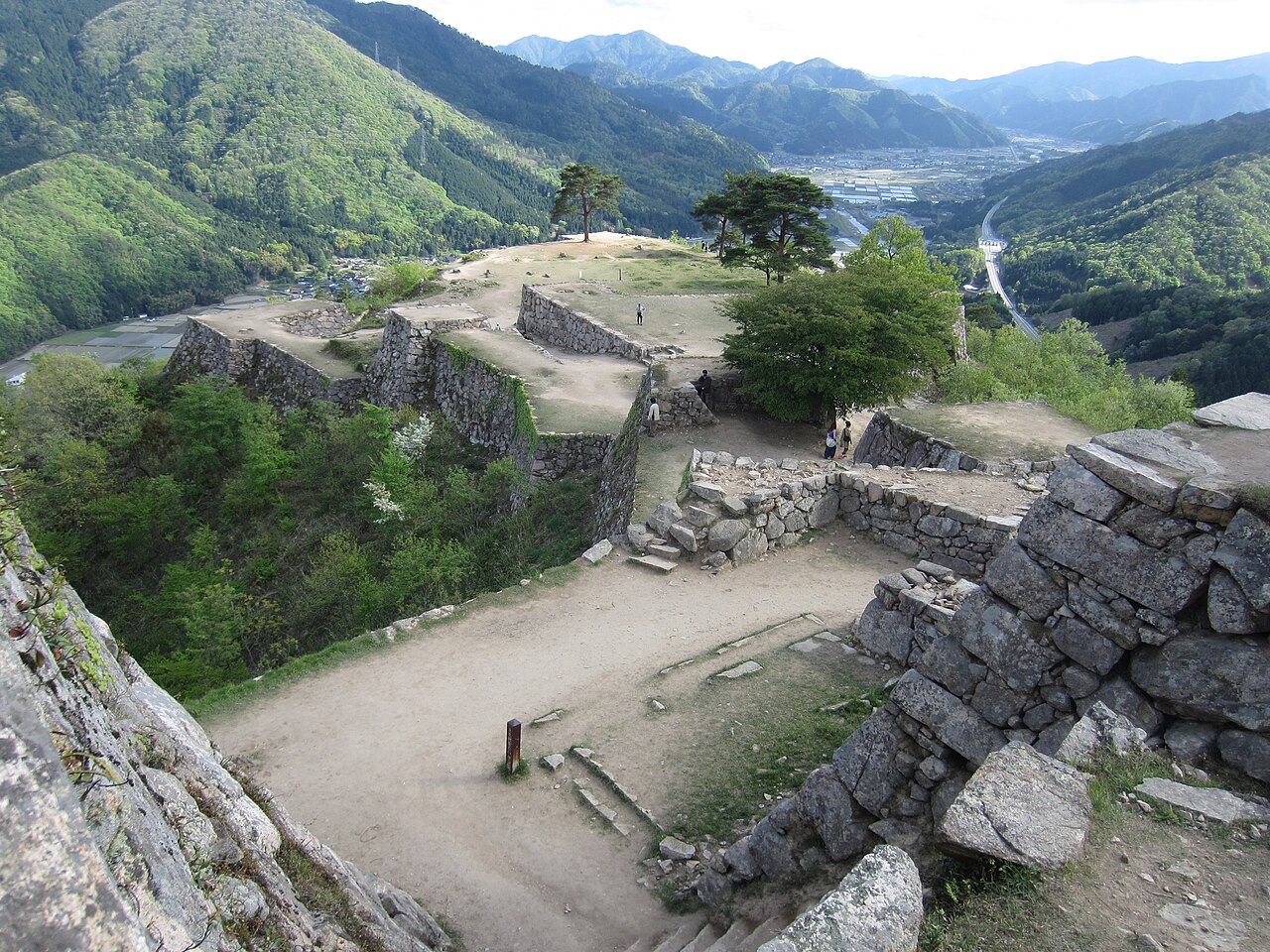
The castle's defensive structures featured stone walls in key areas, although much of the fortification relied on earthworks and wooden palisades. The main enclosure likely housed the lord's residence and command facilities, while secondary enclosures served as barracks, storehouses, and lookout points. The castle's design reflects the military architecture of the Late Medieval period in Japan, focusing on adaptability to rugged terrain and layered defense.
Defensive elements
Konosumiyama Castle's defenses included steep slopes, deep dry moats, and strategically placed gates to control access. The use of natural cliffs and ridges reduced the need for extensive stone fortifications, although some stonework was incorporated to reinforce vulnerable sections. The castle's elevated position offered commanding views of the surrounding valleys, enabling early detection of enemy movements.
Cultural heritage and preservation
Today, the site of Konosumiyama Castle remains a ruined archaeological site, with remnants of earthworks, stone foundations, and moats visible to visitors. The castle ruins, together with those of Arikoyama Castle, are recognized for their historical value and contribution to understanding the military and political history of the Yamana clan and the Sengoku period.
Conservation efforts have focused on preserving the remaining structures and promoting public awareness of the site's significance. The designation as a National Historic Site ensures protection under Japanese cultural heritage laws, allowing for archaeological research and educational activities.
Visiting Konosumiyama castle ruins
The castle ruins are accessible to visitors who wish to explore the remains and enjoy panoramic views of the surrounding landscape. The site offers hiking trails that lead through the former castle grounds, providing insight into the castle's layout and strategic position. Interpretive signage helps visitors understand the historical context and architectural features.
While the castle is in ruins, the natural setting and preserved earthworks make it an important destination for those interested in Japanese history, castle architecture, and the legacy of the Sengoku era.
Frequently asked questions (FAQ)
- What is the historical significance of Konosumiyama Castle?
- Konosumiyama Castle, built in the 16th century, played a key role during the Sengoku period in Japan. It served as a strategic military base for the ruling clans and is an important site for understanding feudal Japan's history and architecture.
- When was Konosumiyama Castle constructed?
- Konosumiyama Castle was constructed in 1580 by the Takeda clan. It was later abandoned in the early 17th century, but remnants of its structure and layout can still be explored today.
- Can I visit Konosumiyama Castle year-round?
- Yes, Konosumiyama Castle is open to visitors throughout the year. However, the best time to visit is during the cherry blossom season in spring or the vibrant foliage in autumn, when the surroundings are particularly picturesque.
- What are the opening hours for Konosumiyama Castle?
- The castle grounds are accessible from 9:00 AM to 5:00 PM daily. It is advisable to check local sources for any seasonal changes or special events that may affect these hours.
- Is it possible to access Konosumiyama Castle by public transportation?
- Yes, Konosumiyama Castle is accessible by public transportation. Visitors can take a train to Toyooka Station and then use local buses or taxis to reach the castle site.
- What are the ticket prices for visiting Konosumiyama Castle?
- Admission to the castle grounds is typically free, allowing visitors to explore the ruins and enjoy the scenic views. However, some guided tours or special exhibitions may require a small fee.
- What nearby attractions can I visit after exploring Konosumiyama Castle?
- After visiting Konosumiyama Castle, you can explore the beautiful Kinosaki Onsen, known for its historic hot springs and charming atmosphere. Additionally, the Toyooka Zoo and the Tajima Art Museum are also close by and worth a visit.
- How do I get the best views of Konosumiyama Castle?
- To capture the best views of Konosumiyama Castle, hike to the observation points surrounding the castle. The elevated trails provide stunning panoramic views of the structure and the surrounding landscape.

Information
Current owner
National government
Loading map...
Visitor reviews
No reviews yet. Been here? Write the first review and help other travelers!
Write the first reviewVisited this castle? Share your experience
Your review helps other travelers and adds first-hand knowledge to our encyclopedia.