Mitford Castle
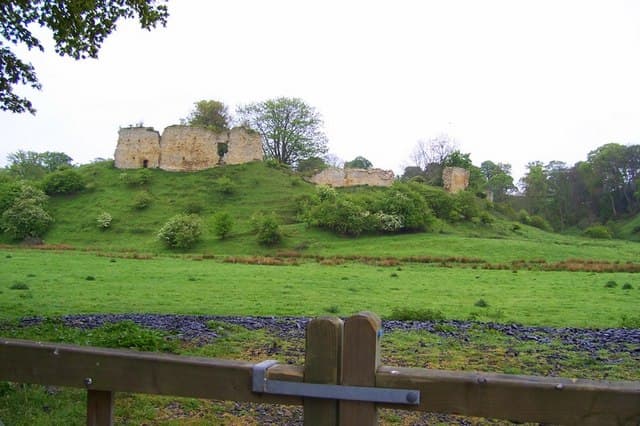
Mitford Castle is a significant example of an 11th-century Norman motte and bailey castle situated in the village of Mitford, Northumberland, England. Positioned to the west of Morpeth, the castle occupies a small prominence above the River Wansbeck, utilizing the natural landscape to enhance its defensive capabilities. The site features an elliptical mound that was artificially scarped and ditched to form the motte, a raised earthwork typical of Norman military architecture during the High Medieval period.
Historical context and significance
Constructed at the end of the 11th century, Mitford Castle was established shortly after the Norman Conquest of England, reflecting the widespread Norman strategy of fortifying control through rapid castle building. As a Scheduled Ancient Monument and a Grade I listed building, the castle holds considerable heritage value. It was officially listed on 20 October 1969, recognizing its architectural and historical importance. Despite its status, the castle is currently listed on the Buildings at Risk Register, indicating concerns about its preservation.
Architectural features and layout
The castle exemplifies the typical Norman motte and bailey design, characterized by a raised earthwork (the motte) topped with a defensive structure, and an enclosed courtyard (the bailey). The motte at Mitford is elliptical, which is somewhat unusual compared to the more common circular shape. The natural hill was carefully shaped, with steep scarping and surrounding ditches enhancing the defensive advantage. This earthwork would originally have supported a wooden or stone keep, although today only the earthworks and some masonry remain.
The castle's location above the River Wansbeck provided a natural defensive barrier on one side, while the other sides were protected by man-made ditches and ramparts. This strategic siting reflects the military considerations of Norman castle builders, who sought to control key river valleys and transport routes.
The Mitford family and subsequent developments
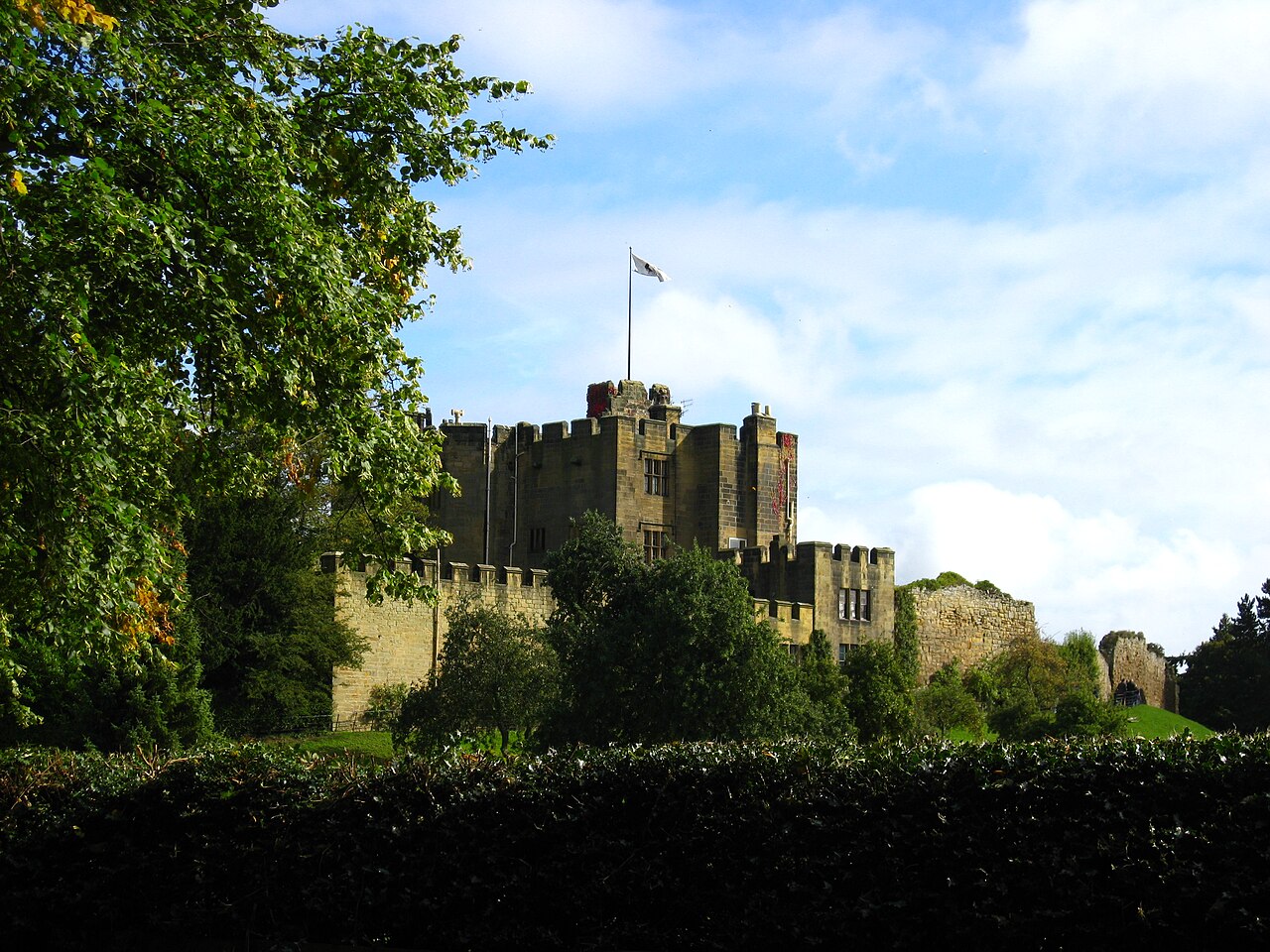
Mitford Castle was the first of three principal residences associated with the Mitford family on their manor lands. Following the castle's decline and partial destruction, the family moved their seat to the nearby Mitford Old Manor House, located northwest of the castle ruins. This manor house served as the family residence from the 16th century until the early 19th century.
In 1828, the Mitford family constructed Mitford Hall, a grand country house set within an expansive 85-acre park to the west of the castle ruins. This transition from medieval fortress to manor house and then to a stately home reflects broader social and architectural changes in England from the medieval period through the Georgian era.
Current condition and preservation efforts
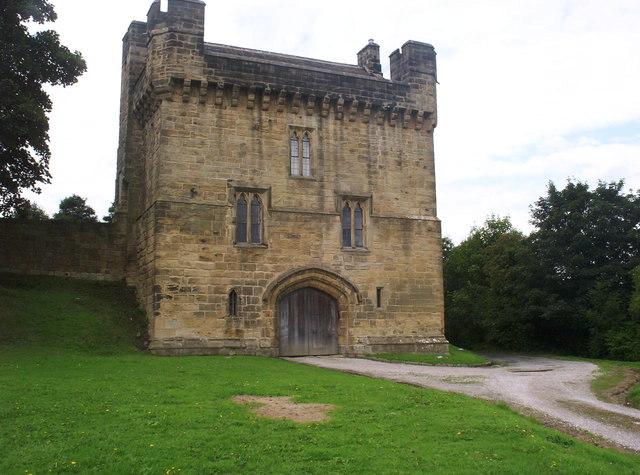
Today, Mitford Castle stands as partially preserved ruins. The earthworks remain prominent, but much of the original stonework has deteriorated or been lost over time. The castle's inclusion on the Buildings at Risk Register highlights ongoing concerns about its vulnerability to weathering and neglect.
Conservation efforts focus on stabilizing the remaining structures and protecting the motte and bailey earthworks. As a Scheduled Ancient Monument, the site is legally protected, and any work must comply with heritage regulations to preserve its archaeological and historical integrity.
Visiting Mitford Castle
While the castle is not fully intact, visitors can explore the earthworks and enjoy views of the surrounding Northumberland countryside. The site offers insight into Norman military architecture and the early medieval history of the region. Mitford Castle's proximity to other historic sites, including Mitford Old Manor House and Mitford Hall, makes it a valuable destination for those interested in English heritage.
Access and visitor information
The castle is located in the village of Mitford, accessible by local roads west of Morpeth. Visitors should be prepared for uneven terrain due to the earthworks and should check local resources for any access restrictions or conservation work that may affect visiting hours.
Architectural legacy and cultural importance
Mitford Castle represents an important phase in English castle construction, illustrating the Norman approach to fortification shortly after the conquest. Its motte and bailey design influenced many subsequent castles across England. The castle's ruins contribute to the understanding of medieval defensive strategies and the evolution of aristocratic residences in Northumberland.
As a Grade I listed building, the castle is recognized for its exceptional architectural and historic interest. The site remains a focus for archaeological study and heritage conservation, helping to preserve the story of Norman England for future generations.
Frequently asked questions (FAQ)
- When was Mitford Castle built?
- Mitford Castle was constructed at the end of the 11th century, shortly after the Norman Conquest of England.
- What type of castle is Mitford Castle?
- Mitford Castle is a Norman motte and bailey castle, characterized by a raised earthwork (motte) and an enclosed courtyard (bailey).
- Is Mitford Castle open to visitors?
- Yes, visitors can explore the earthworks and surrounding grounds, but should be prepared for uneven terrain and check for any access restrictions.
- Why is Mitford Castle on the Buildings at Risk Register?
- The castle is listed due to concerns about weathering and deterioration of the remaining structures and earthworks, highlighting the need for ongoing conservation efforts.
- What is the historical significance of Mitford Castle?
- Mitford Castle is a key example of Norman military architecture in Northumberland and was the first seat of the Mitford family on their manor lands.
Photo gallery

Information
Current owner
State
Loading map...
Visitor reviews
No reviews yet. Been here? Write the first review and help other travelers!
Write the first reviewVisited this castle? Share your experience
Your review helps other travelers and adds first-hand knowledge to our encyclopedia.