Bothal Castle
Bothal Castle is a notable hill castle and stately home located in the village of Bothal, near the River Wansbeck, positioned between the towns of Morpeth and Ashington in the historic county of Northumberland, England. The name "Bothal" originates from Old English, meaning a dwelling or hall, which likely refers to the site's long-standing role as a residential stronghold.
Historical background and significance
The origins of Bothal Castle date back to the medieval period, with its establishment as a fortified manor house reflecting the turbulent history of the Anglo-Scottish border region. The castle was historically associated with the prominent Berkeley family, who held the estate for several centuries. Its strategic location near the River Wansbeck allowed for control over local trade routes and defense against border raids.
Throughout the High Medieval and Late Medieval periods, Bothal Castle underwent various phases of construction and modification. These changes corresponded with the evolving needs of defense and residential comfort during times of relative peace and conflict.
Architectural features and layout
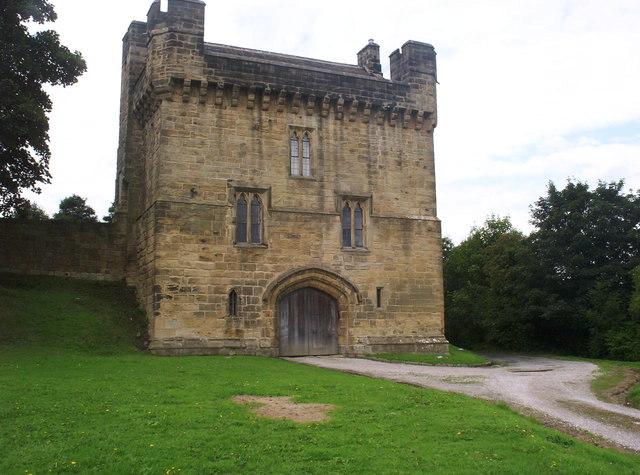
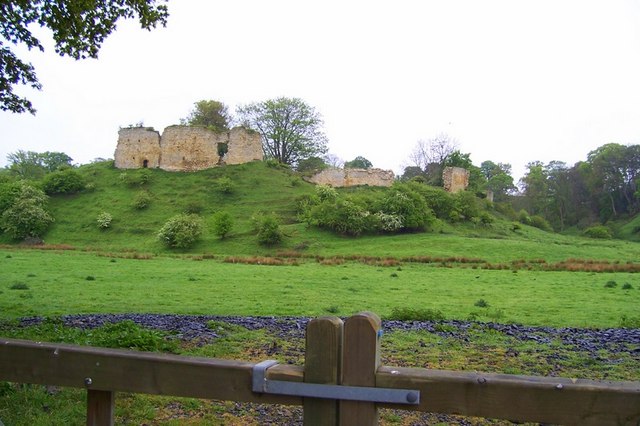
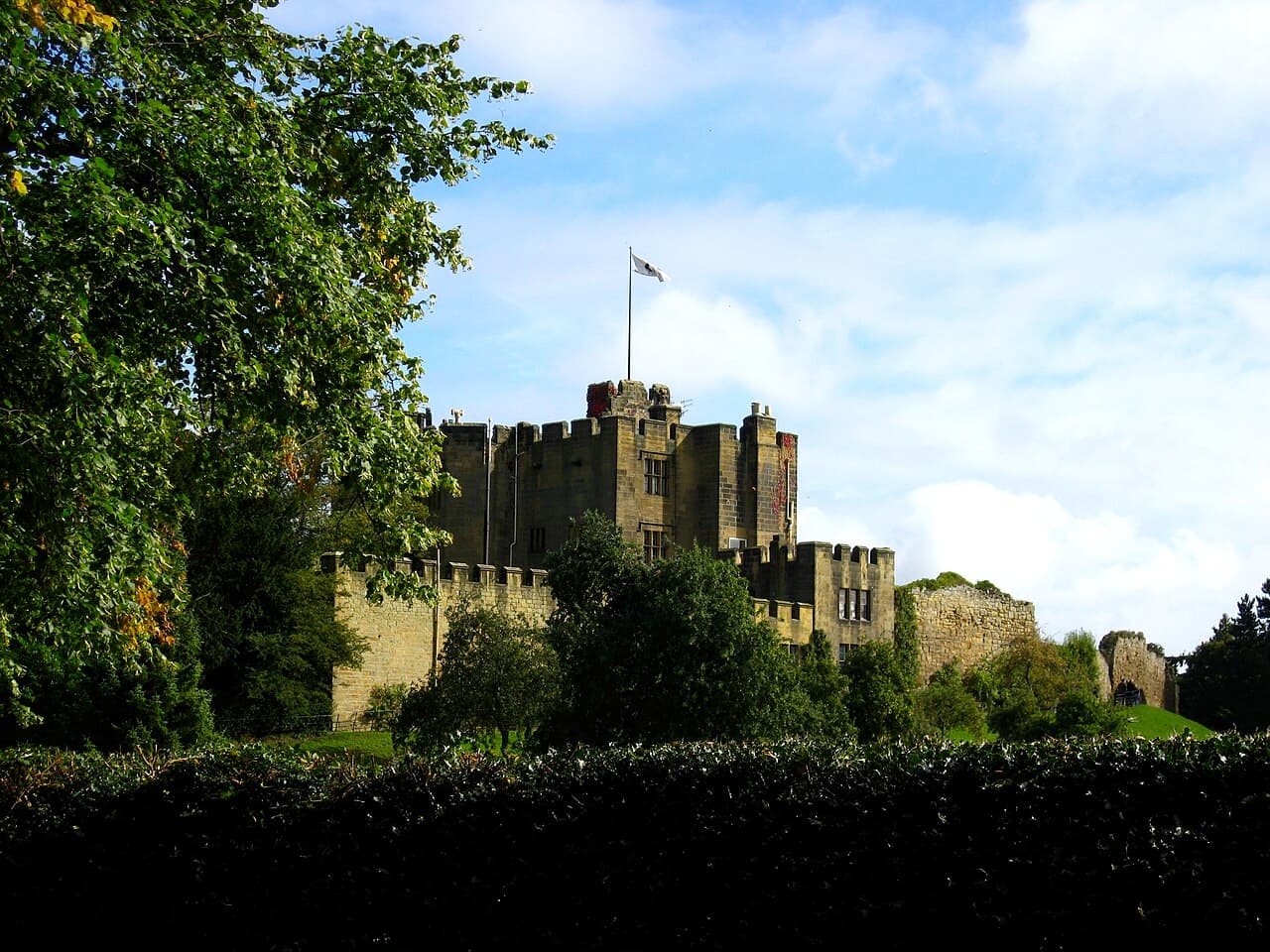
Bothal Castle exemplifies characteristics typical of a hill castle, constructed on elevated ground to maximize defensive advantage. The castle features a stone curtain wall enclosing the main courtyard, with remnants of towers and gatehouses that once fortified the perimeter.
The main residential building within the castle complex was designed as a stately home, blending defensive elements with domestic architecture. Notable features include a great hall, private chambers, and service areas arranged around the courtyard.
Architectural details reveal a mixture of medieval construction techniques, with later additions reflecting Renaissance influences as the castle transitioned from a purely military fortress to a noble residence.
Defensive structures
Defenses included thick stone walls, a gatehouse with portcullis, and possibly a moat or ditch, although the latter is less documented. The elevated position provided natural defense, supplemented by man-made fortifications adapted over time to counter advances in siege technology.
Residential and ceremonial spaces
The interior of Bothal Castle was designed to accommodate the needs of a noble family, with spaces for living, entertaining, and administration. The great hall served as the central gathering place for feasts and meetings, while private chambers offered comfort and privacy.
Later history and preservation
In the centuries following its medieval prominence, Bothal Castle experienced periods of decline and restoration. Its role shifted from a defensive fortress to a country house, reflecting broader changes in English society and architecture.
Today, Bothal Castle remains partially preserved, with significant portions of its structure intact, allowing visitors to appreciate its historical and architectural value. Efforts have been made to maintain the castle as a heritage site, preserving its legacy within Northumberland's rich tapestry of historic buildings.
Visiting Bothal Castle
While not as widely known as some larger castles, Bothal Castle offers a glimpse into the medieval and post-medieval history of northern England. Its scenic location near the River Wansbeck and proximity to Morpeth make it accessible for visitors interested in history, architecture, and the English countryside.
Visitors can explore the castle grounds and surrounding village, experiencing the blend of natural beauty and historic architecture that characterizes this part of Northumberland.
Frequently asked questions
- When was Bothal Castle built? Bothal Castle was originally established during the medieval period, with significant developments occurring in the High and Late Medieval eras.
- What type of castle is Bothal Castle? It is classified as a hill castle, built on elevated terrain for defensive advantage.
- Is Bothal Castle open to the public? Access may vary; visitors should check local resources for current visiting hours and any guided tours available.
- Who owned Bothal Castle historically? The Berkeley family was a prominent historical owner of Bothal Castle.
- What architectural styles are present in Bothal Castle? The castle features medieval construction with later Renaissance influences in its residential sections.
- Are there any defensive features visible today? Yes, parts of the stone curtain wall, gatehouse, and towers remain visible, showcasing its defensive past.
Frequently asked questions (FAQ)
- When was Bothal Castle built?
- Bothal Castle was originally established during the medieval period, with significant developments occurring in the High and Late Medieval eras.
- What type of castle is Bothal Castle?
- It is classified as a hill castle, built on elevated terrain for defensive advantage.
- Is Bothal Castle open to the public?
- Access may vary; visitors should check local resources for current visiting hours and any guided tours available.
- Who owned Bothal Castle historically?
- The Berkeley family was a prominent historical owner of Bothal Castle.
- What architectural styles are present in Bothal Castle?
- The castle features medieval construction with later Renaissance influences in its residential sections.
- Are there any defensive features visible today?
- Yes, parts of the stone curtain wall, gatehouse, and towers remain visible, showcasing its defensive past.
Photo gallery

Information
Loading map...
Visitor reviews
No reviews yet. Been here? Write the first review and help other travelers!
Write the first reviewVisited this castle? Share your experience
Your review helps other travelers and adds first-hand knowledge to our encyclopedia.