Mirante do Atalaia de Forte Velho
Mirante do Atalaia de Forte Velho is a notable example of a bastioned fortress located in Brazil. This fortification reflects the military architectural principles developed during the period when European colonial powers fortified strategic coastal and inland positions to defend their territories and control trade routes.
The fortress is characterized by its bastions, which are angular structures projecting outward from the main walls. These bastions allowed defenders to cover adjacent walls with gunfire, eliminating blind spots and enhancing the fort's defensive capabilities. The design of Mirante do Atalaia de Forte Velho follows the principles of star forts, which became prominent in the post-medieval period as a response to the increasing use of artillery in warfare.
The architectural features of Mirante do Atalaia de Forte Velho
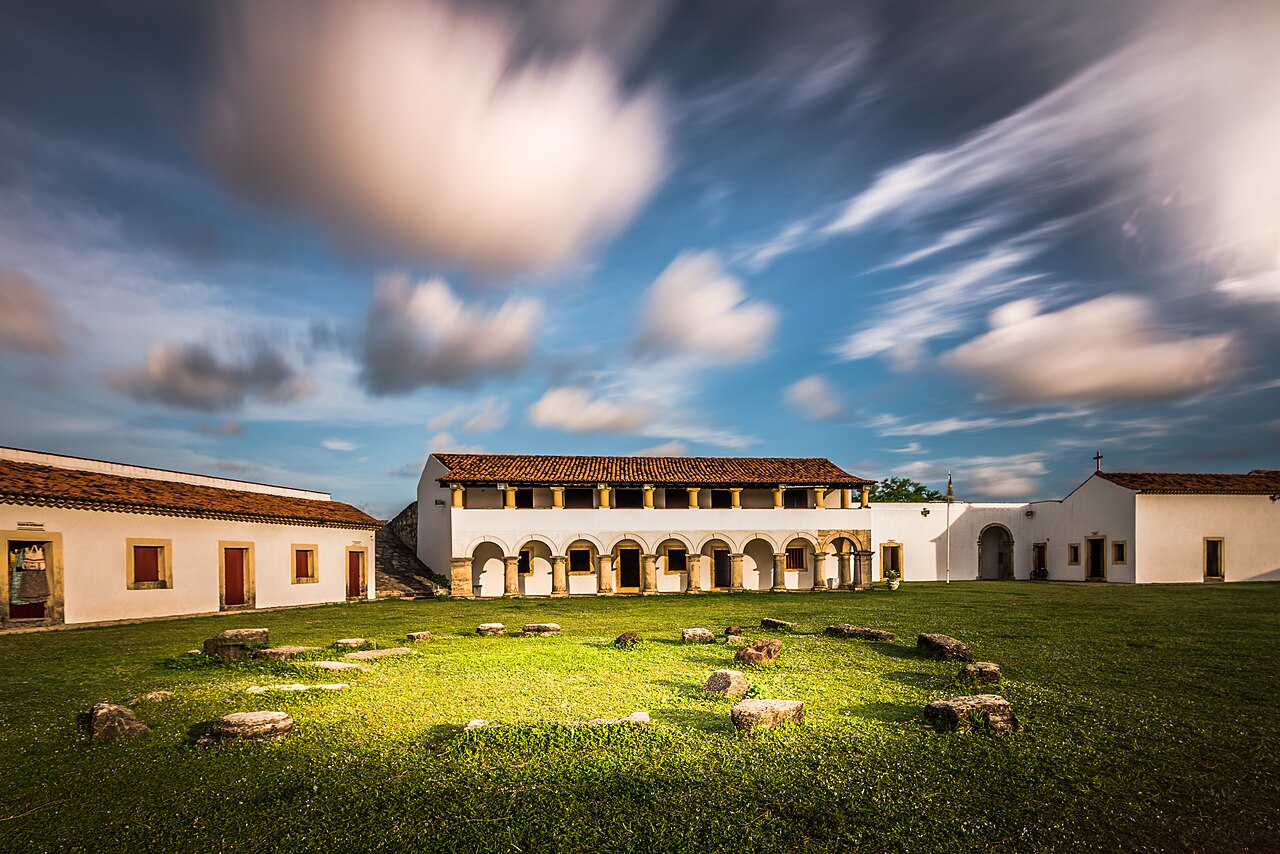
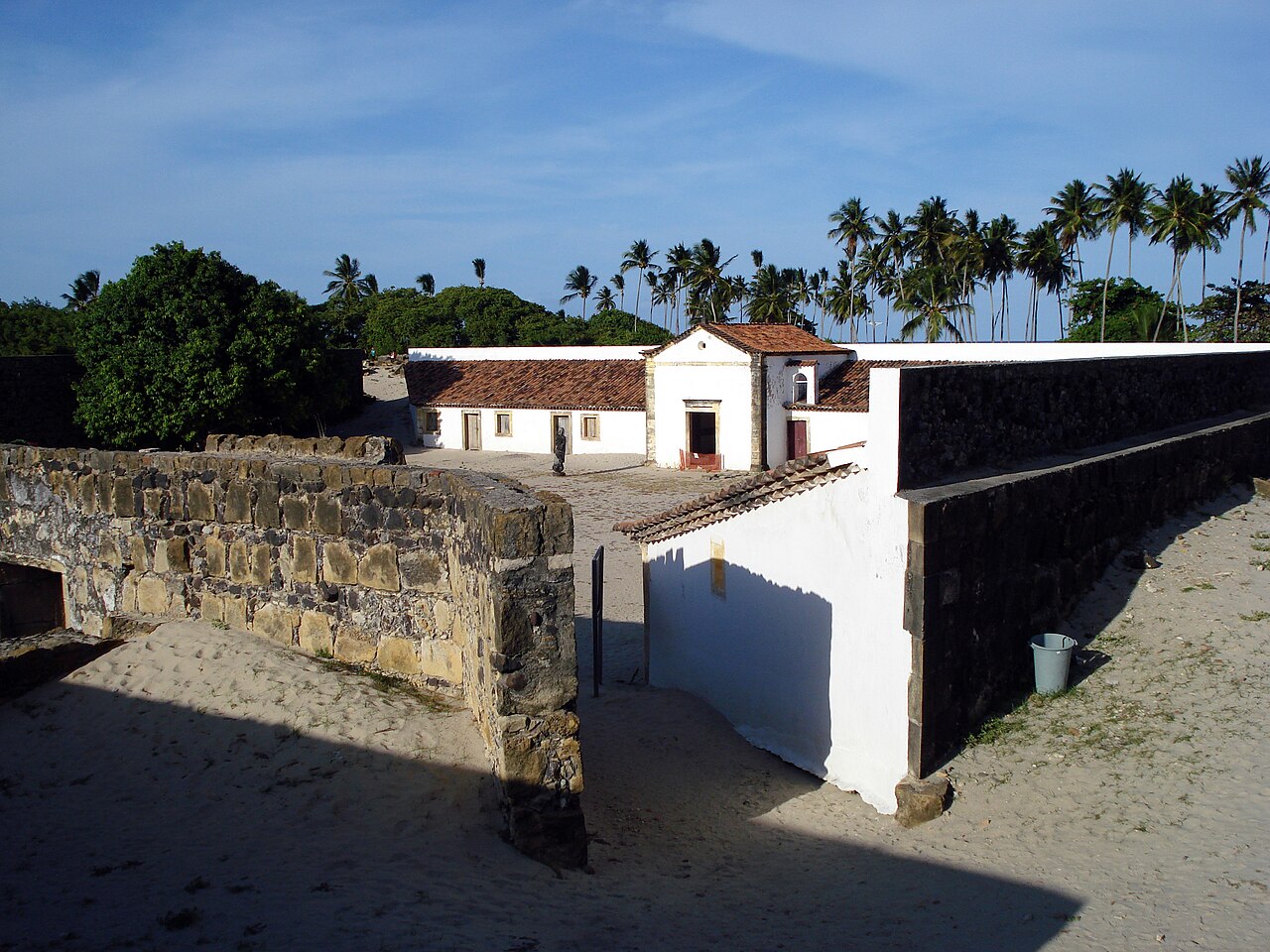
The fortress’s layout includes thick masonry walls and low, angled bastions that reduce the impact of cannon fire. The walls are typically constructed with local stone and mortar, designed to absorb and deflect artillery shots. The bastions provide platforms for mounting cannons and other defensive artillery pieces.
Within the fortress, there are remnants of defensive ditches or moats, which would have served as additional obstacles to attacking forces. The entrance to the fortress is usually fortified with a gatehouse or portal designed to withstand direct assault.
Strategic location and historical context
While the exact city location of Mirante do Atalaia de Forte Velho is not well documented, it is situated in Brazil, a country with a rich history of colonial fortifications built primarily by the Portuguese. These fortresses were essential in protecting coastal settlements and controlling inland access routes.
The construction of bastioned fortresses like Mirante do Atalaia de Forte Velho typically dates from the 17th to 18th centuries, coinciding with the period when European powers enhanced their military architecture to counter advances in siege technology and artillery.
Military architecture and defense mechanisms
The bastioned design allowed for overlapping fields of fire, which meant that defenders could cover all approaches to the fortress with cannon and musket fire. This design minimized dead zones and made direct assaults costly for attackers.
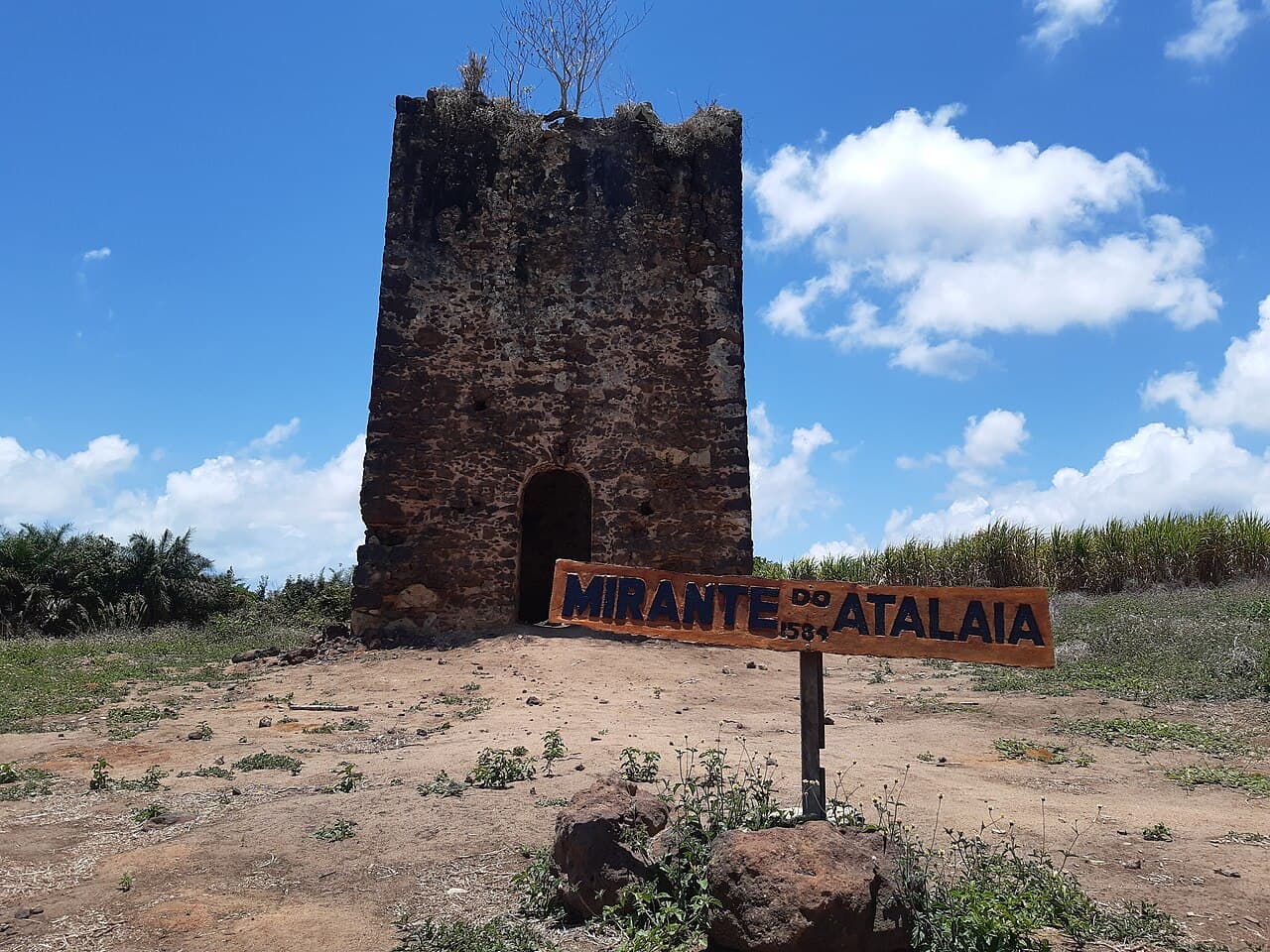
The fortress likely included internal buildings such as barracks, powder magazines, and storage facilities, essential for sustaining a garrison during sieges. The presence of a command post or lookout tower (mirante) would have provided strategic oversight of the surrounding area, allowing early detection of enemy movements.
Preservation and current condition
Today, Mirante do Atalaia de Forte Velho stands as a partially preserved historical site. While some of its structures remain intact, others have suffered from the effects of time and weather. Preservation efforts focus on maintaining the integrity of the bastions and walls to provide visitors with insight into colonial military architecture.
The site serves as an important cultural and historical landmark, offering educational opportunities about Brazil’s colonial past and the evolution of fortress design in the Americas.
Visiting Mirante do Atalaia de Forte Velho
Visitors to the fortress can explore the remaining defensive structures and enjoy panoramic views from the mirante, which offers a vantage point over the surrounding landscape. The site is accessible to the public, though specific visiting hours and ticketing information may vary depending on local management.
Nearby attractions often include other colonial-era sites and natural landmarks, making it a valuable destination for those interested in history, architecture, and nature.
Frequently asked questions (FAQ)
- How do I get to Mirante do Atalaia de Forte Velho?
- Mirante do Atalaia de Forte Velho is located in Brazil and can be accessed by car or public transportation. If you're traveling from nearby cities, consider using a GPS for the best routes or local buses that service the area.
- What is the historical significance of Mirante do Atalaia de Forte Velho?
- Mirante do Atalaia de Forte Velho holds historical importance as it was constructed to serve as a defensive fortification during colonial times. This site played a strategic role in protecting the coastal regions and is a testament to Brazil's rich military history.
- When was Mirante do Atalaia de Forte Velho built?
- The construction of Mirante do Atalaia de Forte Velho dates back to the 17th century, around the period of Portuguese colonization. Its architectural features reflect the military style of that era, making it a significant landmark in Brazilian history.
- Can I visit Mirante do Atalaia de Forte Velho year-round?
- Yes, Mirante do Atalaia de Forte Velho is open to visitors throughout the year. However, it's advisable to check for any specific seasonal events or maintenance closures to ensure an enjoyable visit.
- Why is the architecture of Mirante do Atalaia de Forte Velho unique?
- The architecture of Mirante do Atalaia de Forte Velho is unique due to its blend of military design and natural surroundings. The fort's strategic position on a hill offers panoramic views, and its stone construction reflects the fortification techniques of the 17th century.
- Is it possible to access Mirante do Atalaia de Forte Velho with a wheelchair?
- Accessibility at Mirante do Atalaia de Forte Velho may be limited due to the fort's historical nature and uneven terrain. It's recommended to contact the site ahead of your visit to inquire about specific accommodations for wheelchair users.
- What are the opening hours for Mirante do Atalaia de Forte Velho?
- Mirante do Atalaia de Forte Velho typically opens at 9 AM and closes at 5 PM daily. These hours may vary on holidays or special occasions, so checking in advance is recommended for the most accurate information.
- What are the ticket prices for visiting Mirante do Atalaia de Forte Velho?
- The ticket prices for Mirante do Atalaia de Forte Velho are generally affordable, making it accessible for all visitors. Discounts may be available for students, seniors, and groups, so be sure to inquire about any deals upon arrival.
- When is the best time to visit Mirante do Atalaia de Forte Velho?
- The best time to visit Mirante do Atalaia de Forte Velho is during the dry season, which typically runs from May to September. During these months, you can enjoy clearer skies and more pleasant weather for exploring the fort and its surroundings.
- Are there any nearby attractions to Mirante do Atalaia de Forte Velho?
- Yes, there are several nearby attractions, including beautiful beaches and local markets that showcase Brazilian culture. Exploring the surrounding area can enhance your visit and provide a more comprehensive experience of the region's history and lifestyle.
Photo gallery

Information
Loading map...
Visitor reviews
No reviews yet. Been here? Write the first review and help other travelers!
Write the first reviewVisited this castle? Share your experience
Your review helps other travelers and adds first-hand knowledge to our encyclopedia.