Fortress of Saint Catherine
The Fortress of Saint Catherine, known locally as Forte de Santa Catarina, is a historic bastioned fortress located in Cabedelo, Paraíba, Brazil. Constructed in the 16th century, it stands as a significant example of Renaissance military architecture in the Brazilian northeast. The fort was originally built in 1585 under the direction of the German engineer Cristóvão Linz, commissioned by Frutuoso Barbosa, the captain-major of the Captaincy of Paraíba.
Early construction and strategic importance
The fortress was strategically positioned near the coast to defend the Captaincy of Paraíba from foreign invasions and local indigenous attacks. Its design incorporated bastioned walls, a hallmark of Renaissance fortifications, allowing for improved defensive capabilities against artillery and infantry assaults. The fort's location at the mouth of the Paraíba River provided control over maritime access to the interior regions.
Destruction and rebuilding in the late 16th century
On August 13, 1597, the fort was set ablaze by a combined force of French and Potiguara soldiers. This attack was a retaliation for French losses elsewhere in the Brazilian northeast and demonstrated the ongoing conflict between European powers and indigenous groups vying for control of the region. Despite this setback, the fortress was subsequently rebuilt to restore its defensive role.
Role during the Dutch invasions
During the Dutch invasions of Brazil in the early 17th century, the Fortress of Saint Catherine played a pivotal role in the Battle of Cabedelo. In early December 1631, approximately 1,600 Dutch soldiers landed at Praia Formosa, near Cabedelo, and advanced toward the fortress. The defenders successfully repelled the assault on December 12, maintaining control of the fort. The fortress endured continuous attacks until 1634, when it was captured and renamed Fort Margarida by Maurice of Nassau, the Dutch governor and military leader.
Architectural features and military design
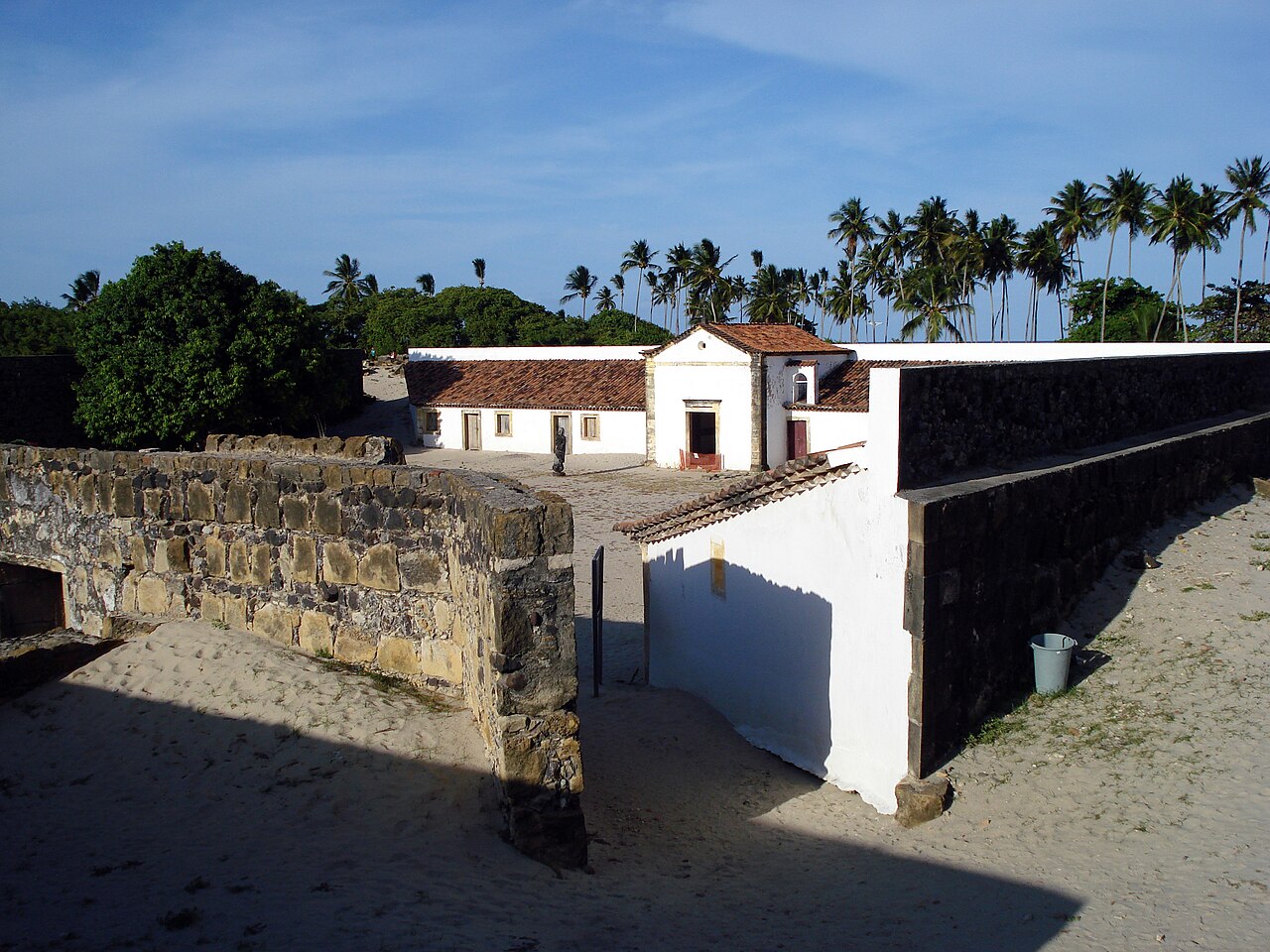
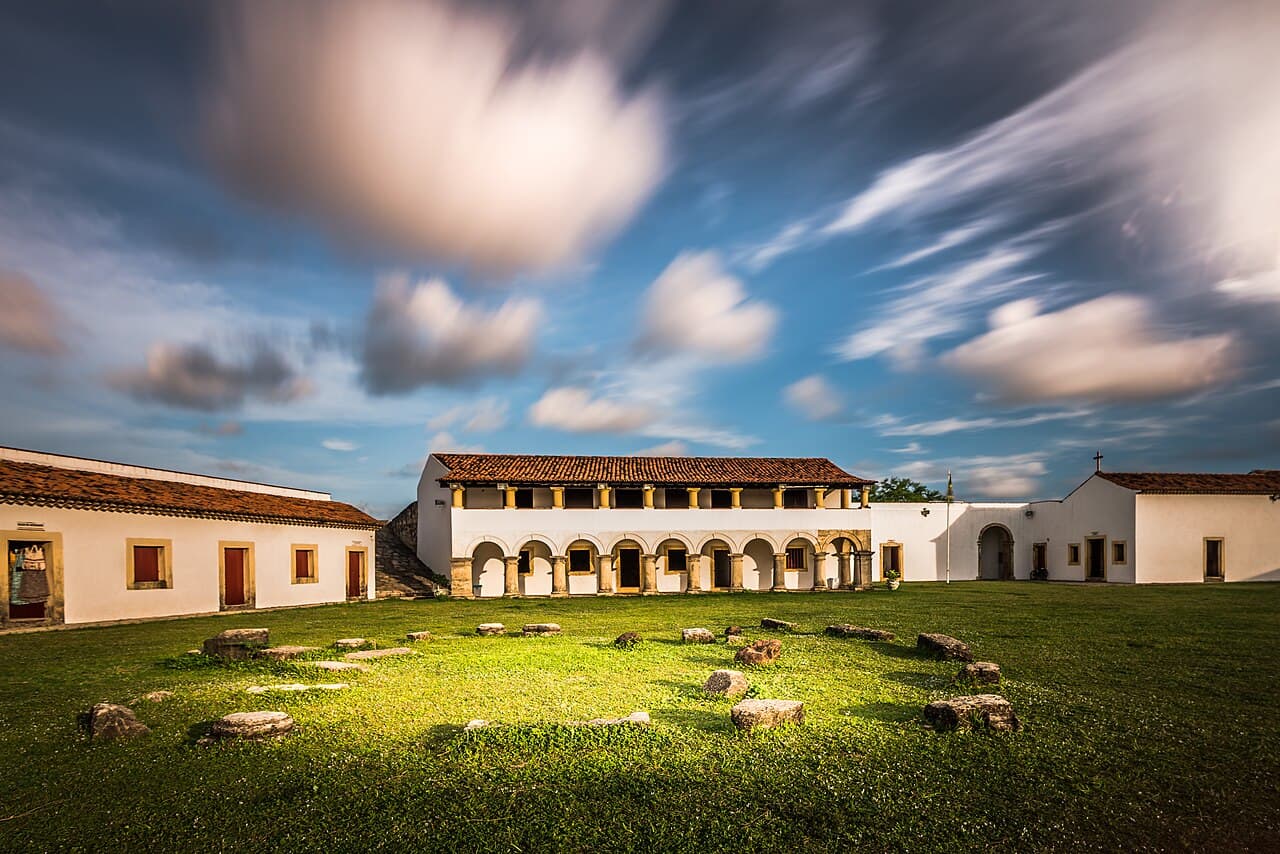
The fortress exhibits typical characteristics of Renaissance military architecture, including angular bastions designed to deflect cannon fire and provide overlapping fields of fire. The walls are thick and constructed from local stone and masonry, with embrasures for cannons and musketry. The layout includes curtain walls connecting the bastions, a central courtyard, and facilities for the garrison such as barracks, storage rooms, and a chapel.
Historical significance and legacy
The Fortress of Saint Catherine is a testament to the complex colonial history of northeastern Brazil, reflecting the struggles between Portuguese, French, Dutch, and indigenous forces for control of the territory. Its resilience during multiple sieges highlights its strategic and military importance. Today, the fortress is recognized as a cultural heritage site, representing the Renaissance fortification style adapted to the Brazilian context.
Present condition and visitation
The fortress remains partially preserved, with many of its original walls and bastions intact. It serves as a historical monument and tourist attraction in Cabedelo, offering visitors insight into colonial military architecture and the turbulent history of the region. Efforts have been made to maintain and restore parts of the structure to ensure its preservation for future generations.
Frequently asked questions (FAQ)
- How do I get to the Fortress of Saint Catherine?
- The Fortress of Saint Catherine is located in Cabedelo, Brazil, and is easily accessible by car or public transportation. If you are coming from João Pessoa, it is a short drive or bus ride along the coast, providing beautiful views of the shoreline.
- What is the historical significance of the Fortress of Saint Catherine?
- The Fortress of Saint Catherine was built in the 17th century to protect the coast from invasions and piracy. It played a crucial role in the defense of the region during colonial times and is a significant example of military architecture from that era.
- When was the Fortress of Saint Catherine constructed?
- Construction of the Fortress of Saint Catherine began in 1580 and was completed in 1707. Its long history reflects the military strategies and architectural styles of the time, making it a fascinating site for history enthusiasts.
- Can I take guided tours of the Fortress of Saint Catherine?
- Yes, guided tours are available, providing visitors with in-depth knowledge about the fortress's history and architecture. These tours typically offer a more engaging experience, allowing you to explore the site while learning about its significance.
- Why is the architecture of the Fortress of Saint Catherine unique?
- The architecture of the Fortress of Saint Catherine showcases a mix of Portuguese and local styles, characterized by thick walls and strategic positioning overlooking the sea. Its design reflects the military needs of the time while also incorporating elements of the surrounding landscape.
- Is it possible to visit the fortress outside of regular hours?
- The Fortress of Saint Catherine generally has set opening hours, but special arrangements for after-hours visits may be possible upon request. It's best to contact the fortress administration in advance to inquire about any potential options.
- What are the ticket prices for visiting the Fortress of Saint Catherine?
- Ticket prices for the Fortress of Saint Catherine are typically affordable, with discounts available for students and seniors. It's advisable to check the official website or contact the site for the most current pricing information before your visit.
- What is the best time to visit the Fortress of Saint Catherine?
- The best time to visit the Fortress of Saint Catherine is during the dry season, from June to December, when the weather is more pleasant. This period allows for comfortable exploration and stunning views of the surrounding area.
- Are there any nearby attractions to visit after the fortress?
- Yes, after visiting the Fortress of Saint Catherine, you can explore the beautiful beaches of Cabedelo, such as Praia de Intermares and Praia do Jacaré. Additionally, the nearby city of João Pessoa offers a rich cultural experience with museums and historical sites to discover.
Photo gallery

Information
Loading map...
Visitor reviews
No reviews yet. Been here? Write the first review and help other travelers!
Write the first reviewVisited this castle? Share your experience
Your review helps other travelers and adds first-hand knowledge to our encyclopedia.