Minakuchi Castle
Minakuchi Castle (水口城, Minakuchi-jō), also referred to as Hekisui Castle, is a notable example of a hirashiro-style Japanese castle situated in the former town of Minakuchi, now part of the city of Kōka in Shiga Prefecture, Japan. This castle holds historical significance as a strategic fortification during the early Edo period, serving as a key point along the Tokaido road, one of the most important routes connecting Kyoto and Edo (modern Tokyo).
Historical context and strategic importance
Constructed in the early 17th century, Minakuchi Castle was commissioned by the Tokugawa shogunate to protect the vital transportation and communication lines between the political center of Edo and the imperial capital Kyoto. Its location in Minakuchi was chosen for its strategic position overseeing the Tokaido highway, which was the main artery for travel, trade, and military movements during the Edo period.
The castle played a role in the Tokugawa shogunate's system of control over the daimyo lords, acting as a checkpoint and administrative center for the region. It was not primarily a military fortress designed for prolonged sieges but rather a symbol of Tokugawa authority and a practical facility for governance and control.
Architectural features and design
Minakuchi Castle exemplifies the hirashiro or flatland castle style, which is characterized by construction on relatively flat terrain rather than on a hill or mountain. This style required extensive use of moats, walls, and earthen embankments to compensate for the lack of natural elevation.
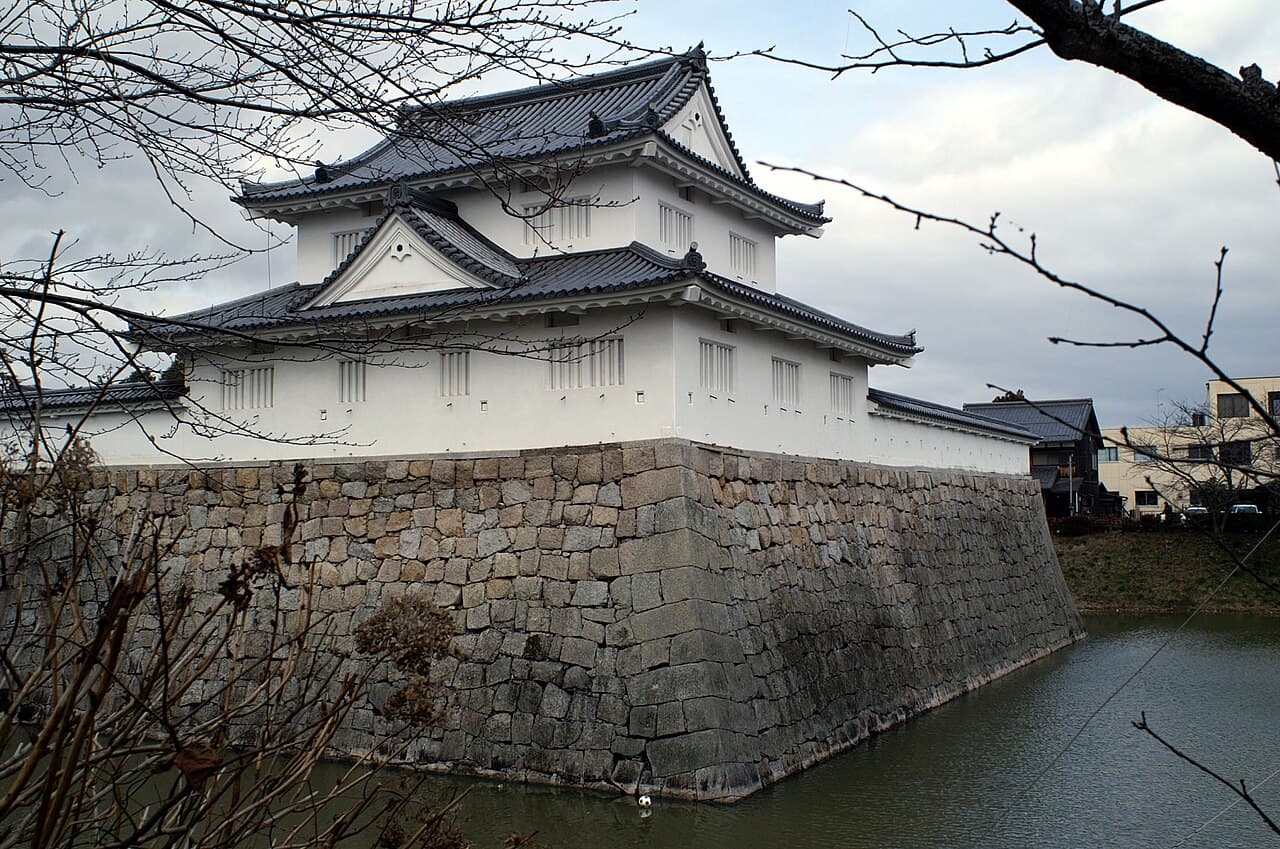
The castle's layout included multiple moats arranged in concentric rings, providing layered defense. The central area housed the main keep or tenshu, which was modest in size compared to larger castles but sufficient for administrative and residential functions. Surrounding the main keep were gates, watchtowers, and residential quarters for retainers and officials.
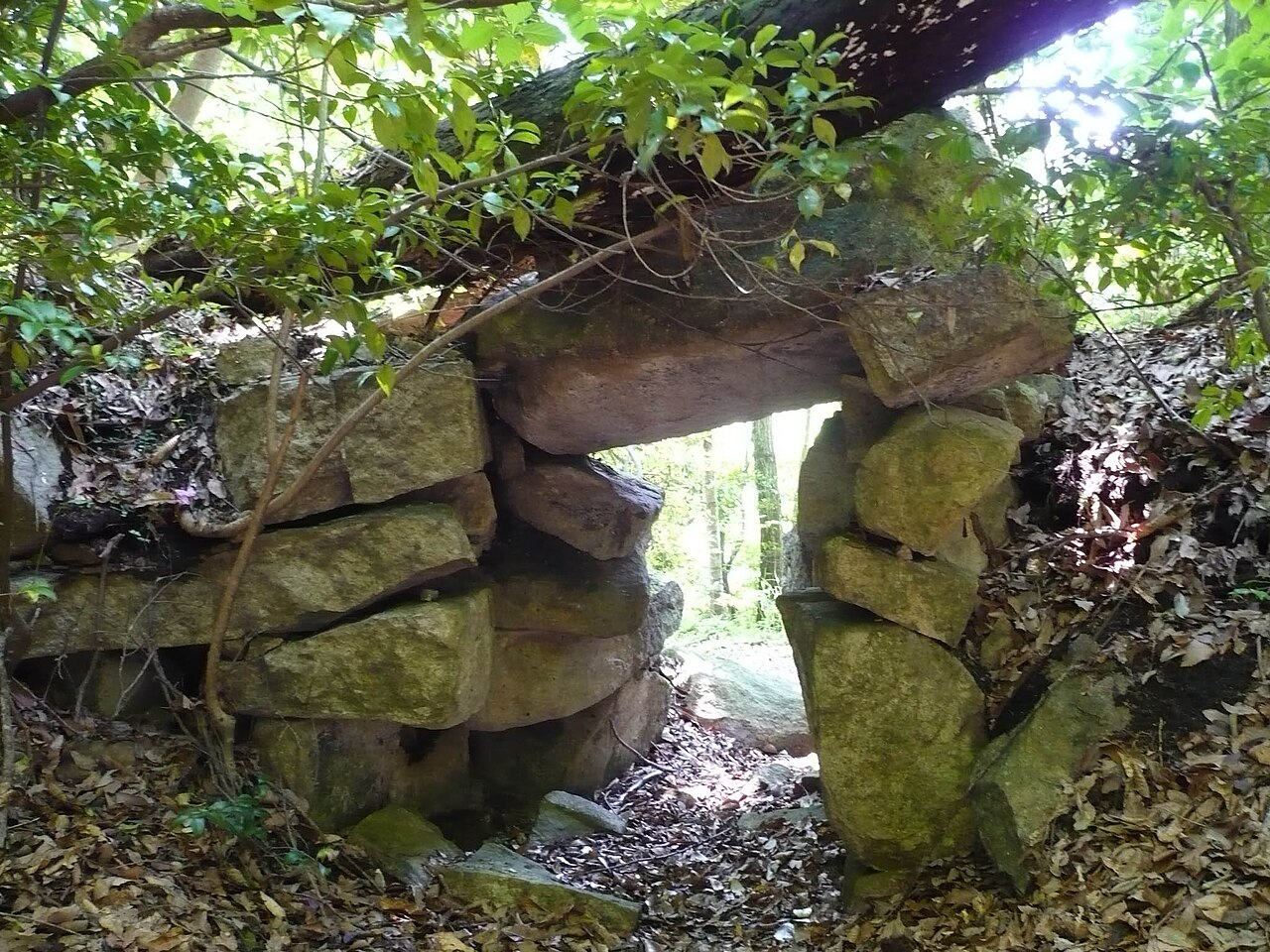
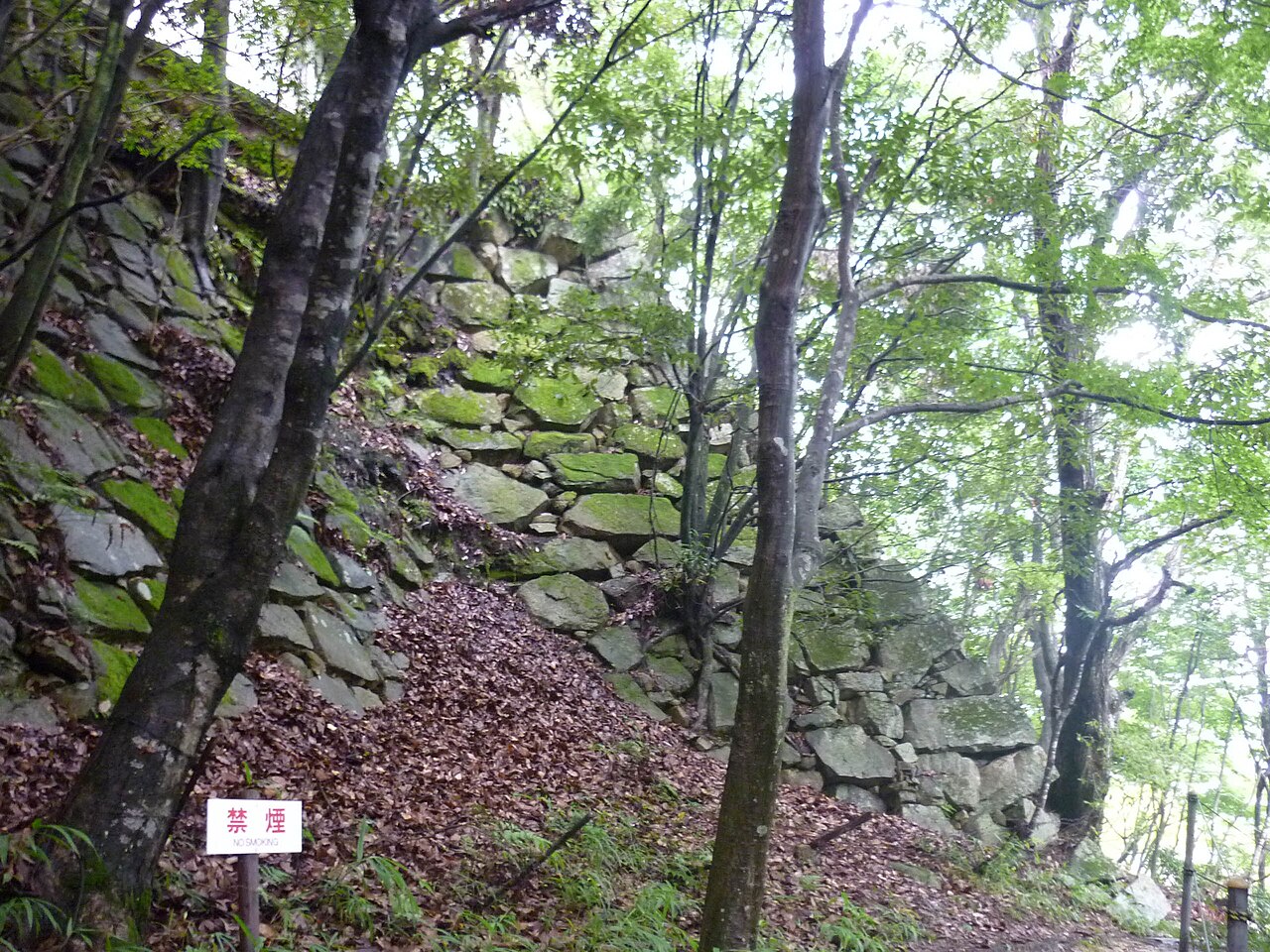
The castle's walls combined stone bases with wooden structures above, typical of the period's construction techniques. While the main keep no longer stands, archaeological remains and reconstructions provide insight into the castle's original appearance and layout.
Defensive elements
The castle's defensive design relied heavily on its extensive moats, which were filled with water sourced from nearby rivers. The moats were complemented by earthen walls and palisades, creating obstacles for any potential attackers. The flatland location made the castle vulnerable to direct assault, so these artificial defenses were critical.
Strategically placed watchtowers allowed guards to monitor the surrounding area and the important Tokaido route. The castle's gates were designed with complex entryways to slow down and control access.
Role during the Edo period
During the Edo period, Minakuchi Castle served as the administrative center of the Minakuchi Domain. It was the residence of the local daimyo appointed by the Tokugawa shogunate. The castle's presence reinforced the shogunate's control over the region and helped maintain peace along the Tokaido road.
The castle was also a hub for local governance and judicial matters. Its officials managed taxation, law enforcement, and regional affairs from within the castle grounds.
Later history and preservation
Following the Meiji Restoration and the abolition of the feudal domain system in the late 19th century, Minakuchi Castle lost its administrative function. The castle structures were dismantled or fell into ruin over time. Today, the site is preserved as a historic park, with some reconstructed elements and archaeological remains accessible to visitors.
The castle grounds provide insight into the architecture and layout of a typical Edo period hirashiro. Efforts have been made to maintain the moats and earthworks, allowing visitors to appreciate the castle's original defensive design.
Visitor experience and cultural significance
Minakuchi Castle is valued for its historical and cultural significance as a representation of Edo period governance and castle architecture. The site offers walking paths around the moats and earthworks, interpretive signage, and occasional cultural events that highlight the castle's heritage.
The castle is part of the broader historical landscape of Shiga Prefecture, which includes other castles and heritage sites from various periods of Japanese history.
Frequently asked questions (FAQ)
- What is the historical significance of Minakuchi Castle?
- Minakuchi Castle was built in the early 17th century to protect the Tokaido road and serve as an administrative center during the Edo period.
- Can I visit Minakuchi Castle today?
- Yes, the castle site is preserved as a historic park with some reconstructed elements and archaeological remains accessible to visitors.
- What architectural style is Minakuchi Castle built in?
- Minakuchi Castle is a hirashiro-style castle, built on flatland with extensive moats and earthworks for defense.
- Where is Minakuchi Castle located?
- Minakuchi Castle is located in Kōka city, Shiga Prefecture, Japan, in the area formerly known as the town of Minakuchi.
Photo gallery

Information
Loading map...
Visitor reviews
No reviews yet. Been here? Write the first review and help other travelers!
Write the first reviewVisited this castle? Share your experience
Your review helps other travelers and adds first-hand knowledge to our encyclopedia.