Hachimanyama Castle
Hachimanyama Castle (八幡山城, Hachimanyama-jō) stands as a significant historical site in Ōmihachiman, located on the eastern shore of Lake Biwa in Shiga Prefecture, Japan. Constructed in the 16th century, this castle was the residence of Toyotomi Hidetsugu, the nephew of the famous warlord Toyotomi Hideyoshi. Though now in ruins, the site offers valuable insight into the military and architectural strategies of the period.
Historical context and significance
The castle was built during Japan's Sengoku period, a time marked by intense military conflict and political upheaval. Hachimanyama Castle was strategically positioned to control the region around Lake Biwa, an important transportation and trade route. It played a role in consolidating Toyotomi Hideyoshi's power in the region through his nephew, Toyotomi Hidetsugu, who was appointed to govern the area.
Toyotomi Hidetsugu's tenure at the castle was relatively brief, as he fell out of favor and was ordered to commit seppuku in 1595. Despite this, the castle remained a symbol of the Toyotomi clan's influence during the late 16th century.
Architectural features and construction
Hachimanyama Castle was constructed primarily as a hill castle, utilizing the natural elevation of the terrain for defensive advantage. The castle's design incorporated typical Sengoku period fortification elements such as stone walls, earthen ramparts, and wooden structures. The layout was intended to maximize defense while controlling access to the surrounding area.
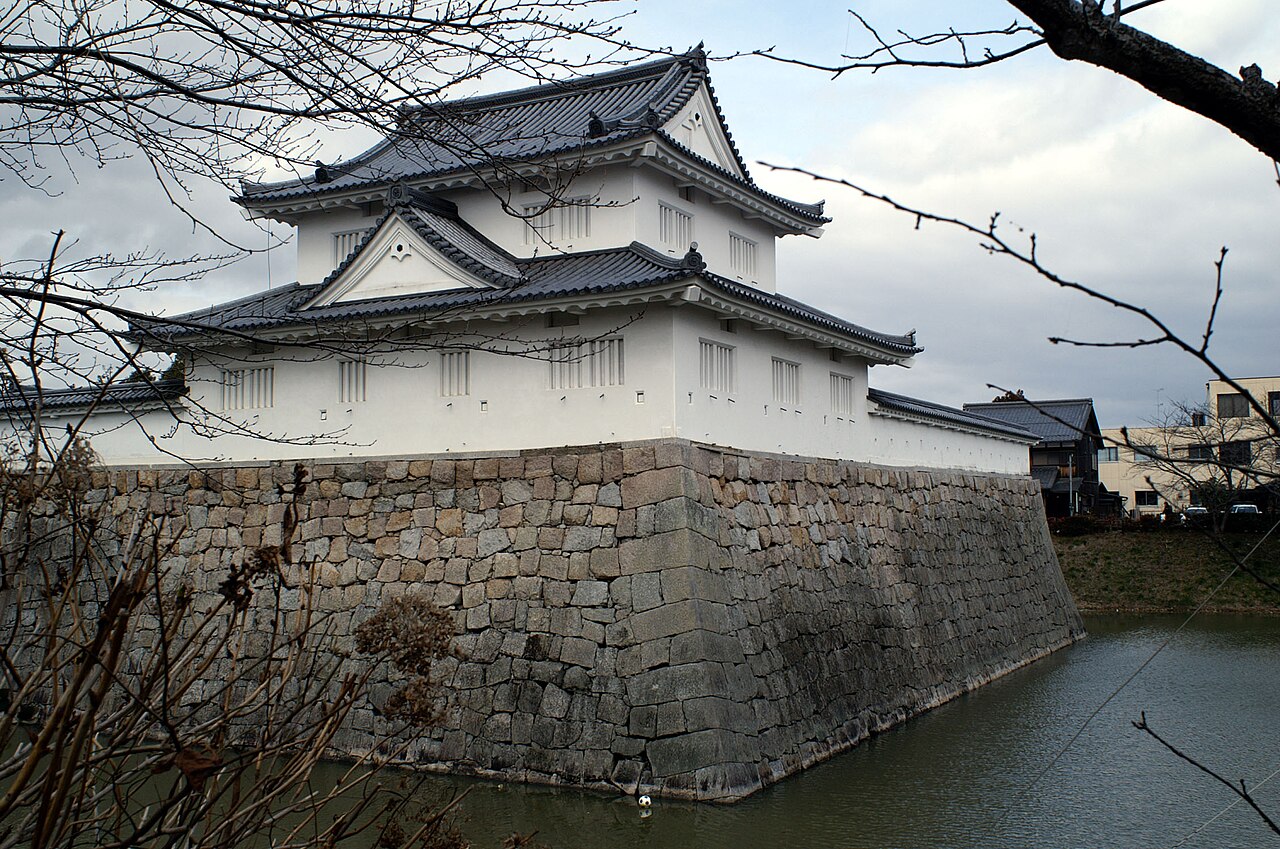
The castle grounds included multiple baileys (courtyards) protected by moats and walls, which were common defensive features of the time. The main keep, or tenshu, served as both a military stronghold and residence. Though the original structures no longer stand, archaeological excavations have revealed foundations and remnants that help reconstruct the castle's original form.
Strategic location
Perched on a hill overlooking Lake Biwa, the castle had a commanding view of the surrounding plains and waterways. This vantage point allowed for early detection of enemy movements and control over key transportation routes. The proximity to water also provided logistical advantages for supply and communication.
Decline and present condition
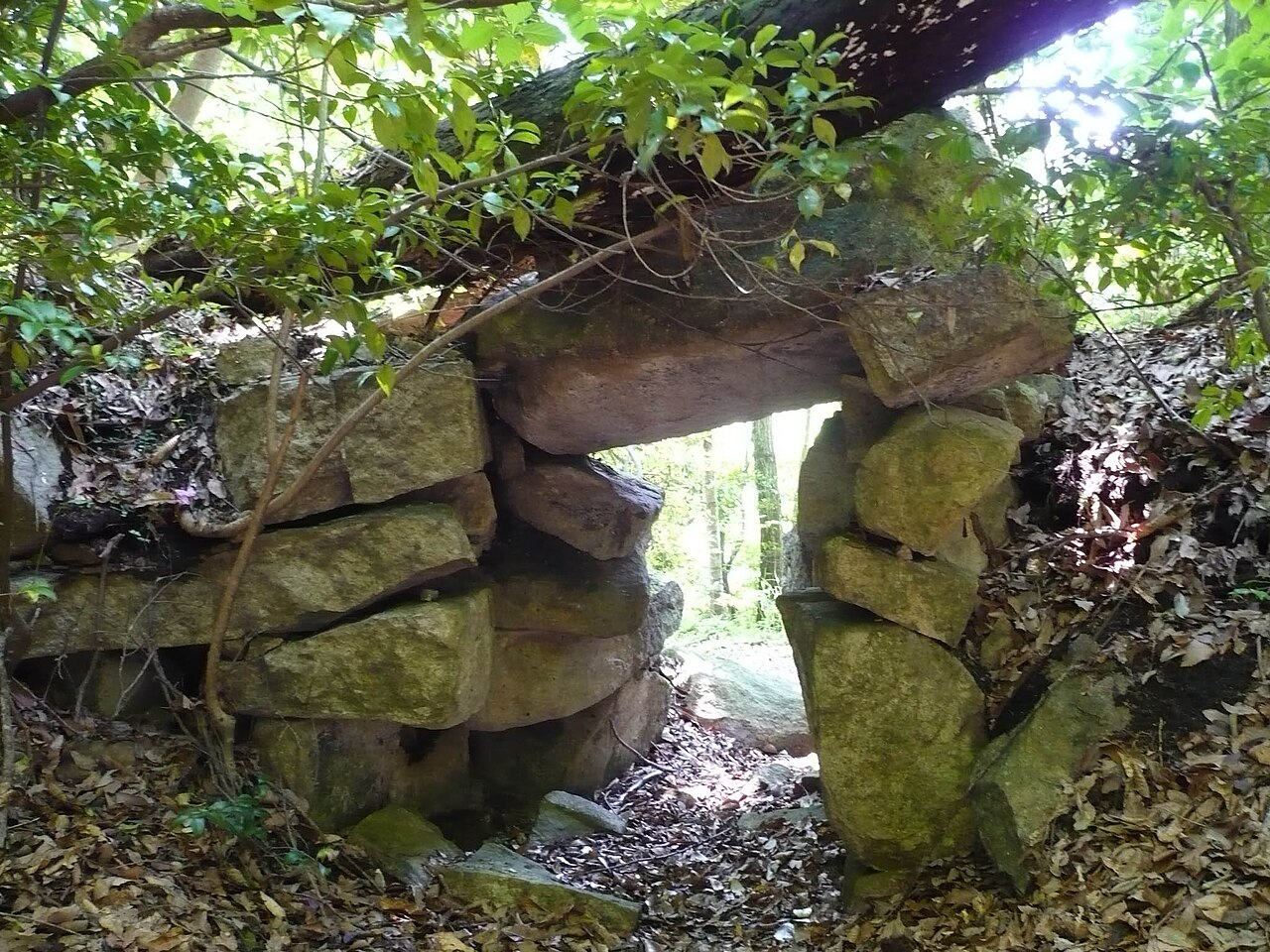
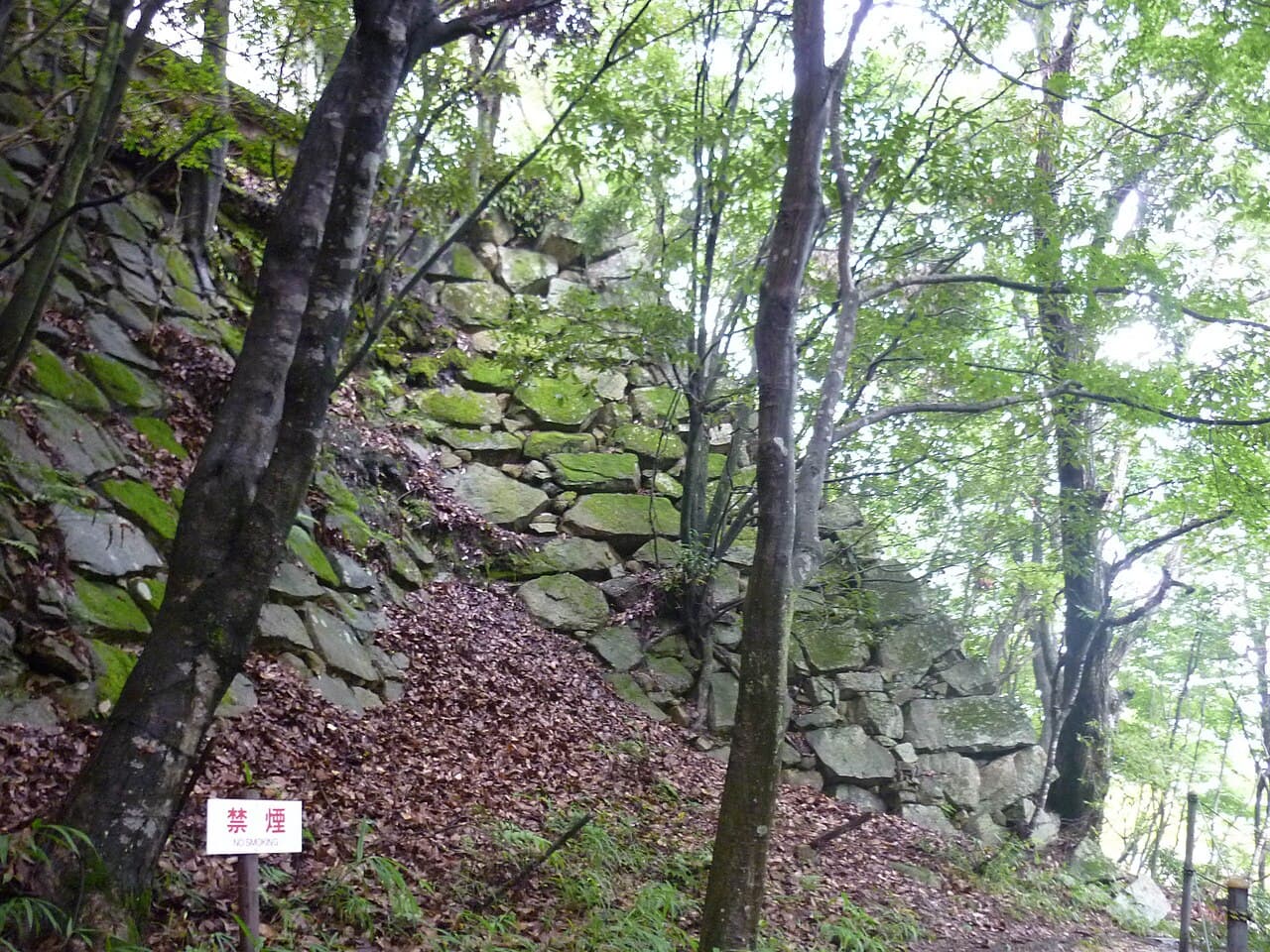
Following the downfall of Toyotomi Hidetsugu, Hachimanyama Castle gradually lost its political and military importance. It was eventually abandoned and fell into ruin. Today, the castle site is classified as archaeological ruins, with some stone walls and earthworks still visible.
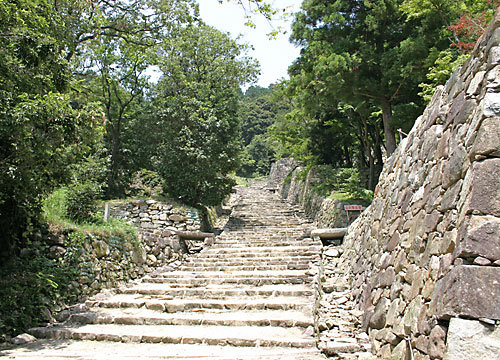
The site is preserved as a cultural heritage location, attracting visitors interested in Japan's feudal history and castle architecture. Interpretive signage and walking paths allow exploration of the ruins, providing a tangible connection to the Sengoku period.
Legacy and cultural impact
While the castle itself no longer stands, its historical association with the Toyotomi clan and its strategic role during a turbulent era in Japanese history contribute to its lasting legacy. The castle's location in Ōmihachiman also ties it to the region's rich cultural traditions and historical identity.
Modern Ōmihachiman celebrates this heritage through festivals and preservation efforts, ensuring that the memory of Hachimanyama Castle remains part of the local and national narrative.
Visiting information
The castle ruins are accessible to the public, offering a peaceful setting to explore the remains of a significant Sengoku period fortress. Visitors can enjoy panoramic views of Lake Biwa and the surrounding landscape from the castle hill.
While no original buildings remain, the site features walking trails and informational displays that provide context about the castle's history and architecture. It is recommended to visit during the spring or autumn months for pleasant weather and scenic views.
Frequently asked questions (FAQ)
- How do I get to Hachimanyama Castle?
- Hachimanyama Castle is located in Ōmihachiman, Japan, and can be accessed via public transportation. Visitors can take a train to Ōmihachiman Station and then a short bus ride or a pleasant walk to the castle grounds.
- What is the historical significance of Hachimanyama Castle?
- Hachimanyama Castle, built in the late 16th century, served as a strategic military site during the feudal era. It played a vital role in the regional power struggles and is a testament to the architectural advancements of its time.
- When was Hachimanyama Castle built?
- Hachimanyama Castle was constructed in 1585 by the warlord Toyotomi Hideyoshi. It underwent several renovations and restorations over the centuries, reflecting the changing architectural styles and military needs.
- Can I enter the castle grounds?
- Yes, visitors are welcome to explore the castle grounds, which offer beautiful views and insights into its historical significance. However, the main castle tower is not fully restored, so access may be limited to specific areas.
- Why is Hachimanyama Castle a popular tourist destination?
- Hachimanyama Castle attracts visitors for its rich history, stunning views of the surrounding landscape, and beautiful cherry blossoms in spring. It is a perfect spot for history enthusiasts and nature lovers alike.
- Is it possible to take guided tours of Hachimanyama Castle?
- Yes, guided tours are available, providing in-depth information about the castle's history and architecture. These tours often enhance the visitor experience by offering insights that may not be available through self-guided visits.
- What are the opening hours for Hachimanyama Castle?
- Hachimanyama Castle is typically open to visitors from 9 AM to 5 PM, but it's advisable to check the official website for any seasonal changes or special events. Arriving early can help avoid crowds and allow for a more leisurely exploration.
- What is the best time to visit Hachimanyama Castle?
- The best time to visit Hachimanyama Castle is during the spring cherry blossom season or the autumn foliage season. These times provide breathtaking views and a vibrant atmosphere, making your visit even more memorable.
- Are there any nearby attractions to Hachimanyama Castle?
- Yes, nearby attractions include the picturesque Lake Biwa, the historic town of Ōmihachiman, and various temples and shrines. Exploring these sites can enhance your cultural experience while visiting the castle.
- What are the ticket prices for Hachimanyama Castle?
- Admission to Hachimanyama Castle is typically low-cost, with discounts available for students and seniors. It’s best to check the latest ticket prices on the official website before your visit.
Photo gallery

Photo by 投稿者が撮影•Public domain
Information
Loading map...
Visitor reviews
No reviews yet. Been here? Write the first review and help other travelers!
Write the first reviewVisited this castle? Share your experience
Your review helps other travelers and adds first-hand knowledge to our encyclopedia.