Azuchi Castle
Azuchi Castle, constructed in 1576 by the powerful daimyo Oda Nobunaga, stands as a landmark in Japanese castle architecture and history. Located on a hill overlooking Lake Biwa in Azuchi, Japan, this castle was strategically positioned to control the vital Tokaido and Nakasendo routes to Kyoto as well as traffic on the lake. Nobunaga’s ambition to unify Japan during the turbulent Sengoku period was symbolized by this imposing fortress, which combined military functionality with unprecedented grandeur and innovation.
Historical context and strategic significance
By the mid-1570s, Oda Nobunaga had emerged as the dominant samurai warlord, having secured control over the Owari and Mino provinces. In 1575, he delegated these provinces to his eldest son, Nobutada, and focused on consolidating power across Japan. The construction of Azuchi Castle began in 1576 as a key element of this strategy. Its location on a hill near Lake Biwa provided commanding views and control over major transportation arteries, crucial for military movements and trade.
Architectural innovation and design features
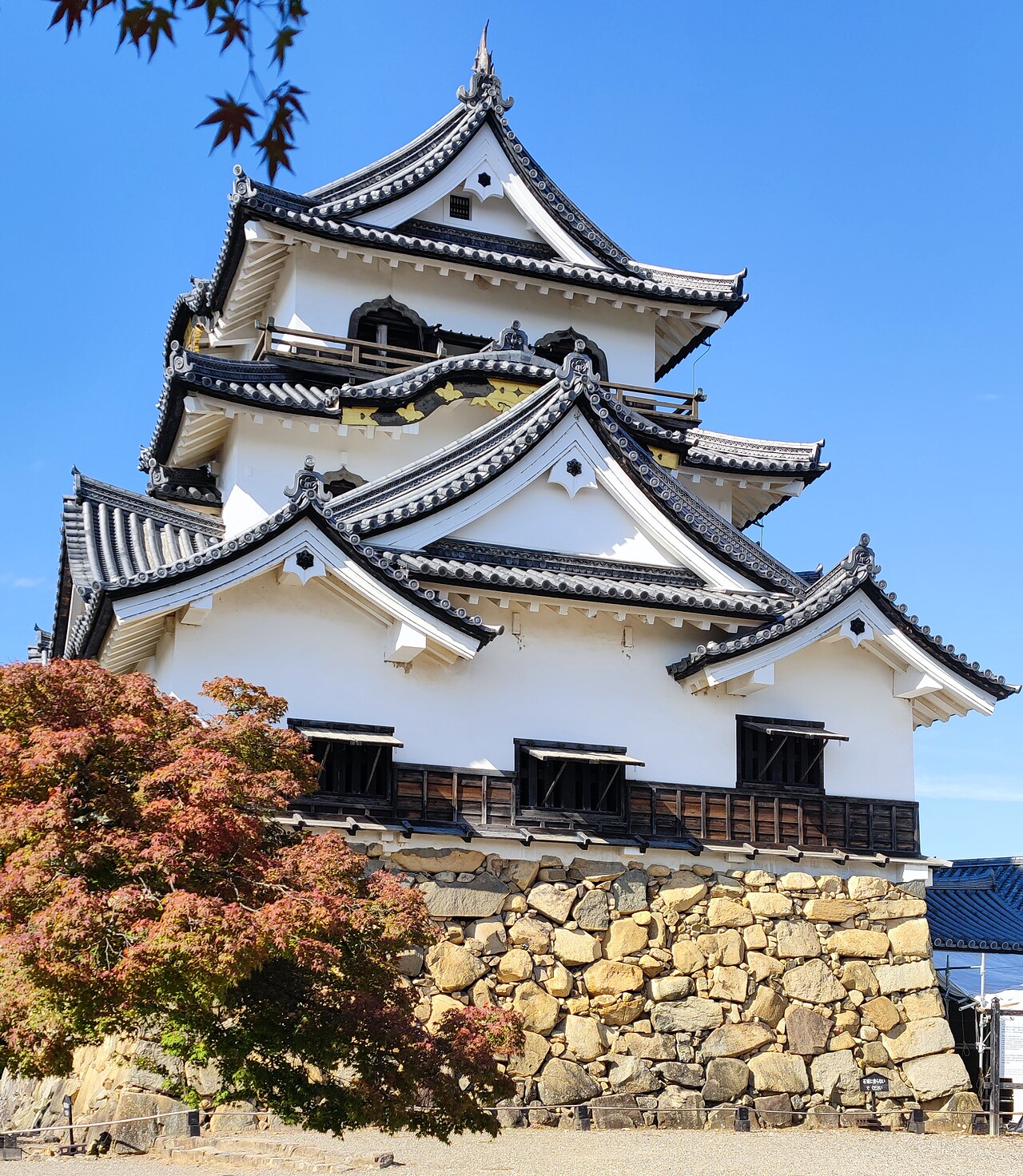
Azuchi Castle marked a revolution in Japanese castle design. Unlike earlier castles, which were often simple fortresses or lookout posts built on mountaintops, Azuchi was a multi-functional complex that combined defense with residential and administrative functions. The castle’s main keep (tenshu) was completed in approximately 3.5 years and stood an impressive seven stories high, making it one of the tallest wooden structures of its time worldwide.
Main keep symbolism and structure
The keep was architecturally and symbolically significant. The fifth floor was designed as an octagonal chamber representing heaven, while the quadrangular sixth floor embodied the philosophical ideas of Taoism and Confucianism. This integration of spiritual symbolism into the castle’s design was unprecedented and reflected Nobunaga’s vision of a new social order and political power.
Castle complex and surrounding structures
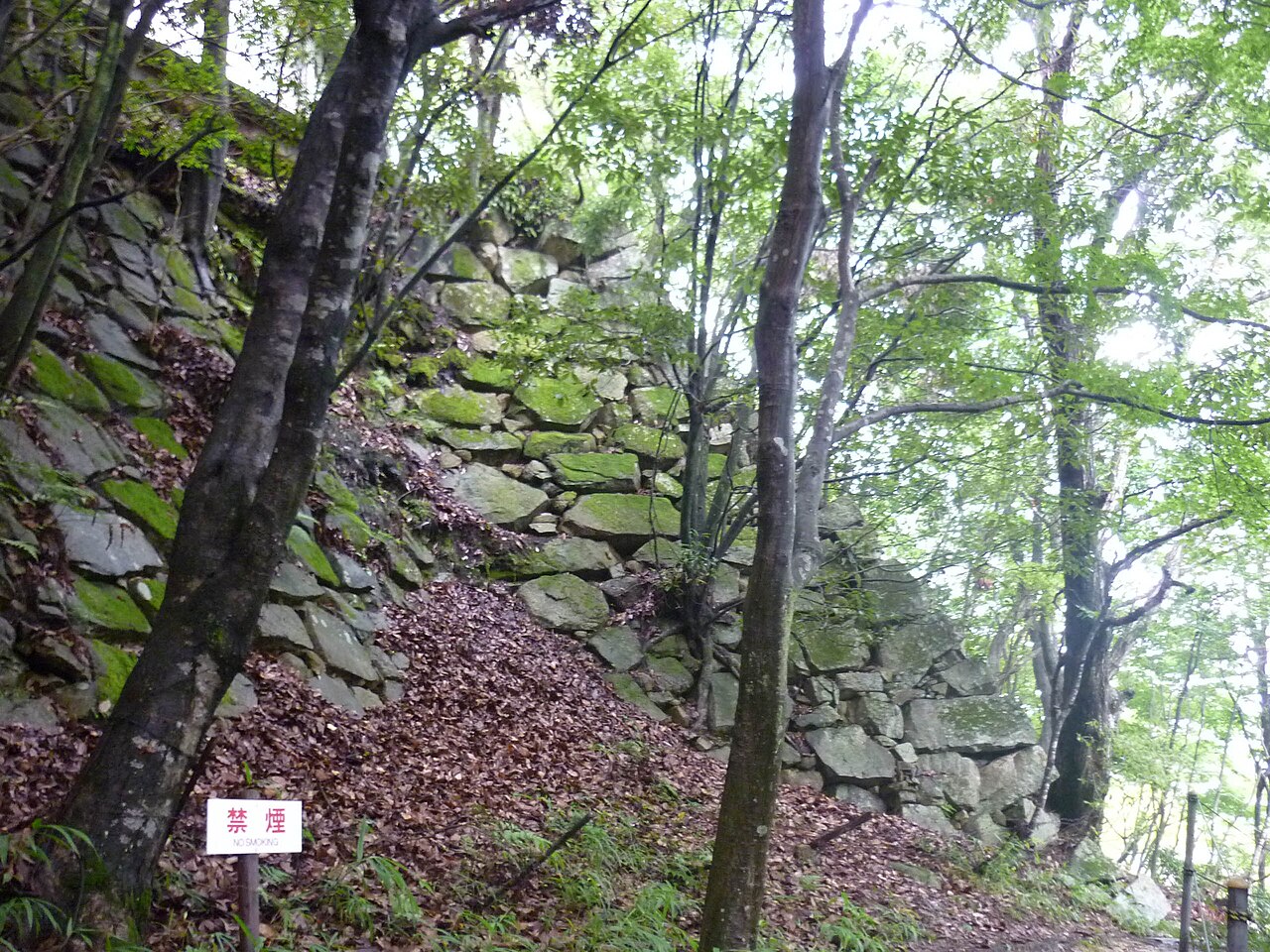
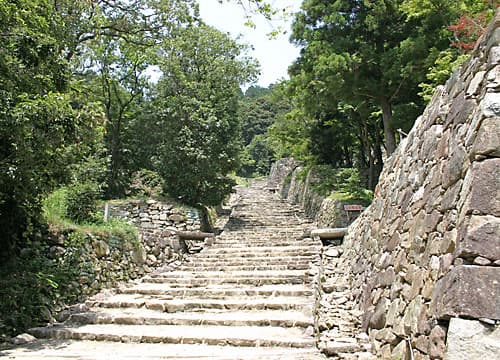
The castle complex included fortified walls, gates, and residences for loyal retainers lining the Ote-michi entrance. These features underscored the castle’s dual role as a military fortress and a daimyo residence. The stone foundations and walls were robustly constructed, setting a new standard for Japanese castles that followed.
Destruction and legacy
The castle’s existence was tragically short-lived. In 1582, after Nobunaga was betrayed and killed by Akechi Mitsuhide at Honnoji Temple, Azuchi Castle became a battleground. Forces loyal to Nobunaga’s second son, Nobukatsu, clashed with Akechi’s men who had seized the castle. During this conflict, Azuchi Castle was set ablaze and destroyed.
Despite its brief lifespan, Azuchi Castle’s architectural innovations profoundly influenced the development of Japanese castles during the late Sengoku and early Edo periods. It pioneered the trend of building grand, multi-storied keeps that served as both military strongholds and luxurious residences for daimyo and their retainers.
Current site and archaeological significance
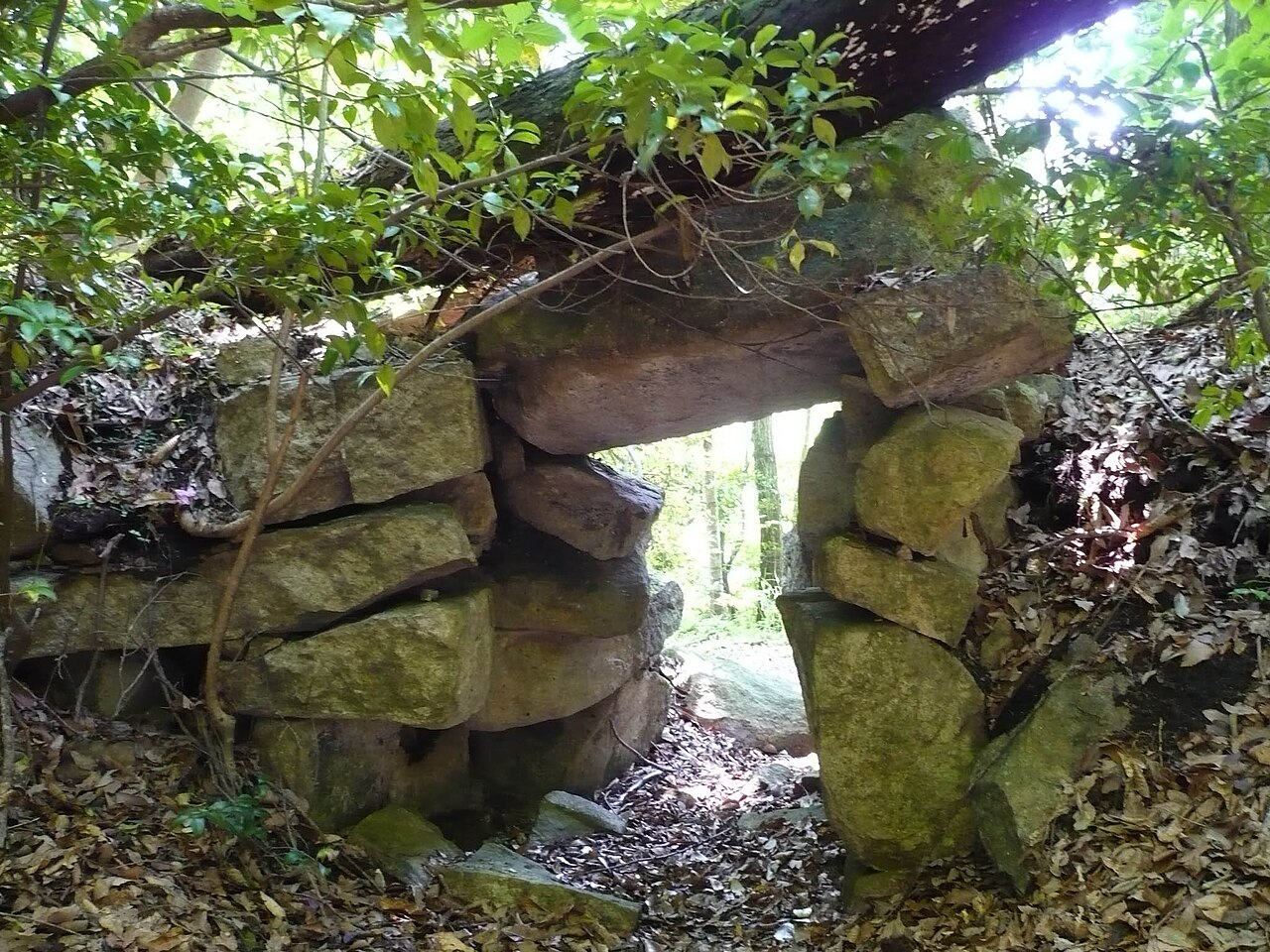
Today, Azuchi Castle exists as well-preserved ruins. Extensive archaeological excavations have uncovered the castle’s foundations and stone walls, revealing the scale and sophistication of the original structure. Since the early 2000s, significant efforts have been made to restore and maintain the site, including rebuilding stonework foundations around the hill’s base.
The site offers visitors a glimpse into the castle’s past grandeur through detailed signage and carefully maintained ruins. While some areas remain inaccessible, ongoing excavations promise to reveal more about this historically and architecturally significant site. Azuchi Castle is regarded as a must-see destination for enthusiasts of Japanese history and castle architecture.
Influence on Japanese castle architecture
Azuchi Castle’s design introduced several key elements that became standard in subsequent castles. Its multi-storied tenshu became a hallmark of Japanese castles, symbolizing the daimyo’s power and prestige. The combination of military, residential, and administrative functions within a single complex set a precedent for castle construction during the early modern period.
The castle’s innovative use of symbolism, scale, and location reflected Nobunaga’s ambition to reshape Japan’s political landscape. Its influence can be seen in famous castles such as Himeji Castle and Matsumoto Castle, which adopted and expanded upon Azuchi’s architectural concepts.
Visiting Azuchi Castle ruins today
Visitors to Azuchi Castle can explore the extensive ruins, including the restored stone walls and foundations. The site provides informative displays that contextualize the castle’s history and architectural significance. The hilltop location offers scenic views of Lake Biwa and the surrounding region, enhancing the visitor experience.
While the castle no longer stands, the ruins serve as a powerful reminder of Nobunaga’s legacy and the transformative period of Japanese history in which Azuchi Castle played a central role. The ongoing preservation efforts ensure that future generations can appreciate this iconic symbol of Japan’s Renaissance castle architecture.
Frequently asked questions (FAQ)
- How do I get to Azuchi Castle ruins?
- Azuchi Castle ruins are accessible by train and bus from Kyoto and Nagoya. The nearest train station is Azuchi Station on the JR Biwako Line, followed by a short walk or local bus ride to the site.
- What is the historical significance of Azuchi Castle?
- Azuchi Castle was built by Oda Nobunaga in 1576 and marked a revolutionary change in Japanese castle design, blending military defense with residential luxury and symbolic architecture.
- Can I explore the entire Azuchi Castle site?
- While much of the castle remains in ruins, the site has been extensively excavated and restored in parts, including stone walls and foundations. Some areas are still inaccessible but ongoing excavations continue to open more sections to visitors.
- When is the best time to visit Azuchi Castle?
- The castle ruins are enjoyable year-round, but spring and autumn offer particularly pleasant weather and scenic views of Lake Biwa and surrounding nature.
- Is there an entrance fee to visit Azuchi Castle ruins?
- Visiting the Azuchi Castle ruins is free of charge, making it an accessible historical site for all visitors.
- What architectural features made Azuchi Castle unique?
- Azuchi Castle featured a seven-story wooden main keep, with floors symbolizing heaven and philosophical concepts, and was one of the tallest wooden structures of its time, pioneering the design of later Japanese castles.

Information
Opening hours
9:00-17:00, daily
Ticket prices
Free
Current owner
Municipality
Website
Visit websiteSources & official resources
Verify the information above using these authoritative references.
Loading map...
Visitor reviews
No reviews yet. Been here? Write the first review and help other travelers!
Write the first reviewVisited this castle? Share your experience
Your review helps other travelers and adds first-hand knowledge to our encyclopedia.