Millen Castle
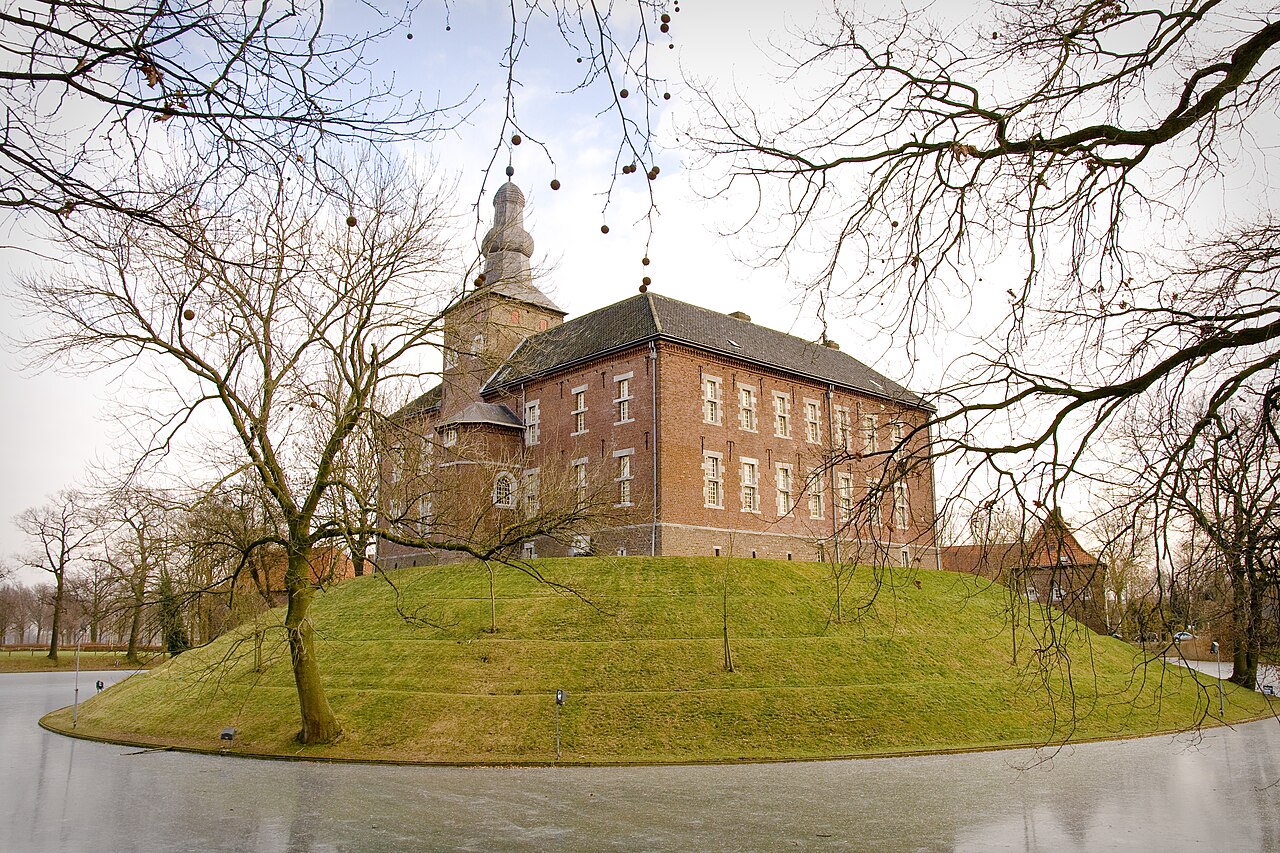
Millen Castle, locally known as Kasteel Millen, is situated near the village of Nieuwstadt in the province of Limburg, Netherlands. The castle is a significant example of a late medieval fortress with remains dating primarily from the 14th century. It stands as an archaeological site revealing the evolution of medieval military architecture in this border region.
The origins and early construction
The site of Millen Castle was originally occupied by a wooden tower house surrounded by a palisade, which was destroyed around 1287. Historical records confirm the existence of a castle on a motte at Millen by 1326. This early fortification laid the groundwork for the stone structures that followed.
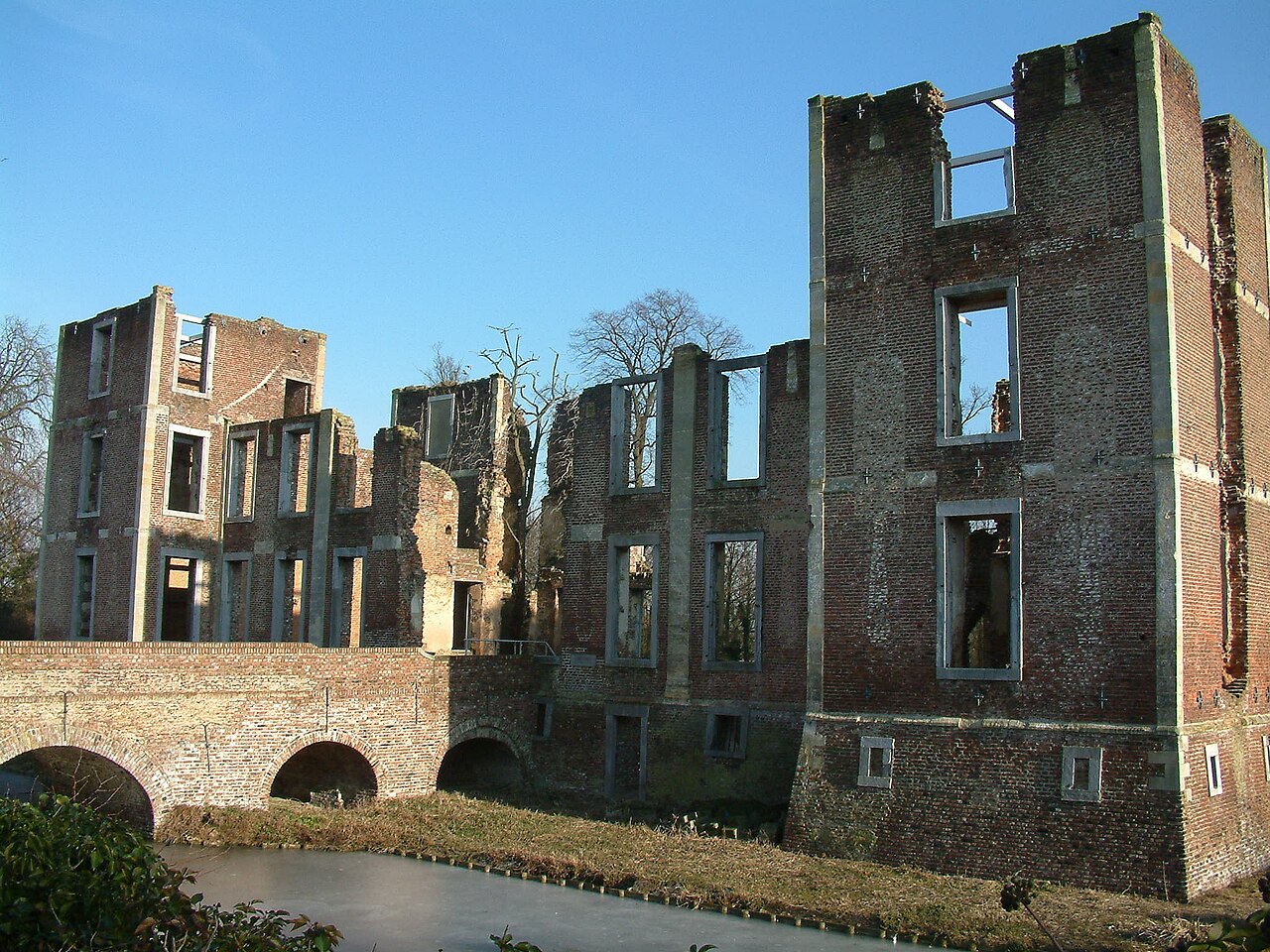
Around 1365, construction began on the stone castle ruins visible today. This phase was initiated by Jan van Meurs under the orders of Eduard, Duke of Guelders. The castle was built on an oval plateau featuring a ring wall that incorporated two prominent towers: a round keep with walls approximately 2.6 meters thick near the gate, and a horseshoe-shaped tower containing a well. The ring wall was equipped with ramparts supported by large arches, providing defensive battlements. The inner courtyard likely extended to the center of the plateau, possibly housing a main building or hall.
Expansion and fortification enhancements
Incorporation into the fortress line and bailey construction
In 1389, Millen Castle became part of the Fortress Line of Brabant, a strategic military network. This integration probably led to significant alterations, including the construction of the oldest kidney-shaped bailey. This bailey featured a gate tower, a drawbridge, and defensive ramparts on its northern side. The bailey was connected to the main castle by a wooden bridge, enhancing access and defense.
Second ring wall and additional defenses
By around 1450, a second oval ring wall was added approximately 5 meters outside the first. This outer wall included ramparts and was reinforced with seven outward projecting square towers, improving the castle's defensive capabilities against artillery and siege warfare. The gate tower of the second bailey, distinguished by its pointed arches, likely dates from this period. This bailey was connected to the main castle with a stone bridge, replacing the earlier wooden structure and providing a more durable and defensible link.
Decline and partial demolition
In 1499, Millen Castle was annexed by the Duchy of Gulik, which resulted in the loss of its military importance. Despite plans for demolition in 1538, the castle was reinforced again in 1566, reflecting ongoing regional conflicts during the period.
By 1650, the castle's military role had ended definitively. Duke Wolfgang Wilhelm von Pfalz-Neuberg authorized its demolition but stipulated that the round keep and a section of wall with a postern gate remain as historical remnants. These preserved elements provide valuable insight into the castle's original defensive architecture.
Later history and current status
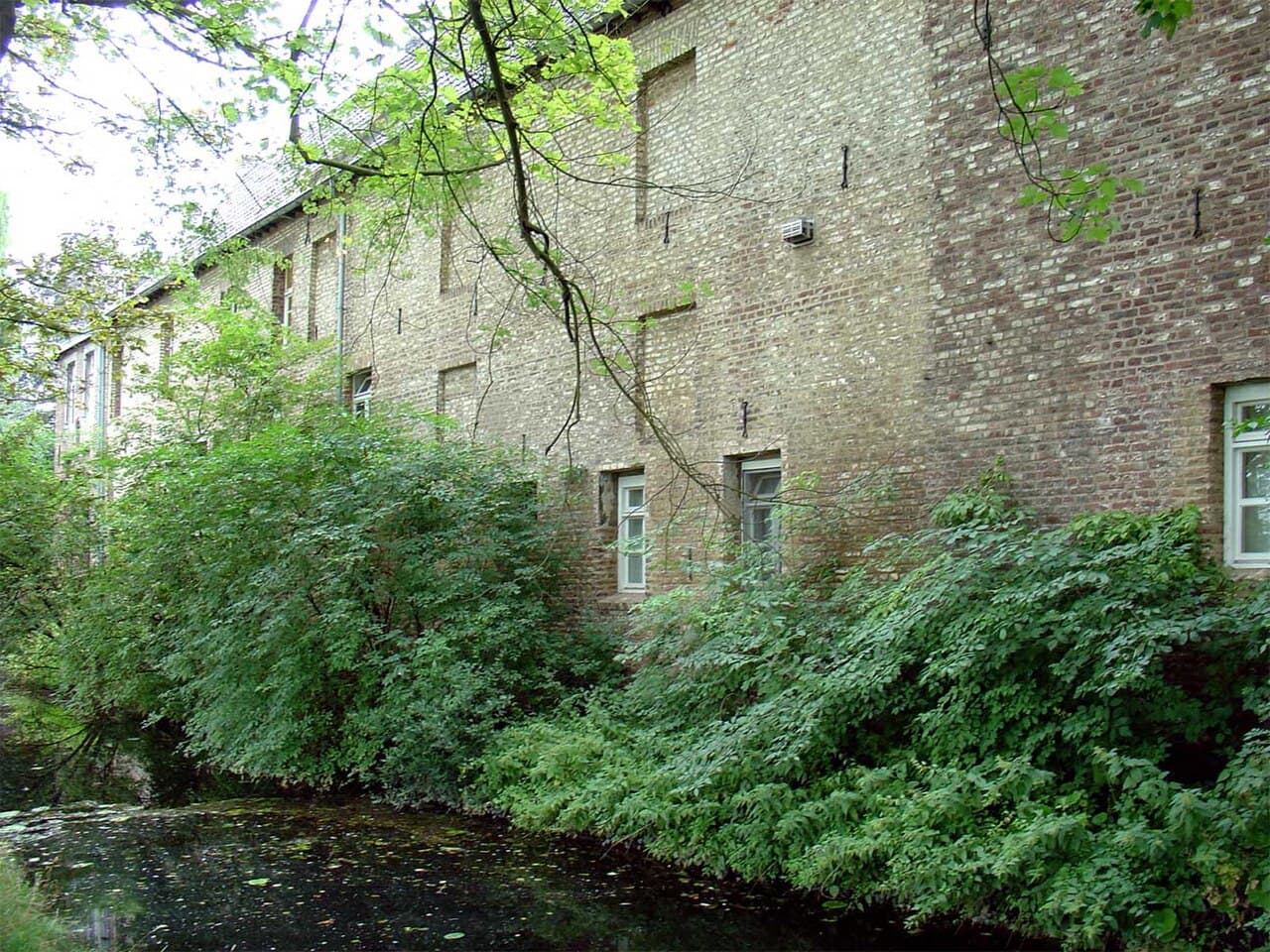
In the early 18th century, around 1700, a new bailey was constructed using materials salvaged from the castle ruins. Following the French occupation, the castle was auctioned publicly in 1803. A border adjustment in 1816 placed Millen Castle within Dutch territory, while the adjacent village of Millen remained in Germany. The international border now lies just about 25 meters from the bailey.
Today, the bailey area is inhabited by several families, integrating the historic site into the modern landscape. The castle remains classified as archaeological ruins, preserving its late medieval character and offering a tangible connection to the region's complex past.
Architectural significance and defensive features
Millen Castle exemplifies the transition from early medieval wooden fortifications to robust stone castles designed for improved defense. The ring walls with their ramparts and multiple towers reflect advances in military architecture responding to evolving siege technologies. The presence of a round keep with thick walls and a horseshoe-shaped tower with a well illustrates the integration of defensive and practical elements within the castle's design.
The successive addition of baileys with fortified gates, drawbridges, and connecting bridges demonstrates the layered defense strategy typical of the period. The shift from wooden to stone bridges between baileys indicates an adaptation to increasing threats and the need for stronger fortifications.
Millen Castle in the regional historical context
Located near the border between the historic territories of Guelders and Brabant, Millen Castle played a strategic role in regional power dynamics. Its inclusion in the Fortress Line of Brabant emphasizes its military importance in controlling movement and defending territory during the late medieval period.
The castle's annexation by the Duchy of Gulik and subsequent decline mirror broader political shifts in the Low Countries. The preservation of parts of the castle after demolition orders reflects a recognition of its historical and cultural value even as its military relevance waned.
Visiting Millen Castle today
As an archaeological site, Millen Castle offers visitors a glimpse into medieval fortification techniques and regional history. The ruins, including the surviving round keep and sections of the ring walls, provide a tangible link to the past. While the bailey is privately inhabited, the castle grounds remain an important cultural landmark in Limburg.
Frequently asked questions (FAQ)
- How do I get to Millen Castle?
- Millen Castle is located near Huis Millen 1 in the Netherlands, easily accessible by car and public transport. If you are traveling by train, the nearest station is a short bus ride away, and parking is available for those driving.
- What is the historical significance of Millen Castle?
- Millen Castle dates back to the 13th century and played a crucial role in the regional defense during medieval times. It has been a witness to many historical events and offers a glimpse into the architectural styles of its era.
- When was Millen Castle built?
- Millen Castle was constructed in the early 1200s, making it one of the oldest castles in the region. Over the centuries, it has undergone various renovations and restorations to preserve its historical integrity.
- Can I visit Millen Castle year-round?
- Yes, Millen Castle is open to visitors throughout the year, although specific opening hours may vary by season. It is advisable to check the official website for the most up-to-date information on visiting times.
- Why is Millen Castle popular among tourists?
- Millen Castle attracts visitors not only for its historical significance but also for its stunning architecture and picturesque surroundings. The castle's rich history and beautiful gardens make it a perfect spot for photography and exploration.
- Is it possible to book guided tours at Millen Castle?
- Yes, guided tours are available at Millen Castle, providing visitors with in-depth insights into its history and architecture. It is recommended to book these tours in advance, especially during peak tourist seasons.
- What are the ticket prices for visiting Millen Castle?
- Ticket prices for Millen Castle are quite reasonable, with discounts available for children and seniors. It is best to check the official website for current pricing and any special offers.
- What are the opening hours for Millen Castle?
- Millen Castle typically opens at 10 AM and closes at 5 PM, but hours may vary on holidays. To ensure a smooth visit, it is wise to confirm the hours prior to your arrival.
- What nearby attractions can I visit while at Millen Castle?
- Visitors to Millen Castle can explore several nearby attractions, including beautiful parks, historical landmarks, and local museums. The surrounding area also offers charming cafes and shops for a complete day of exploration.
Photo gallery

Photo by Gouwenaar•Public domain
Information
Loading map...
Visitor reviews
No reviews yet. Been here? Write the first review and help other travelers!
Write the first reviewVisited this castle? Share your experience
Your review helps other travelers and adds first-hand knowledge to our encyclopedia.