Limbricht Castle
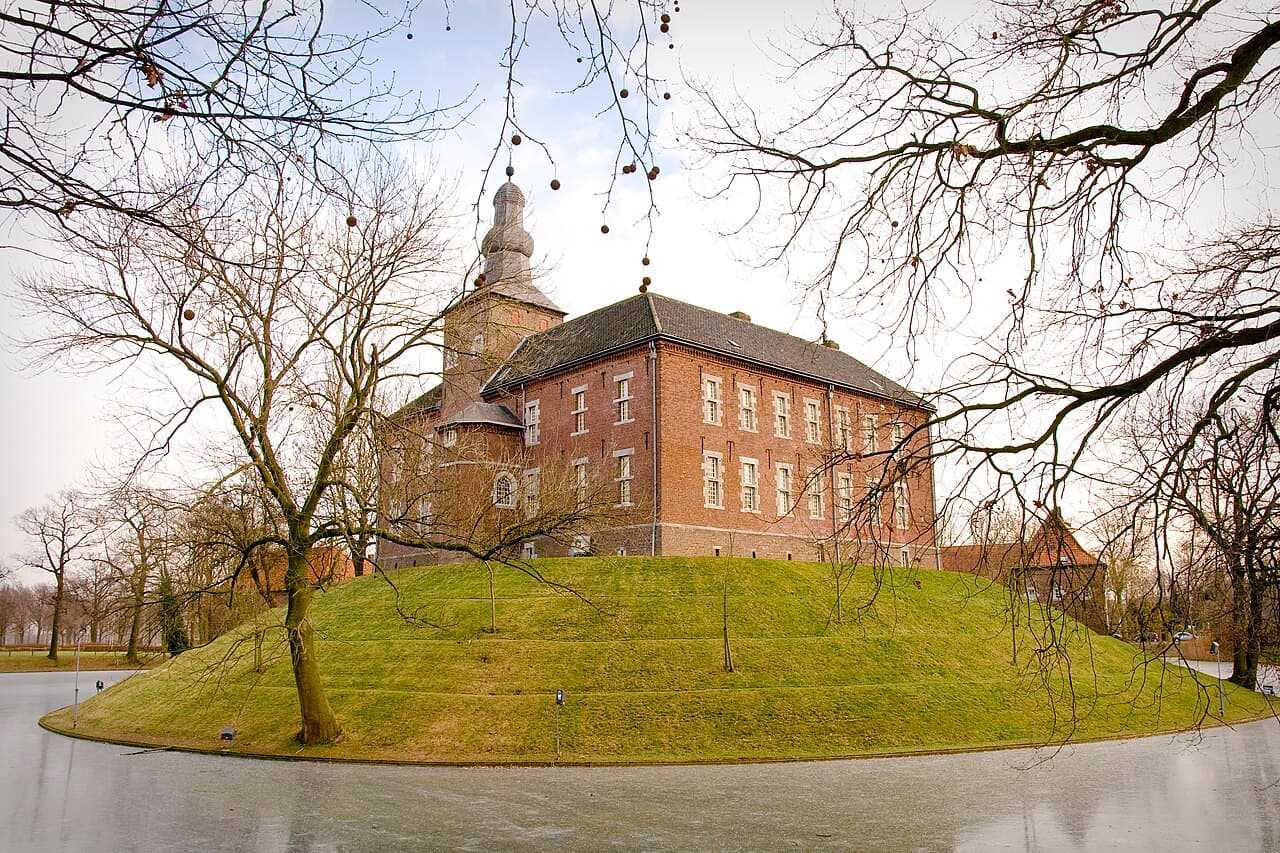
Limbricht Castle is a significant hill castle located in Limbricht, Netherlands. Its origins trace back to the 10th century when it began as a motte castle featuring a wooden tower. This early medieval fortification served as a defensive stronghold typical of the period, constructed on an artificial mound to provide a strategic vantage point over the surrounding landscape.
Medieval origins and architectural evolution
By around 1250, the castle underwent a major transformation with the replacement of wooden structures by stone buildings. This shift marked its evolution into a more permanent and formidable fortress. The stone construction provided enhanced defense capabilities and longevity, characteristic of high medieval castle architecture in the region. The castle's layout from this period likely included a keep or donjon, curtain walls, and defensive towers, though much of the original medieval fabric has been altered or replaced over time.
Renaissance rebuilding and style
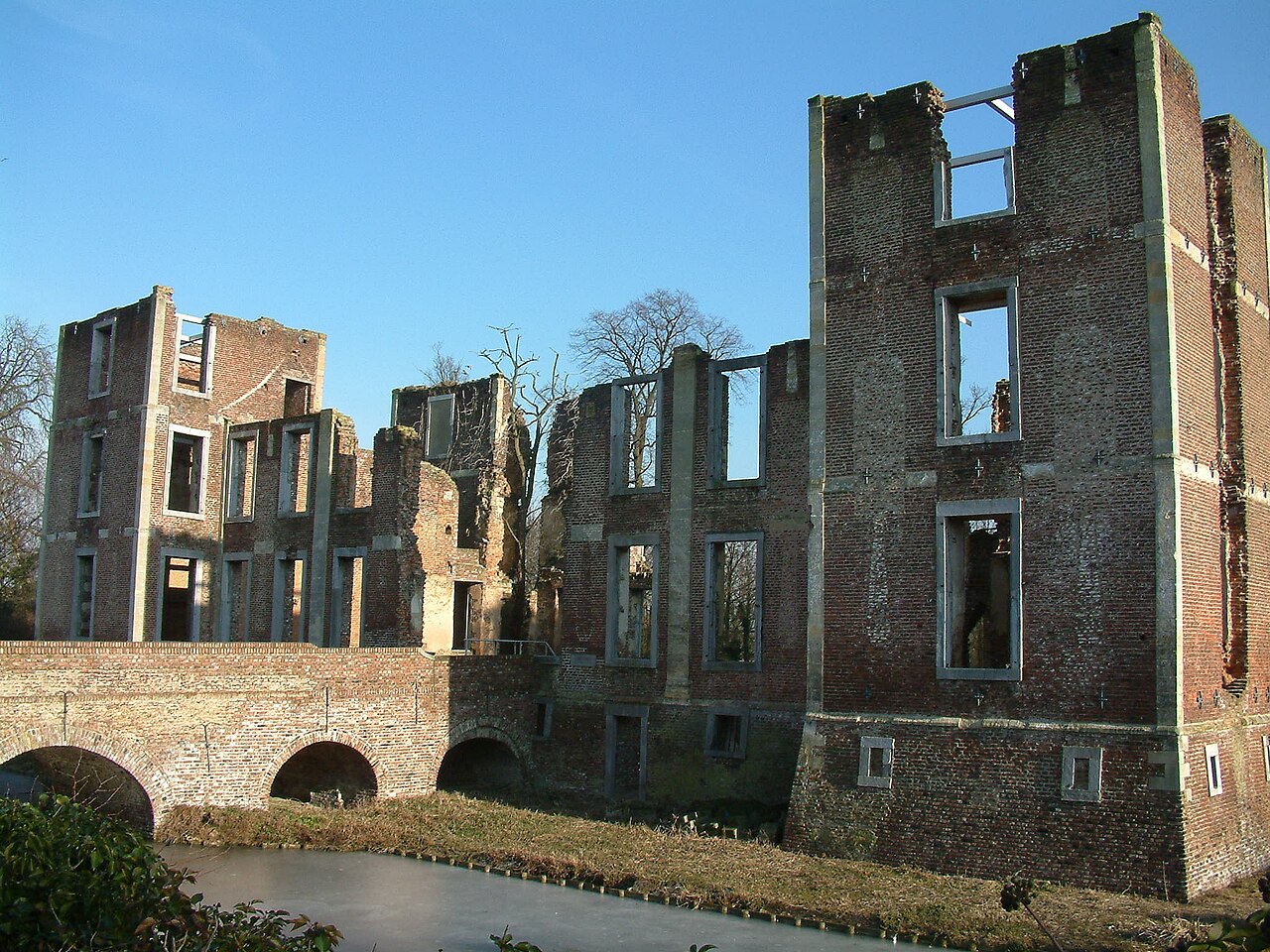
The current visible form of Limbricht Castle mainly dates from the early 1600s, reflecting the Maasland Renaissance style. This architectural style is noted for blending traditional medieval fortress elements with Renaissance aesthetics, such as more ornate gables, larger windows, and decorative stonework. The castle's Renaissance features include symmetrical façades and refined masonry that contrast with its earlier defensive origins.
Structural features
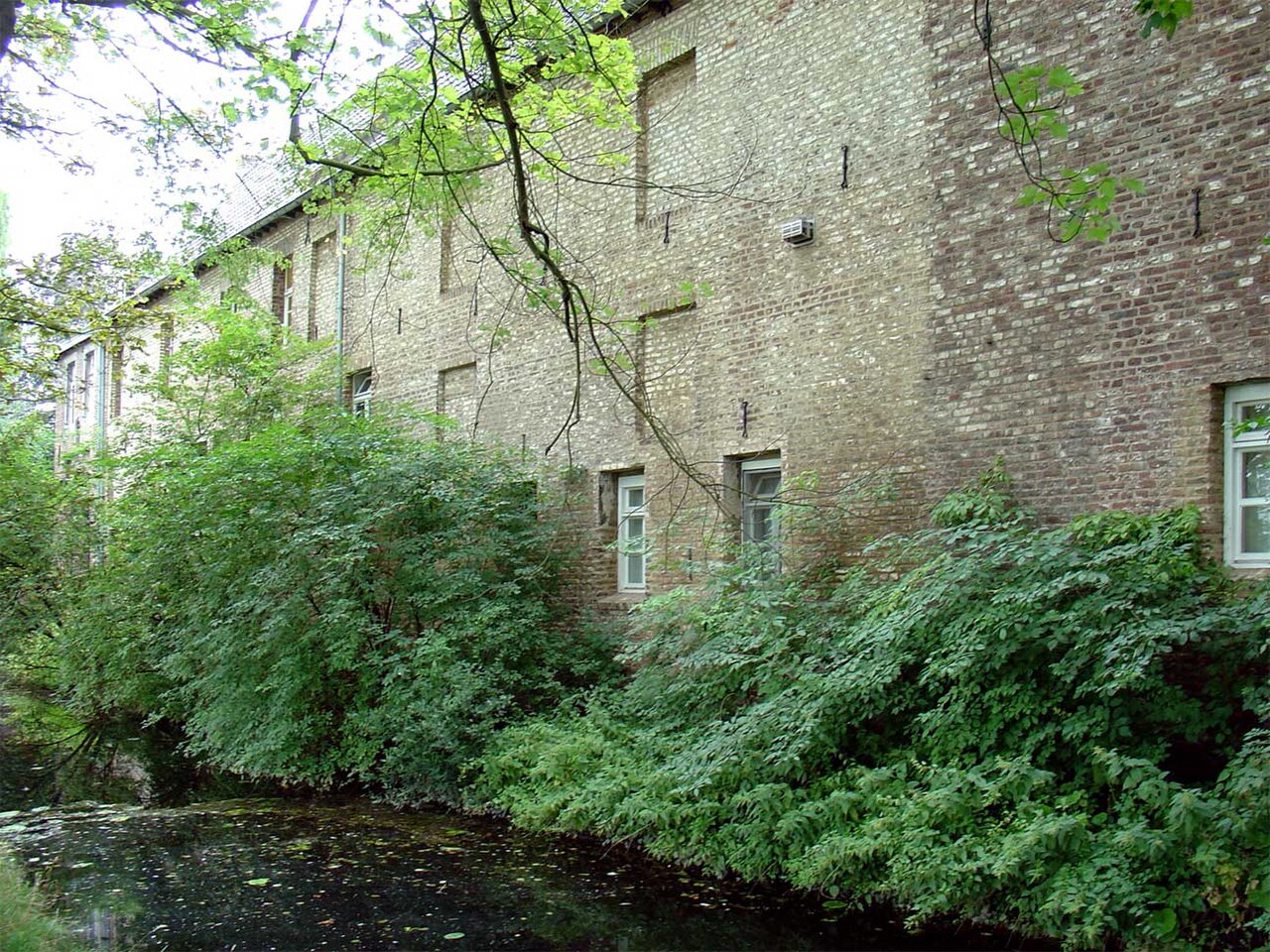
The castle retains a compact, rectangular plan typical of the period, with a surrounding moat that emphasizes its defensive past. The stone walls are punctuated by evenly spaced windows and topped with steeply pitched roofs. The integration of Renaissance design elements did not compromise the castle’s defensive capabilities but added a residential and representational function to the building.
Historical significance and events
Limbricht Castle has witnessed several pivotal historical events. During the Eighty Years’ War, in 1579, the castle was looted by the army of the Duke of Parma, reflecting the turbulent military conflicts in the Low Countries during the struggle for independence from Spanish rule.
In the Napoleonic Wars (1813–1814), the castle was repurposed as a military hospital, illustrating its continued strategic importance even as its military role evolved. Later, during World War I, it served as an internment camp for German prisoners-of-war, marking its adaptation to 20th-century conflicts.
Preservation and current status
Today, Limbricht Castle is recognized for its historical and architectural value. It is well preserved and retains key elements from both its medieval and Renaissance phases. The castle is a protected heritage site and contributes to the cultural landscape of the Limburg province. Its enduring presence offers insights into the region’s feudal past, Renaissance architectural trends, and military history.
Visiting and accessibility
The castle is located in the town of Limbricht, within the Limburg region of the Netherlands. While it is primarily a private property, it occasionally opens for public tours and cultural events, allowing visitors to explore its historic interiors and grounds. The surrounding landscape and moat add to the picturesque setting, making it a notable destination for enthusiasts of medieval and Renaissance architecture.
Frequently asked questions (FAQ)
- What is the history of Limbricht Castle?
- Limbricht Castle dates back to the 13th century and has a rich history as a defensive fortress. It has undergone various renovations and restorations over the centuries, showcasing different architectural styles that reflect its historical significance in the region.
- When is the best time to visit Limbricht Castle?
- The best time to visit Limbricht Castle is during the spring and early autumn months when the weather is mild and the surrounding gardens are in full bloom. Additionally, special events and guided tours are often scheduled during these seasons, providing a more enriching experience.
- What are the opening hours for Limbricht Castle?
- Limbricht Castle is generally open to visitors from Tuesday to Sunday, with varying hours depending on the season. It is advisable to check the official website for the most up-to-date information regarding specific opening times and any holiday closures.
- Can I access Limbricht Castle with a wheelchair?
- Yes, Limbricht Castle strives to be accessible to all visitors. There are designated pathways and ramps to assist those with mobility challenges, although some areas may still have limited access due to the castle's historical architecture.
- Is it possible to take guided tours of Limbricht Castle?
- Yes, guided tours of Limbricht Castle are available and provide an in-depth look at its history and architecture. These tours are typically led by knowledgeable guides who can share fascinating stories and insights about the castle's past and its significance in the region.
- What are the ticket prices for Limbricht Castle?
- Ticket prices for Limbricht Castle vary depending on the type of tour and any special events. Generally, adult tickets are reasonably priced, with discounts available for children, students, and seniors, making it an affordable outing for families.
- Are there any nearby attractions to visit?
- Yes, there are several nearby attractions to explore, including beautiful parks, local museums, and charming villages. Visitors can enjoy the scenic countryside and immerse themselves in the rich culture of the Limburg region.

Information
Loading map...
Visitor reviews
No reviews yet. Been here? Write the first review and help other travelers!
Write the first reviewVisited this castle? Share your experience
Your review helps other travelers and adds first-hand knowledge to our encyclopedia.