Midmar Castle
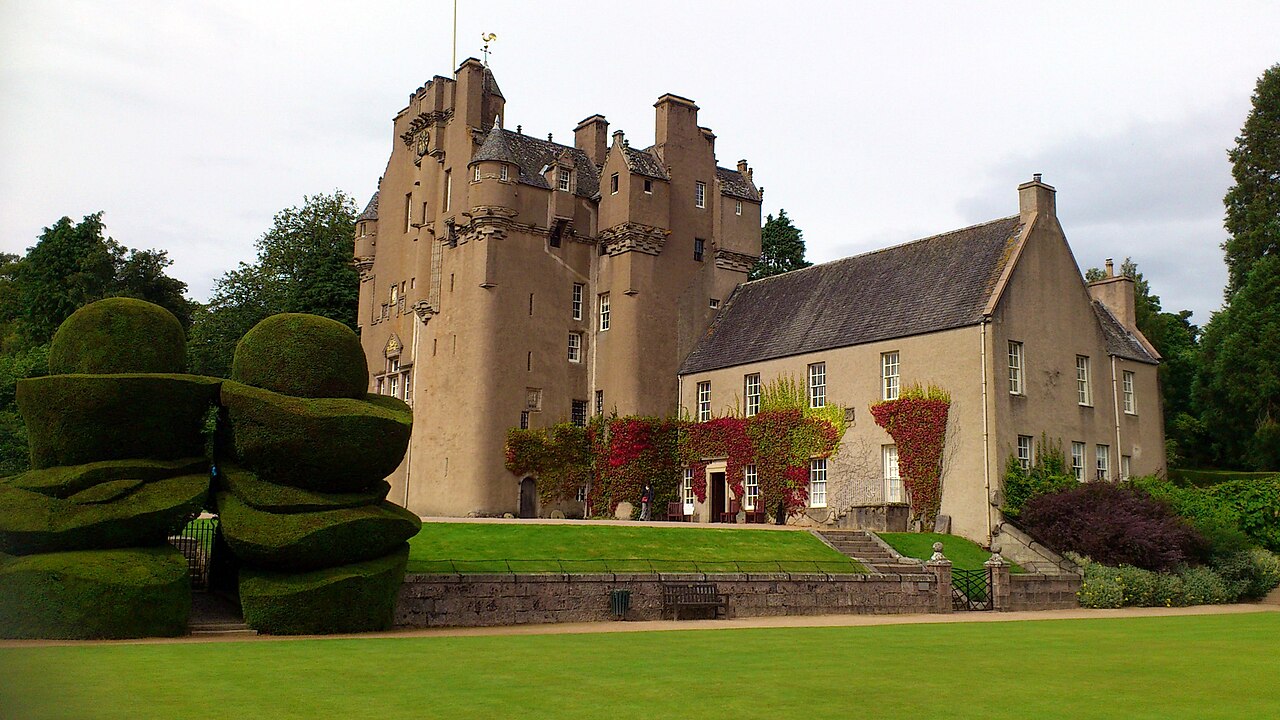
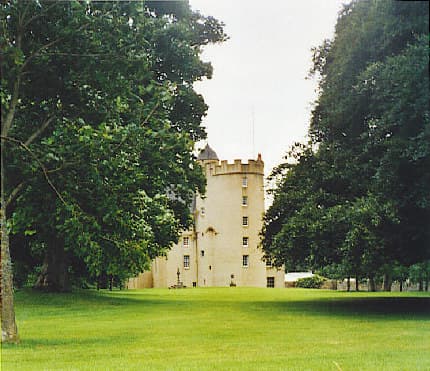
Midmar Castle stands as a significant example of a Scottish tower house located near Inverurie in Aberdeenshire, Scotland. Originally established in the 16th century, the castle has a rich history intertwined with the noble Gordon family and the turbulent political landscape of Scotland during the late medieval and early modern periods. Its strategic location in Aberdeenshire, a region known for noble activity and conflict, made it a site of military and architectural importance.
Early history and destruction of the original tower
The earliest fortified structure on the site was a medieval stone tower owned by the influential Gordon family. This original tower was destroyed in 1562 during a military campaign led by Mary, Queen of Scots. The campaign targeted George Gordon, the 4th Earl of Huntly, following his rebellious actions against the crown. After his defeat at the Battle of Corrichie and subsequent death, his lands were confiscated but later restored to his heir in 1565. This heir, George Gordon of Midmar and Abergeldie, initiated the construction of a new castle between 1565 and 1575 to replace the destroyed tower.
Construction and architectural features of the 16th-century castle
The current Midmar Castle was built on the footprint of the earlier medieval tower under the supervision of master mason and architect George Bell. Combining defensive capabilities with domestic comfort, the castle reflects the architectural transition of the period. It features robust stone walls, typical of Scottish tower houses, designed to withstand sieges while providing a residence suitable for a noble family. The castle's layout includes multiple floors with fortified chambers, battlements, and narrow windows serving both as defense and light sources.
Defensive and domestic elements
The castle's defensive elements include thick stone walls and battlements, while its domestic features are evident in the spacious halls and living quarters designed for comfort. The integration of these elements demonstrates the dual purpose of such structures during the late medieval period, balancing security with the needs of noble life.
Conflicts and renovations in the 17th and 18th centuries
Midmar Castle suffered damage during the Battle of Glenlivet in 1594, a significant conflict between Catholic and Protestant forces in Scotland. Despite this, the castle remained an important noble residence. In 1728, the estate was acquired by Alexander Grant, who renamed it Grantsfield Castle. Between 1730 and subsequent years, the castle underwent substantial renovations that shaped much of its current interior appearance. These renovations modernized the living spaces while respecting the castle's historic character. Additional maintenance was carried out in 1840 to preserve the structure.
18th-century interior remodeling
The remodeling during the 18th century introduced elements typical of the period, such as refined woodwork, updated fireplaces, and improved room layouts. These changes enhanced the castle's habitability without compromising its historic fabric, allowing it to remain a prestigious residence.
20th-century abandonment and restoration efforts
After 1842, Midmar Castle was unoccupied for over a century. Despite this, the castle was carefully maintained, particularly the interiors from the 18th-century remodel, which survived intact. Restoration work began in 1977, reviving the castle as a private home. In 2011, the property was sold to Tom Cross, former CEO of Dana Petroleum, underscoring its continuing status as a valued historic residence.
Architectural significance and garden features
Midmar Castle is officially recognized as a Category A listed building, highlighting its exceptional architectural and historic value in Scotland. The castle is surrounded by a walled garden likely dating from the 16th or 17th century, which also holds a Category A listing. This garden includes distinctive features such as bee boles—stone niches used historically to house beehives—and an 18th-century sundial, reflecting the estate's agricultural and domestic heritage.
Bee boles and sundial
The bee boles are a rare and well-preserved feature, illustrating traditional beekeeping practices before modern apiaries. The sundial within the garden offers insight into historical timekeeping methods and complements the garden's early landscape design.
Current condition and private use
Today, Midmar Castle balances preservation with private residential use. Its combination of 16th-century construction and later modifications creates a layered historical fabric visible throughout the building and grounds. The castle's stone structures, garden features, and well-maintained interiors provide a tangible connection to its long and storied past.
Visitors and historians alike value Midmar Castle for its architectural integrity, historical associations with the Gordon family, and its embodiment of Scottish noble life from the late medieval period through the 18th century. Its preservation ensures that this heritage continues to be appreciated for generations to come.
Frequently asked questions (FAQ)
- How do I visit Midmar Castle?
- Midmar Castle is a private residence and not generally open to the public. Visitors can view the exterior from public roads nearby and explore the surrounding countryside.
- What is the historical significance of Midmar Castle?
- Midmar Castle is significant for its association with the Gordon family and its role in Scottish conflicts such as the Battle of Corrichie and the Battle of Glenlivet. It exemplifies the Scottish tower house architecture of the late medieval period.
- When was Midmar Castle built?
- The current Midmar Castle was constructed between 1565 and 1575, replacing an earlier medieval tower destroyed in 1562.
- Can I visit the gardens of Midmar Castle?
- The walled gardens are part of the private estate and not generally open to the public. However, their historical features like bee boles and an 18th-century sundial are notable elements of the property.
- Why is Midmar Castle listed as a Category A building?
- Midmar Castle is listed as Category A due to its exceptional architectural and historic value, including its well-preserved 16th-century tower house structure and significant 18th-century interior renovations.
Photo gallery

Information
Current owner
Private owner
Loading map...
Visitor reviews
No reviews yet. Been here? Write the first review and help other travelers!
Write the first reviewVisited this castle? Share your experience
Your review helps other travelers and adds first-hand knowledge to our encyclopedia.