Cluny Castle
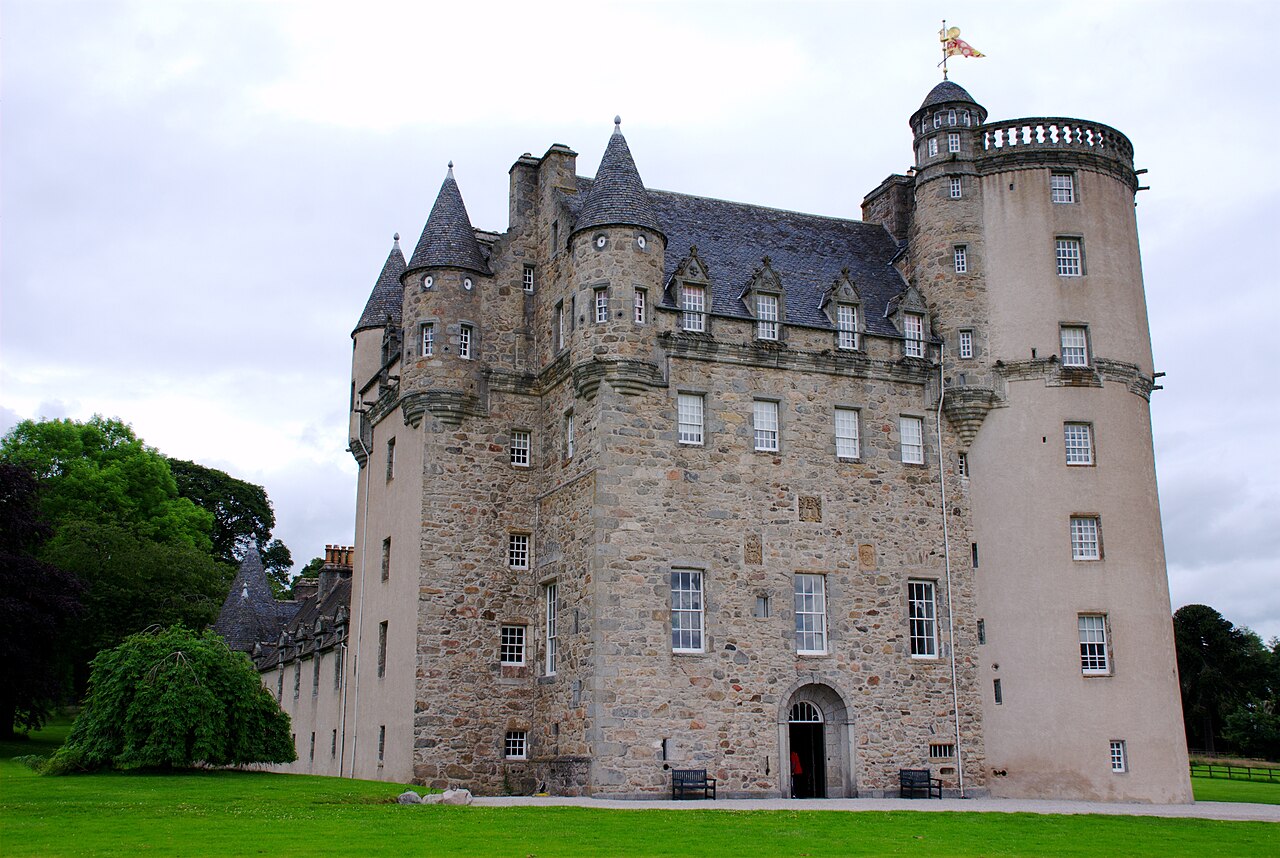
Cluny Castle, located near the village of Cluny in Aberdeenshire, Scotland, is a notable example of a Renaissance era Z-plan castle constructed circa 1604. Commissioned by Sir Thomas Gordon, the castle replaced an earlier structure, possibly a house or a small peel tower, reflecting the architectural transition from medieval fortifications to more comfortable noble residences with defensive features.
Architectural design and features
The castle's Z-plan layout is characterized by a central rectangular block with towers at diagonally opposite corners, a design that provided enhanced defensive capabilities while allowing for elegant living quarters. This plan was a popular Scottish castle design in the late 16th and early 17th centuries, combining functionality with the Renaissance aesthetic. The original structure included thick stone walls, narrow windows for defense, and a vaulted basement typical of the period.
In 1820, under the ownership of Colonel John Gordon, extensive additions were made to Cluny Castle by the prominent architect John Smith. Smith, known as the "Aberdeen architect," incorporated elements that blended the original Renaissance style with early 19th-century tastes, enhancing the castle's grandeur and livability. These additions included new wings and interior modifications that reflected the evolving needs of aristocratic life.
Destruction and restoration
In 1926, a significant fire destroyed two wings of the castle and the adjoining private chapel. The damage was substantial but was carefully restored, preserving the castle's historic character. The restoration efforts ensured the survival of Cluny Castle's architectural integrity and its continued use as a residence and event venue.
Historical significance and ownership
Cluny Castle has a rich history closely tied to the Gordon family, with ownership passing through three separate branches over the centuries. The Gordons were influential in Scottish history, and the castle served as a refuge for Jacobite rebels during the mid-18th century uprisings. This connection highlights the castle's role not only as a noble residence but also as a strategic stronghold during turbulent times in Scotland.
Jacobite associations
During the Jacobite risings, Cluny Castle provided shelter to supporters of the Stuart claim to the British throne. This association adds a layer of political and cultural importance to the site, linking it to the broader narrative of Scottish resistance and identity in the 18th century.
Current status and cultural role
Today, Cluny Castle remains privately owned by the Baron of Cluny. The owner has undertaken extensive renovations, employing skilled craftsmen to maintain and enhance the castle's historic features. Although the castle is not open to the general public, it hosts corporate events and weddings in its restored private chapel, allowing limited access to its impressive interiors and grounds.
The castle is recognized as a Category A listed building, denoting its national architectural and historic importance. Additionally, the castle's grounds are included on the Inventory of Gardens and Designed Landscapes in Scotland, reflecting the significance of its surrounding parkland and gardens.
Film and media presence
Cluny Castle has also been used as a setting for film productions, capitalizing on its authentic historic atmosphere and well-preserved architecture. This exposure has contributed to its cultural footprint beyond the local region.
Gardens and landscape
The castle's grounds are notable for their inclusion in the Inventory of Gardens and Designed Landscapes in Scotland, which catalogs sites of national significance. The designed landscape complements the castle's architecture, featuring traditional elements such as formal gardens, woodland areas, and possibly remnants of historic parkland layouts that enhance the estate's aesthetic and historical value.
Frequently asked questions (FAQ)
- What is the historical significance of Cluny Castle?
- Cluny Castle, located in Cluny, United Kingdom, is a remarkable example of medieval architecture and played a vital role in the history of monasticism. Established in the 10th century, it was once the center of the Cluniac Reforms, which aimed to restore the Benedictine monastic order's original principles. The castle's influence extended across Europe, impacting the development of monastic life and architecture.
- When was Cluny Castle built?
- Cluny Castle was initially founded in 910 AD, making it one of the oldest and most historically significant castles in the region. Over the centuries, it underwent various renovations and expansions, reflecting the architectural styles of different eras. The castle's enduring presence showcases its importance throughout medieval history.
- What are the opening hours for Cluny Castle?
- Cluny Castle is open to visitors year-round, although opening hours may vary by season. Generally, the castle opens at 9 AM and closes at 5 PM, with extended hours during peak tourist season. It is advisable to check the official website for any updates or special events that may affect visiting times.
- Can I take a guided tour of Cluny Castle?
- Yes, guided tours are available at Cluny Castle, offering visitors in-depth insights into its history and architecture. Knowledgeable guides lead the tours, highlighting significant features and stories associated with the castle. Booking in advance is recommended, especially during busy seasons.
- Is Cluny Castle accessible for visitors with disabilities?
- Cluny Castle strives to be accessible for all visitors, with facilities in place to assist those with mobility challenges. Ramps and designated pathways are available to help navigate the grounds, although some areas may be more challenging due to historical preservation. It's best to contact the castle's visitor services in advance for specific accessibility inquiries.
- What is the best time to visit Cluny Castle?
- The best time to visit Cluny Castle is during the late spring and early autumn months when the weather is mild and the gardens are in bloom. Summer months can be quite busy with tourists, while winter may see limited access due to weather conditions. Planning your visit during weekdays can also help avoid crowds.
- What are the ticket prices for Cluny Castle?
- Ticket prices for Cluny Castle vary based on age and group rates, with discounts available for students and seniors. Adult tickets typically range from £8 to £10, while children under 12 can enter for free. Special family and group packages may also be offered, providing great value for larger parties.
- Are there any nearby attractions to visit while at Cluny Castle?
- Yes, several attractions are located near Cluny Castle, including the picturesque Cluny Abbey and the charming town center filled with shops and cafes. Visitors can also explore beautiful walking trails and parks in the surrounding area. These sites complement the castle experience and make for a delightful day of exploration.
Information
Website
Visit websiteSources & official resources
Verify the information above using these authoritative references.
Loading map...
Visitor reviews
No reviews yet. Been here? Write the first review and help other travelers!
Write the first reviewVisited this castle? Share your experience
Your review helps other travelers and adds first-hand knowledge to our encyclopedia.