Crathes Castle
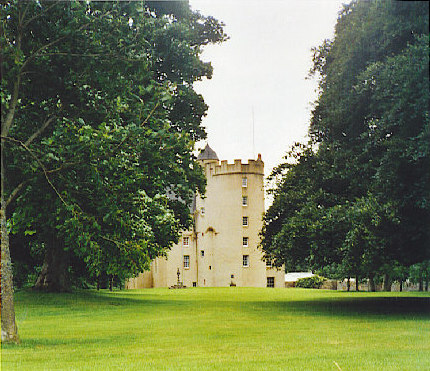
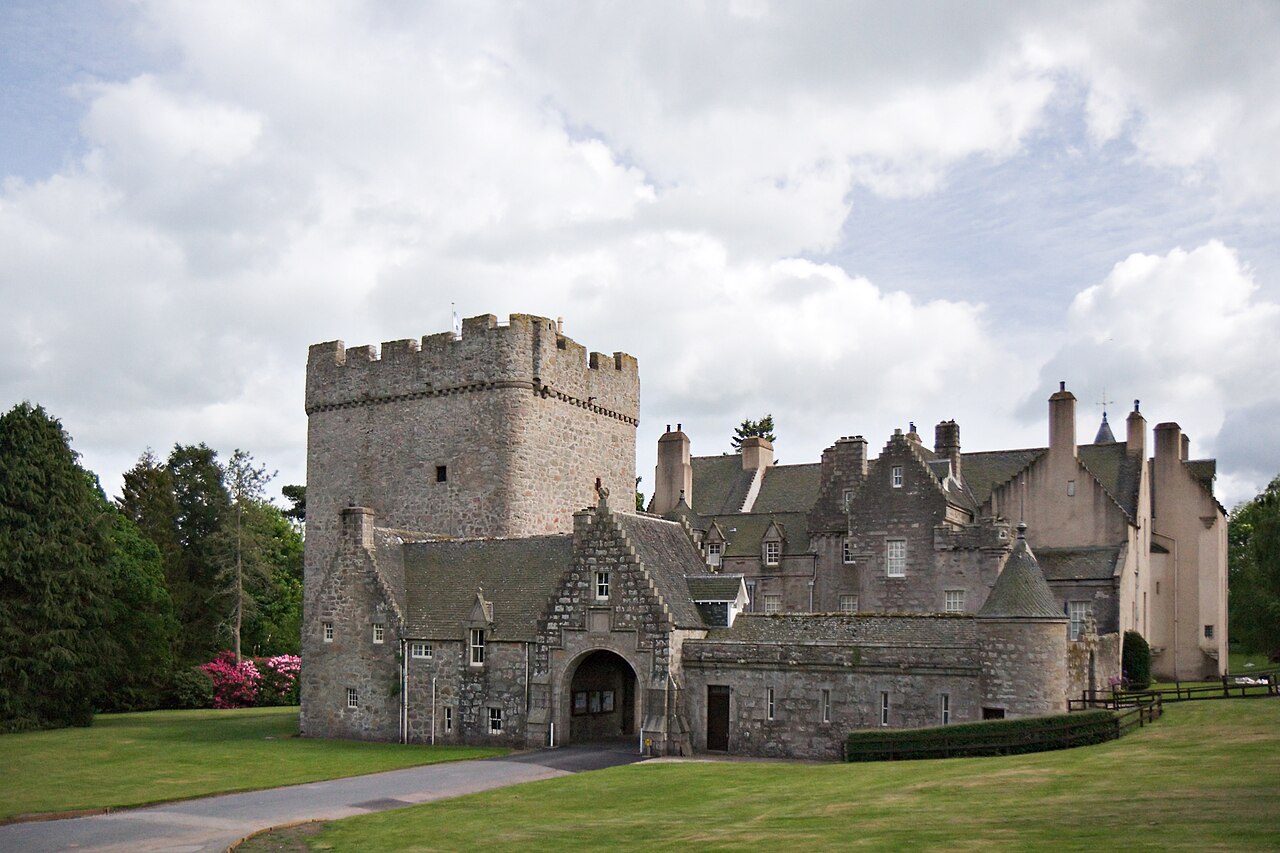
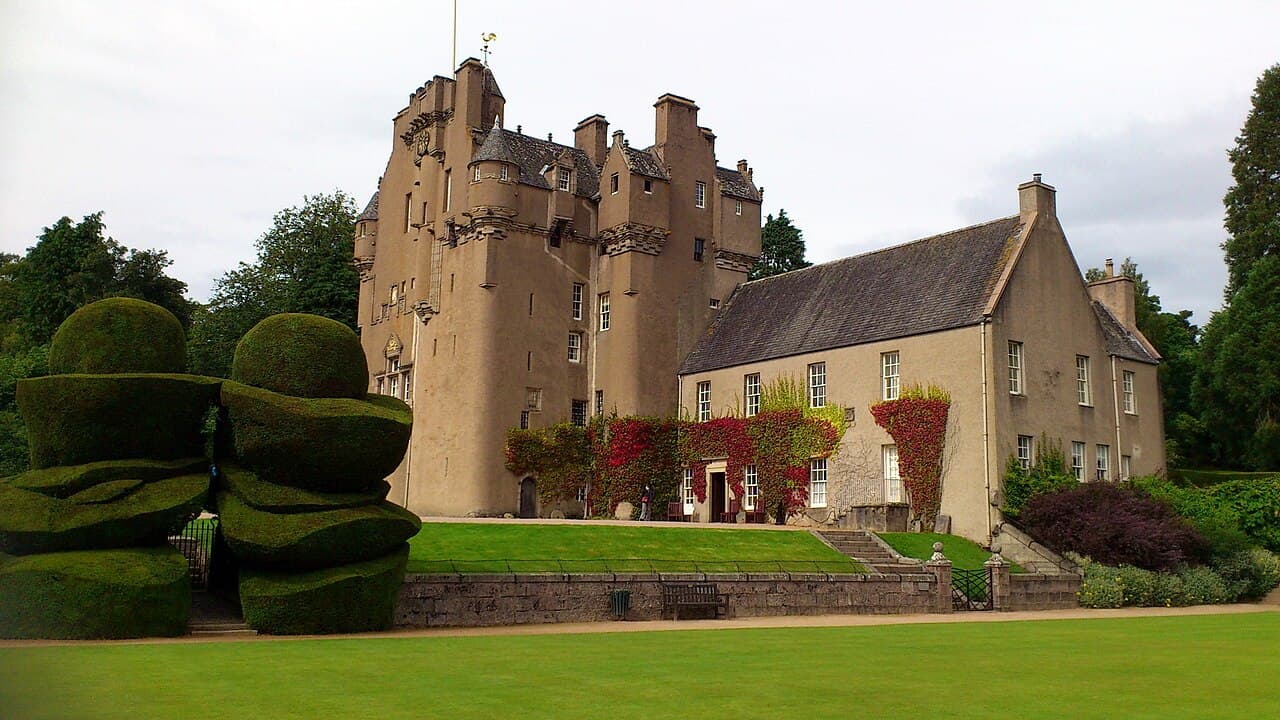
Crathes Castle is a remarkable example of a 16th-century Scottish Renaissance tower house located near Banchory in Aberdeenshire, Scotland. Constructed by the Burnett family of Leys, who held the estate for nearly five centuries, the castle stands as a testament to the architectural and cultural history of the region. Today, it is owned and managed by the National Trust for Scotland and is open to the public, offering visitors a rich glimpse into Scotland's noble past.
Historical background and the burnett family legacy
The Burnett family first received the land where Crathes Castle now stands in 1323, granted by King Robert the Bruce. This royal connection laid the foundation for the family's enduring influence in Aberdeenshire. Before the stone castle, the Burnetts established a wooden fortress on a crannog, an artificial island in a nearby bog, dating back to the 14th and 15th centuries. This earlier defensive structure highlights the strategic importance of the site long before the current castle was built.
The construction of the existing stone castle began in 1553 under the direction of the Burnetts but faced interruptions due to the political turmoil during the reign of Mary, Queen of Scots. It was finally completed in 1596 by Alexander Burnett of Leys. The castle remained the family seat for almost 400 years, witnessing numerous historical events and architectural modifications reflecting changing tastes and needs.
Architectural features and style
Crathes Castle is designed as a harled (rendered) stone tower house with an L-shaped plan, a common layout for Scottish tower houses of the period. The castle's architecture shows clear influences from French châteaux, particularly visible in its decorative turrets and gargoyles, which add to its distinctive silhouette and charm.
In the 18th century, an additional wing was added, reflecting the evolving architectural styles and the needs of the Burnett family. The castle underwent significant renovations in the 19th century, including the 1877 refurbishment of the Great Hall by Sir Robert Burnett, who introduced oak paneling and gilded leather finishes to evoke a medieval atmosphere. This blend of Renaissance and later stylistic elements creates a layered architectural narrative within the castle.
Interior decoration and notable rooms
One of the castle's most celebrated features is its collection of original Scottish Renaissance painted ceilings, discovered hidden under Georgian plaster in 1913 and restored to their former glory. These ceilings adorn several Jacobean-style rooms, such as the Chamber of the Muses and the Chamber of Nine Worthies, showcasing intricate designs and vibrant colors that exemplify Renaissance artistry in Scotland.
The Great Hall contains numerous family portraits and prominently displays the Horn of Leys, an ivory and jewel-inlaid horn presented by King Robert the Bruce in 1323. This horn became a symbol of the Burnett family and is featured throughout the castle in carvings and painted motifs, reinforcing the family's historical identity.
Original 16th-century furniture pieces, including a carved bed and a pair of caquetoire chairs dated 1597, remain in the castle. These chairs bear the Burnett family initials and heraldic symbols, providing an authentic glimpse into the domestic life of the Scottish nobility during the Renaissance.
The Green Lady's Room is notable not only for its historical significance but also for its association with local ghost stories, adding an element of folklore to the castle's rich narrative.
Grounds and gardens
The castle is set within a sprawling estate of approximately 240 hectares, featuring woodlands, fields, and a meticulously designed 18th-century walled garden. The garden is divided into eight distinct areas by striking Irish yew hedges shaped into topiary, some dating back to 1702. Gravel paths border specimen plants, many labeled with taxonomic information, reflecting the horticultural interests of the estate's historic owners.
A raised terrace within the garden hosts a grass croquet court, adding a recreational dimension to the landscape. The garden's design balances formal structure with natural beauty, illustrating the evolving tastes in garden aesthetics from the 18th century onward.
Archaeological significance and ancient discoveries
In 2004, archaeological excavations on the estate uncovered a series of Mesolithic pits dating from approximately 8000 to 4000 BCE. These pits have been identified as the world's oldest known lunar calendar, predating similar time-measuring monuments in Mesopotamia by several thousand years. This extraordinary discovery highlights the deep historical significance of the Crathes estate, linking it to ancient human activity and early scientific understanding of lunar cycles.
Damage, restoration, and current status
A fire in January 1966 caused significant damage to the Queen Anne wing and parts of the service wing. Restoration efforts led by National Trust architect Schomberg Scott rebuilt the Queen Anne wing according to its original two-storey design while removing later Victorian additions. Insurance funds facilitated the construction of a new detached house for the Burnett family, who continued to reside on the estate after the castle was entrusted to the National Trust in 1951.
Today, Crathes Castle stands in a well-preserved state, offering visitors a comprehensive experience of Scottish Renaissance architecture, historic interiors, and beautifully maintained gardens. Its rich history, combined with archaeological significance and cultural heritage, makes it a key destination for those interested in Scotland's noble past and architectural legacy.
Visitor information and cultural impact
The castle and its grounds are open to the public, providing access to the historic interiors, gardens, and estate walks. Visitors can explore the painted ceilings, original furnishings, and family portraits that bring the story of the Burnett family and Scottish Renaissance to life. The estate also hosts events and educational programs that celebrate its heritage and archaeological importance.
Frequently asked questions (FAQ)
- How do I get to Crathes Castle?
- Crathes Castle is located just outside Banchory, Scotland, easily accessible by car or public transport. If you are driving, take the A93 from Aberdeen or the B974 from the south, and follow the signs to the castle. Public buses also operate from Banchory, providing convenient access to this beautiful site.
- What are the opening hours of Crathes Castle?
- Crathes Castle is typically open from April to October, with varying hours depending on the season. During peak months, the castle may open as early as 10 AM and close around 5 PM, while off-peak hours may be reduced. It's advisable to check the official website for the most current opening times before your visit.
- Can I take guided tours of Crathes Castle?
- Yes, guided tours are available at Crathes Castle, providing visitors with in-depth knowledge of its rich history and architectural features. These tours are led by knowledgeable staff who share fascinating stories about the castle and its former inhabitants. Be sure to check the schedule for tour times on the day of your visit.
- When was Crathes Castle built?
- Crathes Castle was built in the late 16th century, with construction starting in 1553. It was designed as a fortified residence for the Burnett family and showcases stunning Jacobean architecture. The castle has been well-preserved, allowing visitors to step back in time and appreciate its historical significance.
- Is Crathes Castle accessible for visitors with disabilities?
- Yes, Crathes Castle strives to be accessible for all visitors. There are pathways and ramps designed to facilitate access to various parts of the grounds, although some areas of the castle may have limited access due to historic preservation. It's recommended to contact the castle staff in advance to discuss specific accessibility needs.
- What is the best time to visit Crathes Castle?
- The best time to visit Crathes Castle is during the late spring and summer months when the gardens are in full bloom and the weather is pleasant. This period typically offers the most vibrant scenery and a range of outdoor activities. Additionally, visiting during weekdays may provide a quieter experience compared to weekends.
- What are the ticket prices for Crathes Castle?
- Ticket prices for Crathes Castle vary depending on the type of visit, such as adult, child, or family tickets. Discounts are often available for seniors and groups. It's advisable to check the official website for the latest pricing information and any special deals that may be offered.
- Are there any nearby attractions to Crathes Castle?
- Yes, there are several attractions near Crathes Castle, including the picturesque Banchory town, the stunning River Dee, and the Cairngorms National Park. Visitors can enjoy walking trails, local shops, and dining options in Banchory, making it a perfect day trip destination. Don't miss the opportunity to explore the beautiful Scottish countryside surrounding the castle.
Photo gallery

Information
Website
Visit websiteSources & official resources
Verify the information above using these authoritative references.
Loading map...
Visitor reviews
No reviews yet. Been here? Write the first review and help other travelers!
Write the first reviewVisited this castle? Share your experience
Your review helps other travelers and adds first-hand knowledge to our encyclopedia.